Newsletters




An ancient story rooted in war, myth and migration is being reassembled at one of the world’s most visited landmarks, as artifacts from Türkiye prepare to go on display inside Rome’s Colosseum.
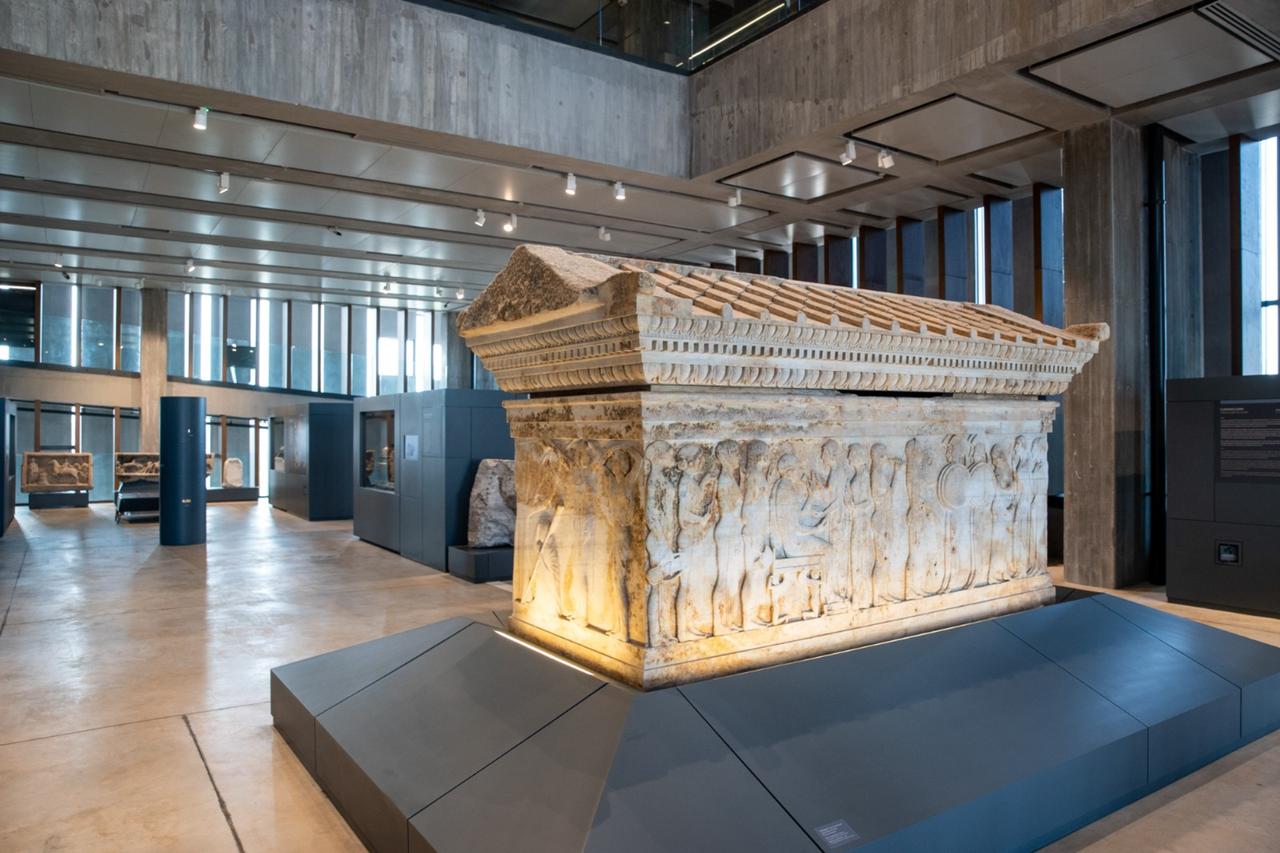
“Troy and Rome: Myths, Legends and Stories of the Ancient Mediterranean" (Truva ve Roma: Antik Akdeniz'in Mitleri, Efsaneleri ve Hikayeleri) will open on June 11 at the Colosseum Archaeological Park, bringing together 221 artifacts from 19 museums across Türkiye.
The exhibition will also feature a replica of the Trojan Horse, placing one of antiquity’s most enduring symbols at the centre of a project that connects archaeology, mythology, and shared Mediterranean history.
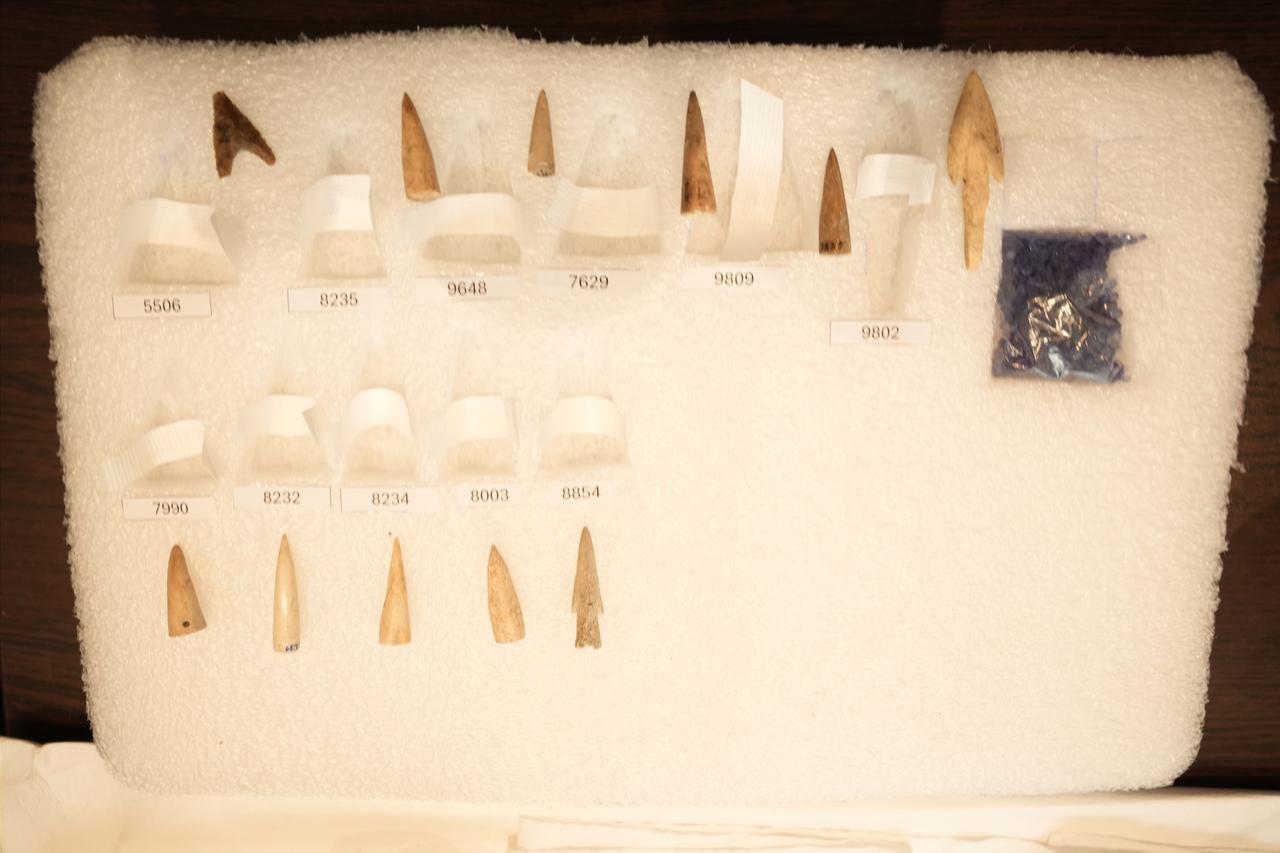

The exhibition places one of Anatolia’s most recognizable archaeological narratives at the centre of a global heritage site.
Culture and Tourism Minister Mehmet Nuri Ersoy framed the initiative in a social media post, writing, “We are bringing Troy to the Colosseum, one of the most important meeting points of global tourism.”
Hosted at the Colosseum Archaeological Park in Rome, the exhibition places Türkiye’s archaeological heritage within one of the most visible cultural venues in the world.
The exhibition follows earlier Türkiye-themed showcases at the Colosseum, including Gobeklitepe and Magna Mater, which drew significant international attention.
Officials expect the Troy-themed exhibition to generate similar interest, given the enduring global recognition of the Trojan War and its role in both historical and literary traditions.
The exhibition spans a wide historical timeline, covering the period from the third millennium B.C. through the end of the Roman era, while also incorporating pre-Trojan War Anatolian history.
Providing details on the scope of the display, Ersoy said, “Our exhibition will feature a total of 221 artifacts from 19 museums in Türkiye, along with a replica of the Trojan Horse.”
He added that 50 of the artifacts "will be exhibited for the first time,” while “99 works from the Troy Museum will be presented in the exhibition.”
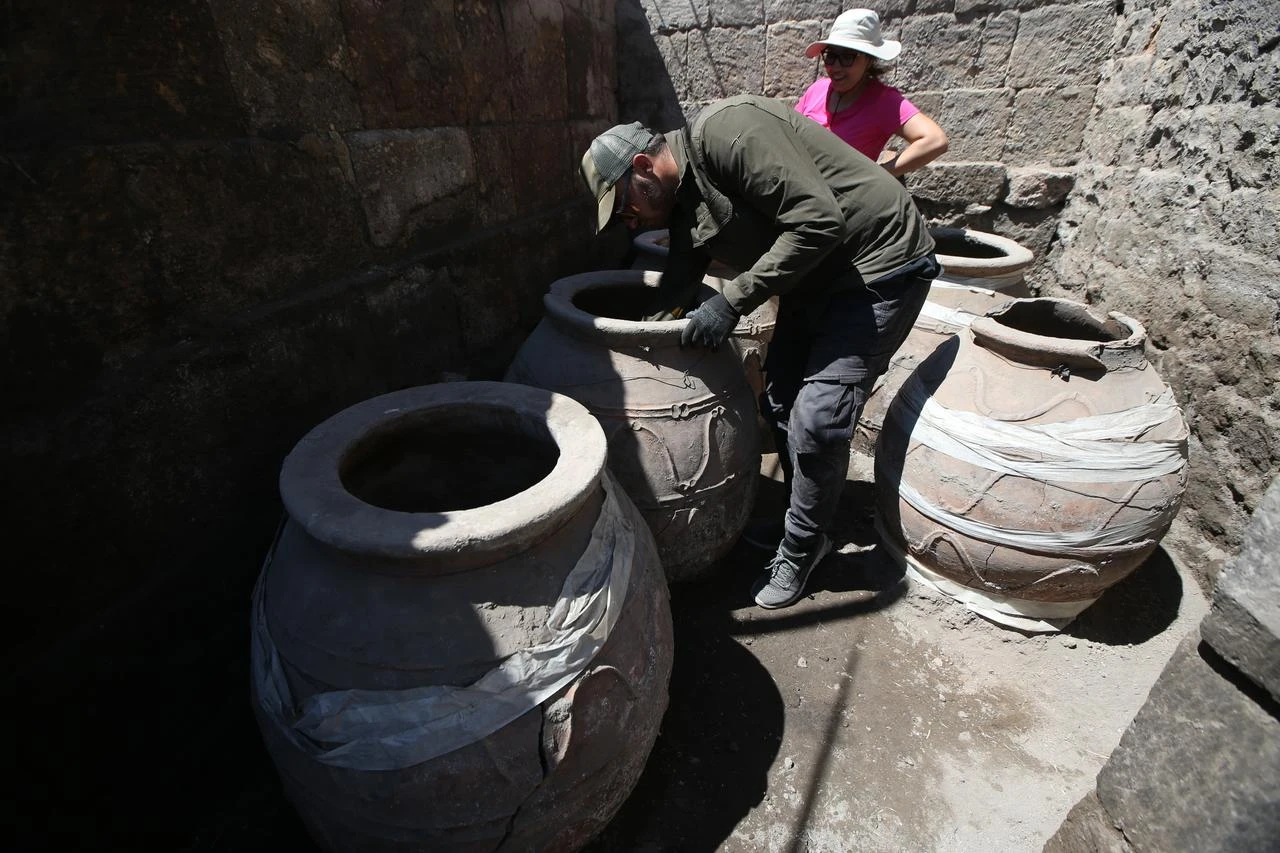
A significant portion of the collection comes from the Troy Museum in Canakkale, which has played a central role in preparing the objects for international display.
The scale of the exhibition reflects months of technical preparation carried out across multiple institutions in Türkiye.
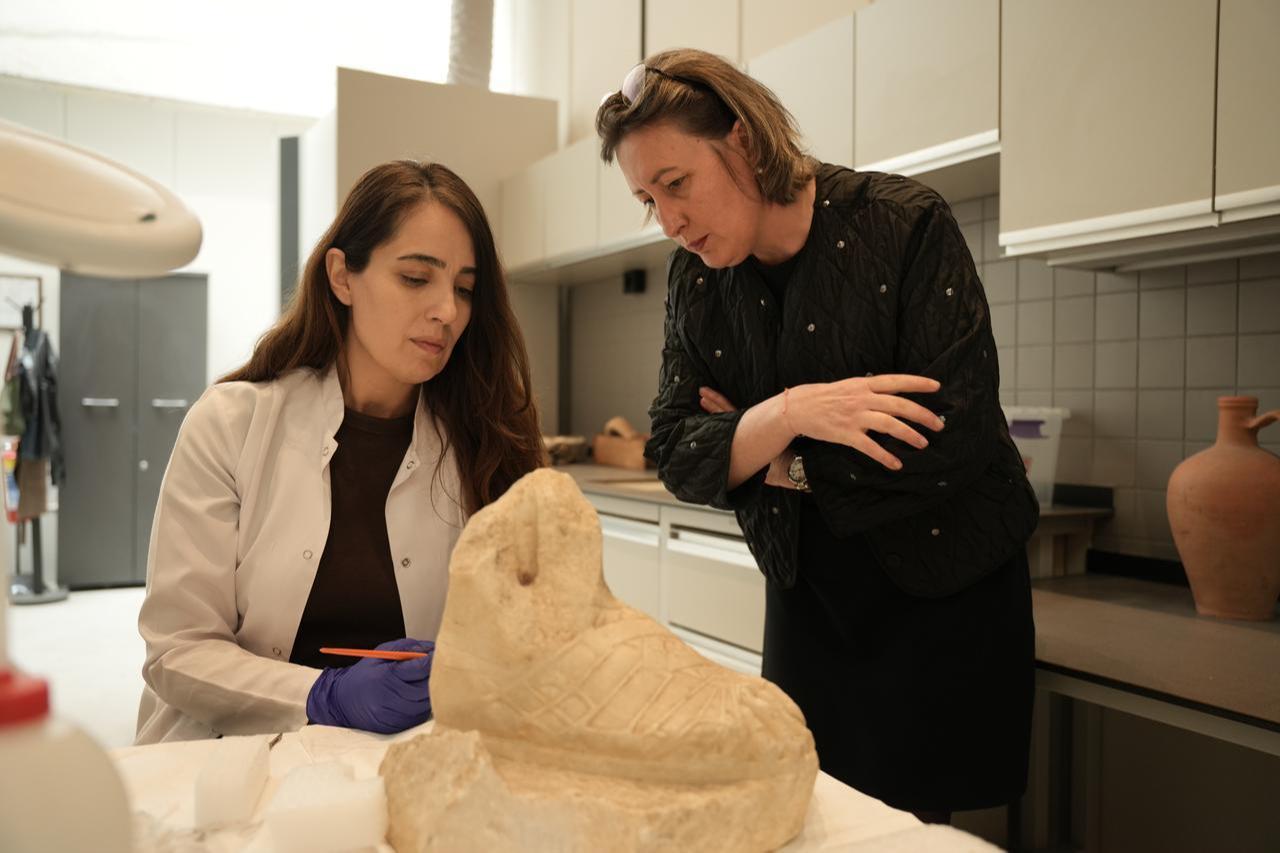
Since December 2025, restoration and conservation works have been conducted in six regional laboratories, where specialists worked to prepare the artifacts for transport and display.
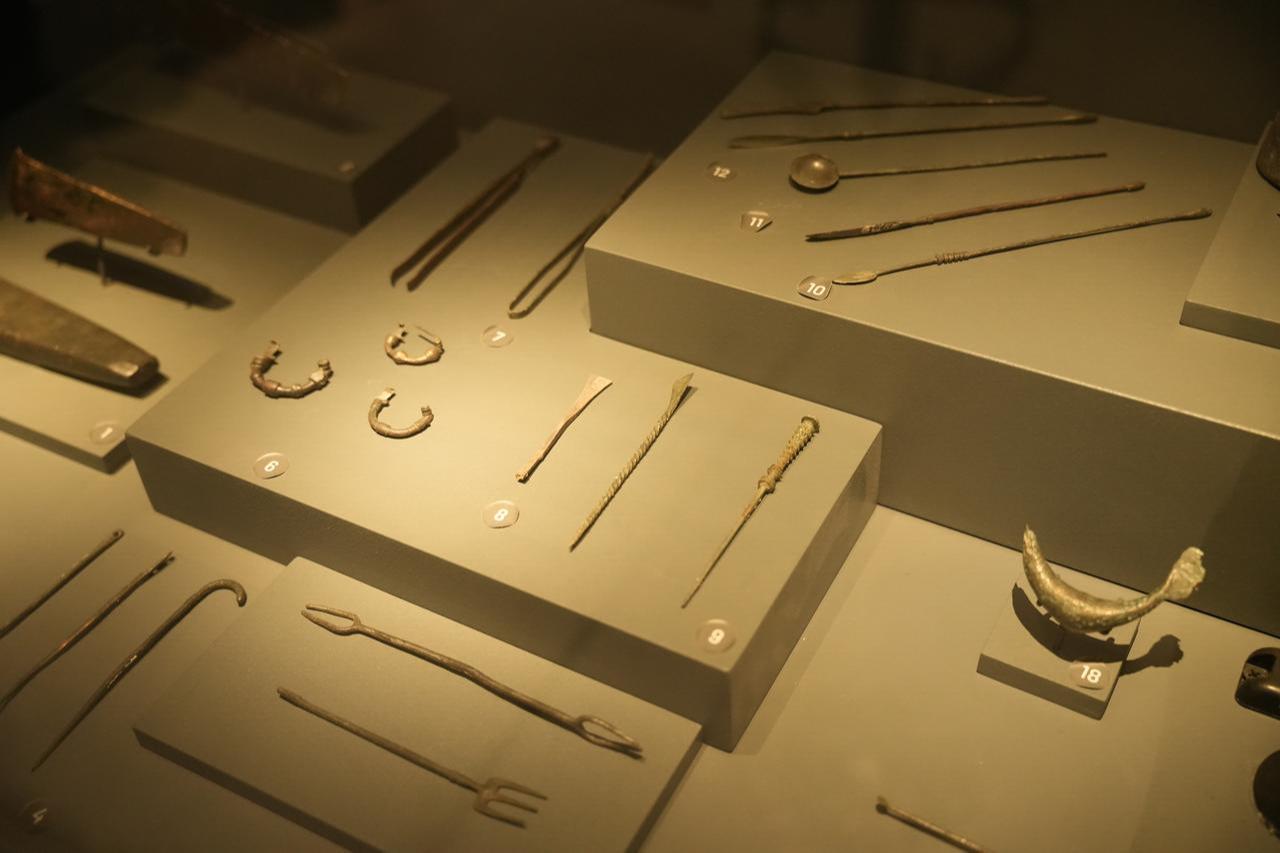
Highlighting the complexity of the process, Ersoy said the works have undergone “a comprehensive conservation process carried out by our restorers,” adding that the artifacts have been prepared “in line with international exhibition standards.”
He also emphasized that “insurance, transportation and protection processes are being carried out meticulously in accordance with the International Council of Museums (ICOM) loan standards.”
Beyond its archaeological scope, the exhibition is framed as a broader narrative linking Troy to themes that continue to resonate across time and geography.
Troy Museum Director Sinem Duzgoren previously described the project as an effort to present the site not only as an excavation area but as part of a shared cultural memory shaped by war, migration, and reconstruction.
The Colosseum venue, which has hosted earlier Türkiye-focused exhibitions, is expected to draw global attention to the show.
The program will also extend beyond static display, with the Troy Opera by the State Opera and Ballet set to accompany the exhibition, adding a performance dimension to the historical narrative.


 Set as preferred source
 Set as preferred source


 2 min read