

 Newsletters


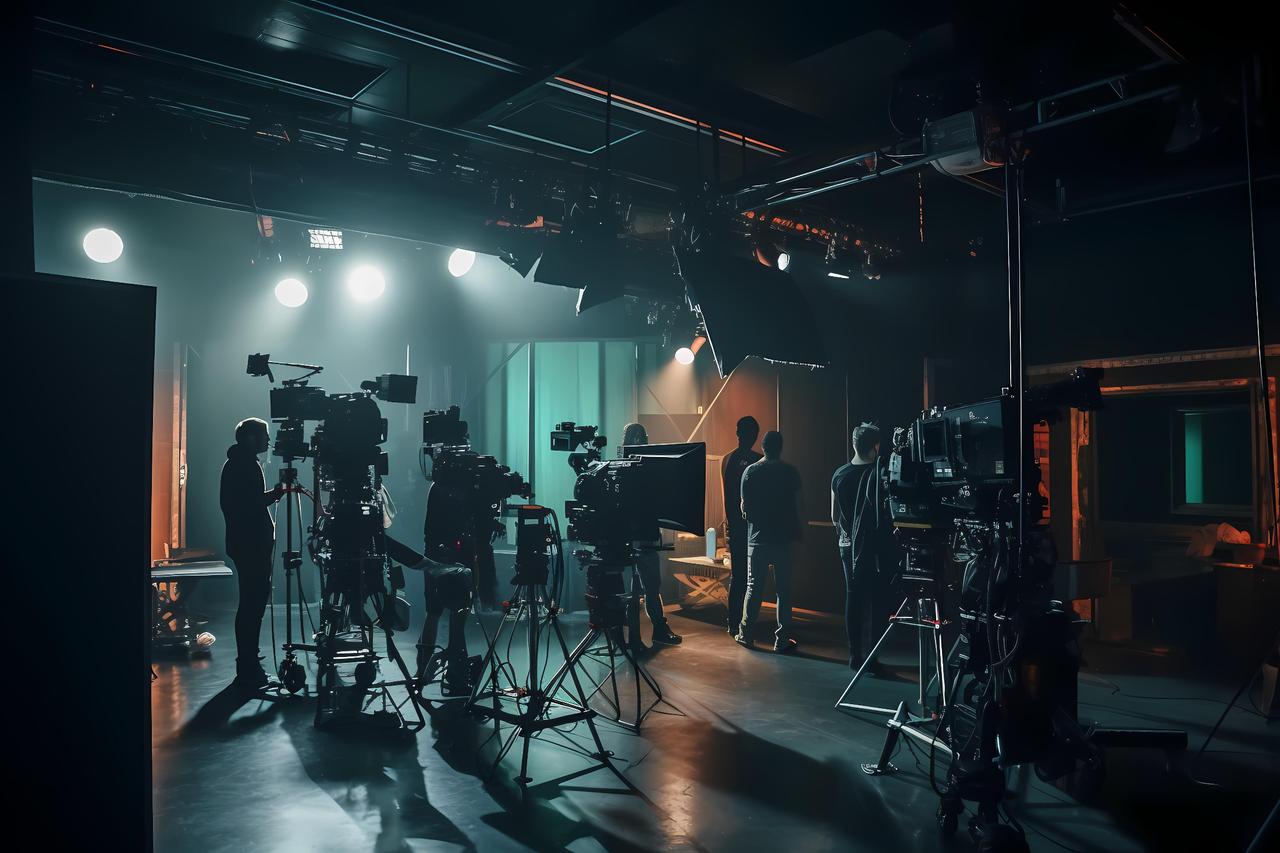


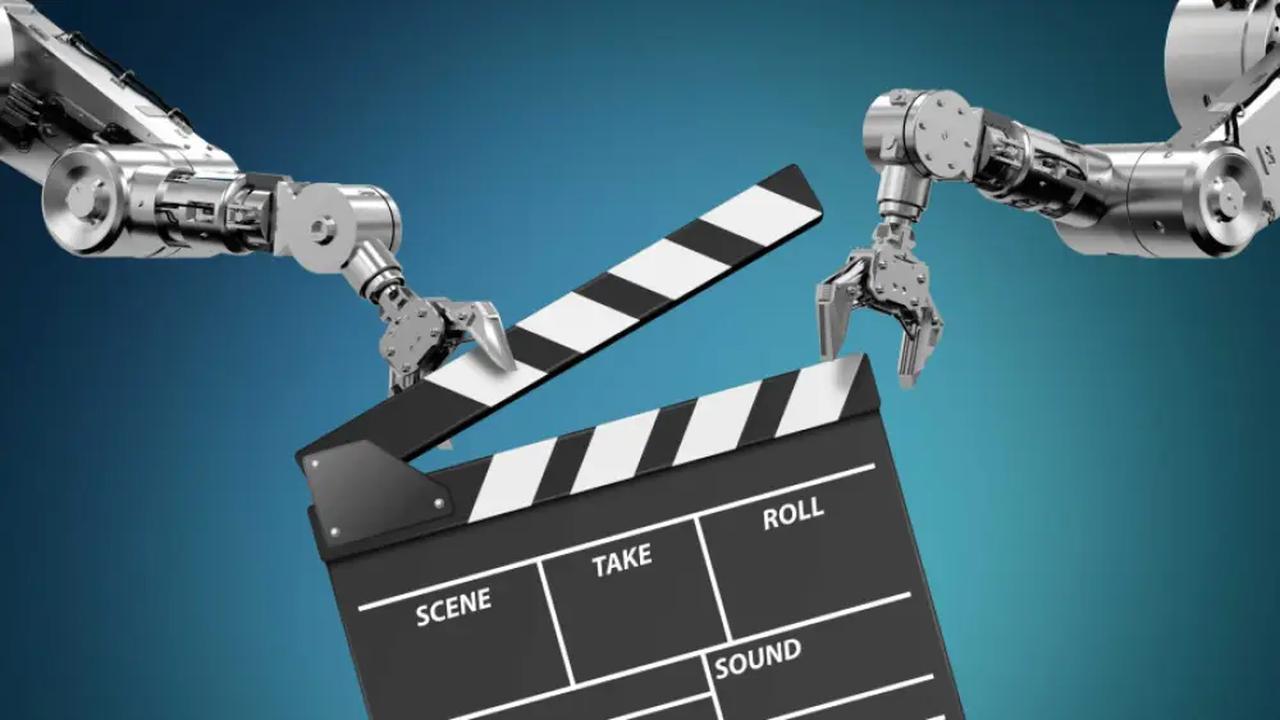
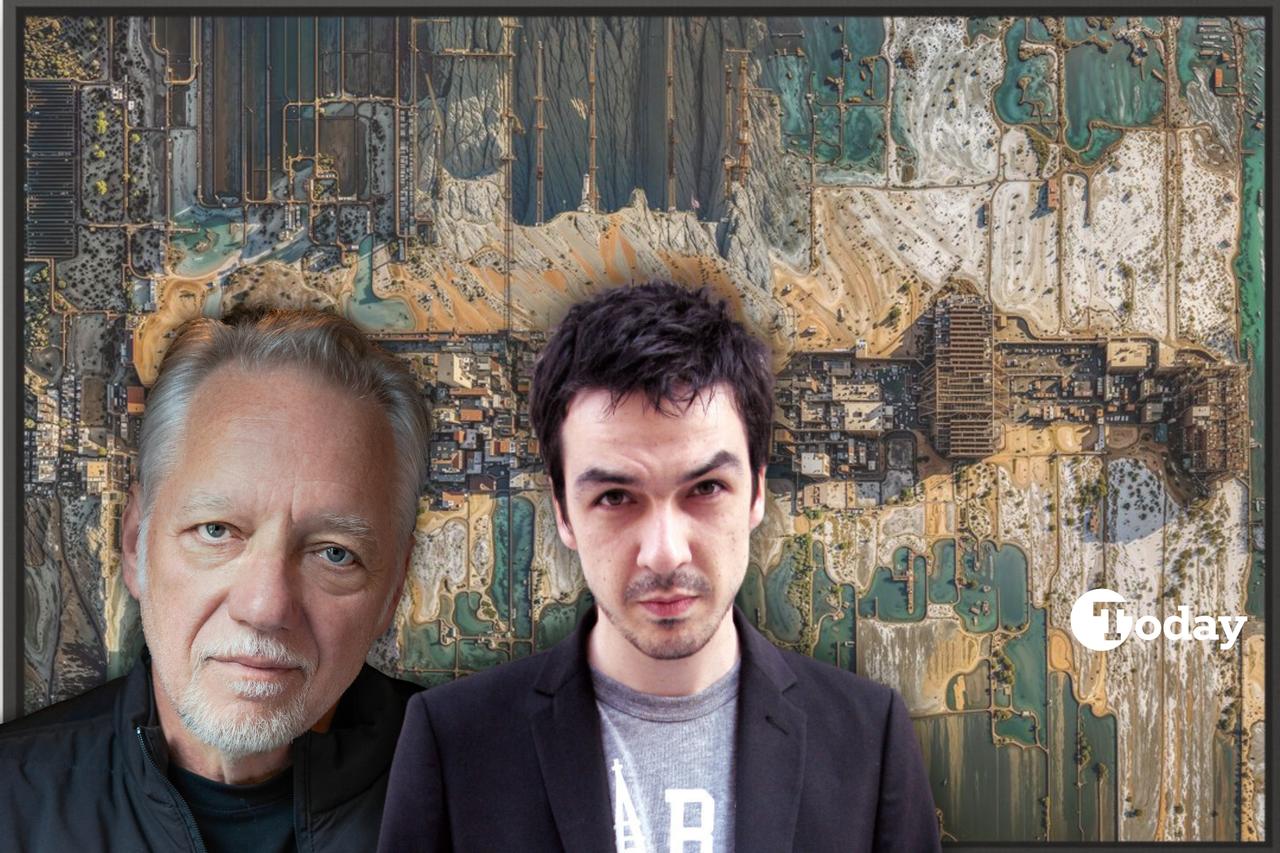
Artificial intelligence is rapidly reshaping creative production in the global film industry, and Turkish director, photographer and digital content creator Ozan Sihay believes this transformation should be embraced rather than feared.
Speaking at the FIYAB Film Industry Days, supported by Türkiye’s Ministry of Culture and Tourism, he explained that both the art world and the film sector are experiencing a major shift.
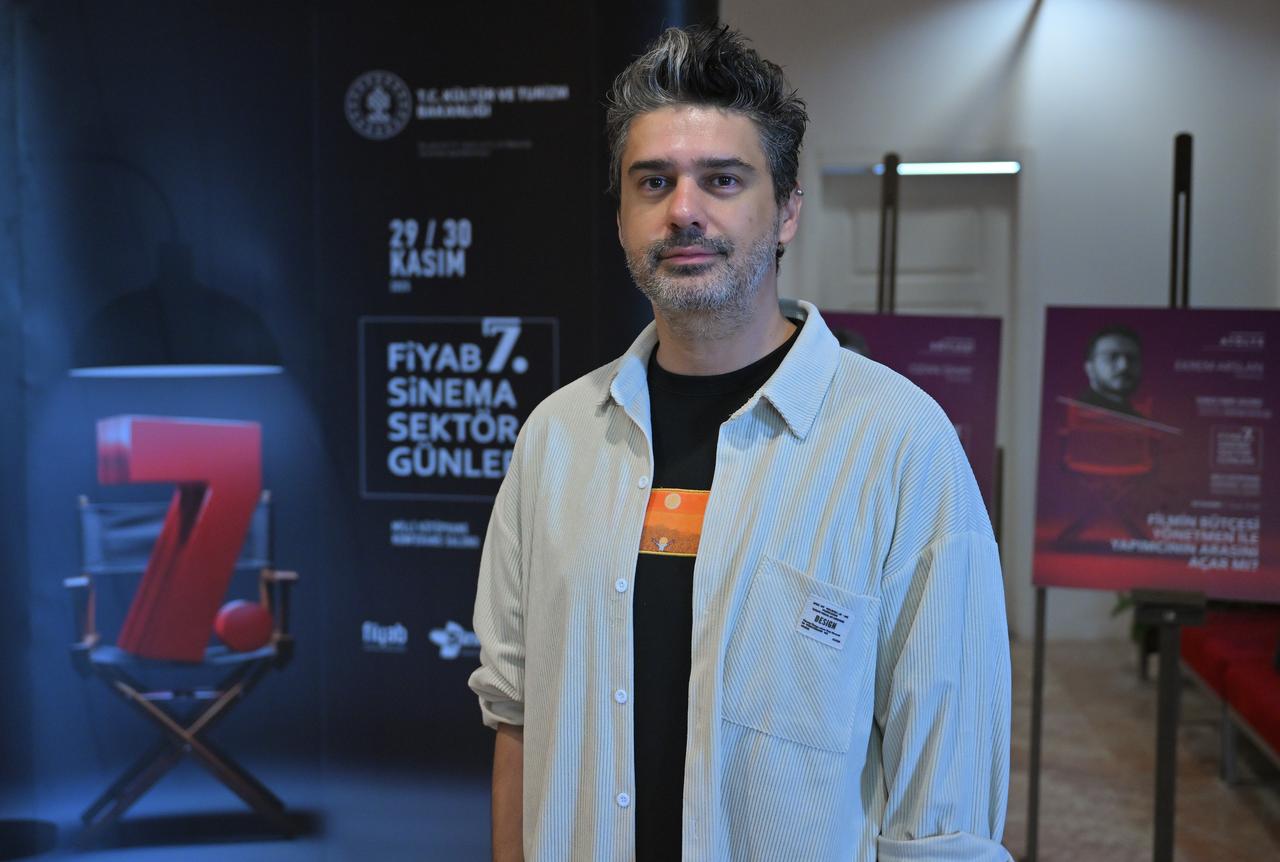

Sihay told Anadolu Agency that involving AI in an event designed for film students was particularly valuable, since it offers young creators a chance to adapt early to a fast-changing industry. Pointing to the global wave of technological change, he noted that instead of resisting innovation, the sector should focus on how AI can be integrated into production workflows.
Although AI significantly accelerates technical processes, he warned that excessive reliance on it risks making creators “intellectually lazy.” According to him, ethical rules and copyright considerations must form the backbone of any future integration.
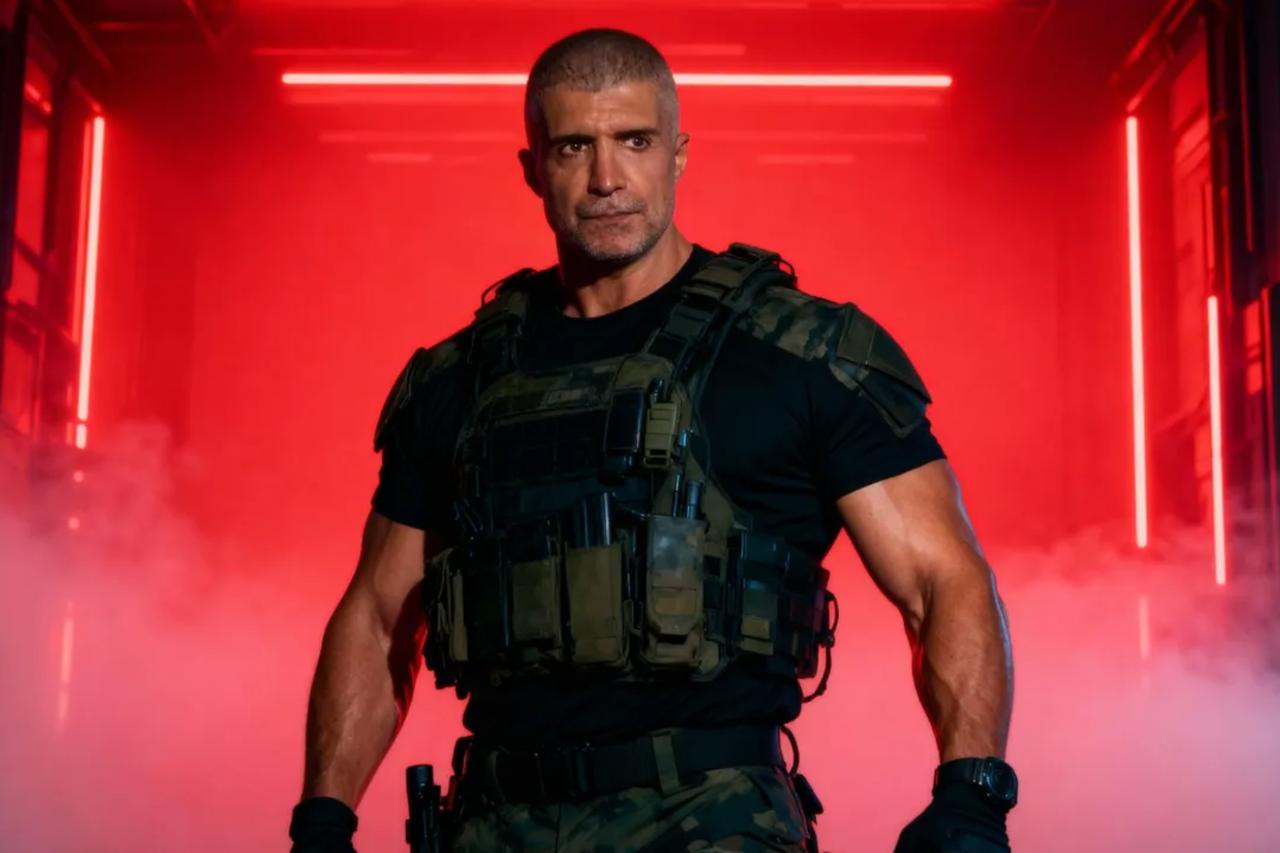
Reflecting on film history, Sihay reminded the audience that breakthroughs in special effects, such as those in "Terminator 2" and "Jurassic Park," initially sparked resistance before becoming milestones. He described the familiar cycle: early rejection, followed by fear, adjustment, and eventually a hybrid period in which old and new methods coexist. AI, he suggested, is simply the latest phase in this ongoing evolution and is already pushing the industry toward more imaginative projects.
With nearly two decades of experience in digital production software, Sihay emphasized that AI does not erase existing expertise. Instead, it allows experienced artists to use their skills in more inventive ways. Tasks once considered tedious, such as detailed technical corrections, can now be completed more efficiently, giving creators more space to focus on storytelling.
He also highlighted how AI is transforming demanding technical processes like rotoscoping, traditionally carried out by specialists. While newcomers can now complete such tasks with a single click, he believes experts who combine their knowledge with AI support will continue to hold an advantage.
Sihay said AI’s greatest contribution will be to independent filmmakers who lack access to large budgets or advanced technology. Projects that once seemed impossible can now be realized. He recalled how his own interest in science fiction and fantasy remained theoretical for years because of technical constraints. Today, however, a university student with no financial resources can create a science-fiction film.
The same tools can support arthouse directors as well. He noted that even acclaimed filmmaker Nuri Bilge Ceylan has used CGI and VFX to adjust skies or enhance ambience, showing that AI-supported post-production has already entered mainstream filmmaking. Colour grading, sound corrections and late-stage scene adjustments can be completed with far greater ease and realism than before.
Sihay believes AI will open the door to films that are “more enjoyable, more innovative and unlike anything we’ve seen before.”
Calling on young creators to experiment with AI tools, he stressed that hesitation comes with a cost. “This is a fast-moving train,” he said, adding that missing it could mean falling permanently behind.
In this new landscape, he argued, the key competitive skill will be writing effective prompts. Those with stronger imagination and the ability to express it clearly will become the leading voices of the next generation of filmmakers.


 Set as preferred source
 Set as preferred source


 1 min read
 1 min read


