Newsletters


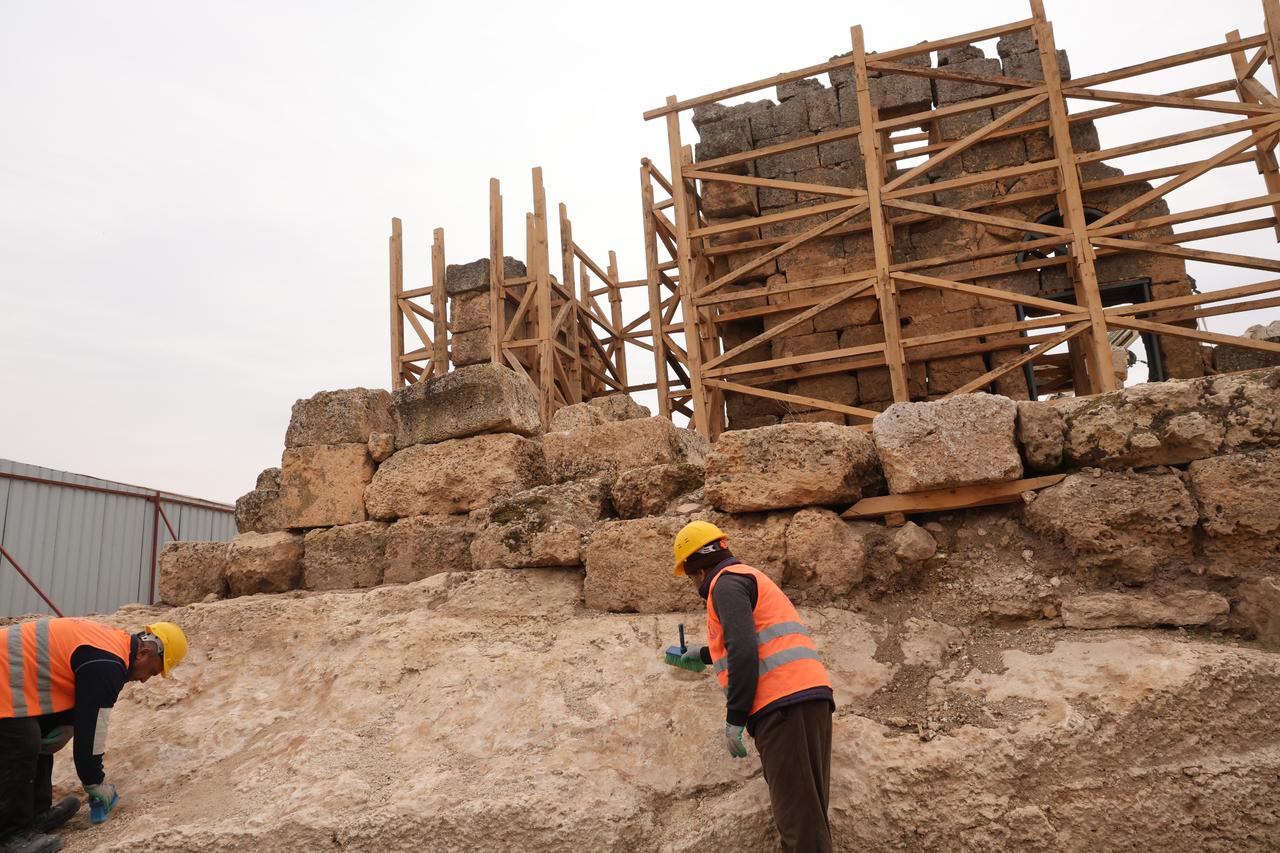


Restoration work at Zerzevan Castle, a strategic Roman frontier fortress in southeastern Türkiye, is set to broaden next year to include the underground church, the Mithras sacred area (Mithraeum), the arsenal and the defensive walls, according to the excavation team leading the site.
The new phase will build on ongoing conservation at the southern tower and the large church, marking a significant step in protecting and presenting one of the Roman Empire’s easternmost garrisons to the public.
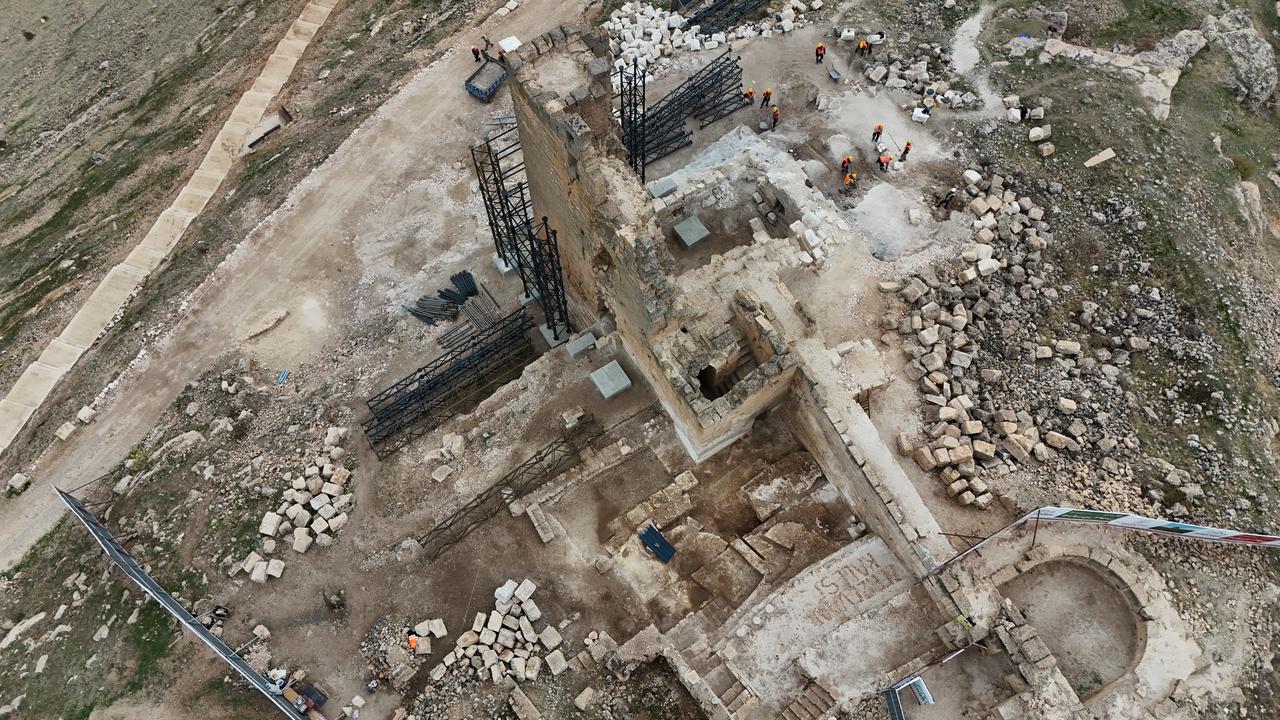

Located near the Demirolcek neighborhood, about 13 kilometers (8.07 miles) from the district of Cinar in Diyarbakir, Zerzevan Castle rises on a rocky hill roughly 124 meters high. Archaeological excavations have revealed the last known Mithras temple identified within a military settlement anywhere in the world.
Mithraism was a mystery religion practiced in the Roman period, with rituals carried out in underground sanctuaries known as mithraea. The presence of such a site has placed Zerzevan among the most distinctive Roman-period complexes in the region.
The castle, added to the UNESCO World Heritage Tentative List in 2020, has drawn steady interest from both domestic and international visitors. Excavations have been carried out year-round since 2014 with the support of the Ministry of Culture and Tourism, the provincial governorate, the Cinar district administration and the Diyarbakir Museum Directorate.
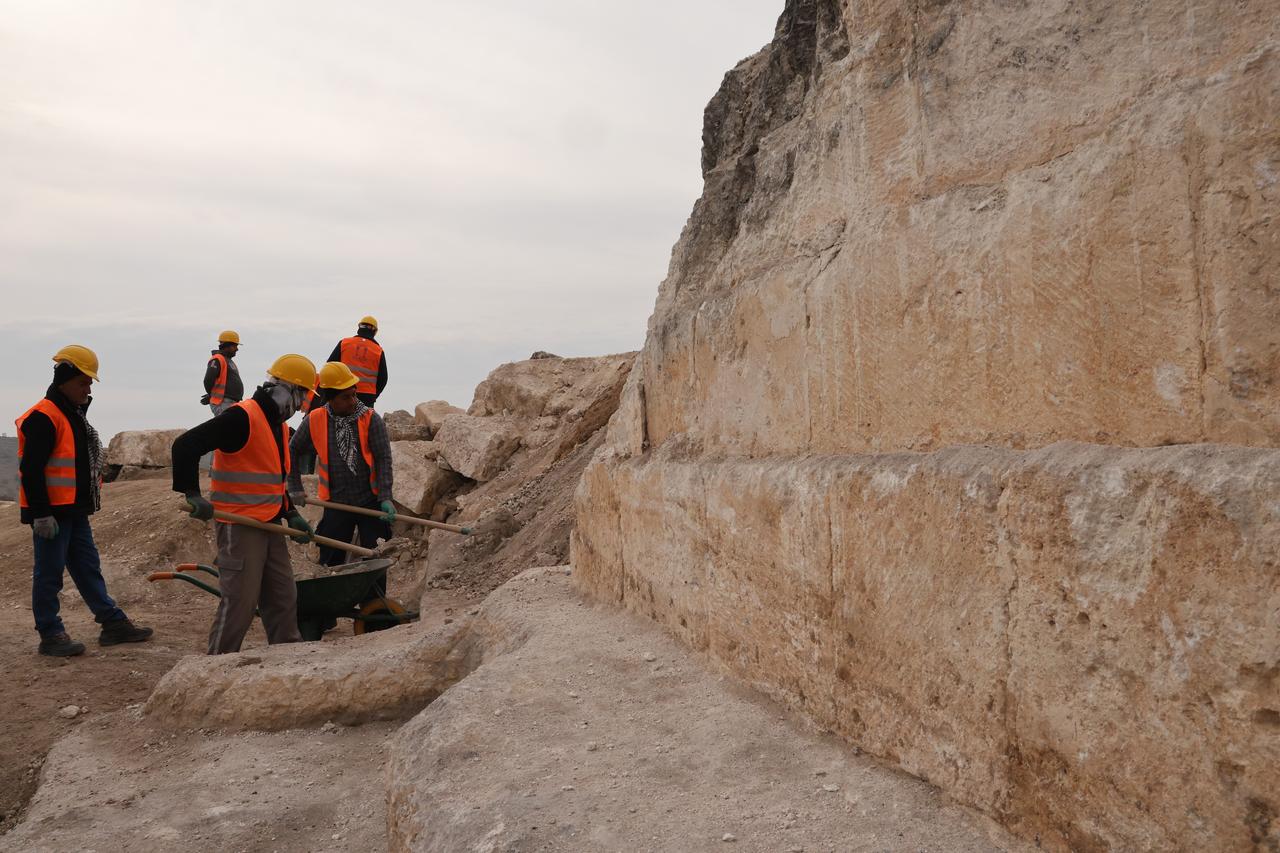
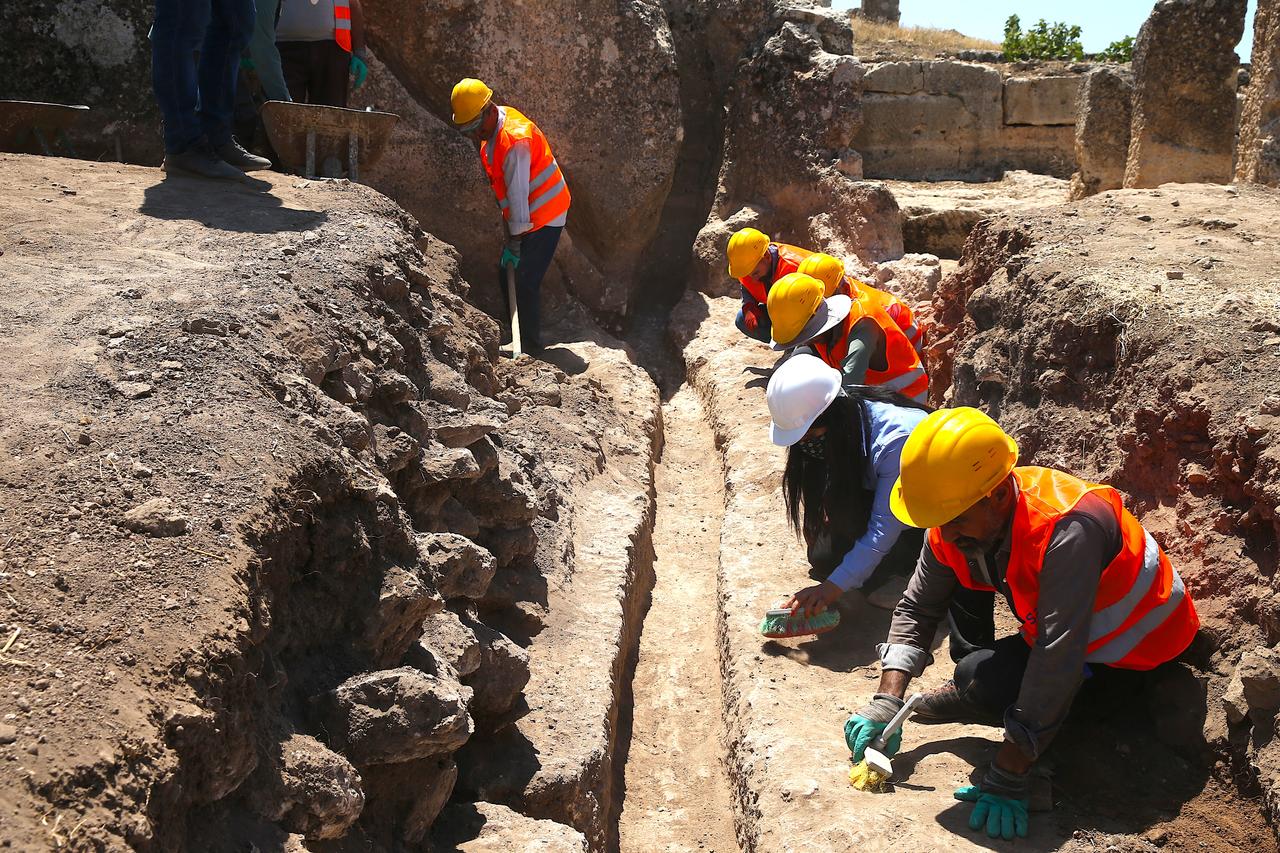
Over a wide area, archaeologists have uncovered substantial remains that shed light on daily life and defense at the fortress.
These include long stretches of fortification walls, a tall watchtower used for surveillance and defense, churches, an administrative building, residential quarters, grain and weapons depots, rock-cut tombs, water channels and dozens of cisterns that once supplied the garrison.
 2 min read
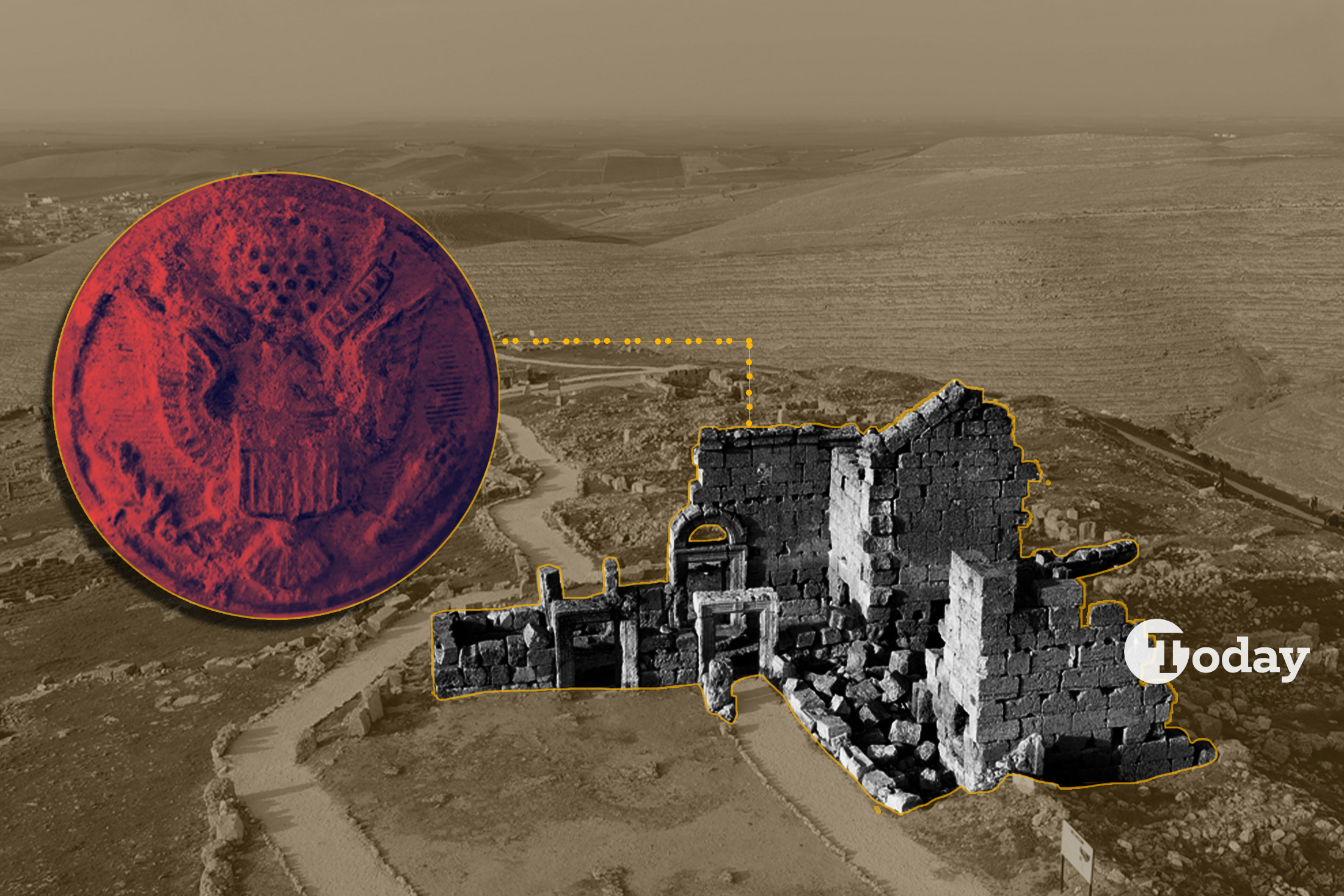
Among the most striking finds are an underground church, a large subterranean shelter with capacity for hundreds of people, secret passages linking different parts of the settlement, and the underground Mithras temple, along with nearby spaces used to host visitors who came for closed religious ceremonies.
Together, these discoveries illustrate how the site adapted over time, especially after Christianity was adopted in the fourth century, when the Mithras cult gradually lost its importance.
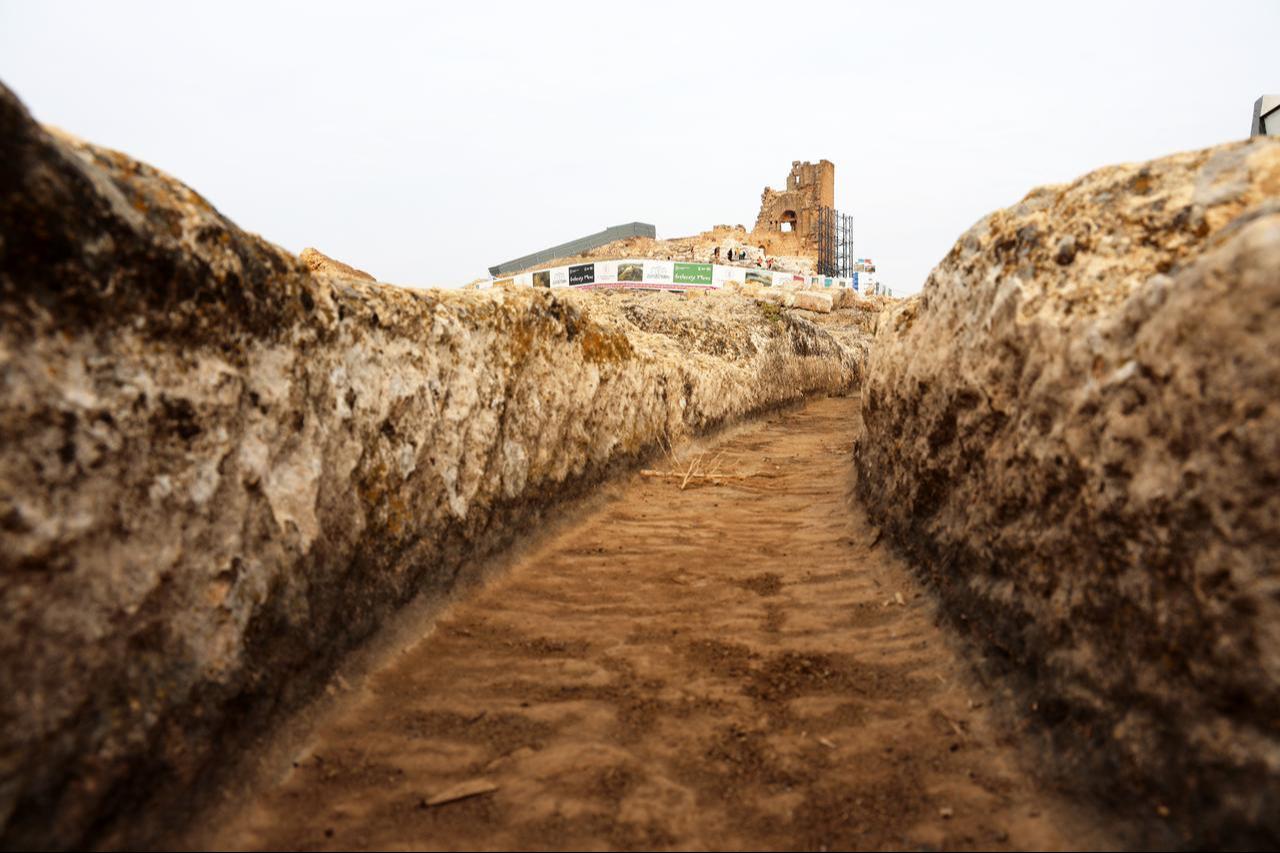
While archaeological work continues, a comprehensive conservation program is also moving ahead. Restoration is currently focused on the large church and the southern tower, where a team of around 35 specialists is carrying out protective measures designed to stabilize the structures without altering their original character.
These measures include capping, a protective layer applied to the tops of walls that have lost their original roofing, as well as strengthening and injection techniques.
Injection is a conservation method that reinforces historic masonry and seals cracks by introducing compatible materials into the structure, helping prevent further deterioration while keeping the original fabric intact.
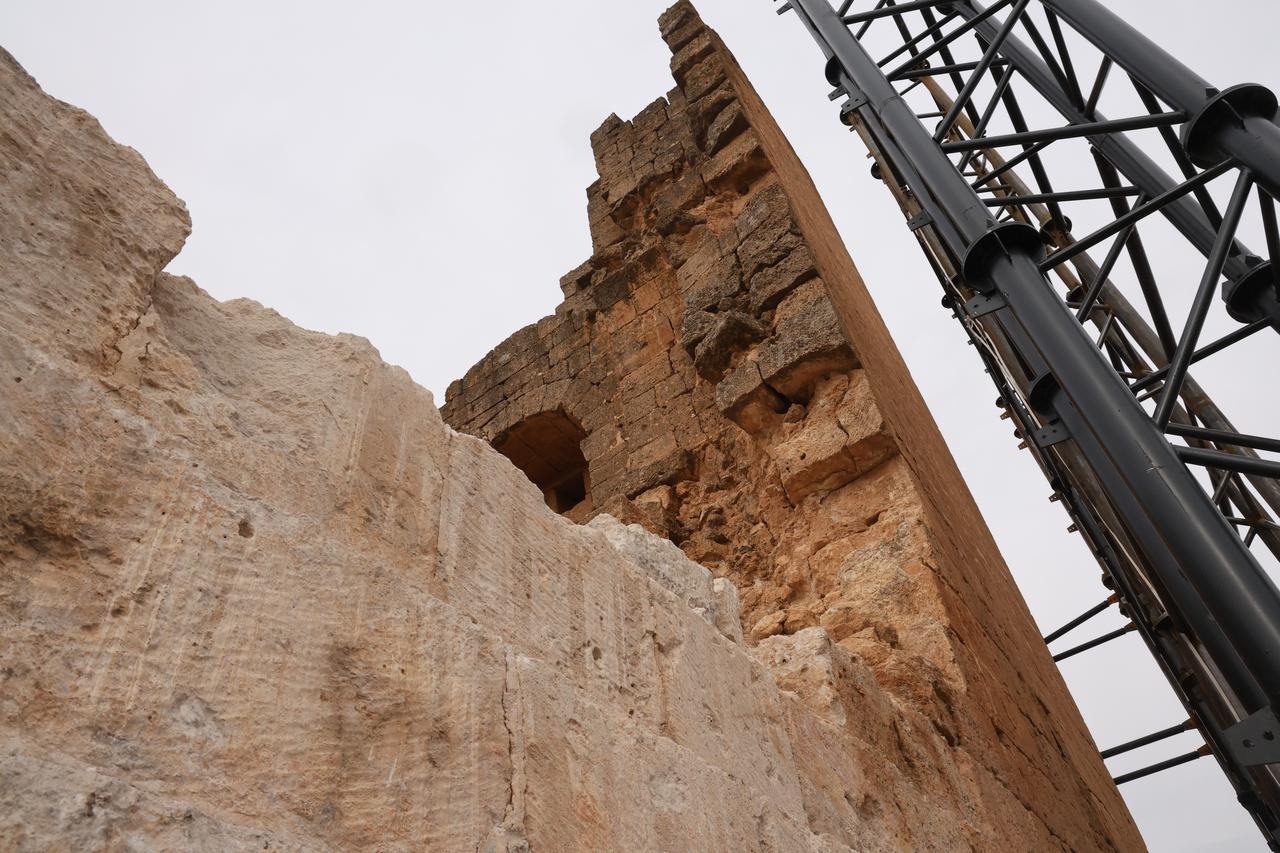
Professor Aytac Coskun, head of the excavation team, said the work now combines excavation and restoration in a coordinated way.
He explained that the initial focus has been on safeguarding existing structures and making them more legible to visitors, rather than rebuilding them.
Coskun noted that advanced conservation technologies are being applied at Zerzevan Castle as part of the Ministry of Culture and Tourism’s "Heritage for the Future" project.
According to Coskun, project planning has already been completed for the next stage. As restoration continues on the current monuments, work is expected to begin next year on the underground church, the Mithras sacred area, the arsenal and the fortification walls.
He emphasized that these efforts aim to protect the site, preserve what has already been uncovered, and set up a clearer visual experience for those visiting the castle.


 Set as preferred source
 Set as preferred source


 1 min read