Newsletters


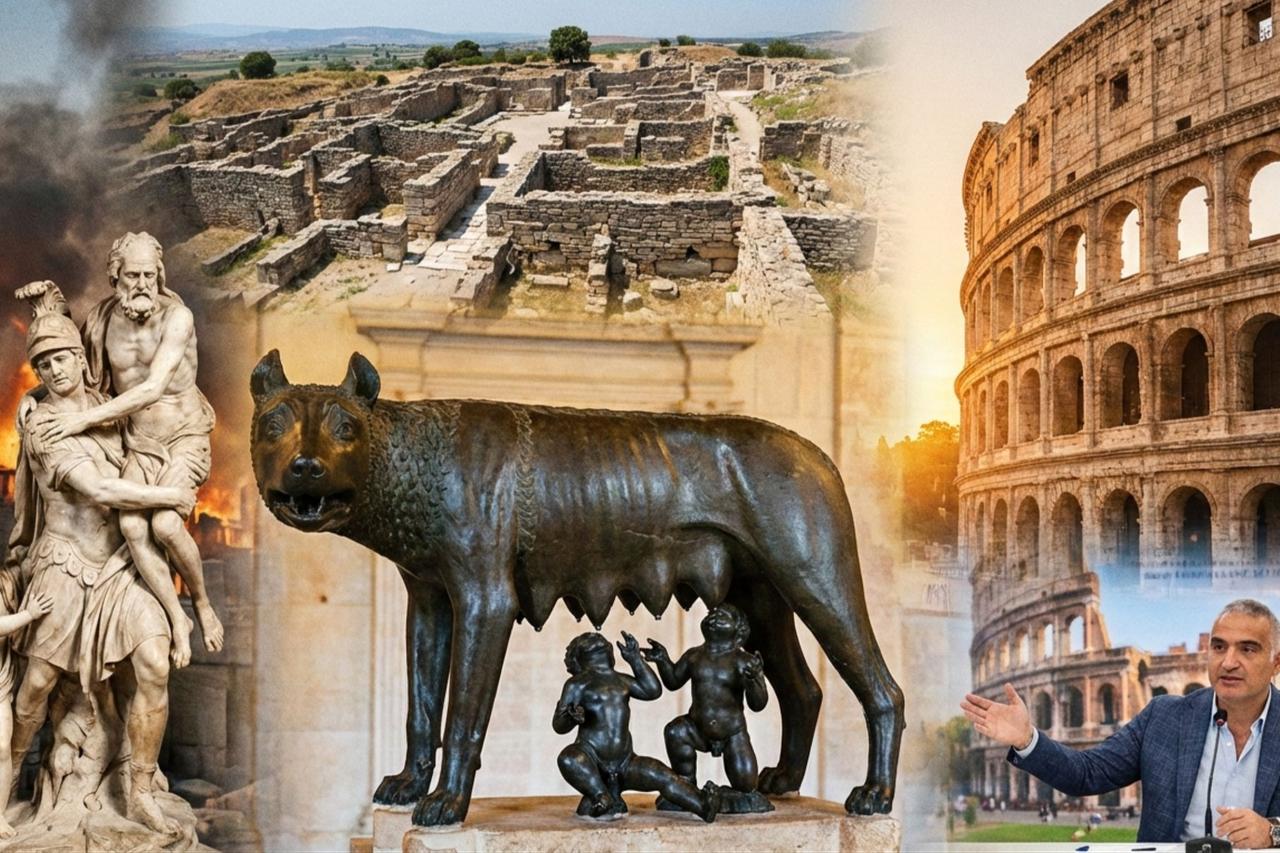


For centuries, Rome has been defined by a powerful founding myth centered on Romulus and Remus, the twin brothers said to have been raised by a she-wolf and destined to establish the “Eternal City.” Yet from antiquity onward, historians themselves questioned whether Rome truly emerged from a single, heroic act of foundation or from a much longer and more complex process. Now, this layered narrative of Rome’s origins is set to be revisited for a global audience through a major Troy-themed exhibition planned for the Colosseum in 2026, highlighting the Trojan hero Aeneas as a foundational figure in Roman identity.
Ancient writers were already aware that cities rarely come into being through one clear founding moment. While conquerors such as Alexander the Great could establish cities bearing their own names, Rome, like Athens, likely grew through synoecism, a process in which neighboring villages gradually came together for shared defense, trade, and governance under a single political authority.
Despite this, Rome’s foundation myths proved far more compelling. The Roman historian Livy, in the introduction to Ab Urbe Condita (From the Founding of the City), openly described these early stories as poetic tales rather than verifiable history, while still recognizing their cultural value. By blending human action with divine intervention, these myths elevated Rome’s past and helped justify its later power.
Greek and Roman historians who transmitted these stories were also among the first to express doubt. They lived in an era when Rome’s expansion made it easy to reshape oral traditions into narratives that glorified the city’s rise. Comparing different versions of the Romulus and Remus story, including accounts that suggest a violent conflict between the brothers, reveals how legend and political memory became deeply intertwined.

Although the legend refers to events centuries earlier, the story of Romulus and Remus began circulating widely in Greek circles around the fifth century B.C., at a time when Rome’s unexpected rise attracted attention. Early versions spoke of a founder named Rhomos, later identified with Romulus. Over time, these figures were rearranged into a family line, until Rhomos disappeared entirely and Remus emerged as Romulus’ twin.
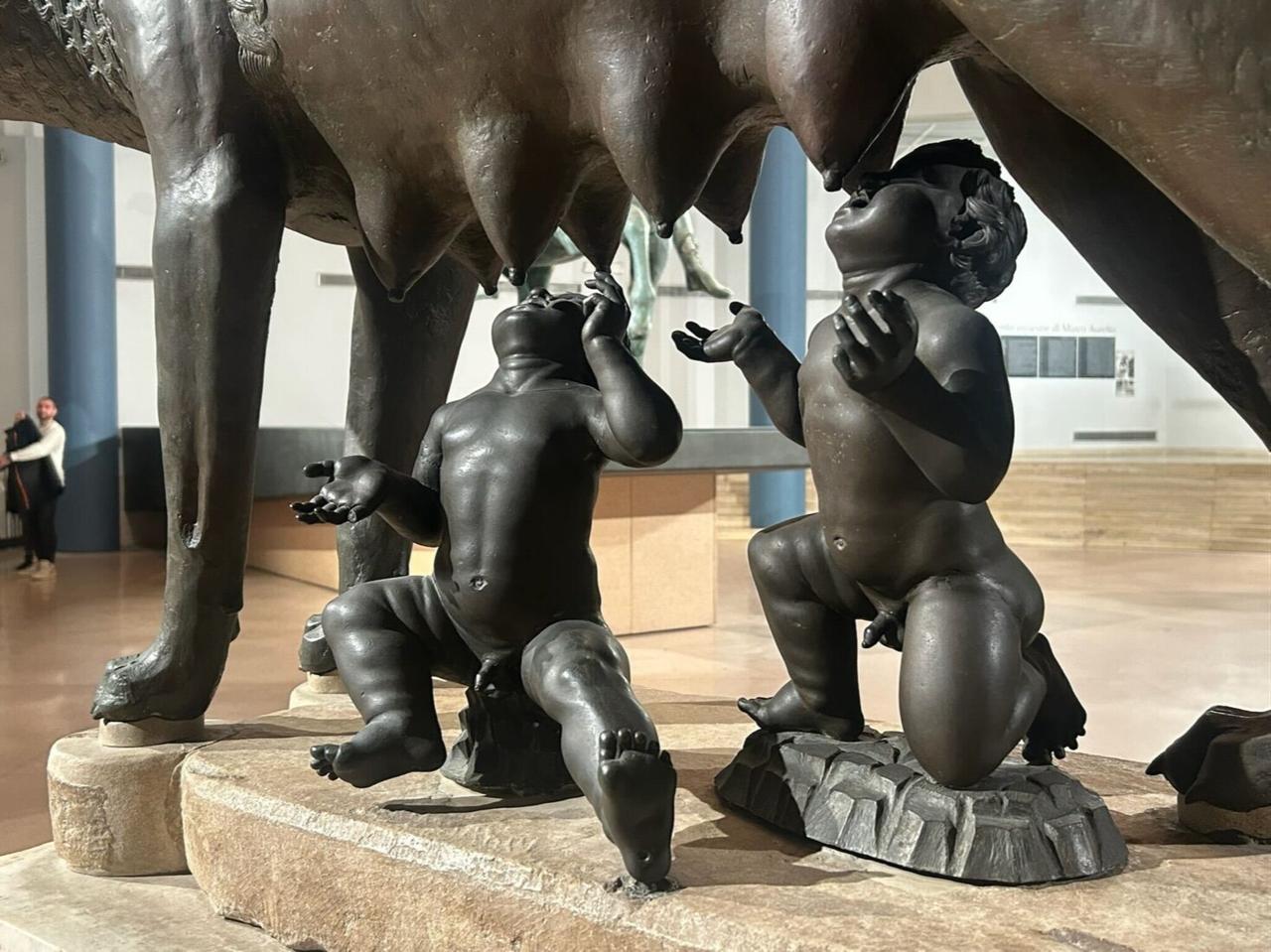
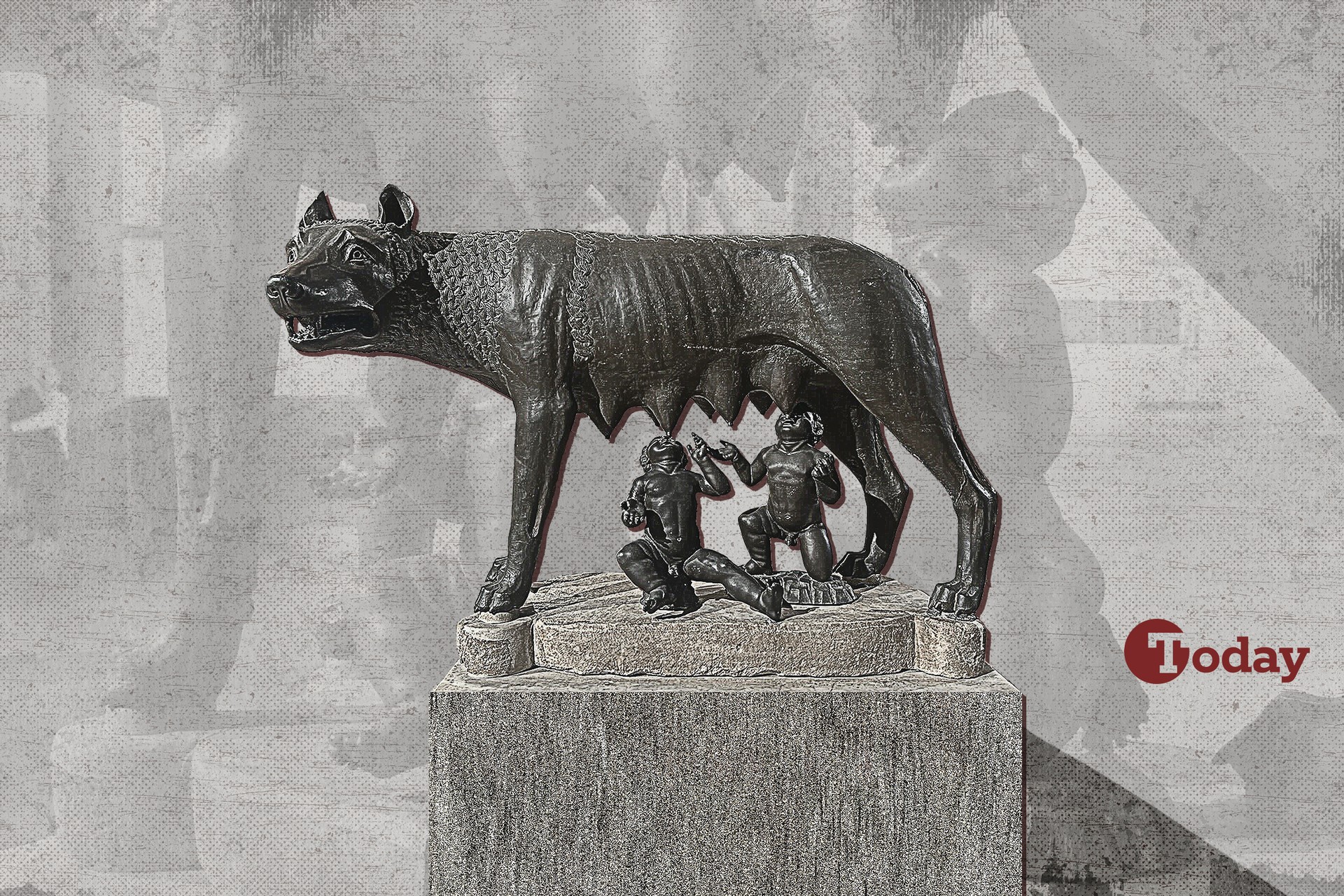
According to the Greek historian Plutarch, the first coherent written version of this genealogy came from Diocles of Peparethus in the third century B.C., followed by the Roman writer Quintus Fabius Pictor. The earliest surviving physical evidence of the twins appears in a sculptural group depicting a she-wolf nursing two infants, commissioned in 296 B.C. to mark the appointment of two brothers as magistrates.
These myths were shaped in a Greek cultural context, which explains their links to Olympian gods and to the Trojan War, a legendary conflict traditionally dated to the late second millennium B.C. By the Augustan period, authors such as Varro, Dionysius of Halicarnassus, and Livy worked to systematize Rome’s early history. Varro’s proposed founding date of April 21, 753 B.C., calculated through the reigns of Rome’s seven kings, eventually became the standard reference, even though alternative chronologies existed.
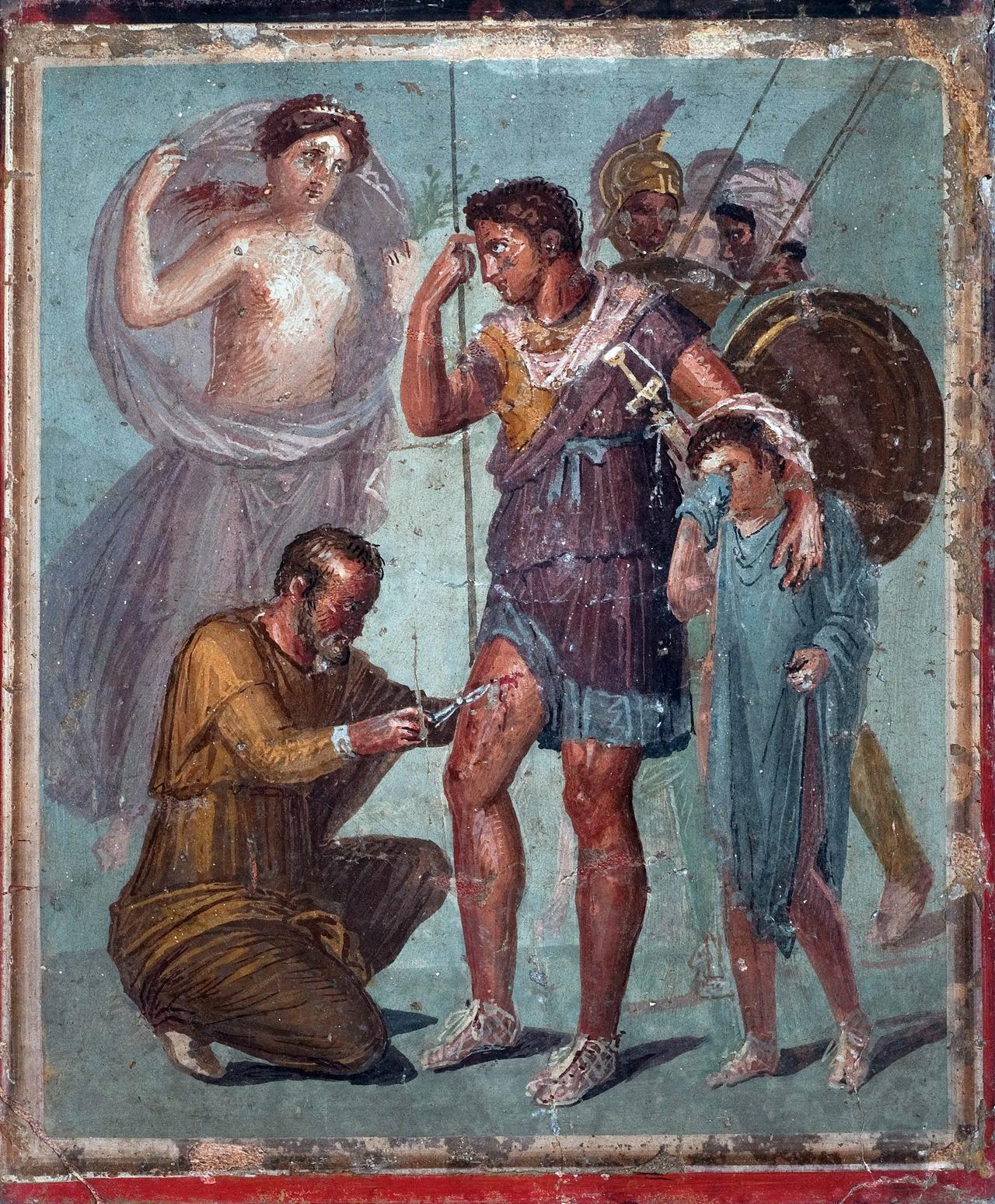
Alongside Romulus and Remus, another foundational narrative gained prominence: Rome’s Trojan ancestry. This story begins with Aeneas, the Trojan hero who escaped the burning city of Troy carrying his father Anchises and leading his son Ascanius, also known as Iulus. His journey, set long before Rome’s supposed founding date, unfolds outside ordinary historical time, as myths often do.
Under Emperor Augustus, the poet Virgil was commissioned to celebrate this lineage in the Aeneid, linking the ruling Julian family to Aeneas through Iulus. In the epic, Aeneas eventually reaches the shores of Italy, fights the local population in the region known as Latium, and secures peace by marrying Lavinia, the daughter of King Latinus. He then establishes the settlement of Lavinium. The narrative continues with Ascanius, who is said to have founded Alba Longa, a city whose exact location remains uncertain despite archaeological debate.
Through this Trojan connection, Rome’s origins were symbolically tied to Anatolia, reinforcing the idea that Roman identity was shaped by migration, adaptation, and cultural blending rather than by a single heroic act.
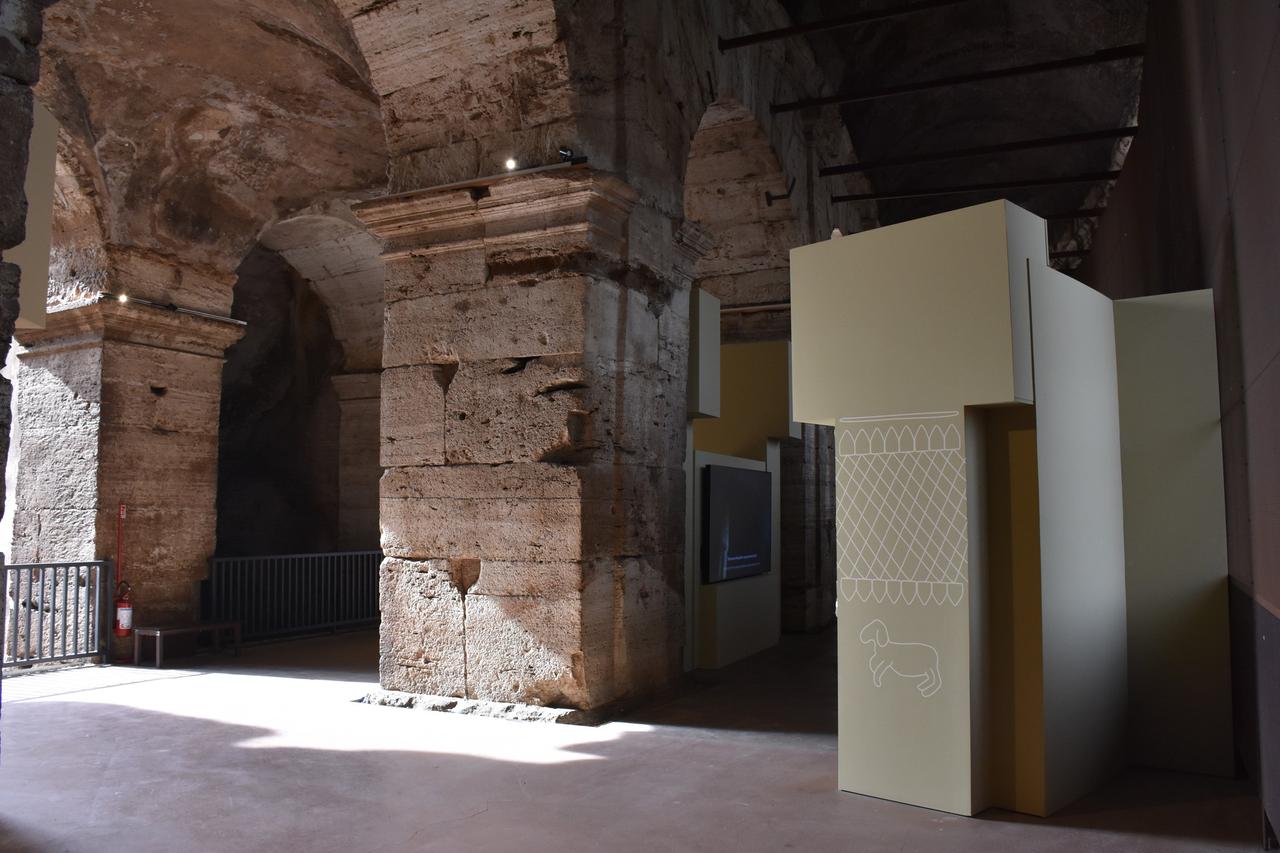
This ancient narrative will soon be presented to international audiences in a contemporary setting. Turkish Minister of Culture and Tourism Mehmet Nuri Ersoy announced that a Troy-themed exhibition will be held at the Colosseum Archaeological Park in Rome in 2026. The project follows earlier exhibitions on Gobeklitepe and Magna Mater, both of which explored Anatolian contributions to ancient civilizations.
According to the announcement, the exhibition will be prepared with works selected from Turkish and Italian museum collections, with the Troy Museum playing a central role. It will also feature the Troy Opera, produced by the State Opera and Ballet General Directorate, allowing the Trojan story to reach audiences through performing arts as well as archaeology. The initiative was formalized through a mutual letter of intent signed on Dec. 11, 2025, following bilateral meetings in Rome and Ankara.
By bringing the story of Aeneas to the heart of ancient Rome, the exhibition aims to highlight the enduring cultural ties between Anatolia and Rome, and to reframe Rome’s origins within a broader Mediterranean context.


 Set as preferred source
 Set as preferred source


 2 min read
 1 min read