Newsletters


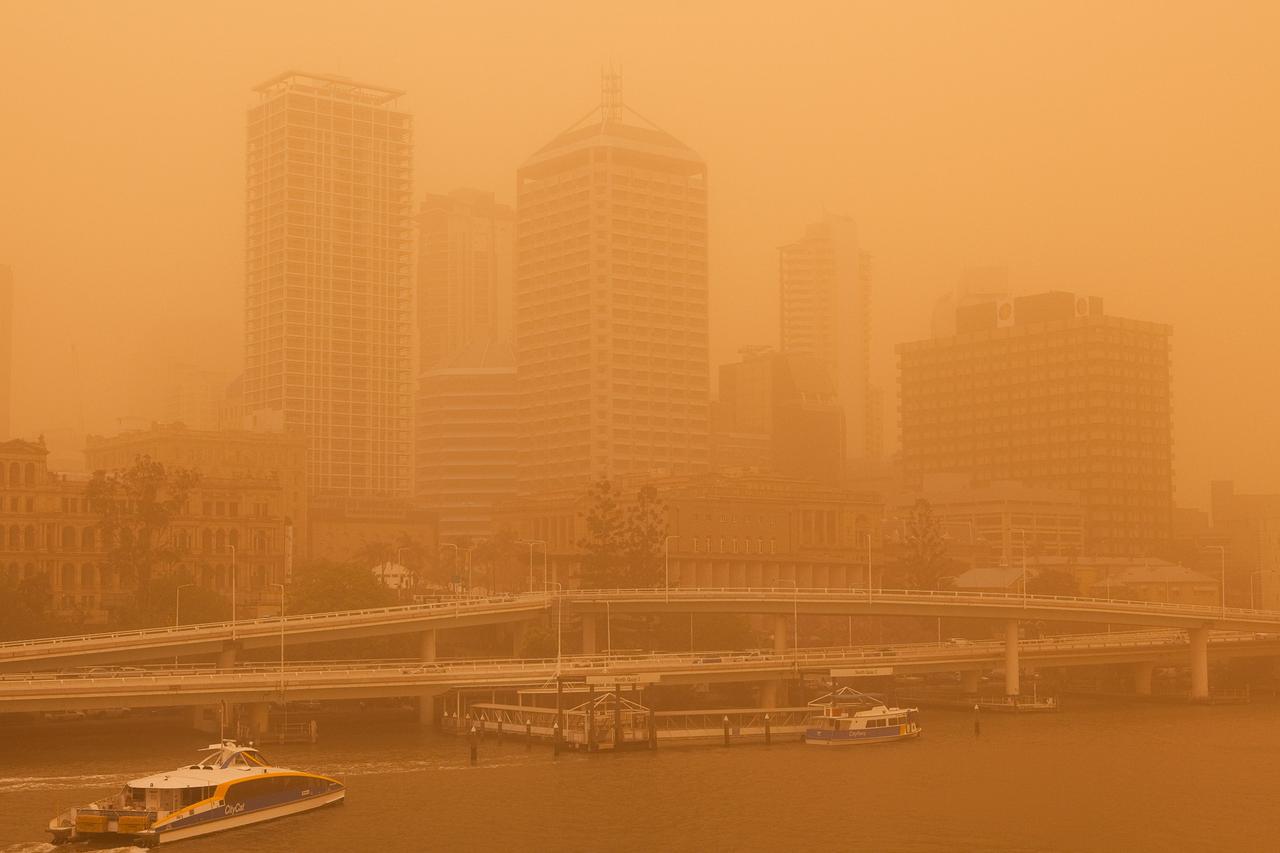


Sand and dust storms are emerging as a growing global threat as climate change accelerates their frequency, duration, and intensity, experts warn. The phenomenon is increasingly affecting public health, ecosystems, and economies across multiple regions.
According to the World Health Organization (WHO), sand and dust storms have become more frequent in the Eastern Mediterranean and other vulnerable areas. Climate-driven desertification and prolonged drought conditions are key factors contributing to the expansion and intensity of these events.
An estimated 330 million people worldwide are exposed daily to airborne dust particles, which can travel thousands of kilometers from their source regions.
Climate experts note that the primary sources of these storms include arid and semi-arid regions such as North Africa, the Middle East, and parts of Asia. Shifting atmospheric circulation patterns linked to climate change are expected to increase the transport of dust toward the Mediterranean basin, including Türkiye.
Professor Murat Turkes, a climate expert, told Anadolu Agency that changes in large-scale pressure systems and wind patterns may lead to more frequent and intense dust transport affecting Southern Europe and surrounding regions.
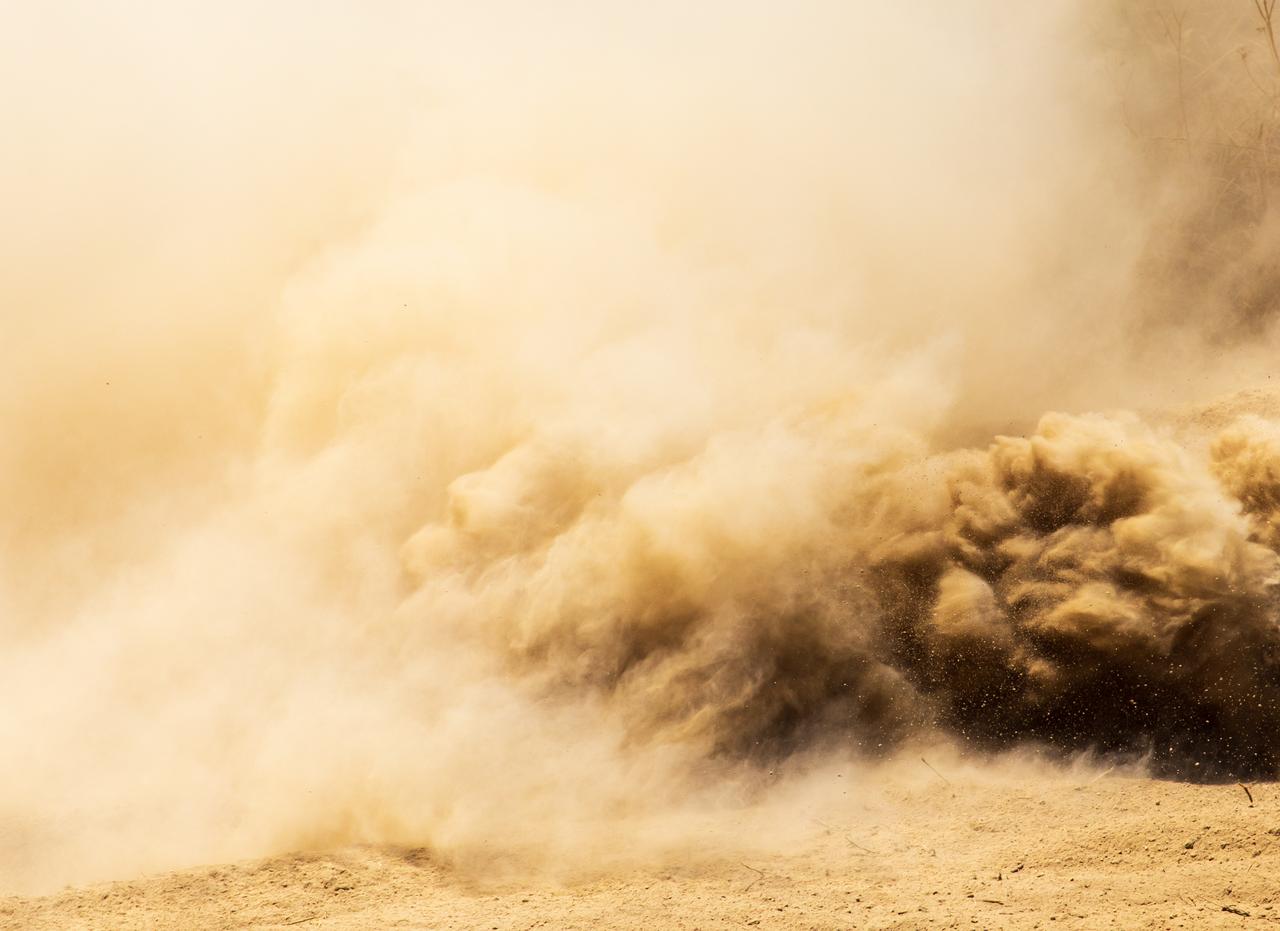

Professor Muzaffer Onur Turan from Izmir Katip Celebi University warned that sand and dust storms pose a major public health risk, carrying not only dust but also pollutants, bacteria, pollen, and fungal spores.
He explained that fine airborne dust particles, known as PM2.5, can be inhaled deep into the lungs and enter the bloodstream, increasing the risk of respiratory and cardiovascular diseases. Studies show higher rates of hospital admissions during dust storm events.
Turan noted that exposure can trigger asthma and chronic obstructive pulmonary disease (COPD) attacks and lead to conditions such as pneumonia, heart attacks, strokes, and eye and throat irritation. He added that infants, children, the elderly, and people with chronic illnesses are at the highest risk.
He advised avoiding outdoor exposure during dust storms, keeping windows closed, and using medical-grade N95 or FFP2 masks for protection.


 Set as preferred source
 Set as preferred source


 1 min read


 1 min read