Newsletters


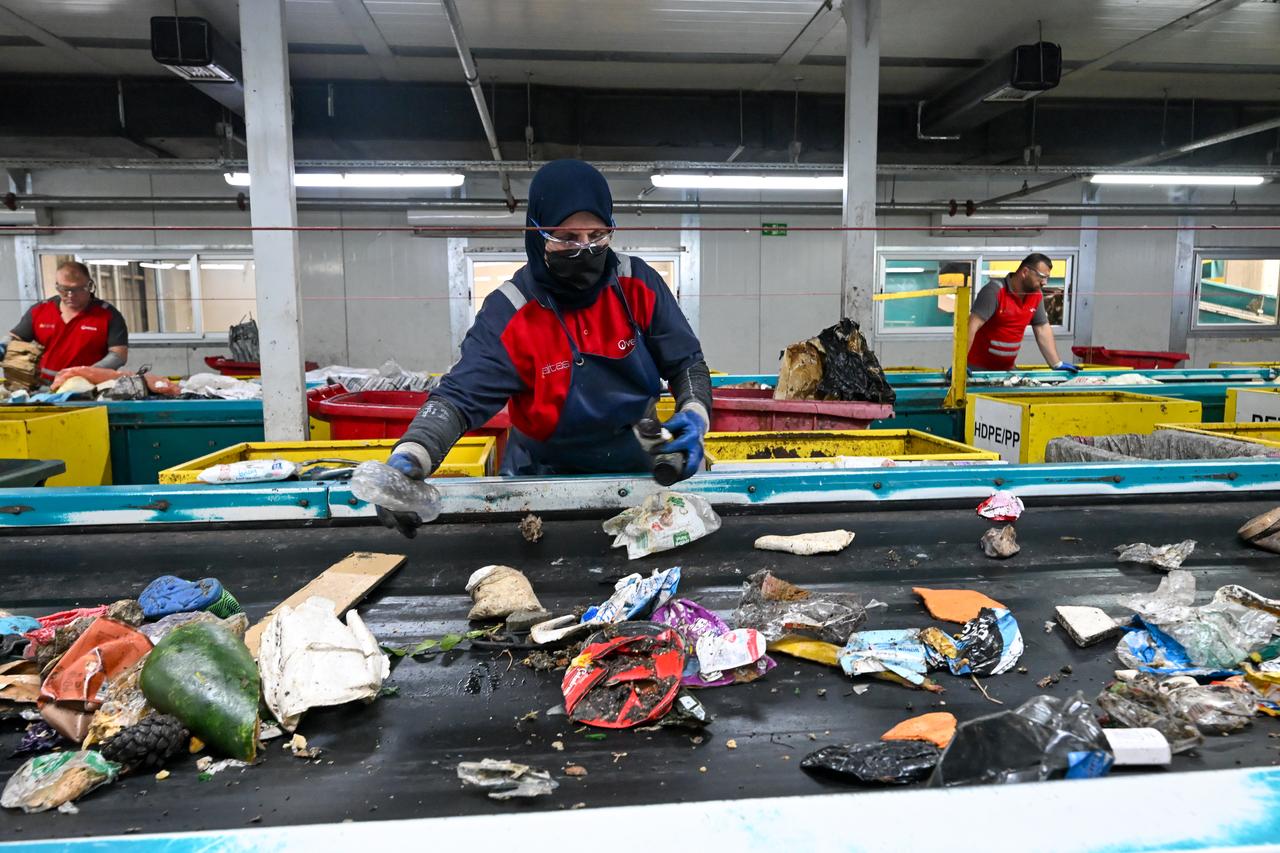


The Integrated Solid Waste Management Facility (EKAY), operated by the Canakkale Solid Waste Management Union (CAKAB), processes about 100,000 tons of waste each year, converting it into energy and alternative raw materials.
Household, packaging, and medical waste from the municipalities of Canakkale, Lapseki, Umurbey, Cardak, and Kepez, along with waste from 90 villages under the Provincial Special Administration, are collected at the source and taken to the EKAY facility in the Dolluktepe area of Kemel village.
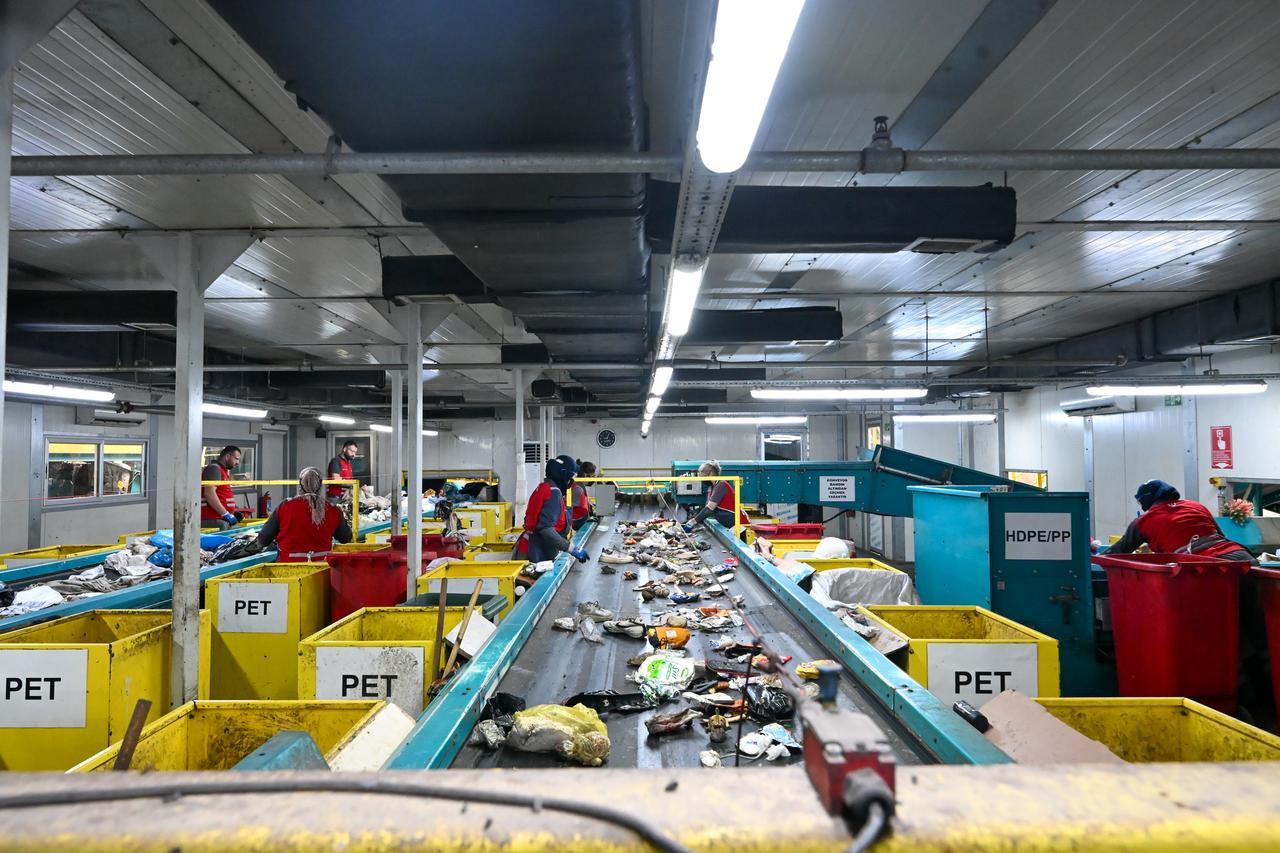
This facility is one of four licensed waste-derived fuel production plants in Türkiye with environmental certification. It also includes units for regular storage, mechanical separation, bio-drying, packaging waste collection and sorting, medical waste sterilization, leachate treatment, and biogas-to-electricity conversion.

CAKAB Director Aysun Kavcar told Anadolu Agency (AA) that the facility received its Environmental Permit and License Certificate from the Ministry of Environment, Urbanization, and Climate Change last year. This makes it one of Türkiye's licensed integrated facilities.
Kavcar, who is also Canakkale Municipality's Climate Change and Zero Waste Director, said the facility was started as part of a European Union-funded Waste Management Project. Canakkale Municipality applied to the EU in 2004, and the project was chosen from 260 applicants. Work took place between 2004 and 2009.
The investment, about 17.5 million euros ($19.2 million), was intended to cover the entire waste lifecycle, from generation to disposal, rather than just providing a storage site. Municipalities in the region formed a solid waste union to address local waste problems, and the Provincial Special Administration later joined.
Kavcar said that after 2019, major investments were made at the facility. These included adding mechanical-biological separation, waste-derived fuel production, bio-drying, gas-to-electricity generation, and leachate treatment units.
Leachate is treated using advanced technologies that comply with environmental regulations, Kavcar said. She added that the facility has finished all environmental permitting and licensing steps.
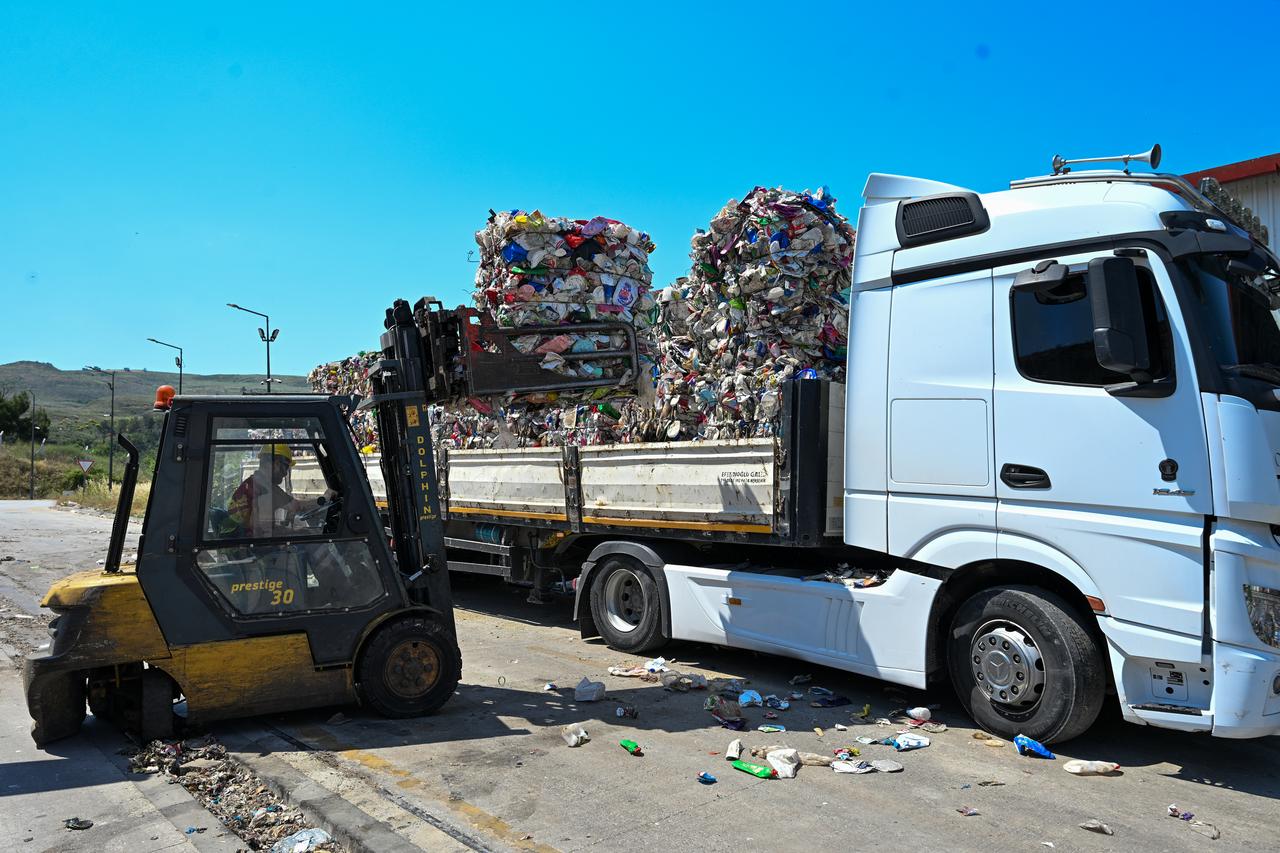
"Incoming waste is separated a second time at the mechanical-biological separation unit. Combustible waste passes through crushing systems and is sent to bio-drying halls. After the drying process, waste-derived fuel is obtained. This product is used as an alternative fuel and raw material in cement factories," Kavcar said.
The facility produces about 20,000 tons of waste-derived fuel each year, separates around 11,000 tons of packaging waste annually, and generates an average of 10,000 megawatt-hours of electricity per year from landfill gas. This is equal to the yearly electricity use of about 3,000 households.
The site also treats about 20,000 cubic meters of leachate each year.
Kavcar noted that the only medical waste sterilization facility in the province is run by CAKAB. It handles medical waste from across the province, except Gelibolu, for sterilization and disposal.
She added that waste has economic value and that if residents properly separate their waste, it would greatly help recycling and zero-waste goals.


 Set as preferred source
 Set as preferred source


 1 min read