Newsletters


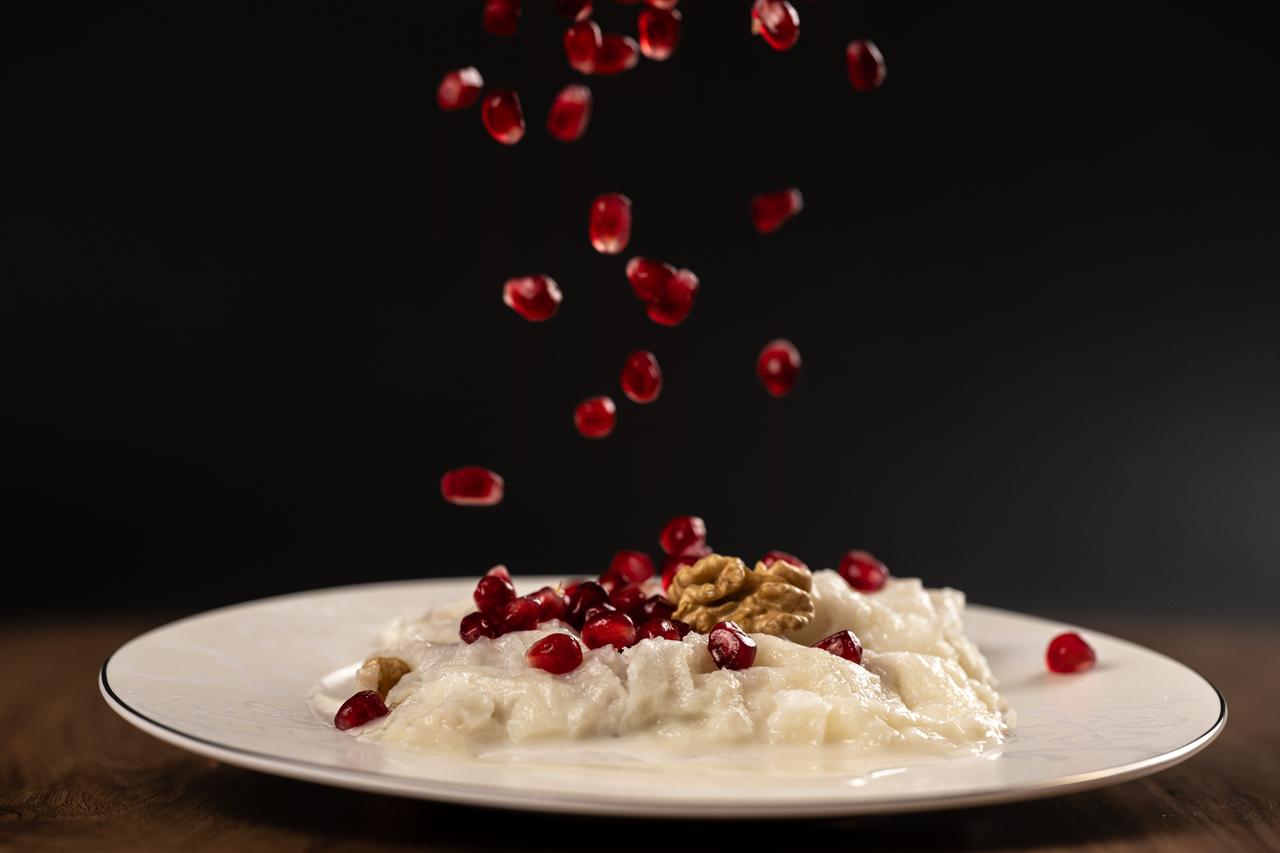


Gullac returns to tables as more than just a dessert, standing out as a symbol tied closely to the rhythm of Ramadan in Türkiye. The relationship between Ramadan and gullac is portrayed as inseparable, raising a familiar question: does gullac announce Ramadan, or does Ramadan bring gullac along with it?
Either way, the dessert gains meaning from its limited appearance, reinforcing the idea that some foods feel more special when they are waited for rather than consumed year-round.
For many, the desire to see gullac and Ramadan pita sold outside the fasting month has gradually given way to a different outlook. Waiting for a specific season, then finally sitting down to enjoy what has been missed, is described as adding emotional value to the experience. The act of anticipation becomes part of the flavor itself, shaping how the dessert is perceived once it returns.
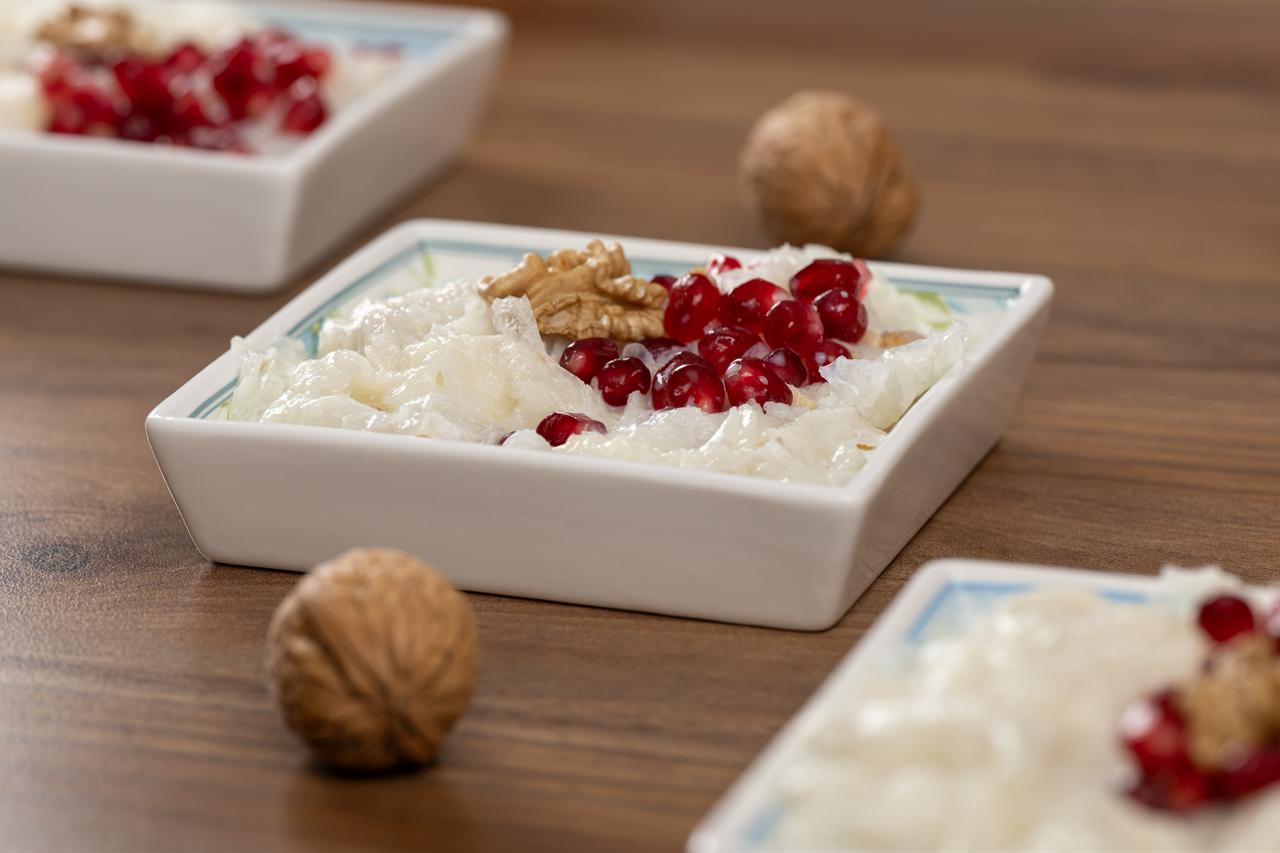

Gullac differs from many desserts because its leaves carry almost no flavor on their own. Instead, taste develops through sherbet, a flavored liquid that soaks into the layers. In this recipe, the sherbet is prepared with milk and enhanced with rose water, vanilla and mastic, a natural resin used in Mediterranean desserts for aroma.
Care is taken to balance these ingredients so none dominates the others. Each aroma is meant to remain subtle, allowing diners to notice different notes gradually as they eat, creating what is described as a sense of discovery with every bite.
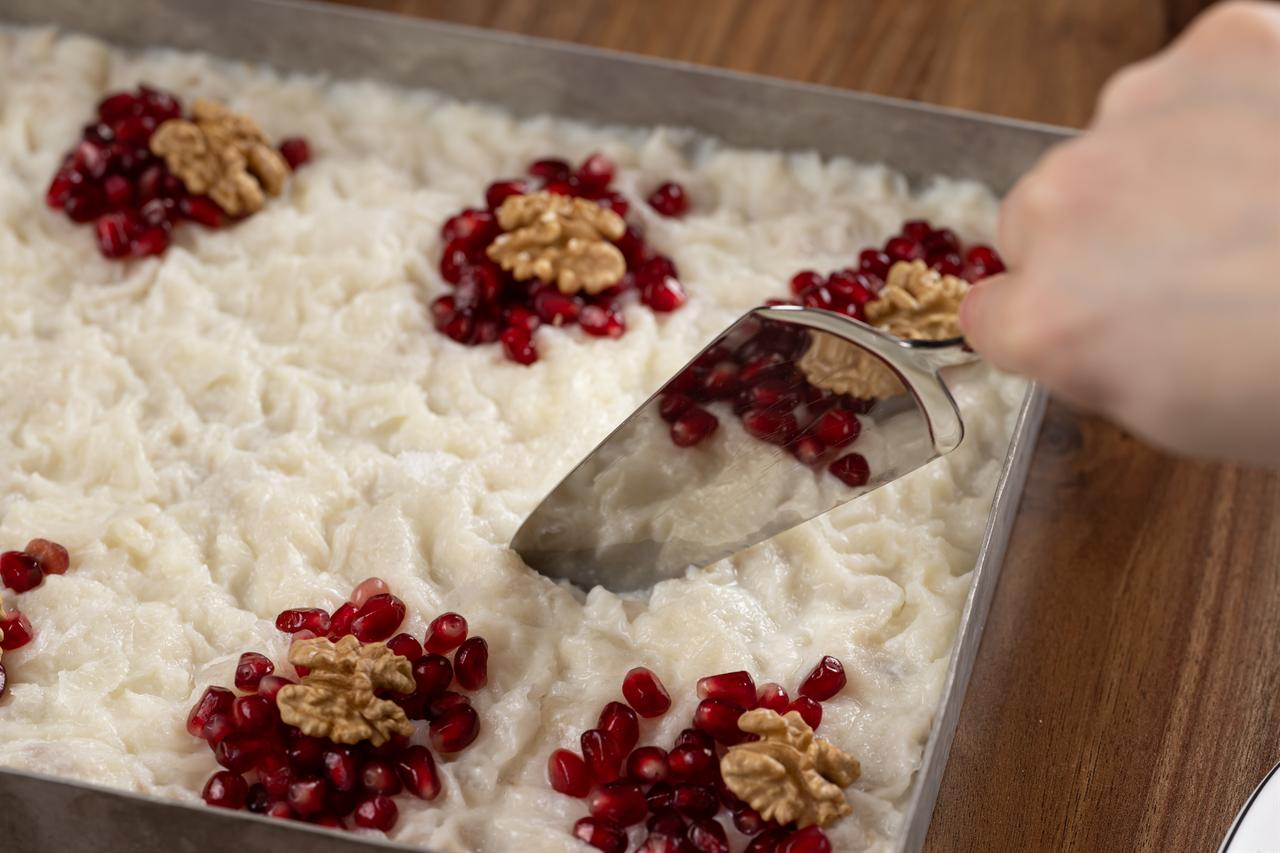
The recipe is presented for 6 servings and centers on layering broken gullac leaves in an oven dish, soaking each layer with warmed milk mixed with sugar, rose water, vanilla and crushed mastic, then adding a nut layer halfway through.
Ingredients
Preparation
Put the milk in a saucepan, then add sugar, rose water, vanilla and crushed, powdered mastic, and mix.
Heat on medium without letting it boil, taking it off the stove once steam starts to rise.
Break the leaves, arrange them in an oven dish, and ladle the milk mixture over each row.
After soaking half the leaves, sprinkle hazelnuts and almonds, then keep layering and soaking the remaining leaves the same way.
Pour the remaining milk over the top, cover, and let it rest for 30 minutes to 1 hour.
Serve with garnishes as preferred.
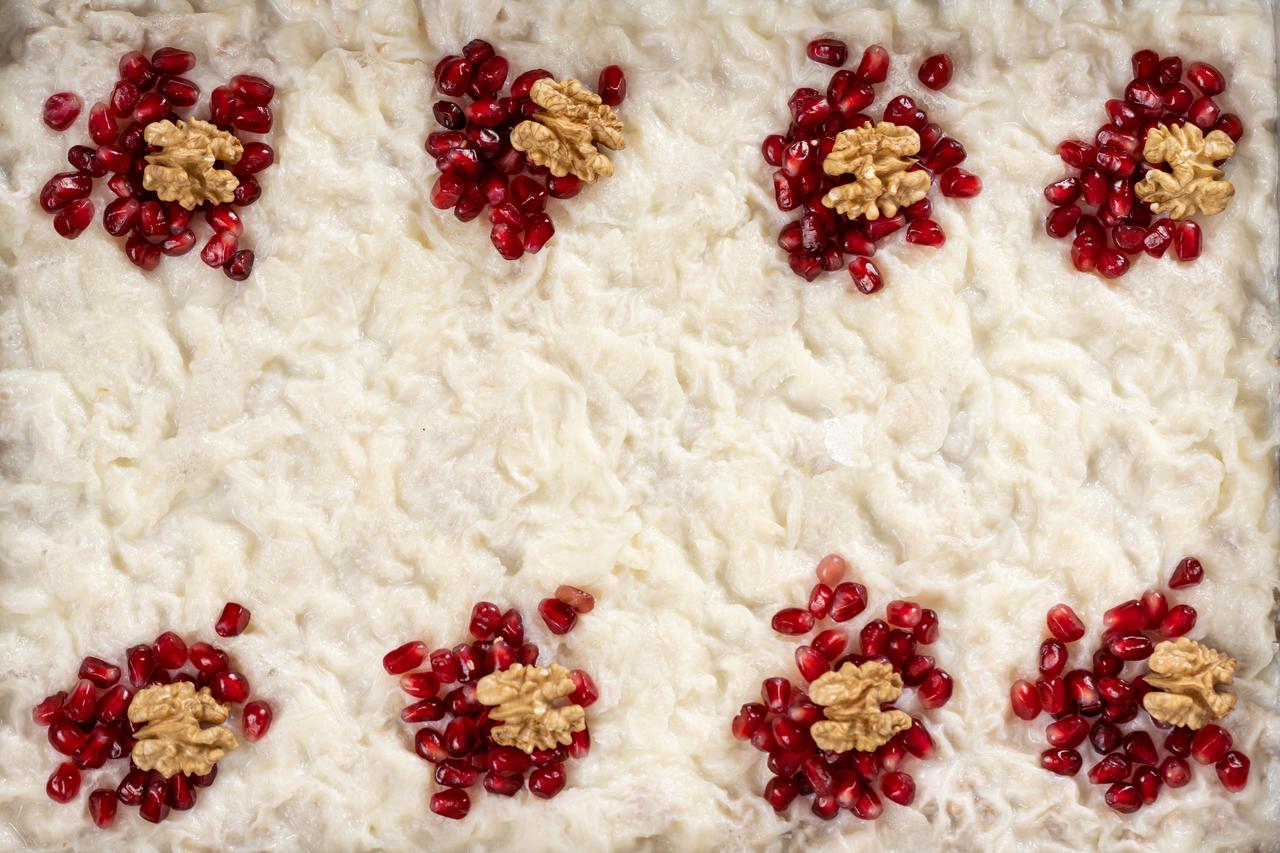
Texture plays a central role in how gullac turns out. The recipe emphasizes using only enough sherbet for the leaves to absorb fully, avoiding excess liquid collecting underneath the layers. A properly prepared slice should hold together without becoming overly soft or slurry-like.
Those who prefer a wetter consistency are encouraged to adjust the proportions by adding more milk or reducing the number of leaves, showing how small changes can shift the final texture without altering the core method.
Gullac leaves are neutral in taste, the recipe uses slightly more sugar than typical milk desserts. Lower sugar levels are said to make the dessert feel bland, though adjustments remain optional depending on personal preference. The balance between sweetness and aroma is presented as key to achieving the intended flavor.


 Set as preferred source
 Set as preferred source



 3 min read