Newsletters


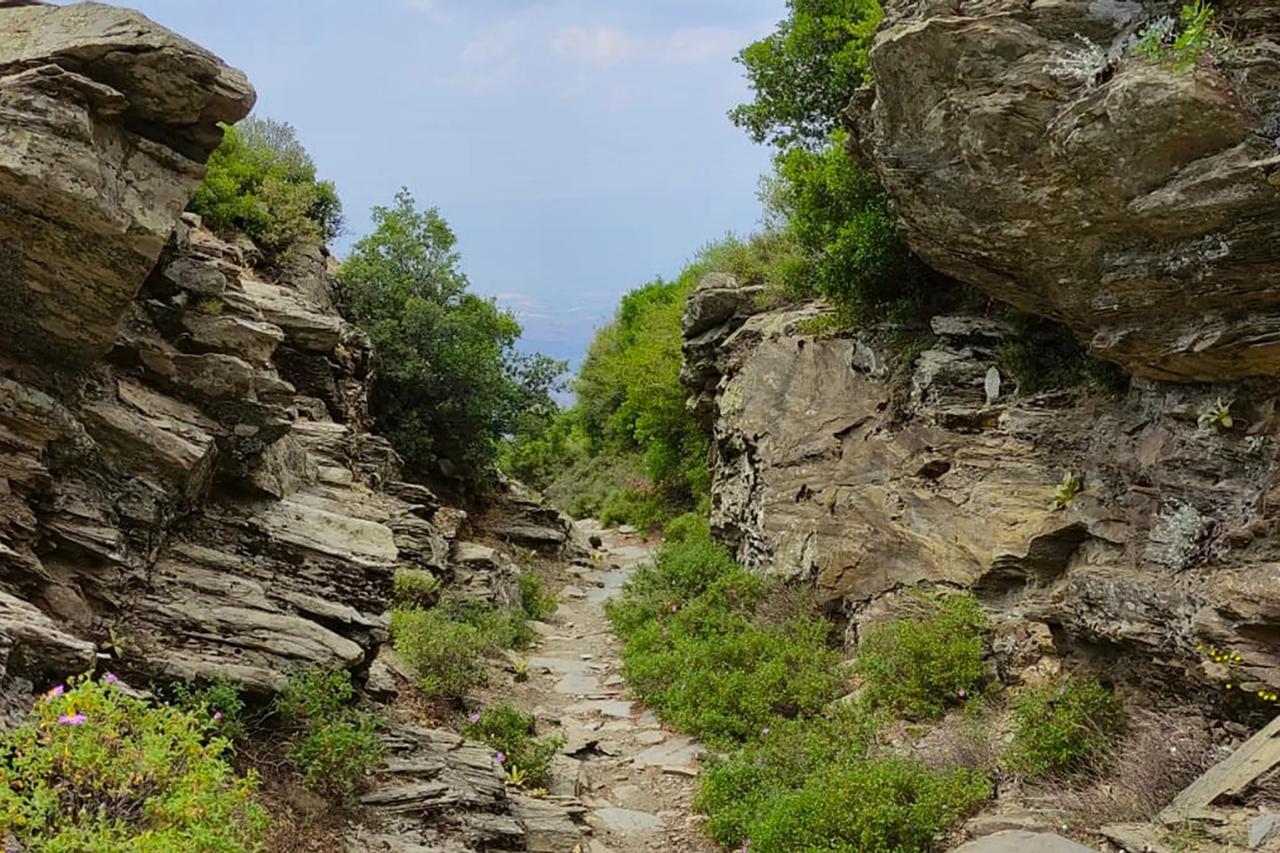


A long-distance hiking route stretching across western Türkiye is quietly gaining traction among international walkers, combining rugged Aegean landscapes with a route shaped by the country’s early 20th-century resistance history.
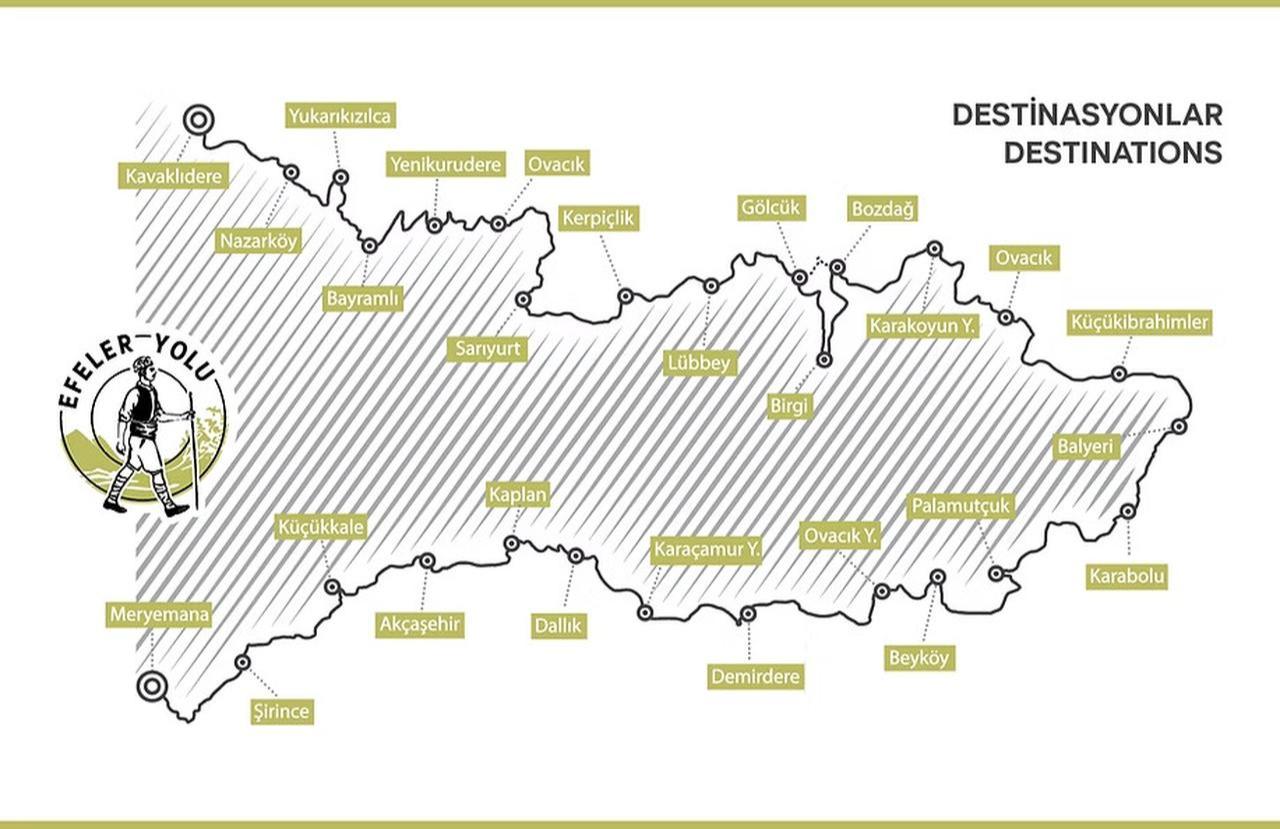
Known as the Efeler Way (Efeler Yolu), the marked trail runs for 513 kilometers from Bornova, an Izmir district, to the House of the Virgin Mary near Selcuk, crossing mountain ranges including Nif Mountain, the Bozdaglar, and the Aydin ranges.
The route, divided into 28 stages, offers a mix of highland plateaus, forest paths, and rural settlements, positioning it as both a nature trail and a cultural corridor through lesser-visited parts of the Aegean region.

The Efeler Way takes its name from the “efes,” local militia fighters who played a key role during Türkiye’s War of Independence.
Sections of the trail pass through areas once used as gathering points, supply routes, and headquarters by these fighters, embedding historical memory directly into the walking experience.
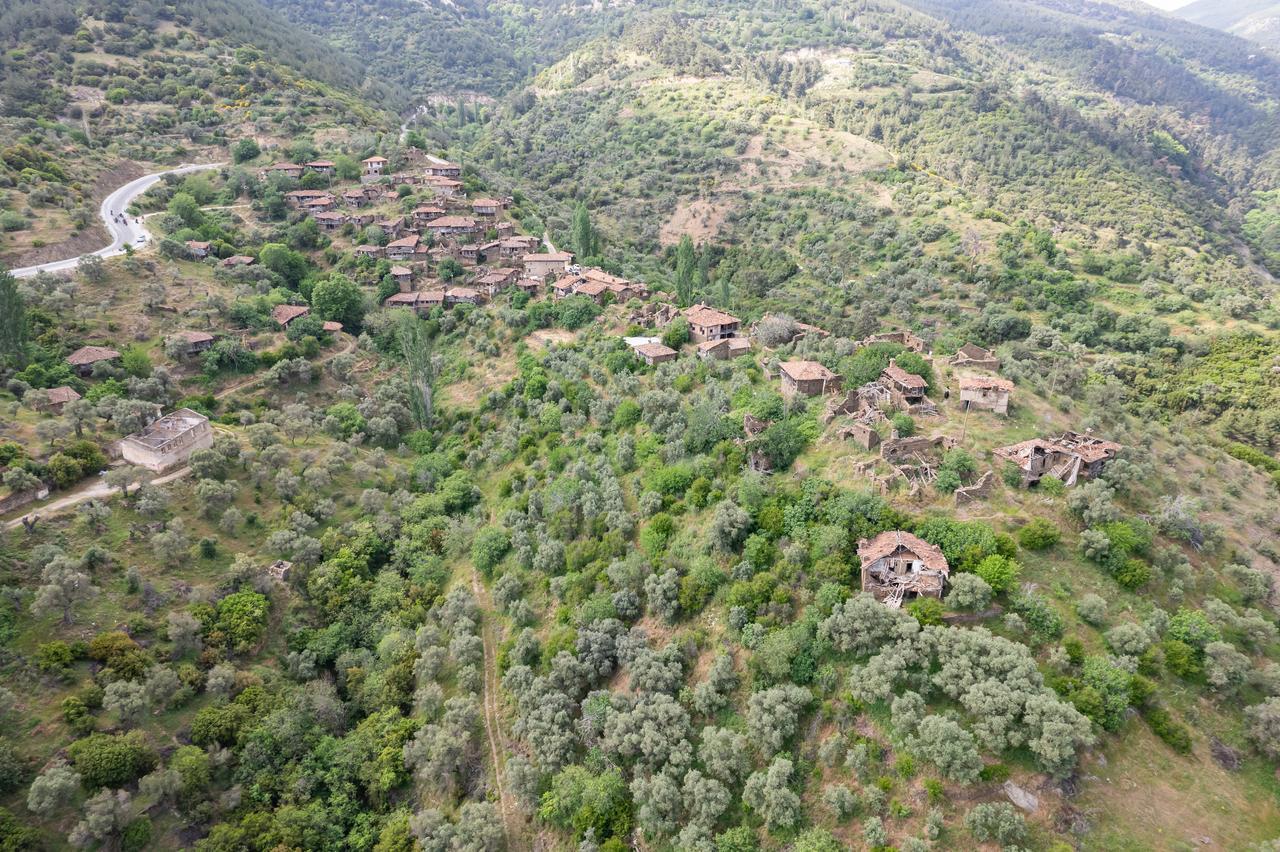
For visitors, this translates into a route that is not limited to scenery. Hikers move through mountain passes and villages where the legacy of the early republic period remains part of local identity, while also encountering traditional Aegean rural life that has largely remained outside mass tourism circuits.
Along the way, walkers pass through small villages, highland pastures, and historical sites, with the route designed to connect natural features with cultural heritage.
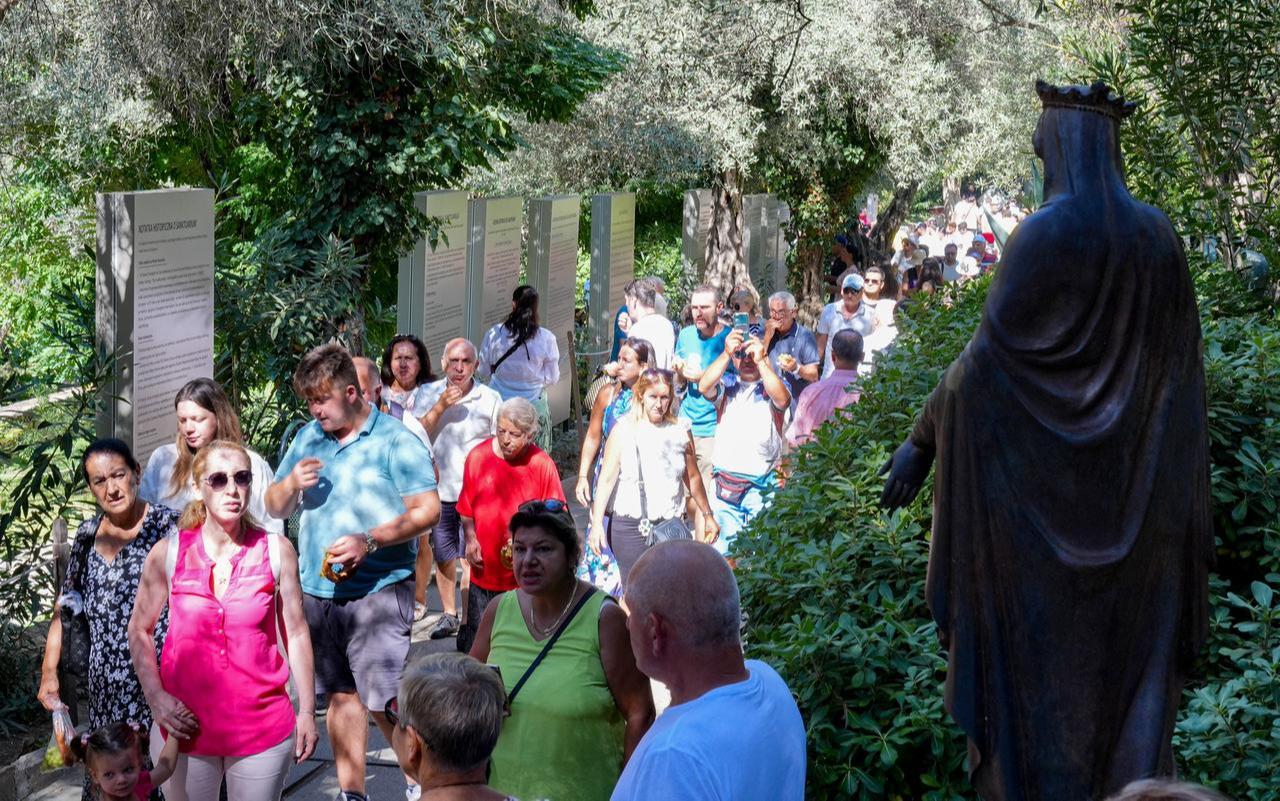
The endpoint at the House of the Virgin Mary, a major pilgrimage site near Ephesus, adds a religious dimension that broadens the trail’s appeal.
Opened in 2023 and later registered as an official ecotourism route by the Agriculture and Forestry Ministry, the Efeler Way has begun to attract both domestic and international hikers.
According to route coordinator Hakan As, interest has expanded beyond day hikers to include long-distance trekkers completing multiple stages or attempting the entire route.
“About 14 agencies organize tours on the Efeler Way,” As said, noting that four of them are international operators based in the Netherlands, the United States, and Germany. “In 2025, we observed a movement of around 6,000 hikers.”
The route has also introduced a structured system for long-distance walkers.
Those who complete all 28 stages receive a “passport” stamped along the way, with a gold seal awarded to those who finish the full trail.
So far, only 10 hikers have completed the entire route.
Rather than large-scale resort development, the Efeler Way reflects a different tourism approach, one centered on small settlements and local economies.
The increasing number of hikers has already begun to generate activity in villages along the route, where visitors rely on local accommodation, food, and services.
The expectation, according to local officials, is that this will encourage the gradual development of guesthouses, small restaurants, and local product sales without disrupting the character of the areas.
This model aligns with broader efforts to diversify tourism in Türkiye beyond coastal mass destinations, directing attention toward inland regions that combine historical depth with natural terrain.
With organized events such as the Efeler Way Ultra Trail race and gastronomy-focused programs also being introduced, the route is evolving into a multi-layered destination that appeals to hikers, cultural travelers, and those seeking slower, experience-based tourism.


 Set as preferred source
 Set as preferred source




 6 min read