Newsletters


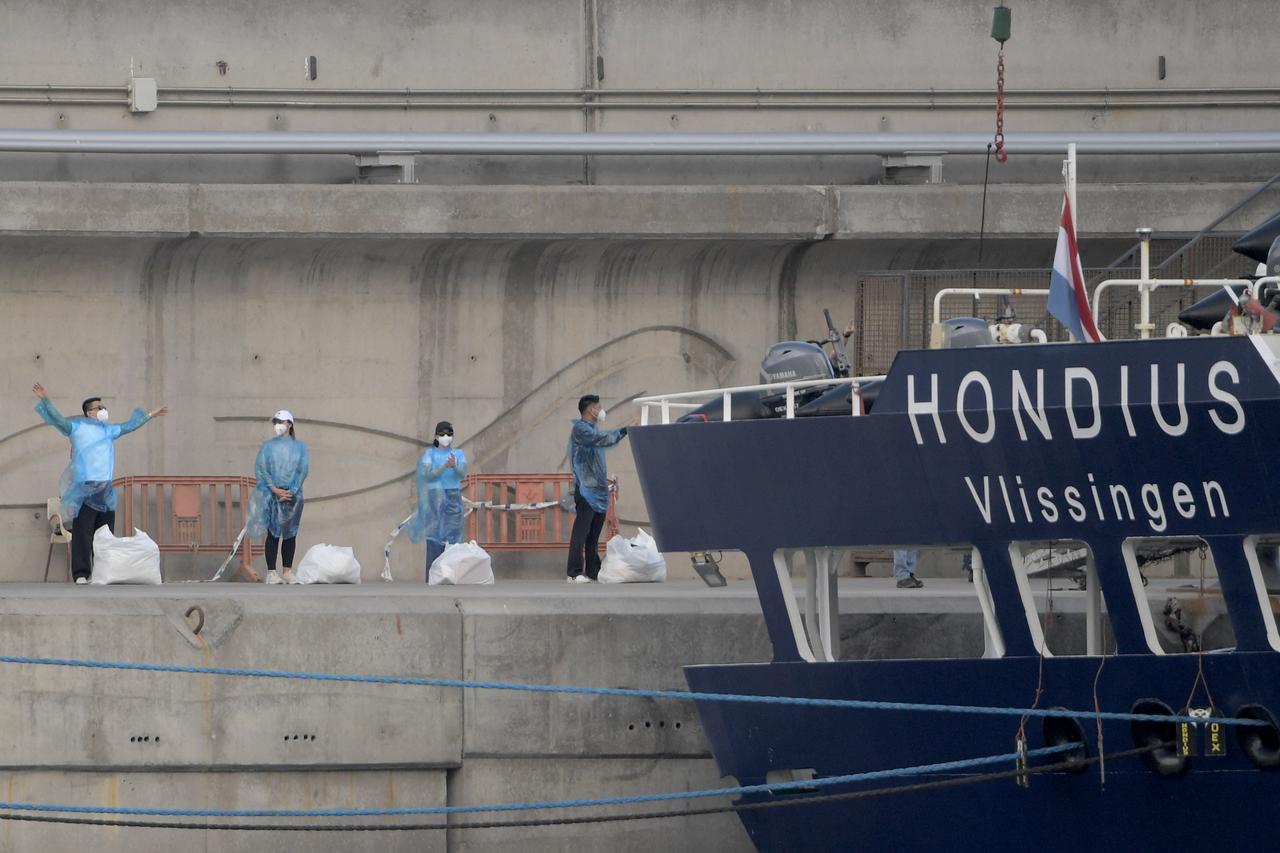


Final evacuations from a cruise ship struck by a deadly hantavirus outbreak docked unexpectedly at a small industrial port in Spain's Canary Islands on Monday after deteriorating weather halted offshore transfers, as newly confirmed cases among repatriated passengers deepened the international public health response.
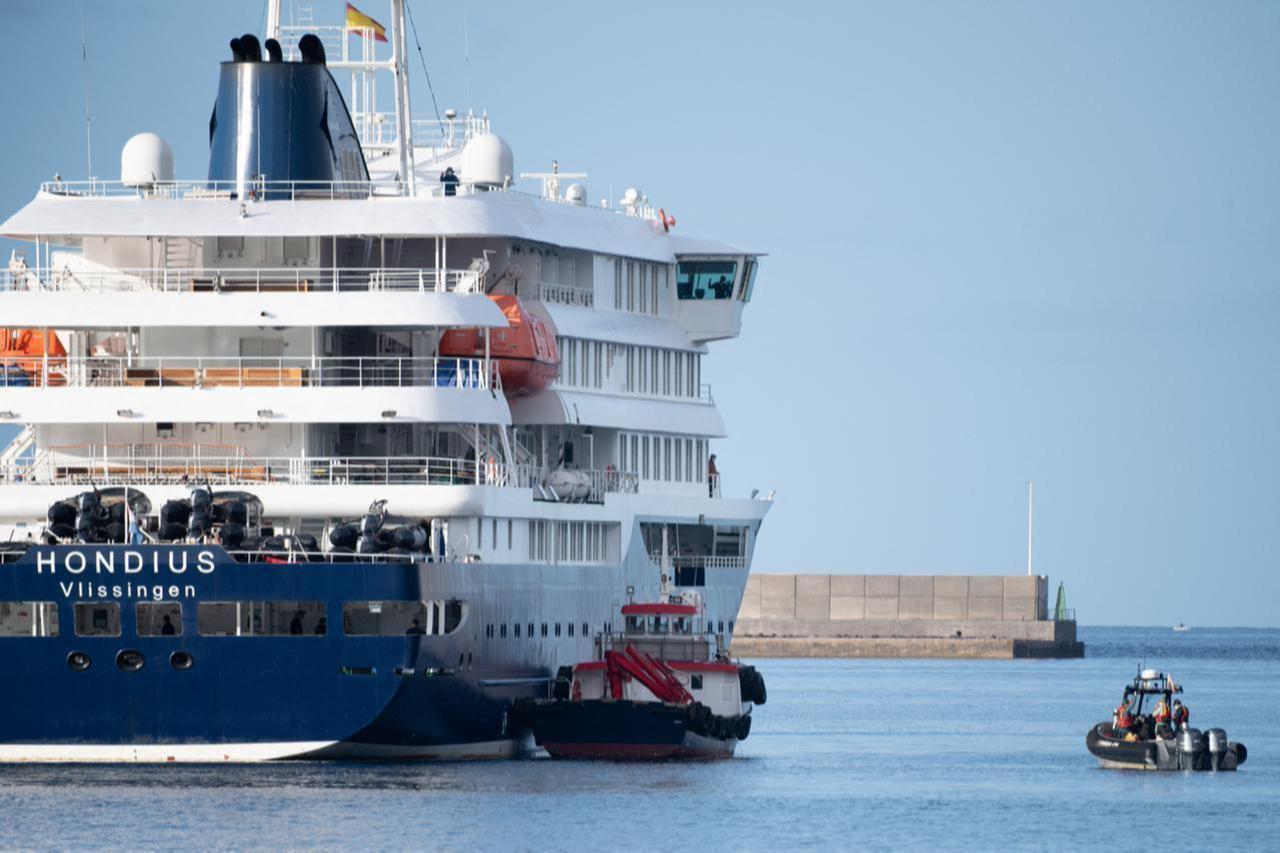
The MV Hondius, a Dutch-flagged expedition vessel operated by Oceanwide Expeditions, has become the centre of a global containment effort after three passengers died and a total of eight confirmed cases, plus two probable ones, were recorded across six nationalities.
Health authorities in France and the United States both confirmed new infections on Sunday among passengers who had already returned home, bringing the total picture into sharper focus for officials tracking potential transmission chains across multiple countries.
Spanish Health Minister Monica Garcia said 28 of the 54 remaining passengers were due to disembark Monday, with the other 26 set to remain aboard as the ship continued to the Netherlands. But after hours without an update, her ministry announced the harbour master had recommended docking "for weather-related reasons."
"The vessel will remain docked for the minimum amount of time necessary to ensure the safety of the passengers and members of the evacuation operation," the health ministry said, adding that the unplanned stopover would allow a quicker departure. The ship was scheduled to leave at 7:00 pm local time with a skeleton crew, though authorities acknowledged that timetable was unlikely to hold.
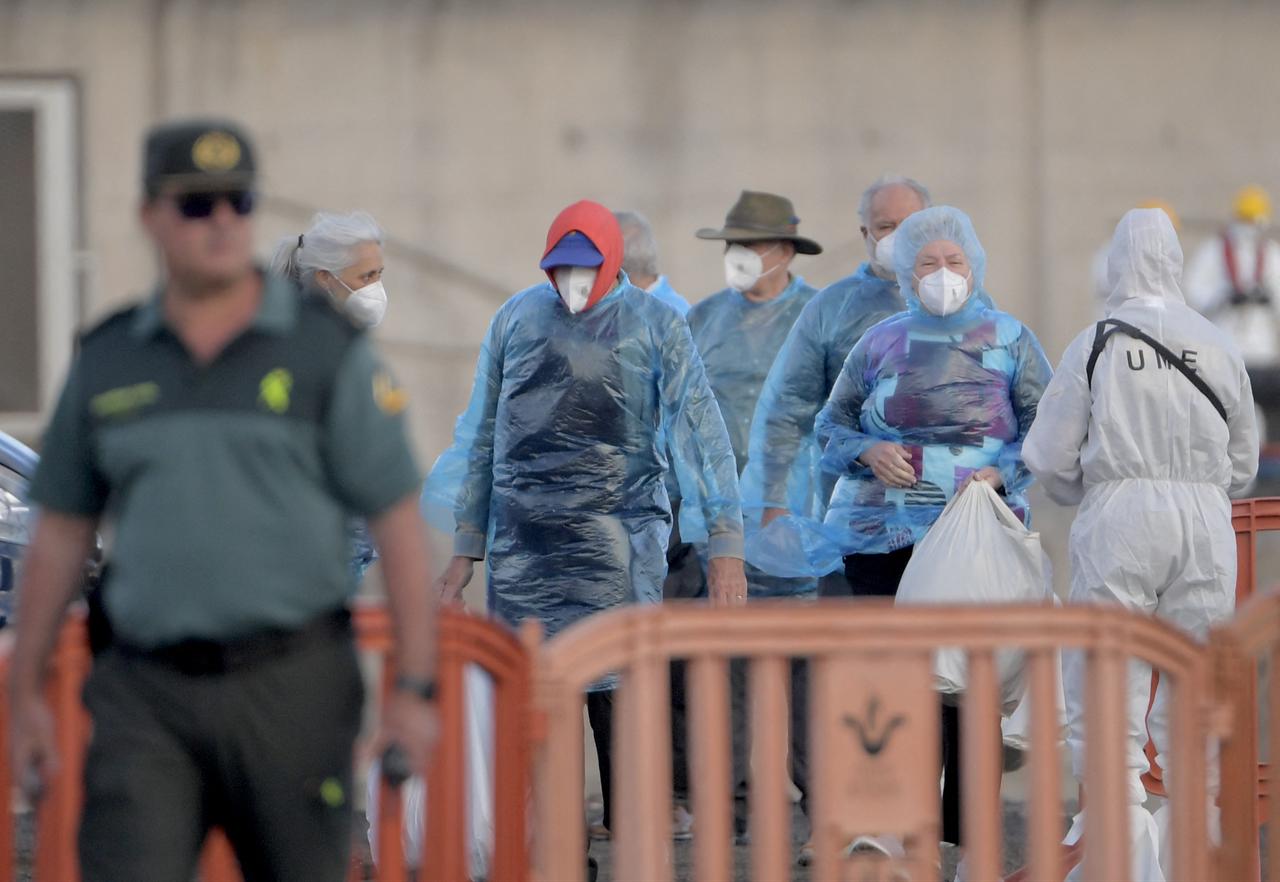

The fresh cases abroad underscored the complexity of containing a pathogen whose incubation period can stretch from one to eight weeks. A French woman, one of five evacuees placed in isolation in Paris, began feeling unwell Sunday night, and "tests came back positive,"
French Health Minister Stephanie Rist said. The US Department of Health and Human Services separately disclosed that one American evacuated from the ship had "mild symptoms" and that another had tested positive for the Andes virus, the only hantavirus strain known to spread between humans.
Both were transported to the University of Nebraska Medical Center in Omaha, a designated regional facility for high-risk infectious diseases.
Spain's health ministry pushed back against any suggestion the evacuations had been improperly managed, saying medical teams had escorted passengers from ship to airport under close supervision, following health checks at every stage.
"From the start, all the measures adopted have aimed at cutting the possible chains of transmission," the ministry said. The central government stressed there would be no contact between evacuees and the general population.
Hantaviruses are a family of pathogens typically carried by rodents and transmitted to humans through contact with infected urine, droppings, or saliva.
The Andes strain, identified in this outbreak, is the lone hantavirus documented to pass between people, though such transmission generally requires close or prolonged contact.
New World hantaviruses, including both the Andes and Sin Nombre strains, affect the lungs and carry a fatality rate of roughly 38 to 40 percent.
No approved vaccine or specific antiviral treatment exists anywhere in the world; physicians can offer only supportive care, such as mechanical ventilation or dialysis.
The World Health Organization believes the first infection occurred before the voyage began on April 1, when the Hondius departed Ushuaia, Argentina, for a transatlantic crossing to Cape Verde. The WHO has indicated that subsequent transmission occurred between humans aboard the vessel.
Argentine health officials have questioned whether Ushuaia was the point of origin, citing the virus's multi-week incubation period and other epidemiological factors.
A report published May 6 by Argentina's health ministry detailed the movements of the index case, a Dutch national who had undertaken a four-month road trip through Chile, Uruguay, and Argentina before embarking, returning from Uruguay just four days before the ship's departure.
Rodent trapping and testing along the traveller's route is ongoing.
 1 min read
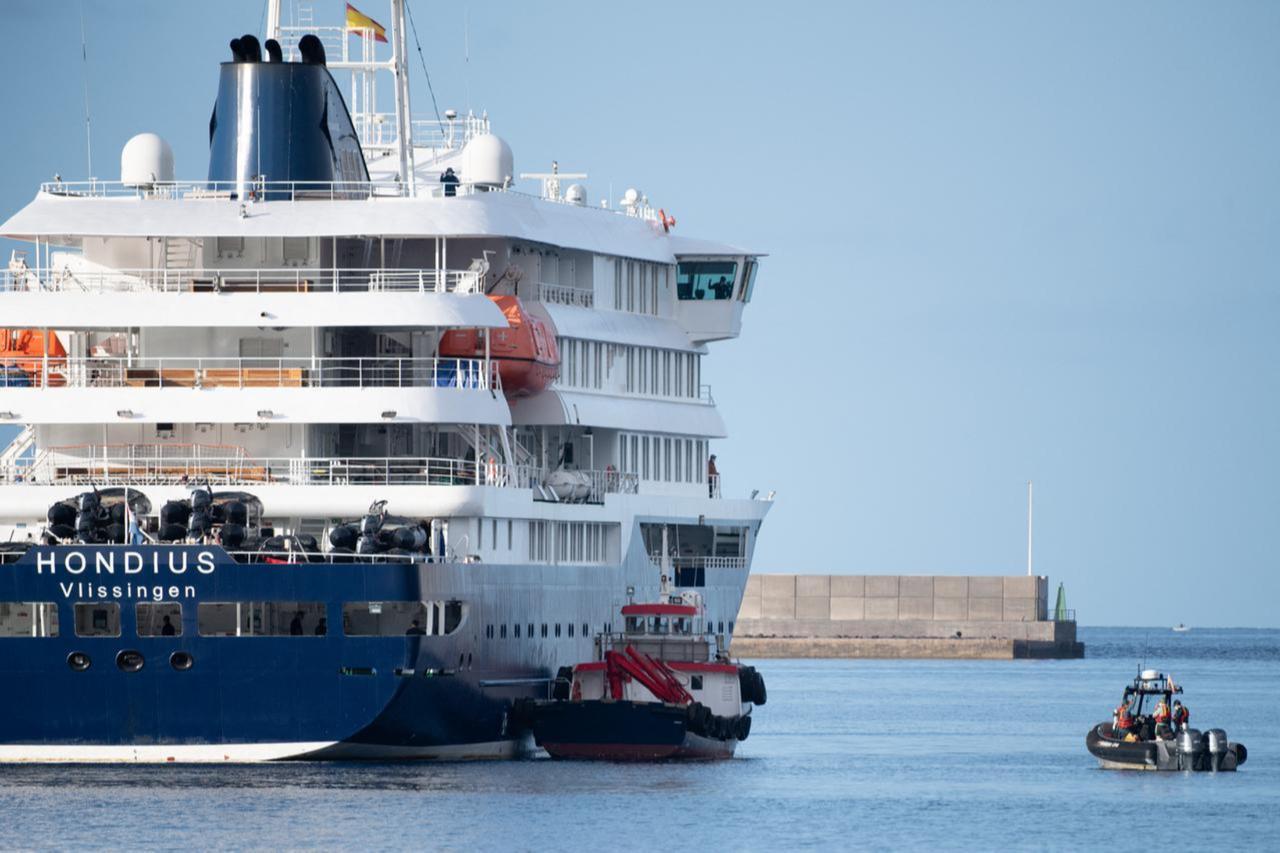
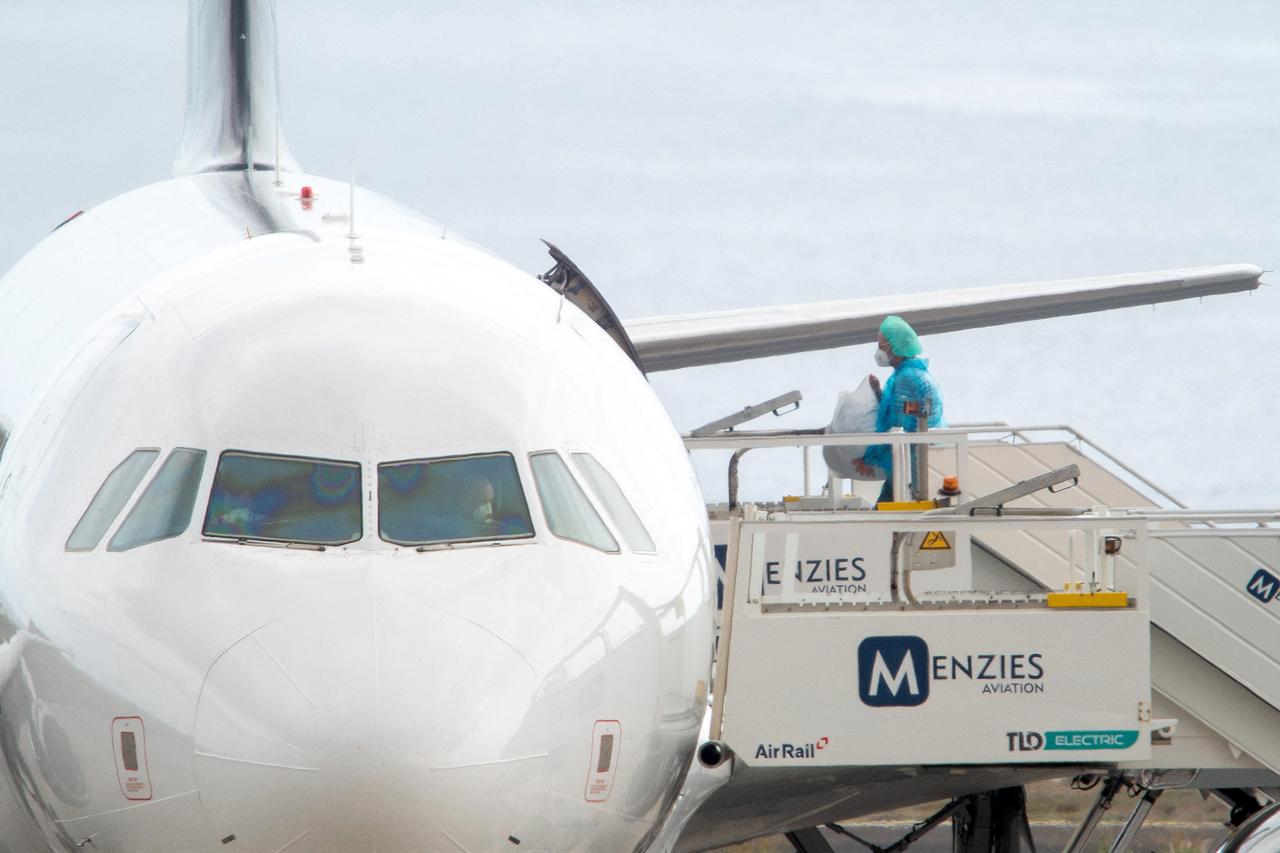
A complex multinational effort has flown out 94 people of 19 nationalities from the Hondius since Sunday, with passengers departing aboard military and government aircraft, met on arrival by emergency vehicles and health personnel in full-body protective gear.
The final evacuees, including Australians, a New Zealander, a Briton, and crew members, were to leave Tenerife on two flights to the Netherlands.
The Canary Islands regional government had resisted receiving the ship, with its president initially refusing to allow it to enter local waters, citing fears over public safety and potential damage to the islands' tourism-dependent economy.
The Spanish central government overruled that decision, citing international law and humanitarian obligations.
In a video shared Monday by Oceanwide Expeditions, captain Jan Dobrogowski paid tribute to the "unity and quiet strength" of everyone aboard and praised the "courage and selfless resolve" of the crew.
WHO Director-General Tedros Adhanom Ghebreyesus, meanwhile, sought to tamp down broader anxiety. "This is not another COVID," he said. "The risk to the public is low. They shouldn't be scared, and they shouldn't panic."


 Set as preferred source
 Set as preferred source



 1 min read