Newsletters


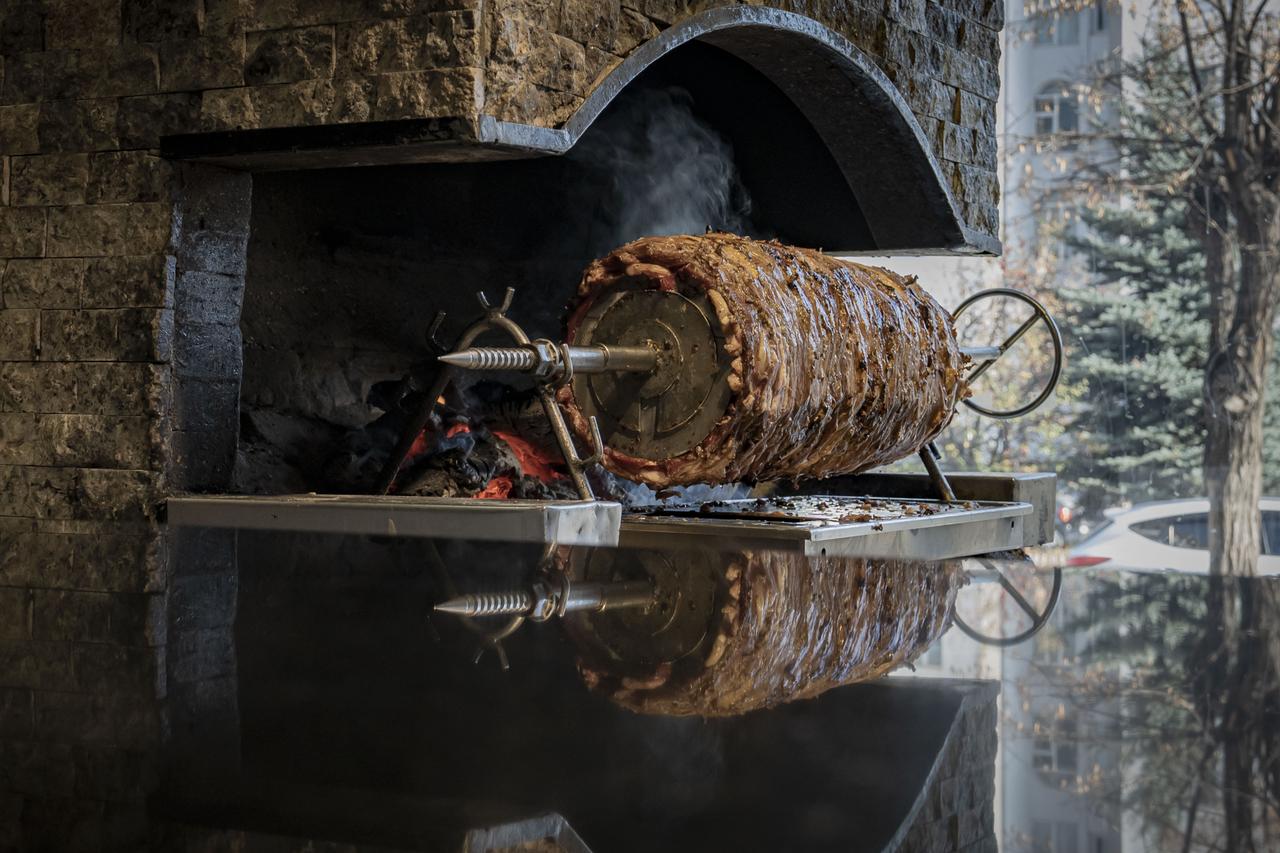


For the Turks, meat was never just food; it was a way of life. During their nomadic past, meat sustained not only the body but also long journeys and entire communities. Through techniques such as drying, roasting, curing, and fermenting, meat was preserved and transformed into a source of strength. With the discovery of fire, this journey of flavor entered daily life and became one of the cornerstones of Turkish culture.

Among the Turks living on the Asian steppes, meat stood at the very center of dietary habits. Given the geography and climate, horse and sheep meat were the most suitable sources of nourishment. Cooking methods and ways of consumption, therefore, carried particular importance.
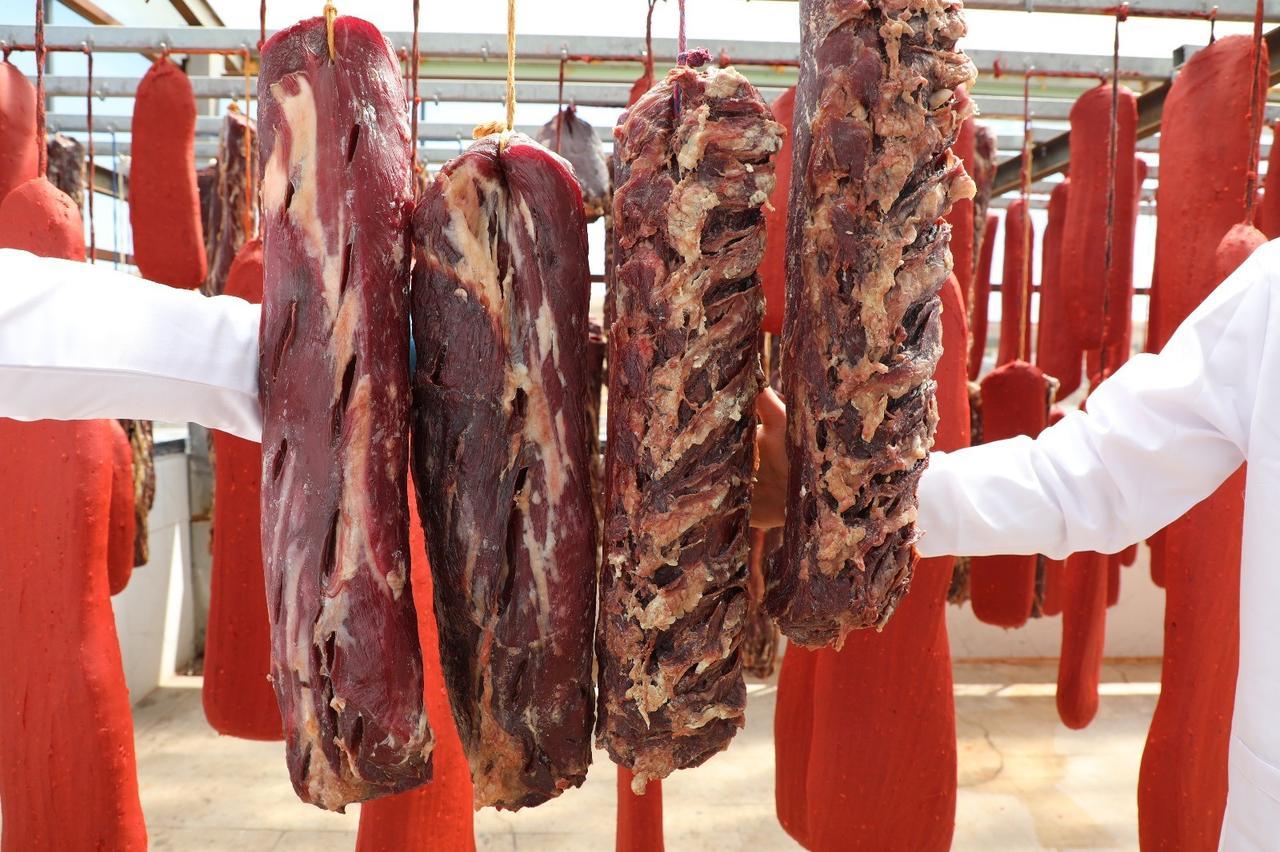
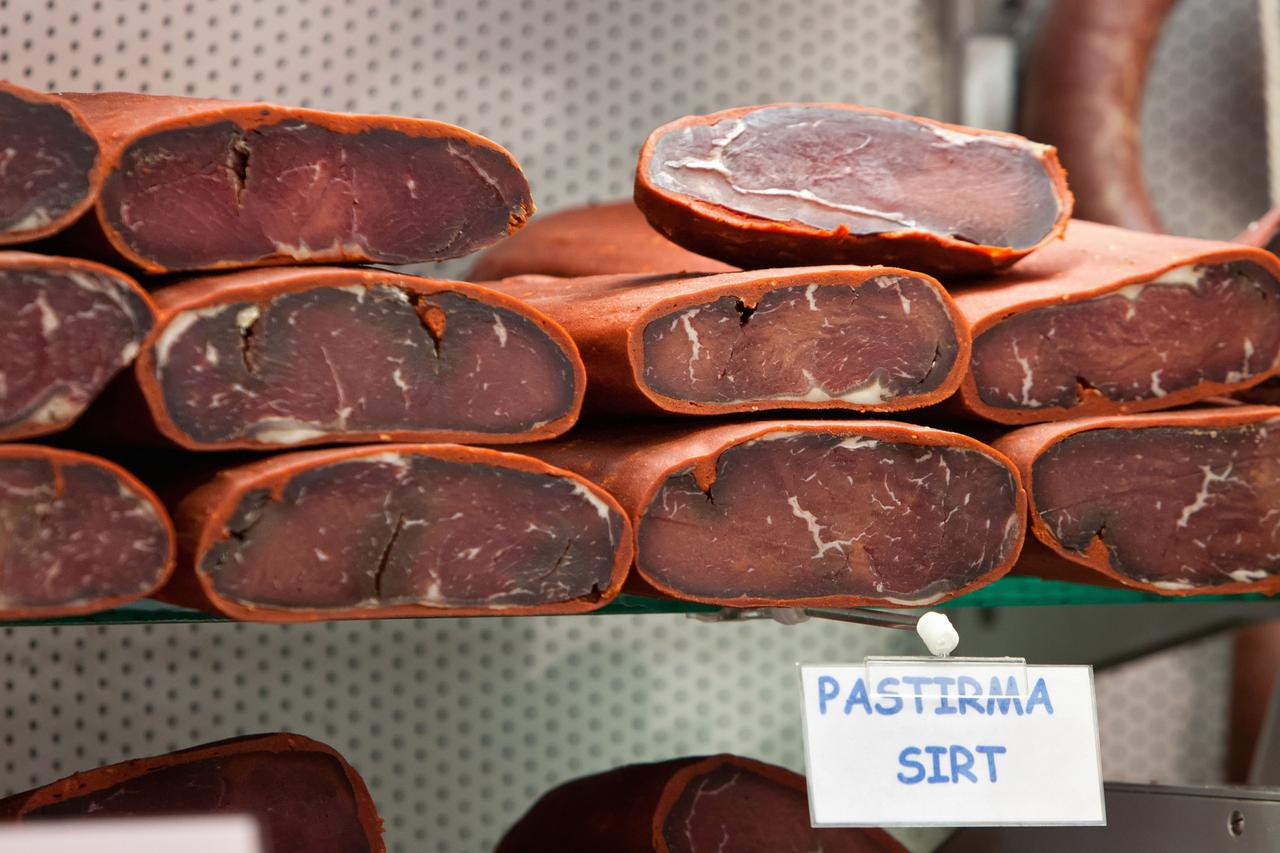
One of the greatest challenges for steppe societies was preserving meat. To overcome this, nomadic Turks became highly advanced in preservation techniques, including curing, fermentation, and various cooking methods. Drying meat, making kavurma, and preserving it as pastirma or Turkish sausage (sucuk) were among the most common practices.
These techniques made long-distance migrations possible, as preserved meat ensured survival on extended journeys. The majority of food consumed by early Turks came from animal husbandry, which formed the backbone of their economy.
They carefully selected animals for slaughter: stallions from horses, male camels, rams from sheep, and bucks from goats. The primary aim was to ensure the continuation of reproduction, which is why male animals were preferred. Meat was consumed fresh or preserved through various methods for later use.
To understand the journey of meat, we must go far back in time. When discussing national cuisines, geography, plant and animal diversity, regional distribution, cultural structures, and neighboring societies cannot be ignored. These factors shape every product that reaches the table.
The journey of food from distant lands, fields, pastures, hearths, tandoors, ovens, and kitchens to dining tables is a fascinating one. Eating meat played a crucial role in human brain development, although it was not the sole factor. Environmental and social conditions also mattered. The relationship between humans and meat evolved dramatically from prehistoric times to the present, driven by one key factor: fire.
Fire provided light, warmth, and protection from predators. Yet its greatest contribution to human development was cooking. Although the exact moment humans first learned to cook is unknown, archaeological sites such as Chesowanja and Koobi Fora in East Africa reveal fired clay fragments associated with campfires dating back 1.4 million years. Some paleontologists argue that the earliest evidence of controlled fire comes from the Bnot Yaakov Bridge site in Israel, dated to around 790,000 years ago.
Fire and cooking marked a profound turning point in human history.

Hunting and cooking transformed social interaction and laid the foundation for human civilization. Humans no longer searched for food alone. Throughout humanity’s long struggle for survival, food has always been the most basic need. Cave paintings depicting animals stand as undeniable evidence of this reality.
Looking at history, the transformation of food production occurred within a relatively short period. Early Turks referred to dried meat stuffed into intestines and preserved as a cooked product as sucuk. In some regions, sucuk was made from finely chopped meat cooked with rice and flour, while in others it included brain, tail fat, and blood.
Pastirma, or cured meat, was another highly valued food. Soldiers going on campaigns relied on it because it did not spoil. Turks distinguished meat products by season, often preferring pastirma made in autumn over fresh meat in spring, when animals were weaker. Kavurma was also widely consumed, prepared for winter using both domesticated and hunted animals.

From their earliest appearance on the stage of history, Turks placed great importance on nutrition. Food played a central role in social life. This concern was so fundamental that Turkish rulers considered it a primary duty to ensure their people were neither hungry nor unclothed.
Milk and meat formed the core of Turkish dietary culture, and various animal-based products served as staple foods. While Turks may not have discovered every meat or dairy product, their contribution to meat culture is undeniably significant.
Nomadic societies, dependent on animal husbandry, became experts at utilizing every part of the animal. The natural conditions of Anatolia offer remarkable diversity, from sheep and cattle to poultry and game birds. Each region possesses these ingredients to varying degrees, yet each applies its own distinctive culinary approach.
These differences reflect human adaptation to environmental conditions, while nature itself provides Anatolia with products of diverse character.
Ingredients
Preparation
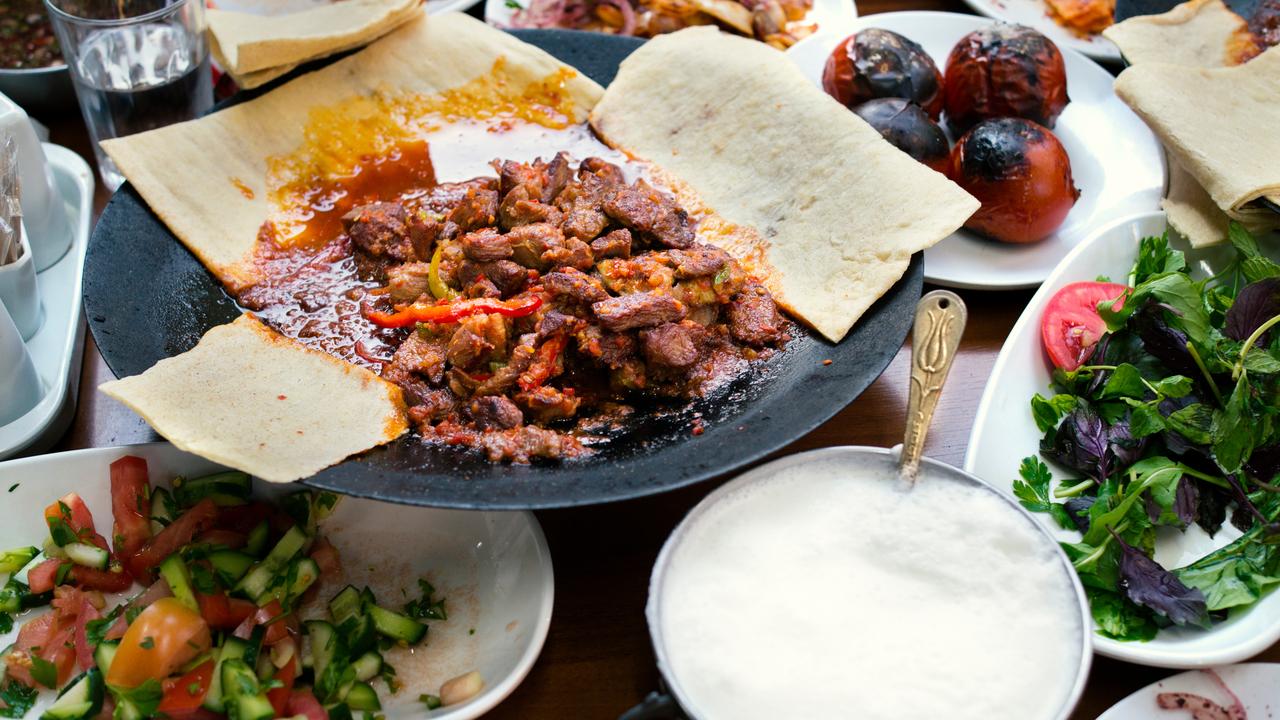
Heat vegetable oil and butter in a pan. Add roughly chopped onions and saute. Add chopped peppers and continue cooking. Add cubed beef and stir. Add tomatoes and pepper paste, then season. Cook over high heat until tomatoes release their juice, then simmer over low heat until tender. Serve hot.
Ingredients
Preparation
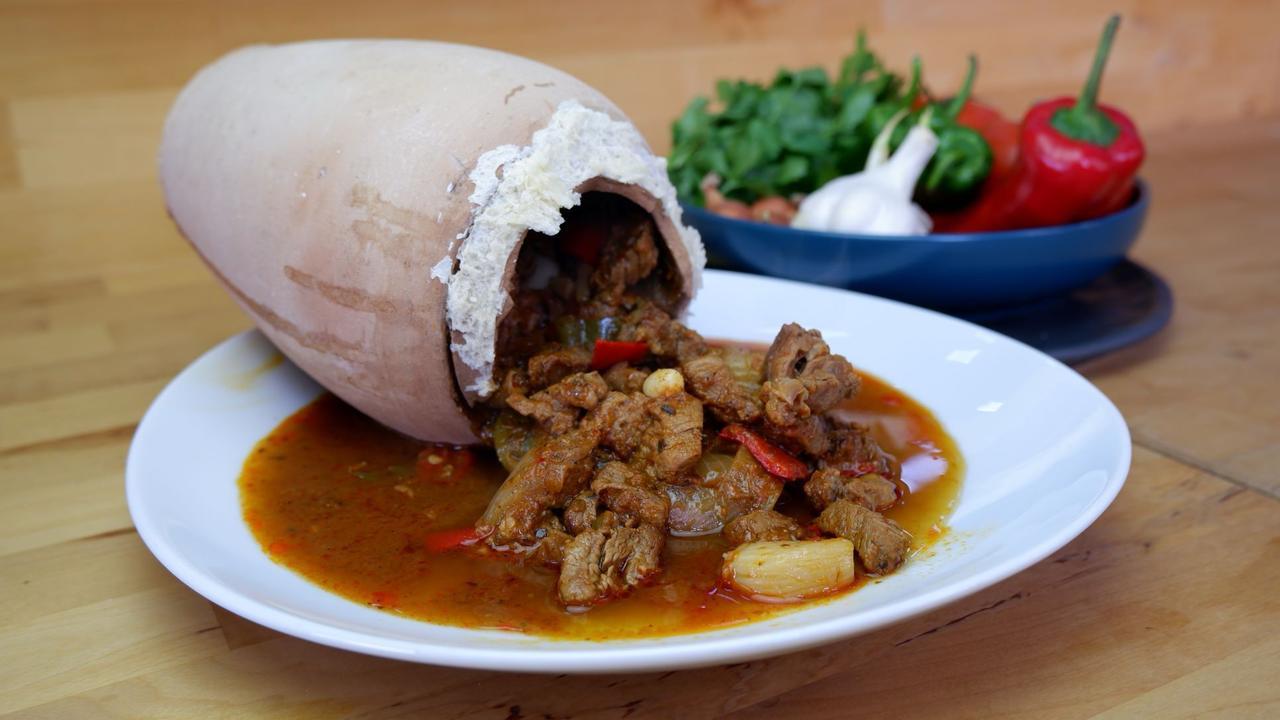
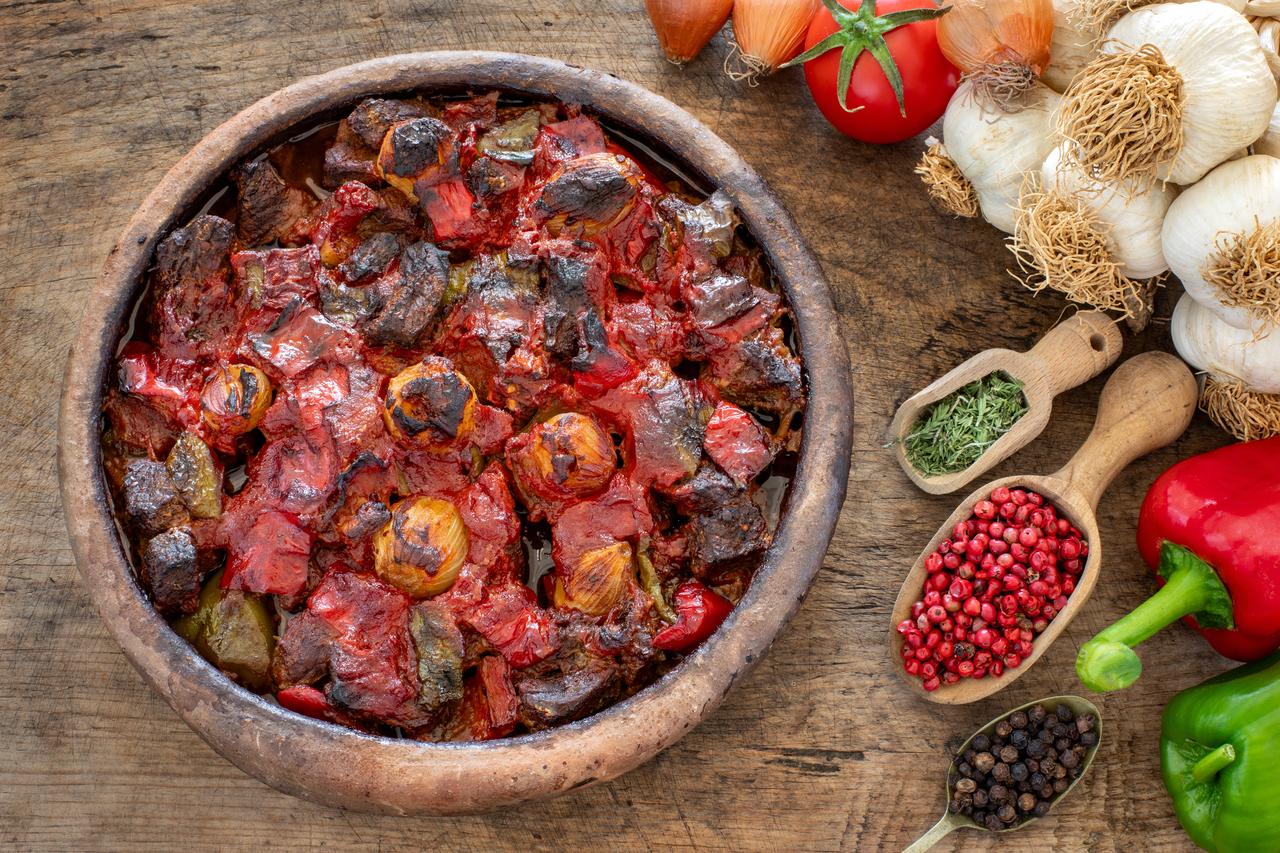
Soak eggplants in salted water, then fry lightly. Prepare vegetables and mix all ingredients with meat, seasoning, and water in a clay pot. Add butter and sour grapes. Cover tightly and bake at 220°C for about one hour, checking occasionally.

Ingredients
For the meat saute:
For the eggplants:
Preparation
Roast eggplants in the oven, peel, and chop finely. Saute beef until it releases and reabsorbs its juices, then add vegetables, paste, tomatoes, seasoning, and water. Spread eggplants in a clay dish, drizzle with oil and salt, top with meat mixture, and bake at 190°C for about 30 minutes.


 Set as preferred source
 Set as preferred source


 1 min read
 1 min read