

 Newsletters


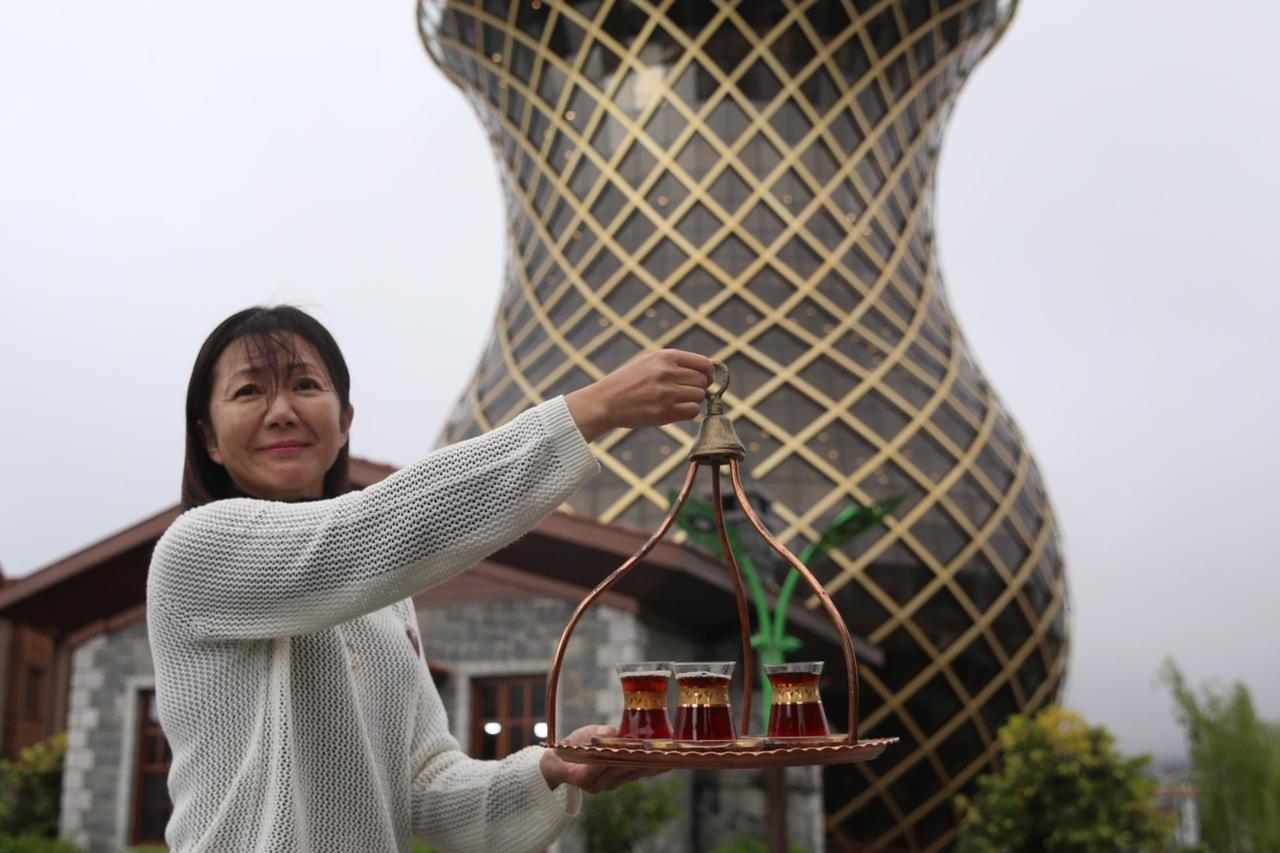


Tea may feel like one of Türkiye’s oldest traditions, but the drink that now fills tulip-shaped glasses across the country became central to daily life through war, shortages and state-led agricultural planning rather than ancient custom.
Although many people see tea as an inherited part of Turkish hospitality, historian Esra Ansel Derinbay told Anadolu Agency that tea played no major role in everyday Ottoman life until the late 19th century. Before then, it was mostly known among elites who had contact with embassies, European envoys and diplomats.
That changed as foreign demand began to reshape Istanbul’s consumer habits. During the Crimean War of 1853-1856, large numbers of British and French soldiers, along with their families, arrived in Istanbul and helped create a new market for tea.
“That started demand for tea in the Ottoman market. The demand really gave rise to the Ottoman tea trade,” Derinbay said.
Before tea became widespread, limited supplies reached Ottoman markets through Russian traders who sourced it from China. After the Crimean War, Britain became the dominant supplier, while the Ottoman palace and government began looking into whether tea could be grown locally.
Derinbay said experiments were carried out during the reigns of Sultan Abdulaziz and Sultan Abdulhamid II, with seeds and saplings imported from Japan and planted in experimental gardens and agricultural schools. Trials in Edirne, Bursa and Adana failed because of unsuitable climate conditions.
By the late Ottoman period, officials had started to recognize that the Eastern Black Sea region resembled Batum in Georgia, where tea cultivation had already taken hold under Russian rule. However, World War I interrupted these early plans.
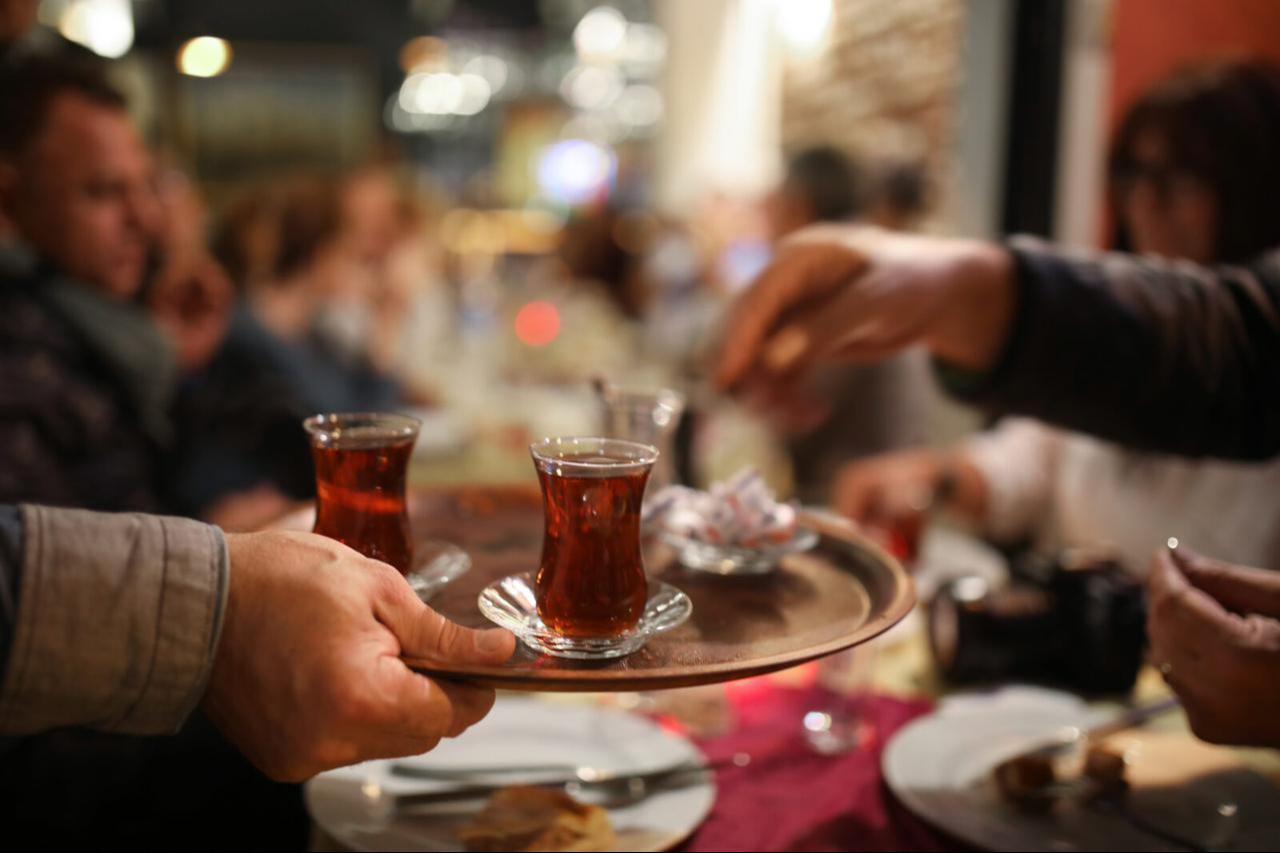

Tea’s real rise came after the founding of the Republic of Türkiye, especially as coffee became harder to obtain. Derinbay said the loss of Yemen in 1918 and later disruptions to coffee routes, particularly after World War II, created repeated supply problems.
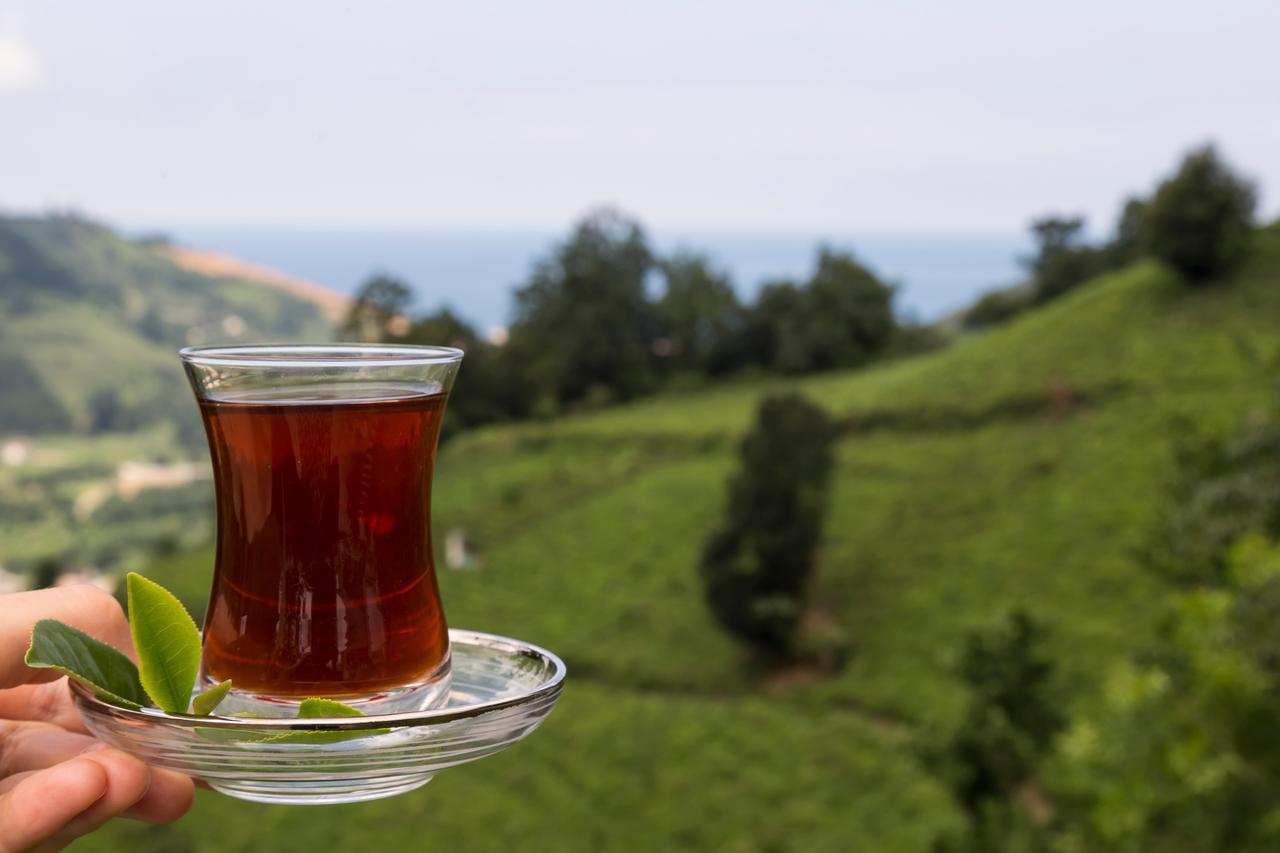
At the same time, the young republic wanted to reduce dependence on imports and keep the money spent on foreign goods inside the country. Tea stood out because it could be grown domestically and because the mountainous Eastern Black Sea region, especially Rize, needed a stronger economic base.
Derinbay said tea was “economically viable and accessible” across society, from the lowest income groups to the upper classes. Yet locals were not immediately convinced. In the 1920s, many people resisted planting tea because they did not see its economic value and knew they could not eat the leaves.
For 71-year-old Vesile Karakas, one of Rize’s early tea growers, the shift changed village life completely.
“Before tea, there was corn, hazelnuts, fruit, etc. But once tea arrived, we abandoned all of that. We turned entirely to tea,” she said.
Her family had previously relied on livestock as a safety net, selling animals when money was tight. Once they planted tea, that system disappeared.
“We got rid of all our animals. Tea brought real comfort to our lives,” Karakas said.
According to Derinbay, officials, including Zihni Derin and Asim Zihnioglu went from village to village in the late 1930s to persuade local communities to take up tea farming. Their efforts began to pay off in the late 1930s and 1940s, and the first state tea company opened in 1947. Production then expanded through the 1950s and beyond.
Today, tea farming supports about 209,000 farmers across the Eastern Black Sea region, nearly all of them small family producers, according to Türkiye’s Ministry of Agriculture and Forestry. In 2024, Türkiye produced around 1.4 million tons of fresh tea leaves, most of it for domestic consumption.
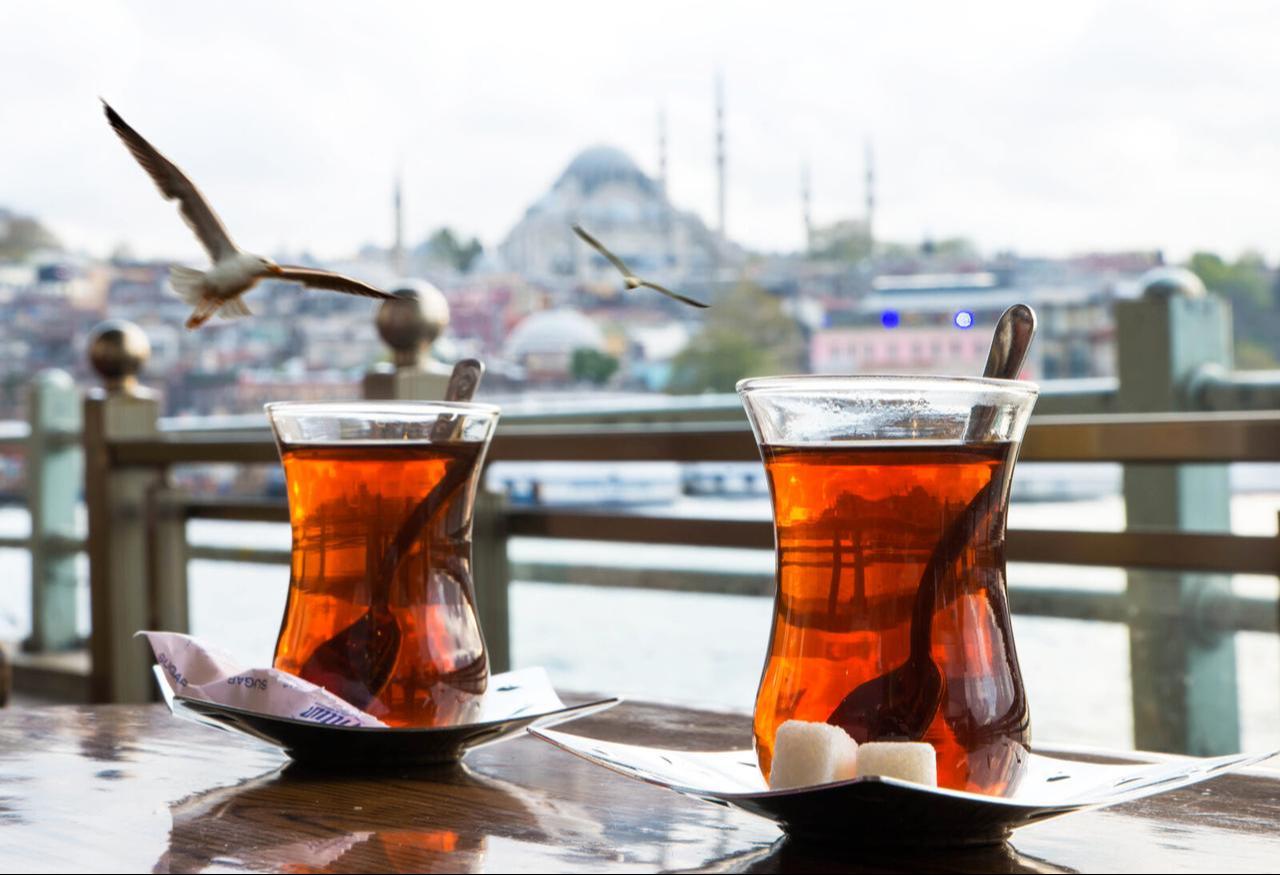
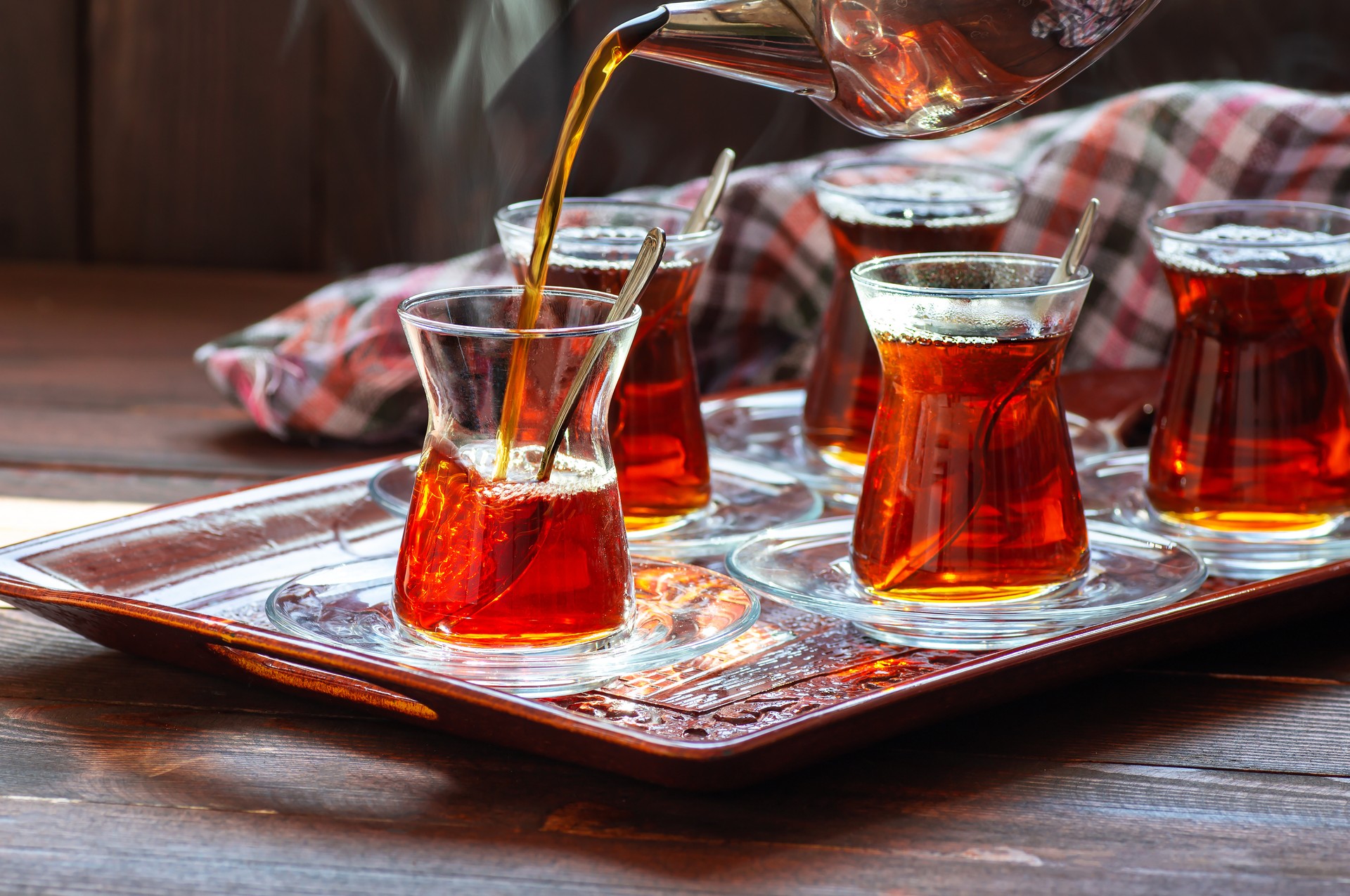
Tea has now become Türkiye’s most beloved drink and the most widely consumed beverage after water. According to the Tea Research and Application Center, 96% of the population drinks tea every day, with 245 million cups consumed daily nationwide.
For 37-year-old Seyma Tunc, who drinks four pots a day, tea feels inseparable from Turkish identity, even though she was surprised to learn how recent its rise was.
“Tea is an inseparable part of Turkish identity. Absolutely,” she said. “Tea loves crowds. And we are a crowded society. Coffee you drink alone.”
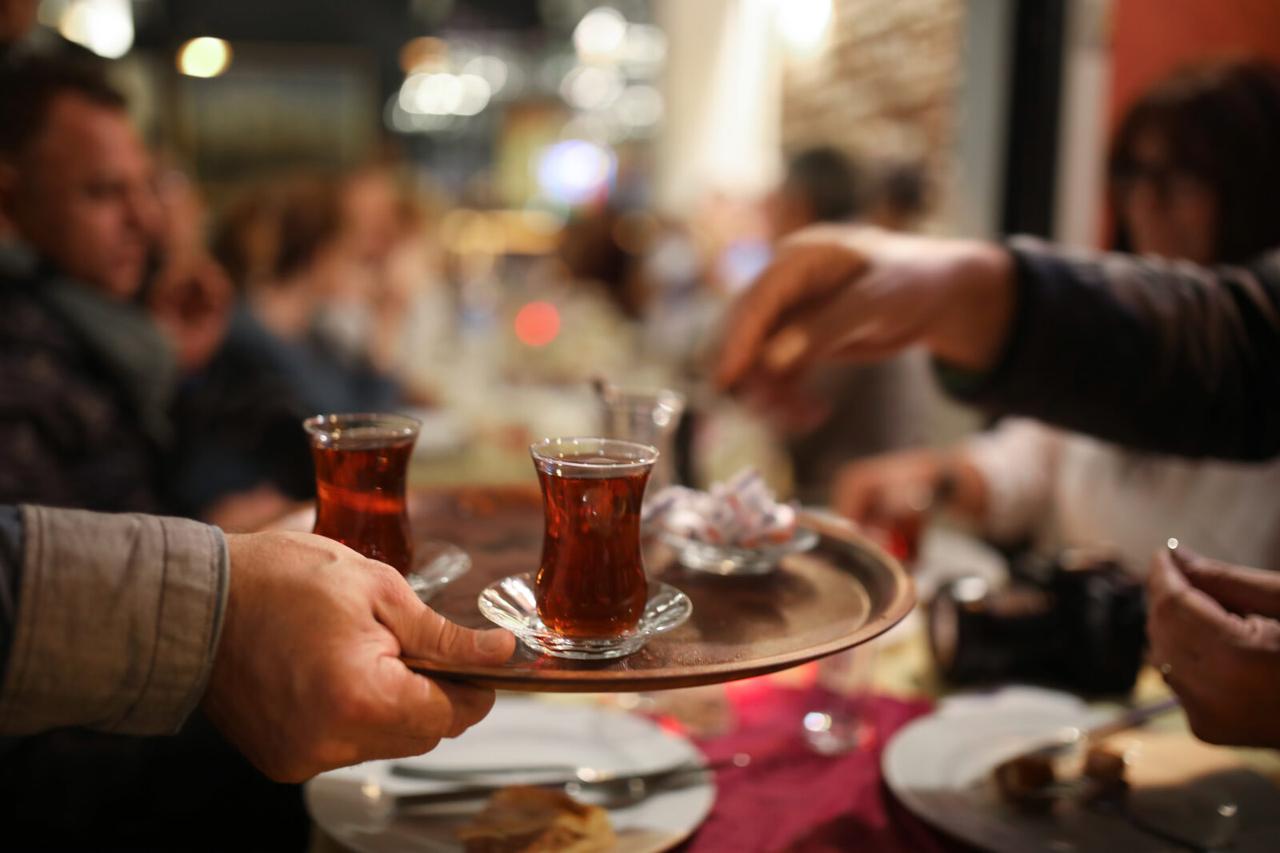
Derinbay also linked tea to the rhythm of Turkish hospitality, noting that when guests arrive, tea is often already brewing in large quantities and can be offered immediately.
 1 min read
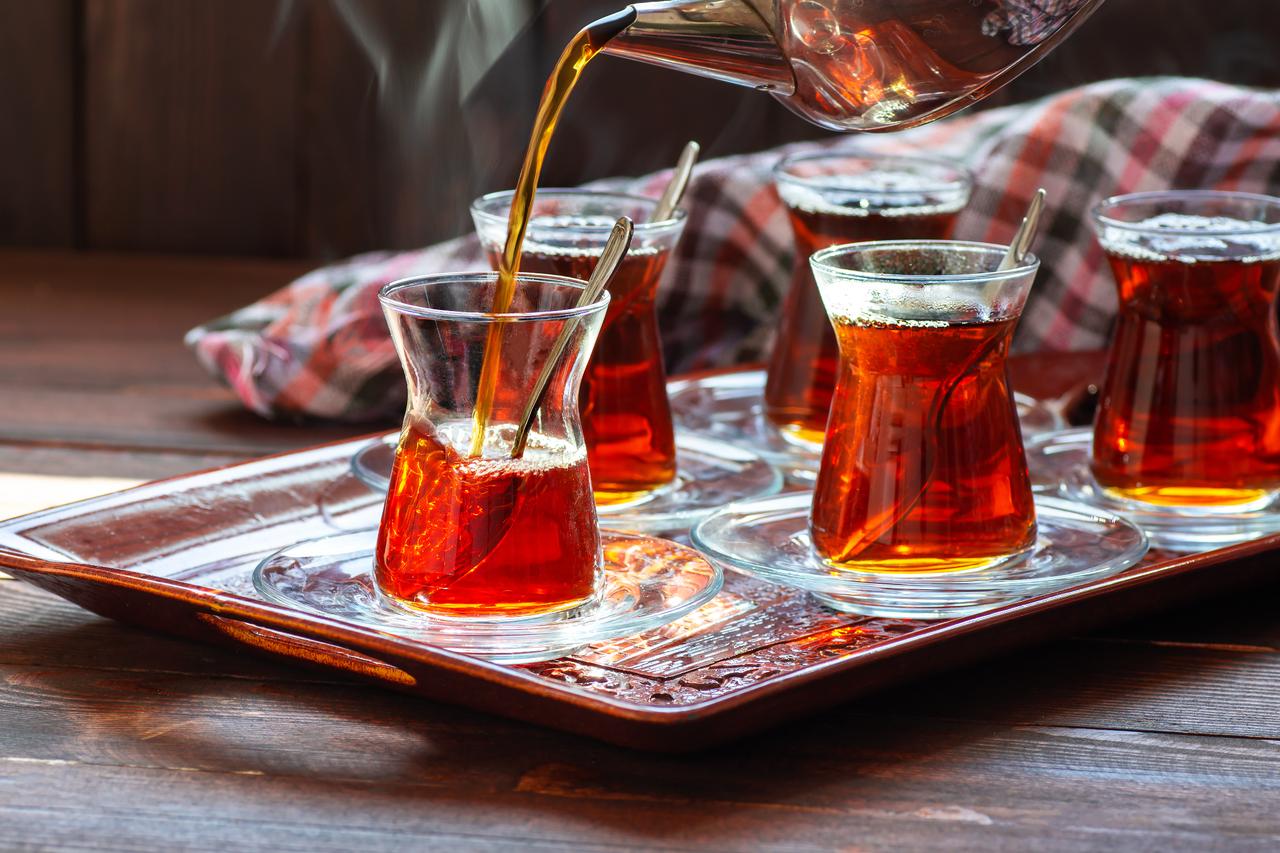
Although younger generations are increasingly drawn to third-wave coffee shops and new brewing habits, Derinbay said the tea culture is also changing through new tea shops, green tea, oolong, matcha and bubble tea.
“What we see is diversification and individualization. Both beverages are evolving and adapting to global influences, while maintaining their local meanings,” she said.


 Set as preferred source
 Set as preferred source



 1 min read


