Newsletters


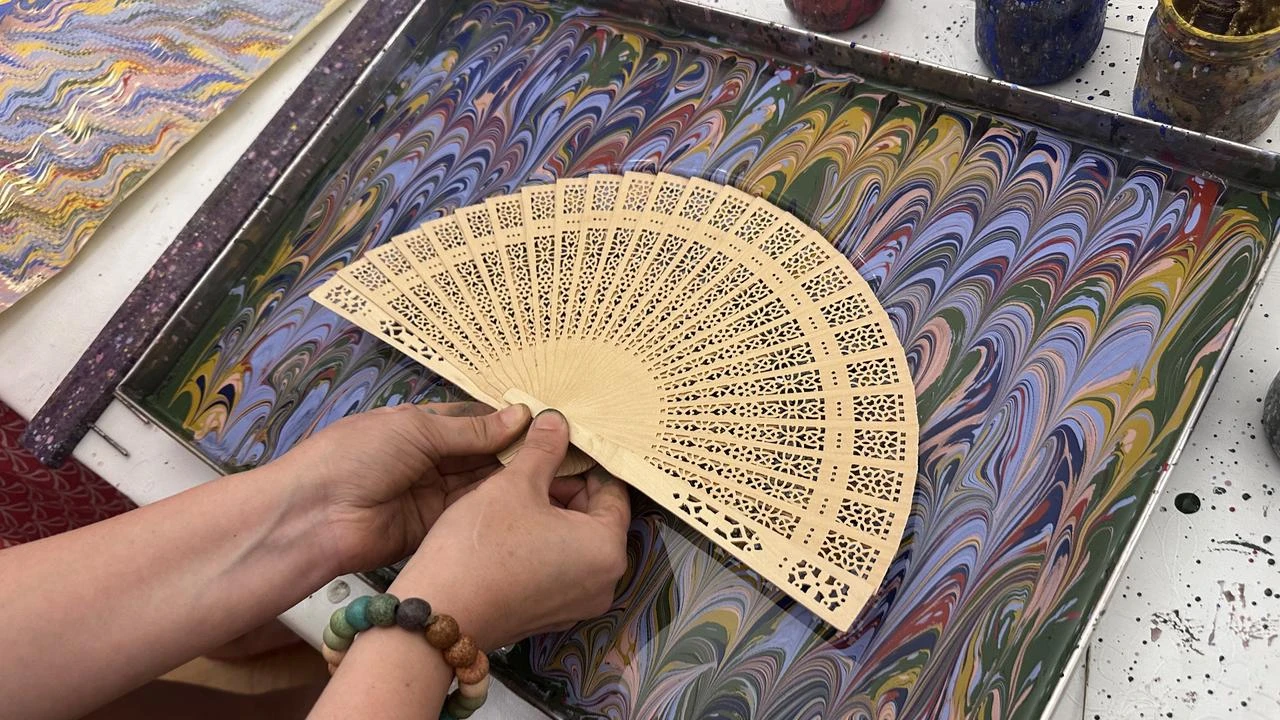
The traditional Turkish art of ebru, or paper marbling, was recently introduced to Greek and international participants at a cultural workshop hosted by Hala Erciyes, spouse of Türkiye's ambassador to Greece, at the Turkish Embassy Residence in Athens.
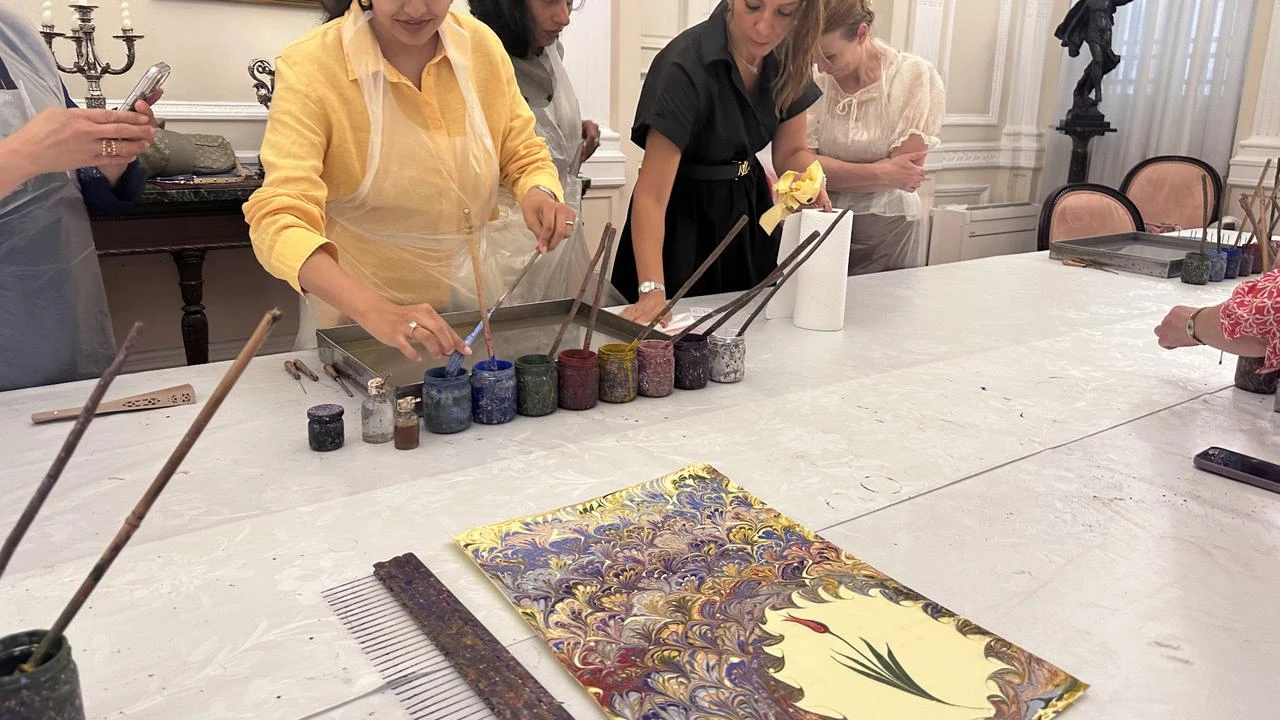
Attendees at the cultural gathering included approximately 40 distinguished guests, comprising businesswomen, female dignitaries, and the spouses of foreign ambassadors and senior Greek officials.
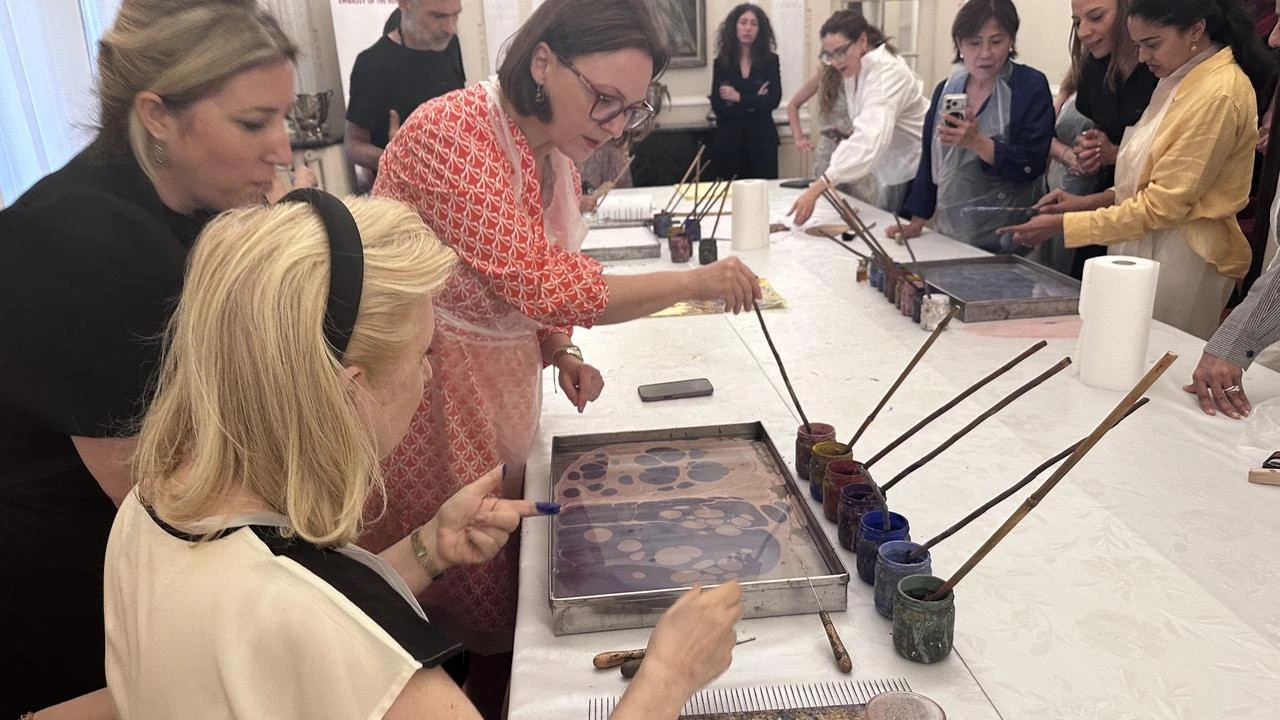
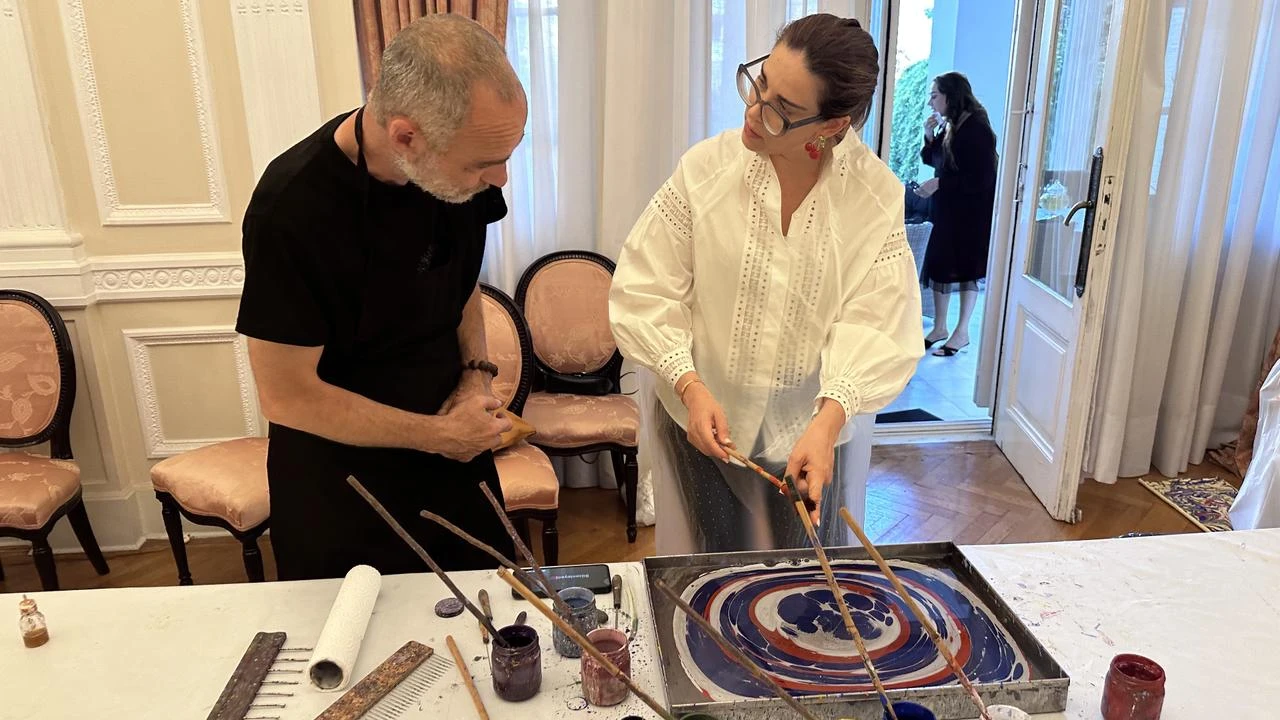
Turkish ebru artist Kubilay Eralp Dincer and Greek artist Katherina Momitsa co-led the practical demonstration, guiding the international audience through the historical origins and precise techniques of the craft.
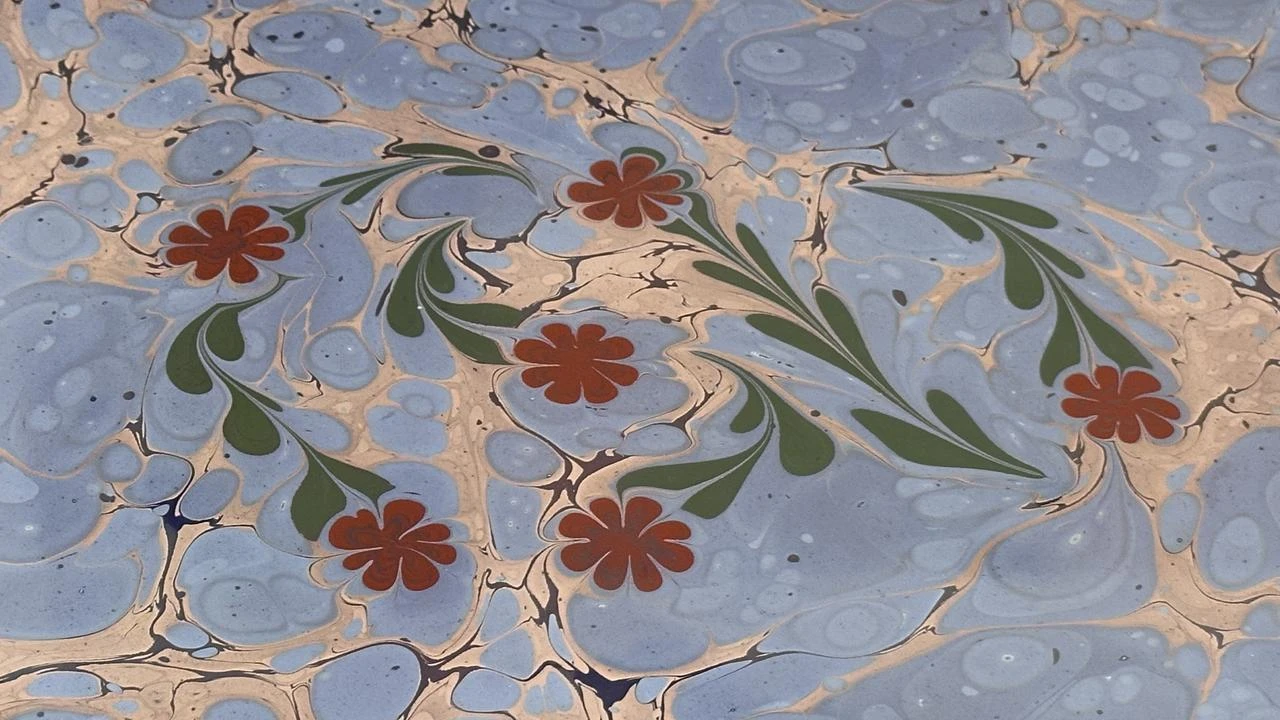
The workshop provided a hands-on experience, allowing participants to manipulate natural pigments on the water's surface before transferring their custom designs onto paper and wooden fans.
In her welcoming remarks, host Hala Erciyes emphasized that ebru stands as one of Türkiye's most refined traditional heritages, defined by a centuries-old method that renders every completed pattern entirely unreproducible.
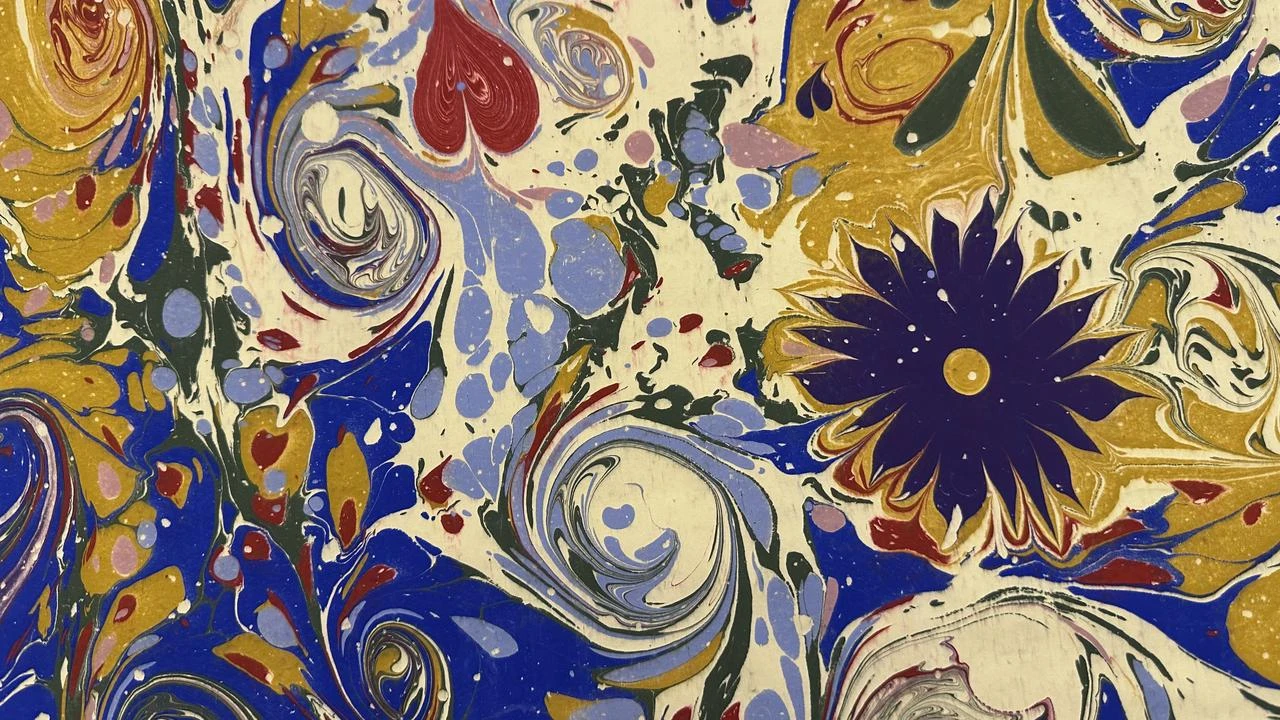
The presentation highlighted the global recognition of the medium, noting that this specific artistic heritage was formally inscribed on the UNESCO Representative List of the Intangible Cultural Heritage of Humanity in 2014.
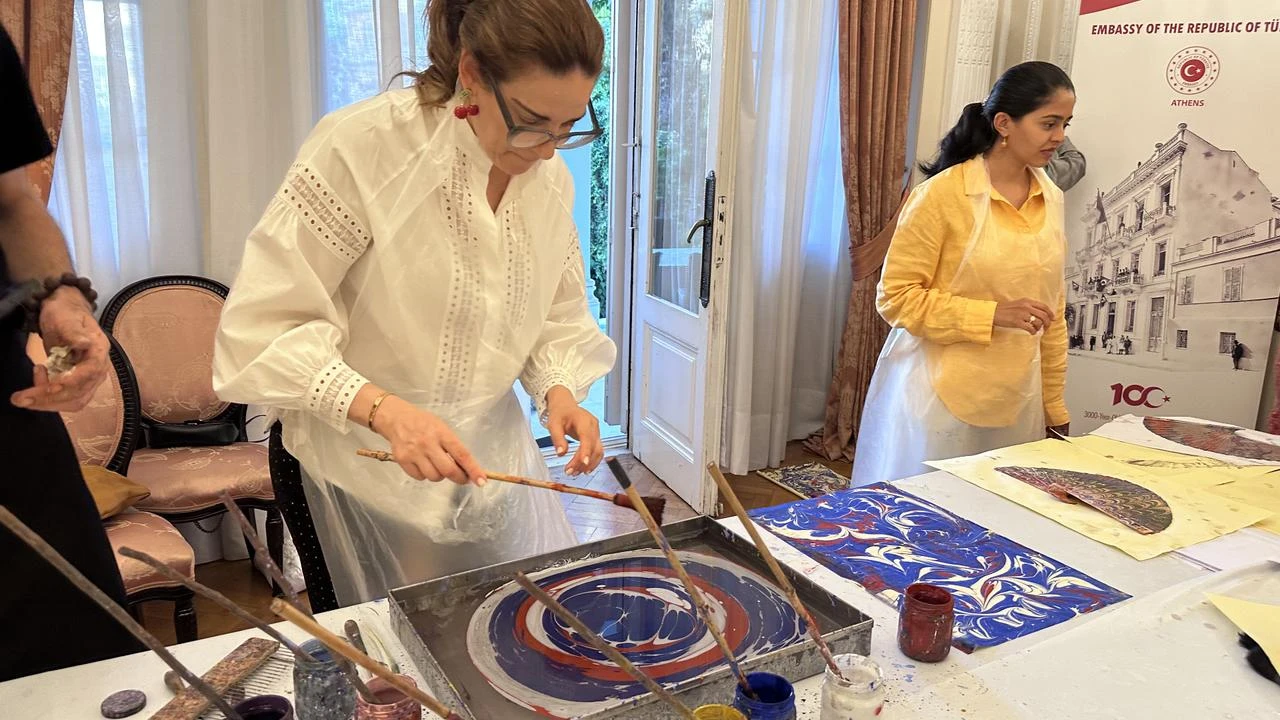
Beyond its visual appeal, the instructors explained that the practice of marbling demands patience and harmony, requiring an understanding of how natural dyes interact with viscous, water-based solutions.
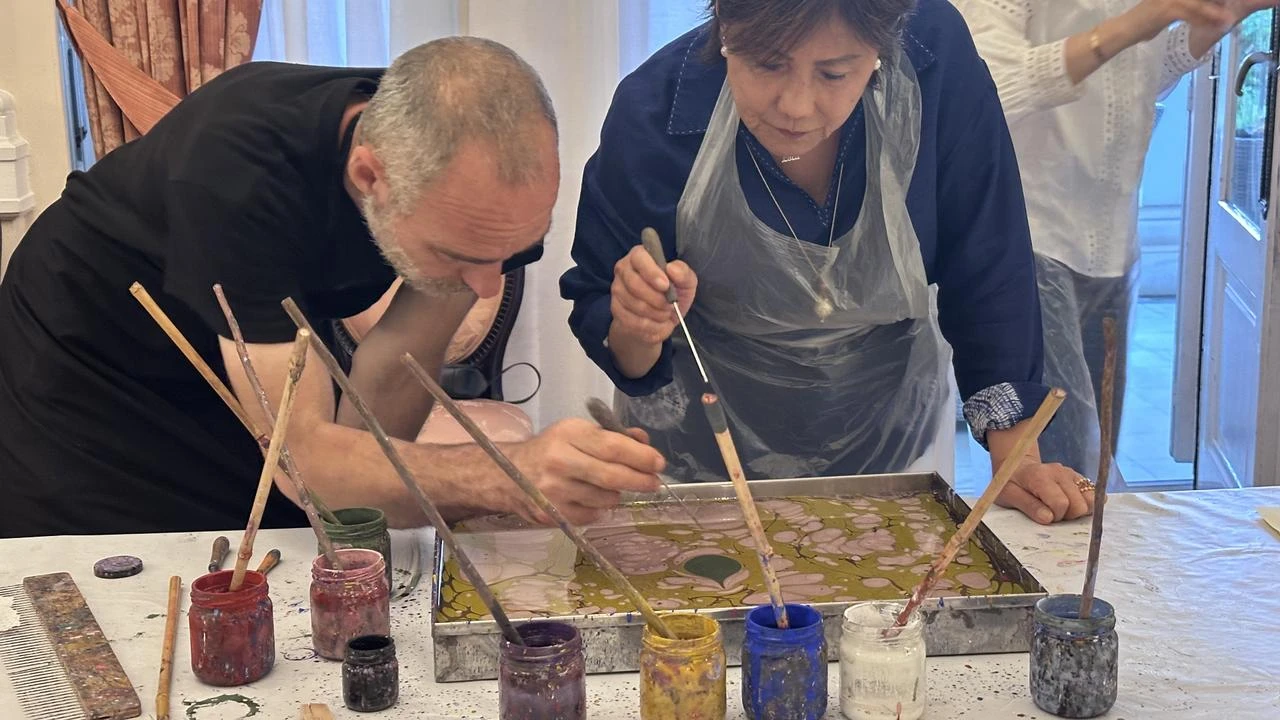
Organizers expressed confidence that the interactive workshop would serve to strengthen cross-border ties, fostering greater cultural understanding and diplomatic friendship between Türkiye and Greece.
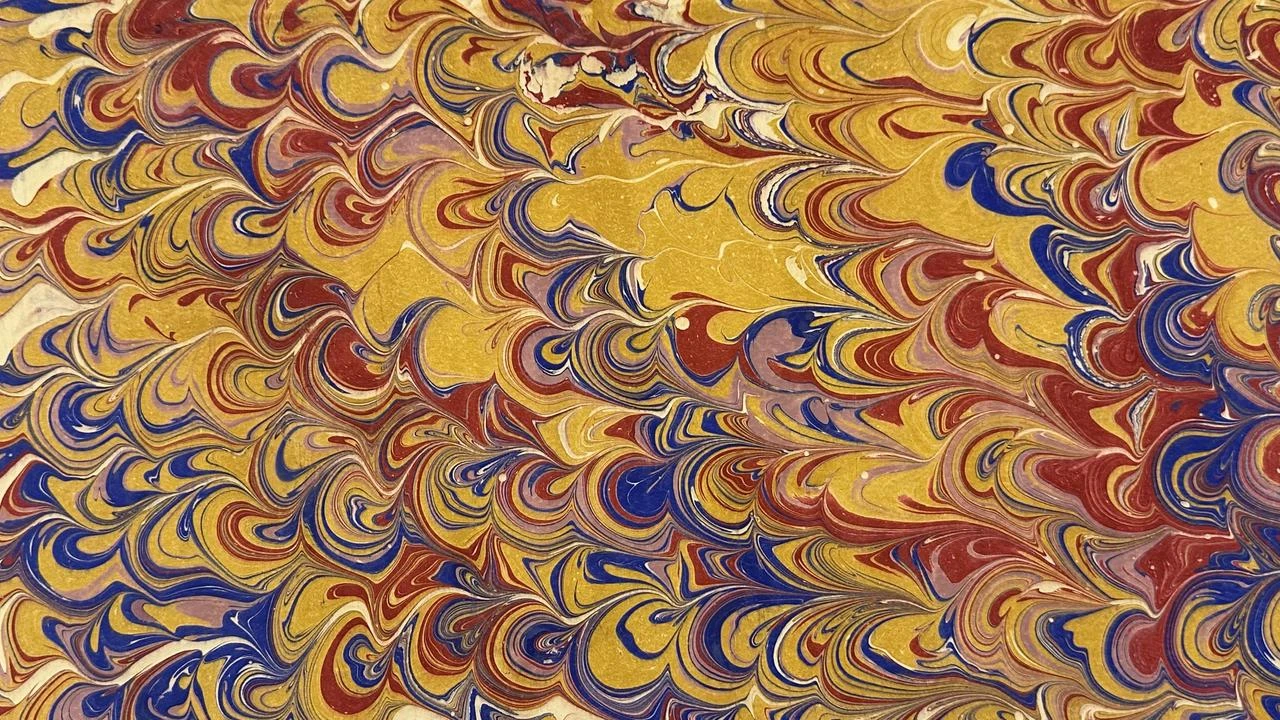
Artist Kubilay Eralp Dincer observed that the liquid movements inherent in ebru often resonate deeply with onlookers by evoking childhood memories of natural water patterns, such as raindrops and shifting reflections.
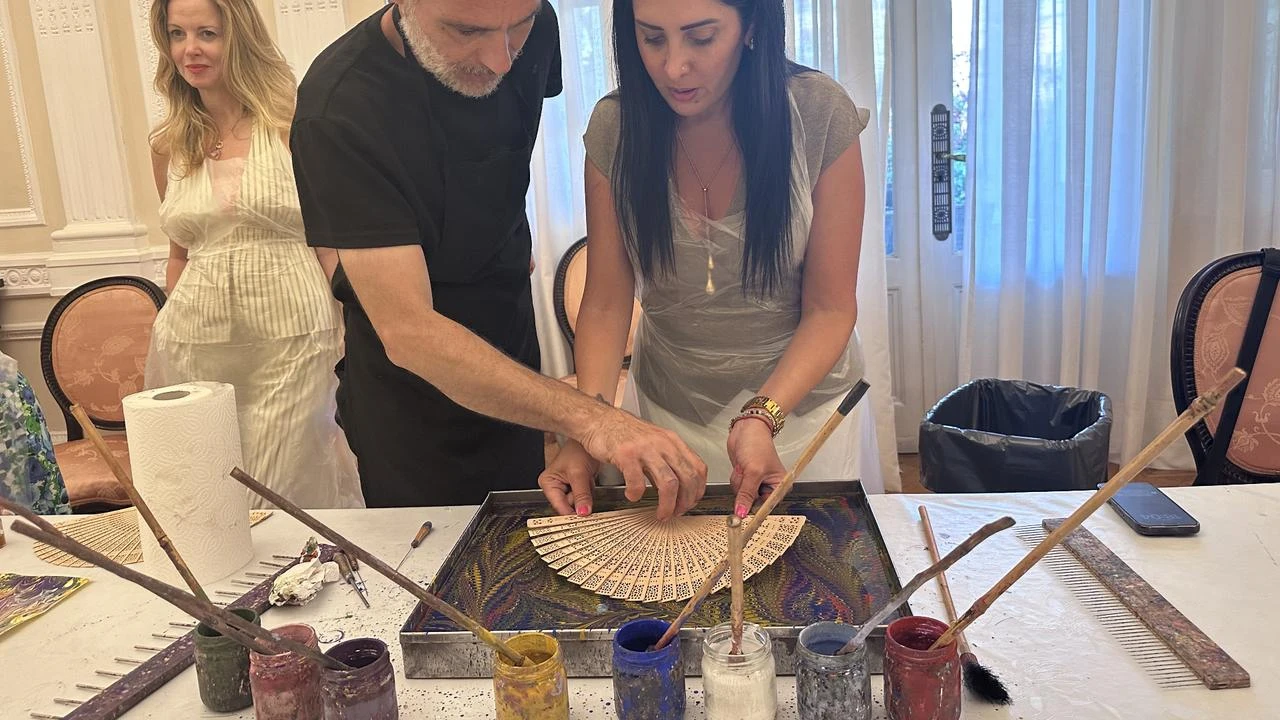
Reflecting on her own training in Istanbul under Dincer, Greek artist Katherina Momitsa explained how she now utilizes her private studio in Athens to expand the reach of the art form by applying it to alternative mediums like textiles and ceramics.
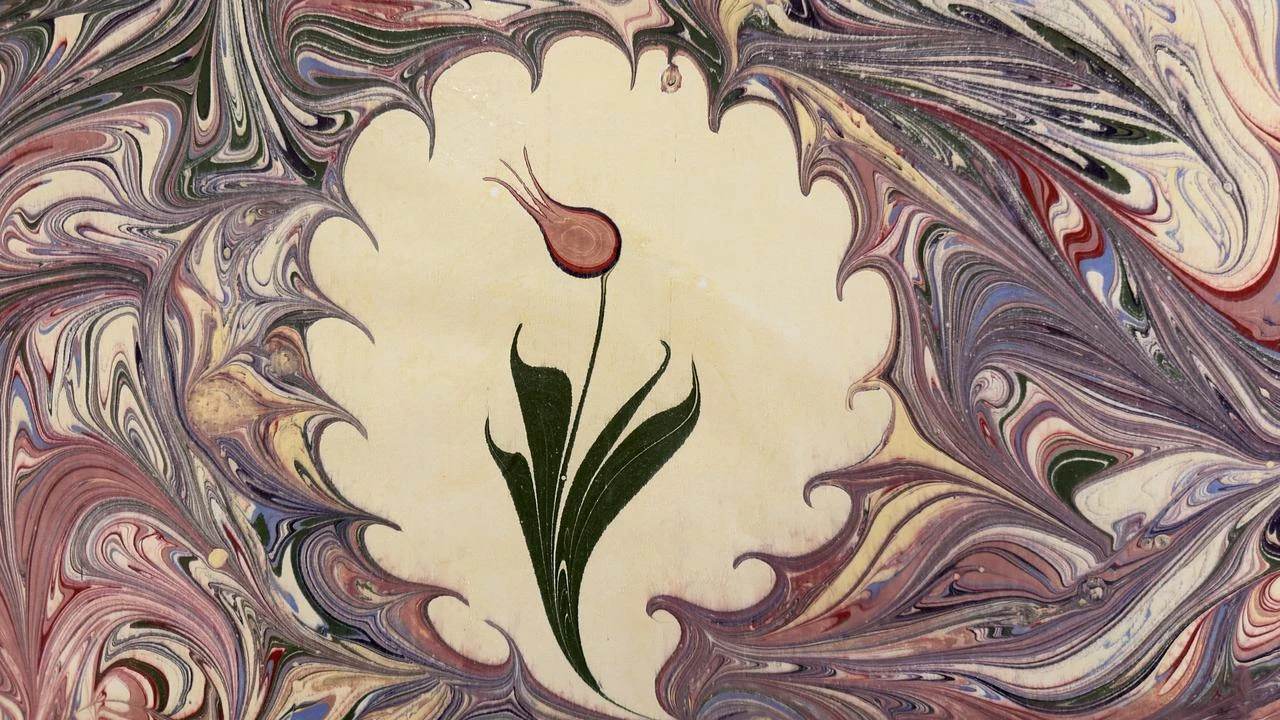
International participants, representing nations such as Greece, India, and the Philippines, expressed high praise for the relaxing and creative nature of the process, with many noting it was their first exposure to the technique.
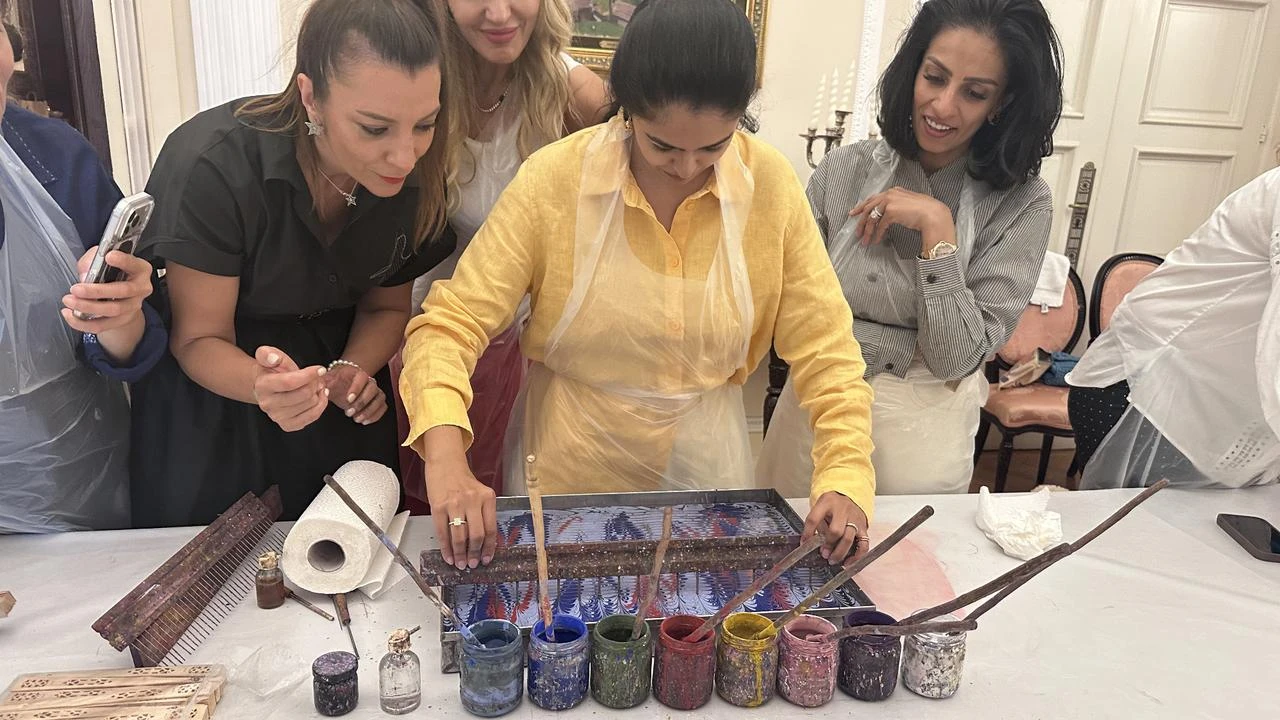
The collaborative event concluded with the international guests successfully producing an array of unique, multicolored marbled patterns to preserve as a memento of the cross-cultural exchange.


 Set as preferred source

 3 min read