Newsletters


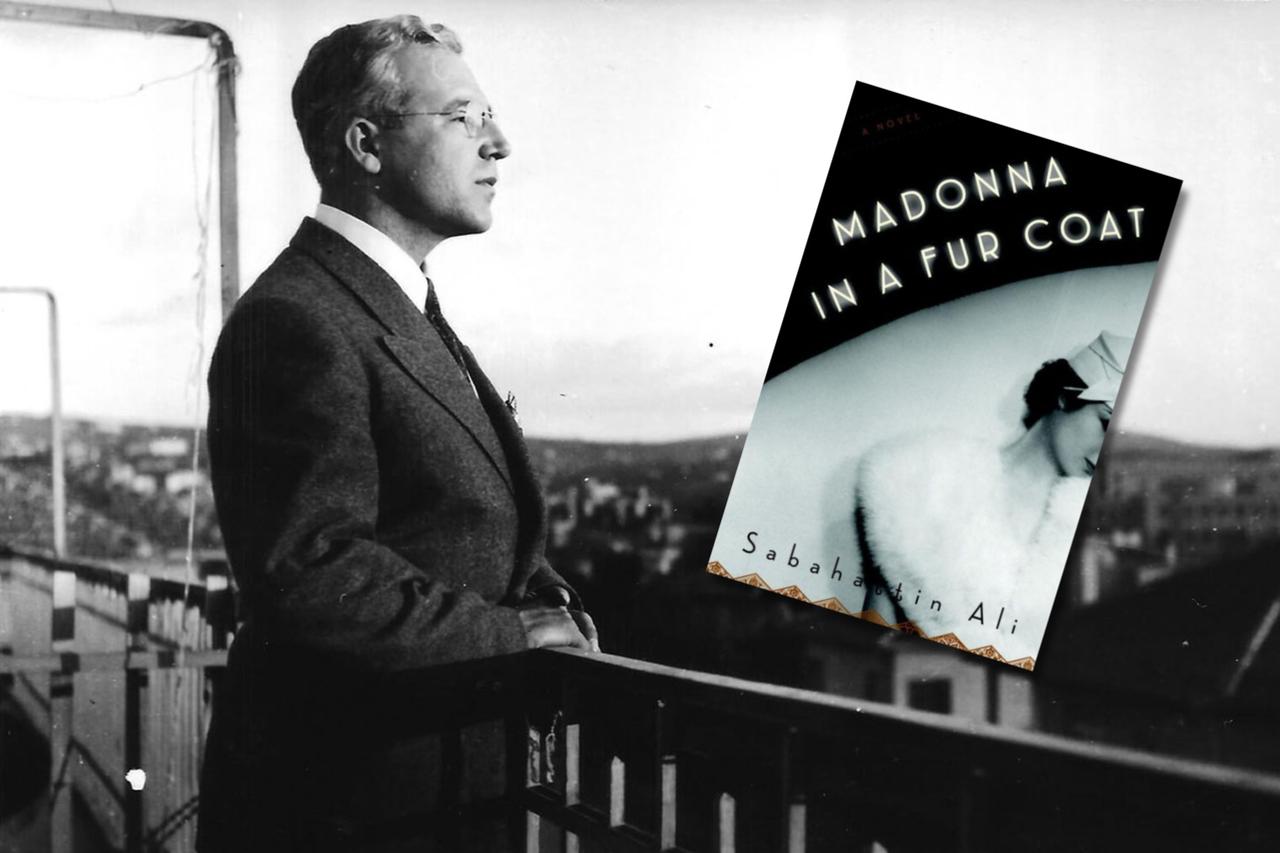


The international visibility of Madonna in a Fur Coat, the English edition of Sabahattin Ali’s 1943 novel Kurk Mantolu Madonna, has resurfaced after world-famous model Kendall Jenner shared the book on her Instagram story, placing a Turkish literary classic once again within global popular culture and international reading circles.
Jenner’s post featured the English-language cover of Madonna in a Fur Coat, signaling the continued circulation of the novel beyond Türkiye.
While the model did not comment directly on the book, the visual reference alone was enough to reignite discussion around the novel’s reach in Europe and the United States, where it has increasingly found new readers through translation and social media-driven discovery.


First published in 1943, Kurk Mantolu Madonna gained renewed international momentum after it was translated into English in 2016 by Maureen Freely and Alexander Dawe.
The translation was released under the Penguin Classics imprint, a label known for introducing world literature to Anglophone audiences. This edition played a central role in bringing the novel into bookshops and academic discussions across the U.S. and Europe, where it had previously remained largely unknown.
The English edition was not the only factor behind the book’s international rise. The novel has also been translated into several European languages, including German and French, with Germany emerging as one of its most active markets.
In foreign media and academic circles, the work has frequently been described as a “late-discovered classic,” a term used to underline both its historical importance and its delayed recognition outside Türkiye.
The book’s growing profile in the United Kingdom has been closely linked to digital reading communities. According to an article published in November 2025 by Oksijen columnist Elcin Poyrazlar, Madonna in a Fur Coat became a bestseller in Britain after being recommended by Jack Edwards, one of the country’s most influential book-focused social media figures.
Edwards, who refers to himself as “the internet’s resident librarian,” has hundreds of thousands of followers across TikTok and YouTube. Following his endorsement, the novel reportedly sold around 30,000 copies, surpassing established English-language classics such as Pride and Prejudice during the same period.

Observers cited by Poyrazlar linked the novel’s appeal to its exploration of unresolved emotions, longing, and loneliness, themes that appear to resonate strongly with younger readers discovering literature through social media platforms.
Some interpretations also suggest that the social and economic uncertainty depicted in the 1920s setting of the novel echoes contemporary anxieties, reinforcing the sense that strong literary works remain relevant across generations.
Literary critic William Armstrong, writing on the English edition, noted that Sabahattin Ali was already one of the most widely read authors in Türkiye long before his work reached English-language audiences. His novel, which follows Raif Efendi’s introspective love story in Weimar-era Berlin, has remained in print in Türkiye for decades and experienced sustained bestseller status in recent years.
Armstrong described the Penguin Modern Classics edition as “late but good to see,” emphasizing the clarity of the translation and the novel’s emotional directness.
Although Ali was deeply involved in leftist politics and faced imprisonment and exile before his death in 1948, Madonna in a Fur Coat stands apart from overt political commentary.
Critics have suggested that its relative distance from direct political themes may have helped it travel more easily across borders. Instead, the novel has been read internationally as a poignant love story and a quiet coming-of-age narrative, centered on the tension between hope and reality, art and everyday life.


 Set as preferred source
 Set as preferred source


 2 min read

 1 min read