Newsletters


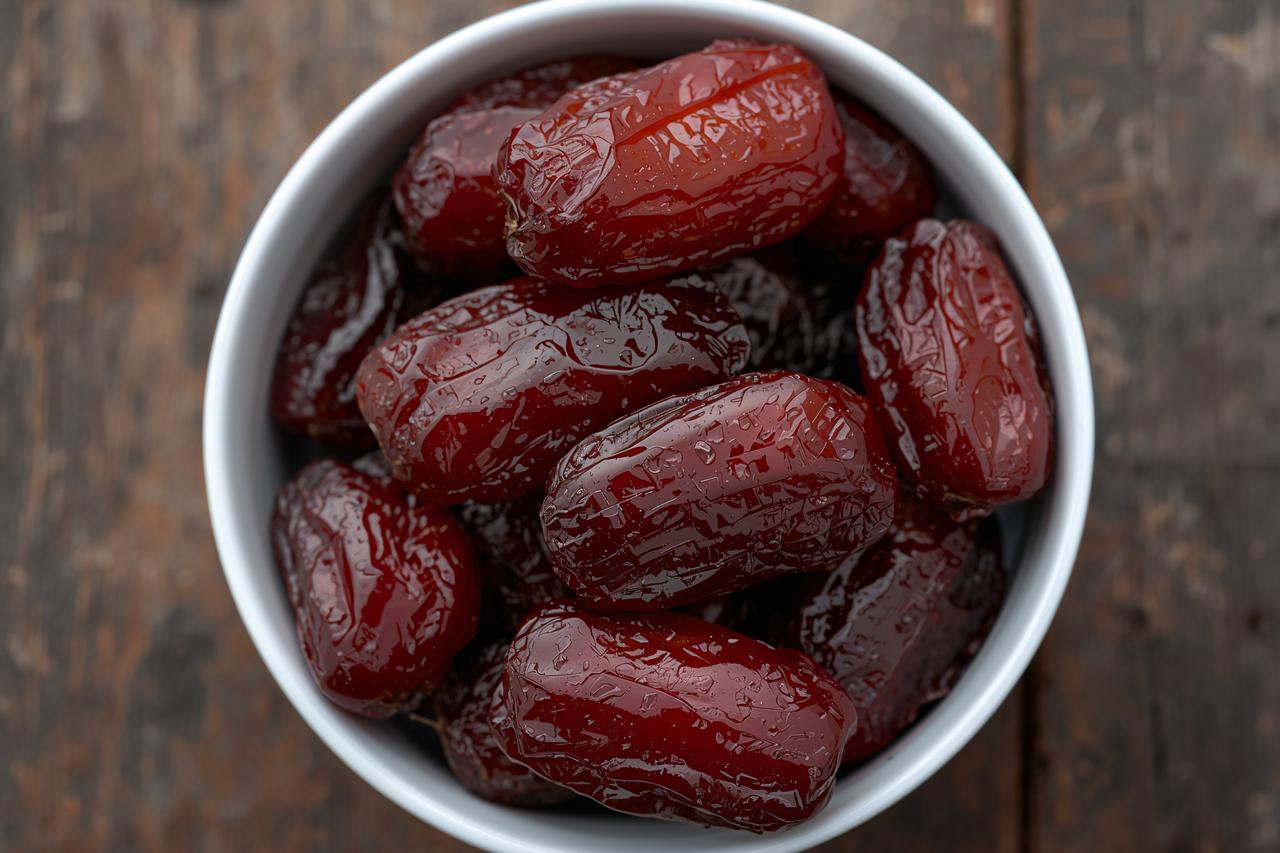


A Ramadan initiative launched by Libyan businessman Ismail al-Shatioui to sell dates at a symbolic price has sparked widespread debate in Libya, with some viewing it as a step to support consumers amid difficult economic conditions, while others argue it could harm producers and farmers.
Shatioui on Sunday began offering more than half a million kilograms of dates in markets across various Libyan cities at a price of 20 cents (1 dinar) per kilogram.
Supporters described the move as an attempt to ease the burden on citizens during the holy month.
However, the initiative drew criticism from some people in the sector. Ismail al-Senousi, a date trader, said Shatioui’s move would have “dire consequences” for date palm cultivation in Libya, which “enjoys no support or protection from the state,” as he put it.
He argued that flooding the market with large quantities at very low prices would harm small and medium-sized traders and farmers who rely on the Ramadan season to sell their stored produce, cover costs and secure a reasonable profit margin.
Senousi called on regulatory, auditing and security authorities to intervene to stop what he described as “tampering” with local markets.
He warned of “destroying prices” by selling below cost, and demanded “fair pricing” that balances the interests of producers and consumers each season, depending on production levels.
Meanwhile, Abdulrahman al-Werfelli criticized the campaign led by some date traders against Shatioui, writing in a Facebook post: “When some people act to serve citizens and ease their burden, it’s natural that others will come out to fight them and try to downplay their work.”
He argued that selling dates for 20 cents is “not publicity, but a humanitarian stance that deserves credit.”
For his part, Abdulaziz Ouhida urged people not to turn charitable initiatives into an “economic conspiracy.”
He noted that the 500,000 kilograms offered at a low price could run out in just four days, given Libyan households’ high date consumption during Ramadan, making it, in his view, “an initiative of solidarity, not an attempt to undercut the market.”
Libya is considered one of the date-producing countries, with palm cultivation widespread, especially in the southern regions and oasis areas, providing a main source of income for thousands of farmers and traders.
Ramadan is seen as the peak consumption season, as many producers rely on the holy month to market their annual stock and cover production costs.


 Set as preferred source
 Set as preferred source



 2 min read