Newsletters


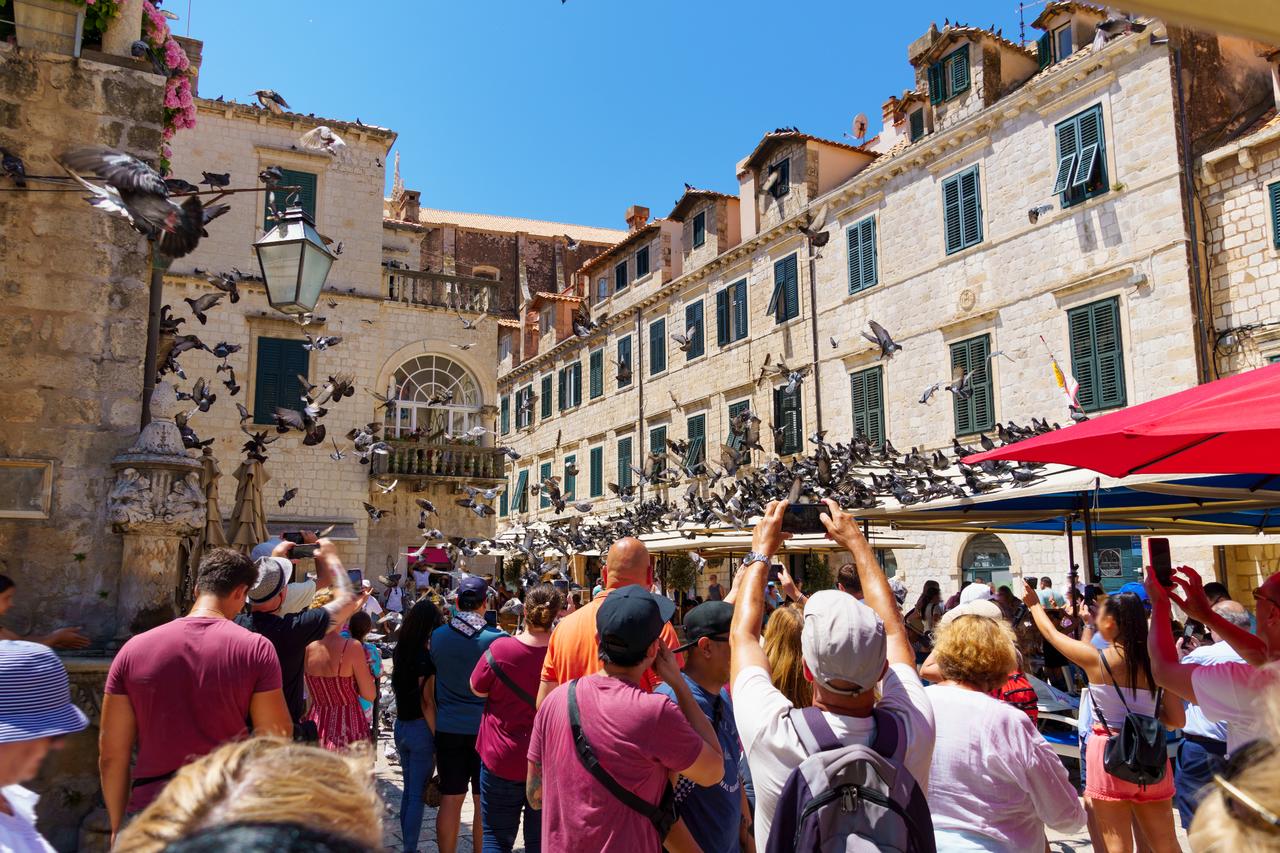


Makarska, a prominent coastal holiday spot in Croatia, enacted the country's inaugural overnight retail alcohol ban on Tuesday to curb disorderly public drinking and ease tensions between vacationers and local residents.
In recent years, local media and social media have been flooded with images and videos of inebriated tourists in the streets urinating in public, making noise and creating a nuisance mostly at night.
In May, the parliament amended the trade act to allow cities and municipalities to restrict hours of alcohol sales to "protect public health, public order, cultural heritage and the environment."
The town council of Makarska, on the southern Adriatic coast, on Tuesday banned alcohol sales from 9:00 p.m. local time (7:00 p.m. GMT) to 6:00 a.m. local time (4:00 a.m. GMT).
"Our goal is not to impose bans for the sake of banning but to preserve order, peace and a pleasant atmosphere in our city for both residents and guests," Mayor Zoran Paunovic said, quoted by the HINA news agency.
"I am pleased that we are taking the lead in Croatia over the issue." Makarska, with a population of 13,000 people, hosted nearly 340,000 tourists last year.
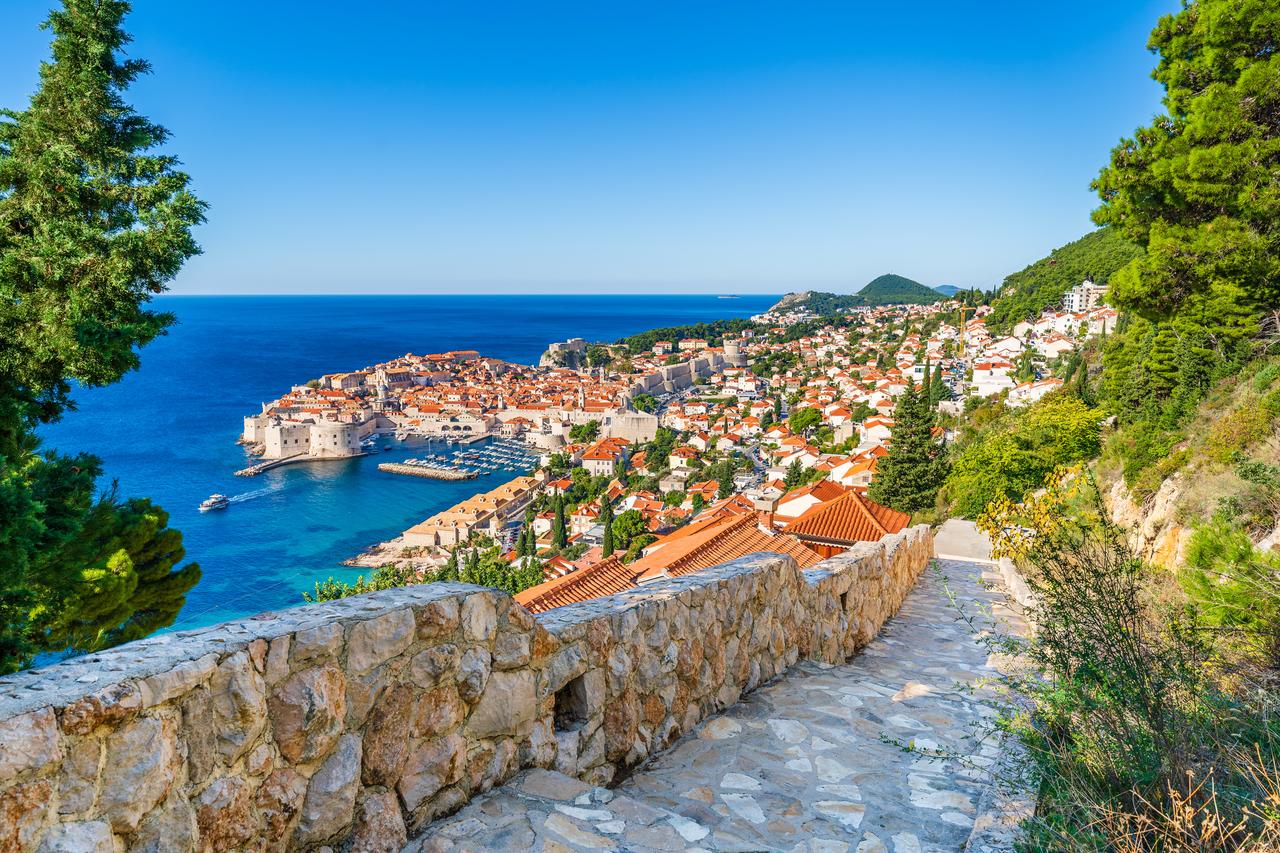

The mayor of Split, a popular summer tourist destination now notorious for drunk visitors, also announced that it would ban alcohol sales.
Split, around 400 kilometers (248 miles) south of the capital, Zagreb, is built around the ancient palace of Roman emperor Diocletian.
Other well-known tourist destinations such as the party island of Hvar and the central coastal town of Zadar have also said they may introduce such a ban.
Tourism is the key driver of Croatia's economy, accounting for around 20 percent of gross domestic product. Last year, the country of 3.8 million people hosted nearly 22 million tourists. The visitors flock mainly to its pristine Adriatic coast, dotted with more than 1,000 islands and islets.
According to an article by The Straits Times, Croatian lawmakers on May 29 approved a law enabling local governments to restrict nighttime alcohol sales hours in shops, aimed at curbing heavy tourist drinking that causes public disorder in popular destinations.
In recent years, local media and social media have been flooded with images and videos of heavily drunk tourists drinking in the streets, urinating in public, making noise and disrupting residents’ lives, mostly overnight.
On May 29, all 117 lawmakers present in the 151-seat assembly unanimously backed the Trade Act amendments enabling cities and municipalities to restrict hours of alcohol sales in shops to “protect public health, public order, cultural heritage and the environment." The measure does not apply to bars or restaurants.
Croatian Tourism Minister Tonci Glavina said the aim was to improve the quality of life of locals “who want to live in a good symbiosis with tourism and not have the entire city or destination exist only for tourism.
“That is not sustainable in the long term,” he said.


 Set as preferred source
 Set as preferred source


 1 min read
 1 min read