Newsletters


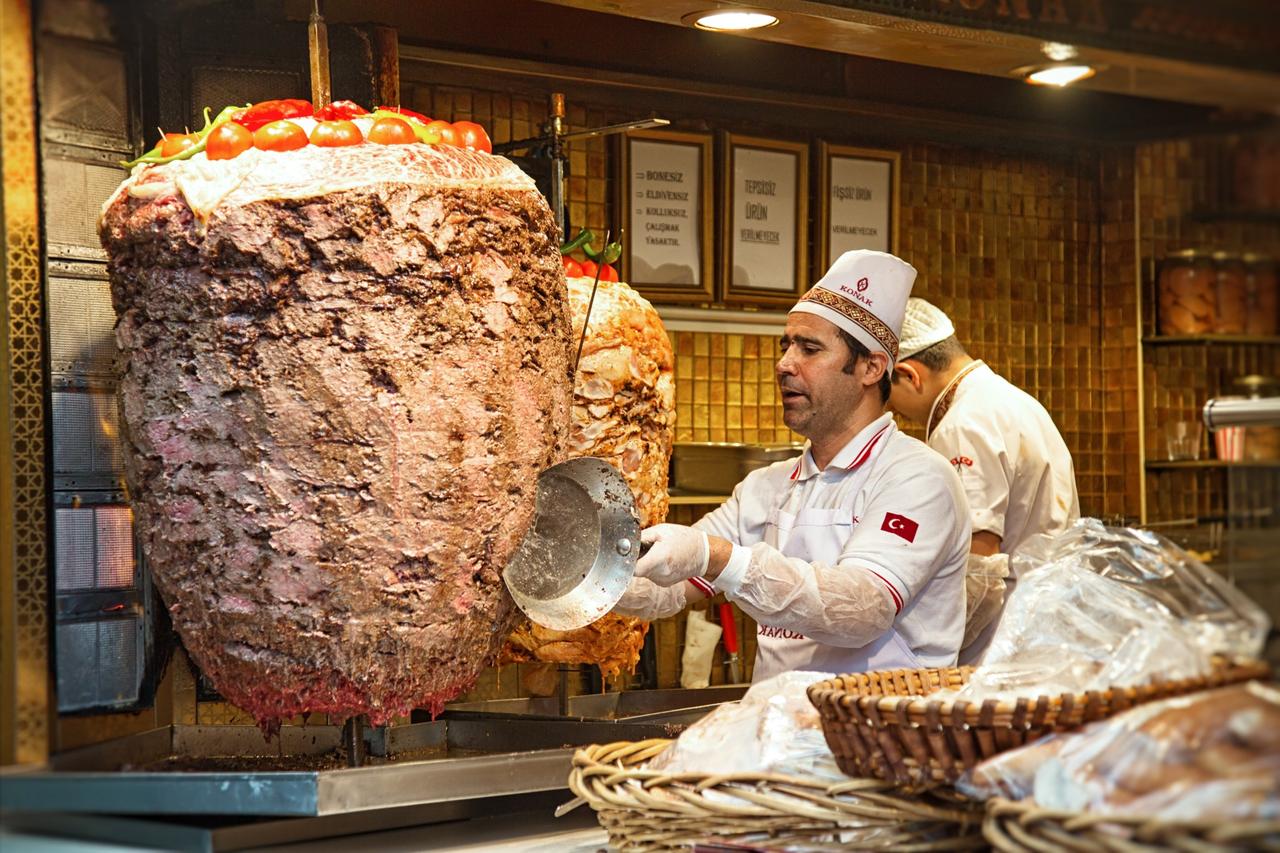


Doner, widely recognized as a vertical rotisserie dish rooted in Turkish culinary tradition, has taken on new forms as Turkish communities settled across Europe and beyond.
While beef, lamb, and chicken remain the backbone of doner culture, Turkish cooks abroad have gradually adapted the dish to local tastes, available ingredients, and regional food habits. The result is a broad spectrum of doner varieties that stretch far beyond what many international consumers expect.
At its core, doner refers to seasoned protein stacked on a vertical spit and slowly roasted, with thin slices shaved off as it cooks. Although the cooking method remains consistent, the choice of ingredients has diversified significantly.
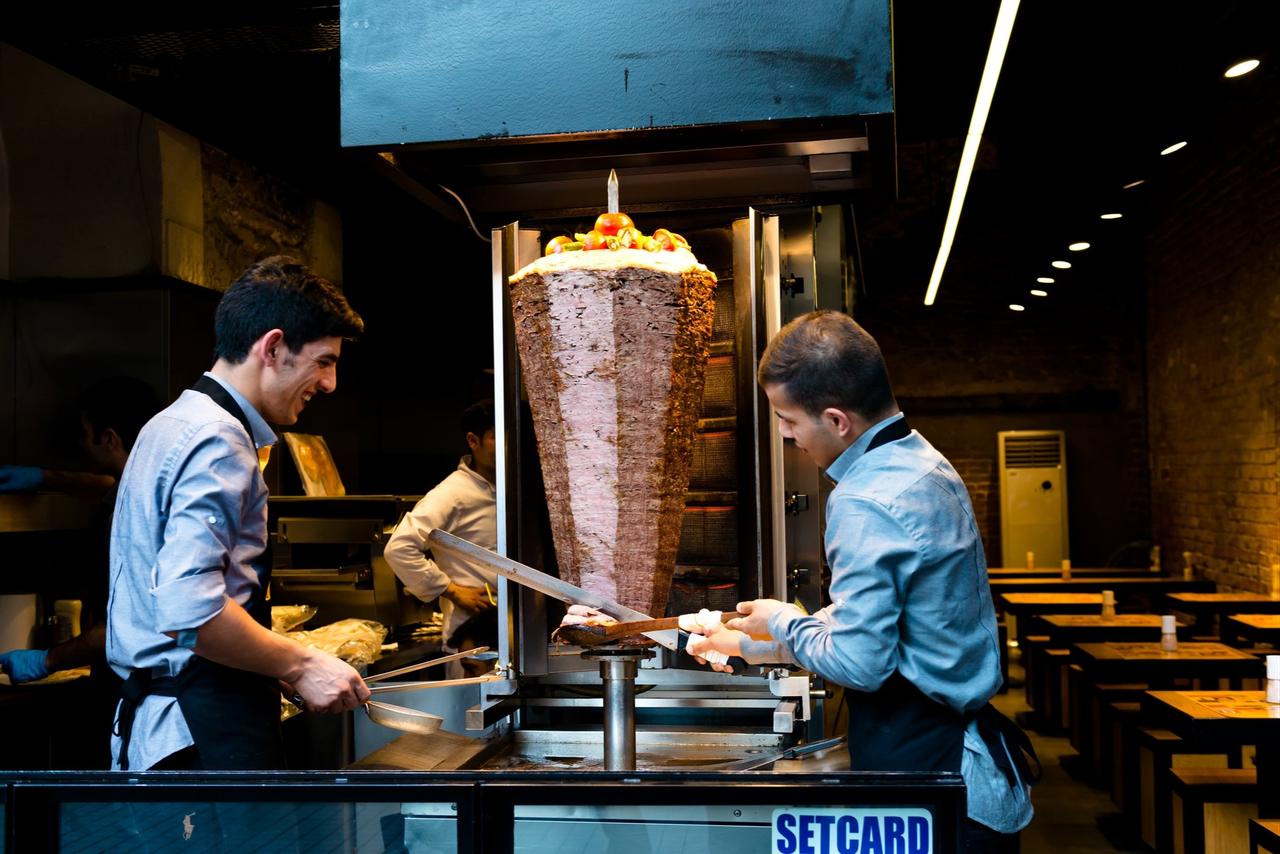

Several doner types continue to anchor the dish in its most familiar form. Beef doner, lamb doner and chicken doner remain the most widespread versions, forming the basis of doner menus from Western Europe to North America.
Alongside these, mixed doner, which combines beef and lamb on the same spit, reflects a long-standing preference for balanced flavor and texture.
These versions function as reference points, allowing newer adaptations to build on a structure that is already recognizable to international audiences.
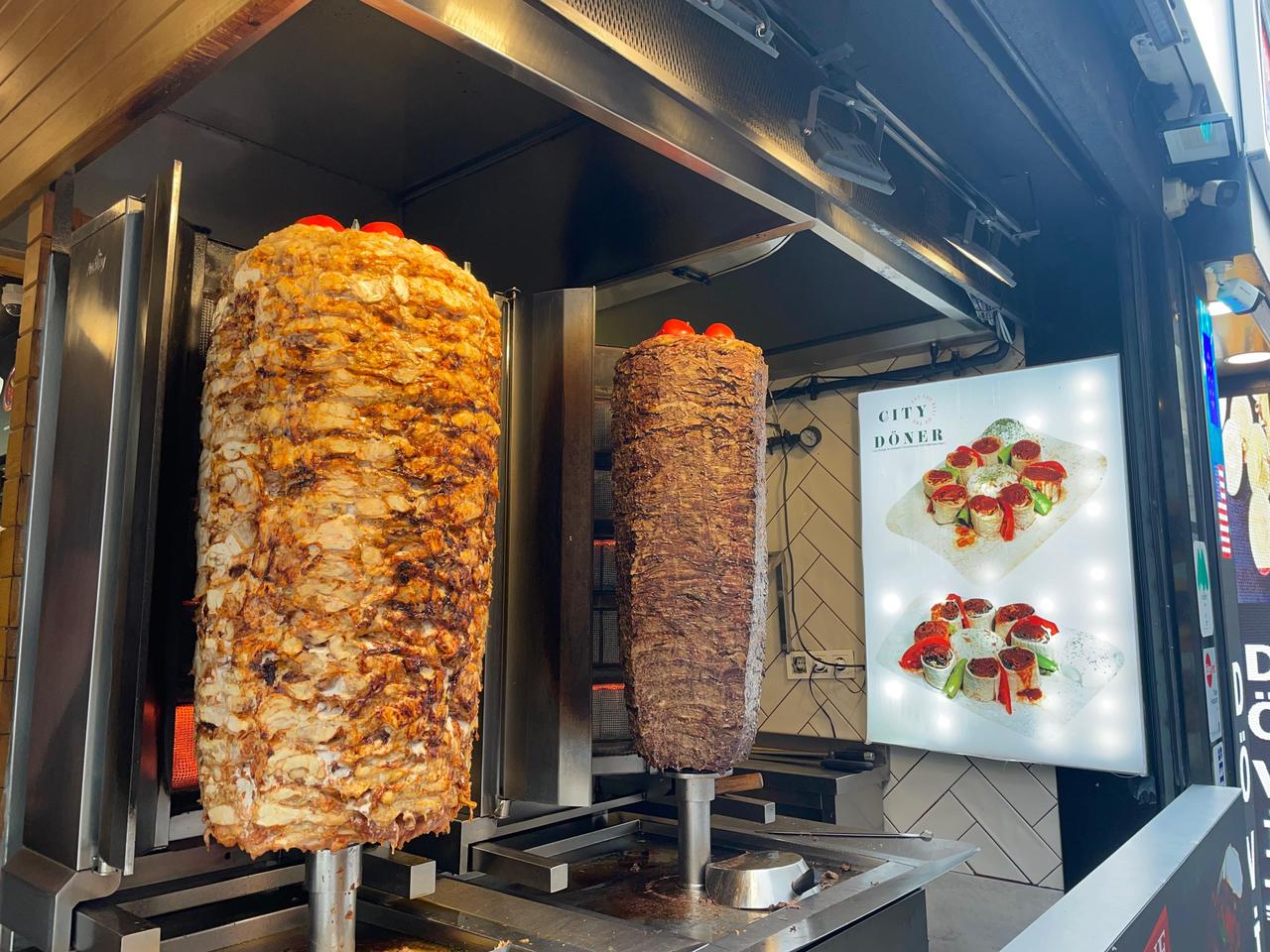
As Turkish-owned doner shops expanded across Central and Northern Europe, new meat choices began to show up.
Veal doner, made from young cattle, became particularly common in Germany and Austria, where veal consumption is more established.
In a similar way, turkey doner emerged in Germany and the Netherlands, reflecting both local dietary trends and demand for leaner meat options.
These adaptations did not replace traditional doner but rather sat alongside it, broadening menus without breaking away from the familiar preparation style.
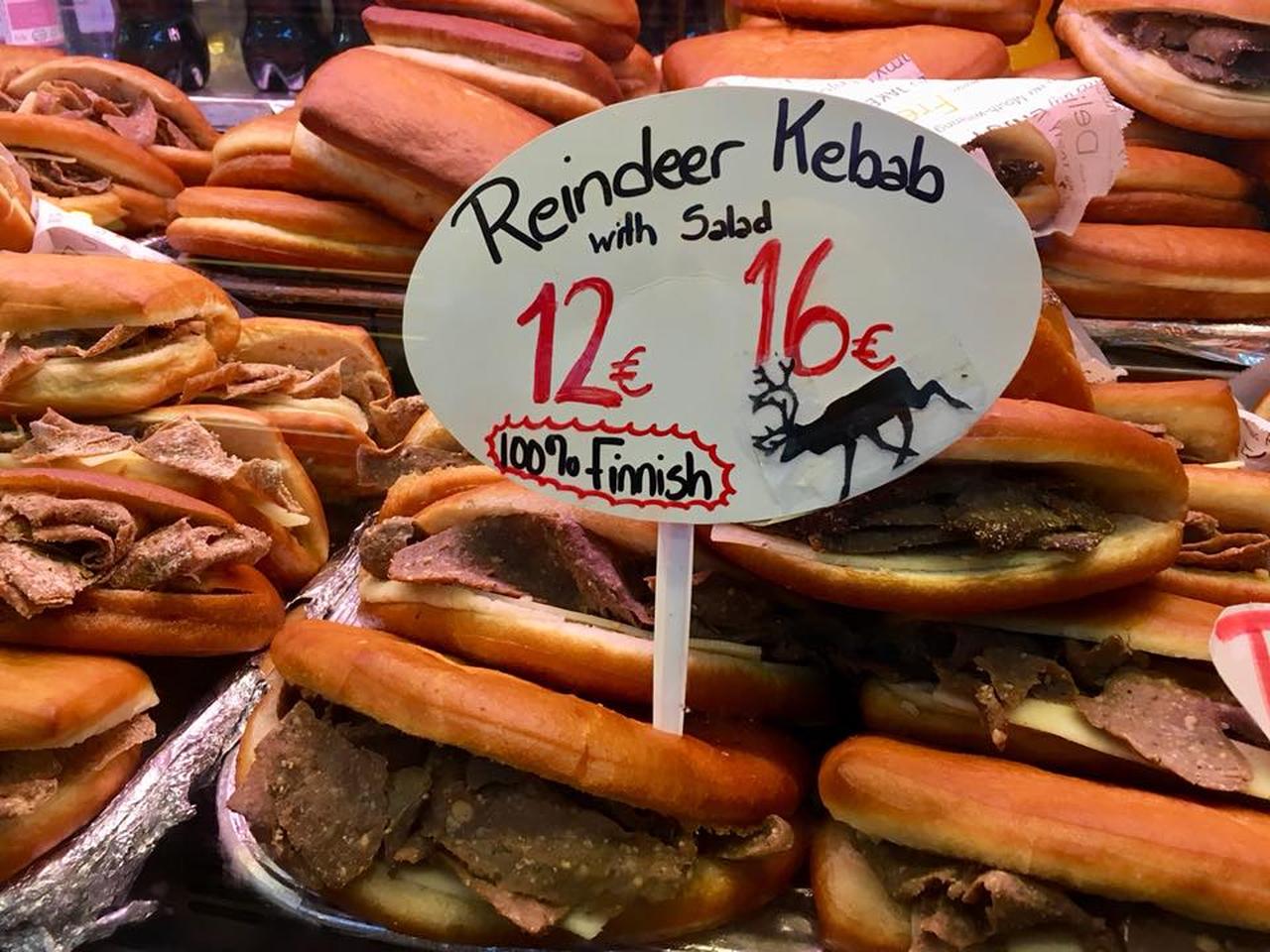
In Nordic countries such as Sweden, Finland, and Norway, Turkish cooks worked with meats that were already part of regional food culture.
This gave rise to venison doner, made from deer meat, and in rarer cases, reindeer doner, particularly associated with Finland.
Both versions follow the same vertical roasting technique, yet they stand out due to their reliance on wild or semi-wild game, a category unfamiliar to many doner consumers outside Northern Europe.
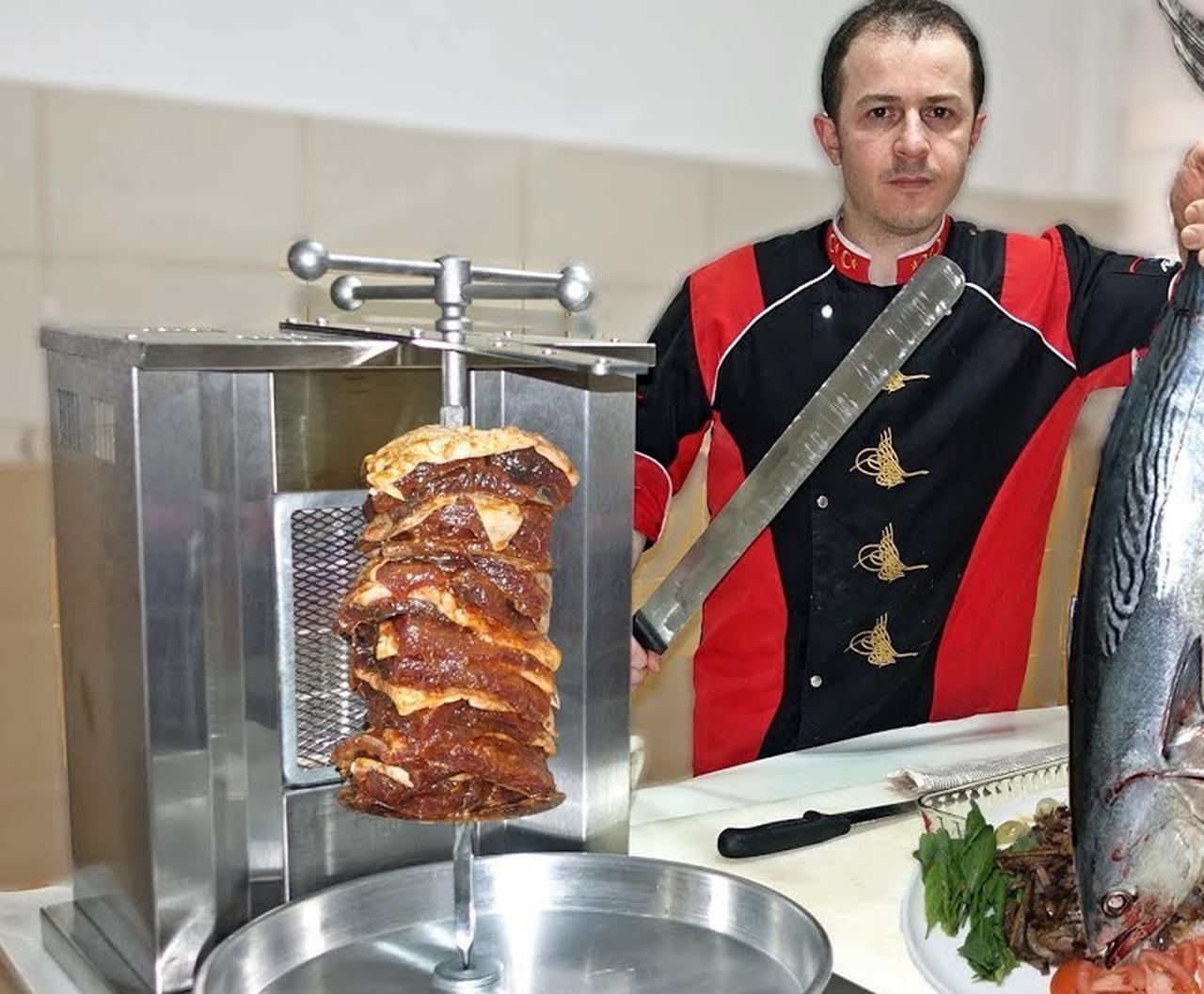
Adaptation also extended beyond land-based meats. Fish doner, prepared using species such as sea bass, salmon, or mackerel, shows how the doner method was carried over to seafood, especially in coastal or tourist-oriented settings.
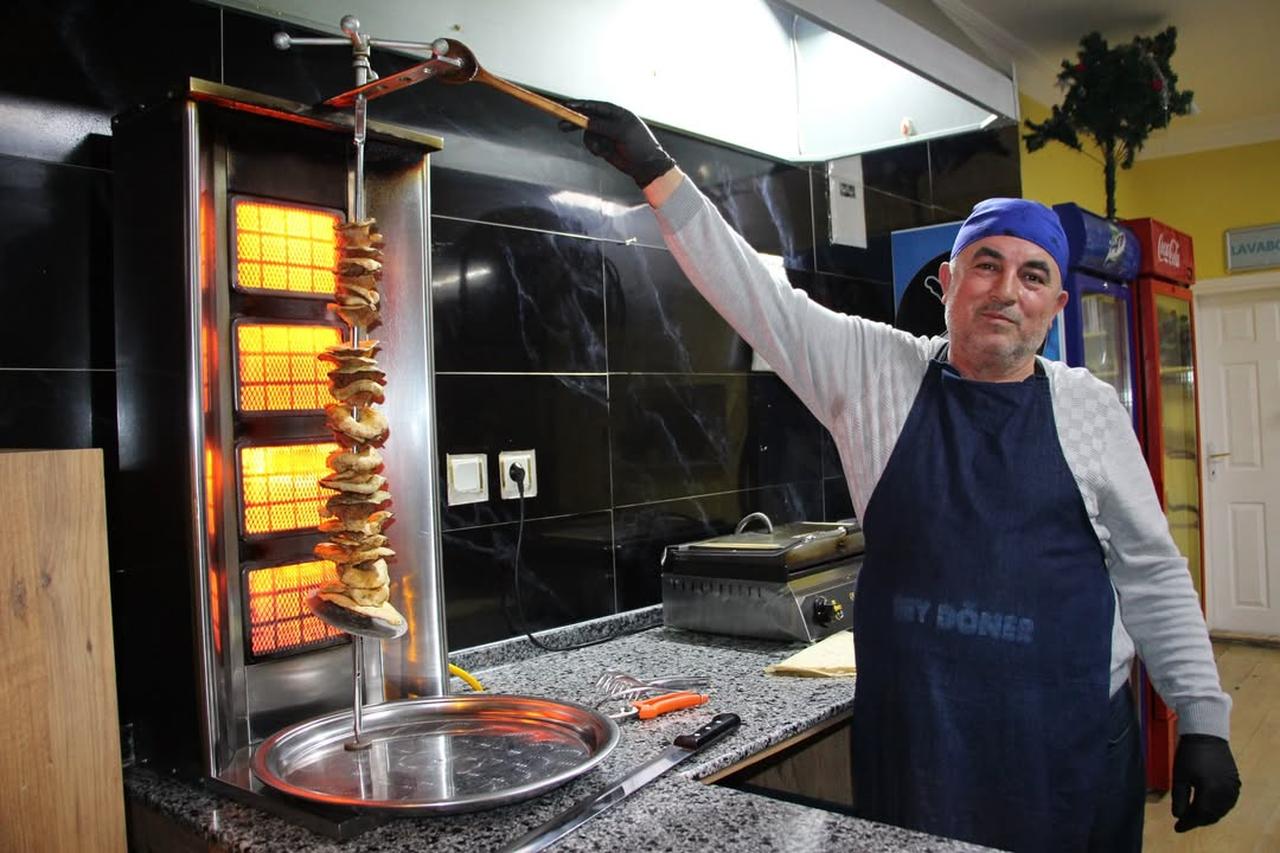
At the same time, mushroom doner introduced a plant-based alternative while preserving the recognizable doner format. Using stacked and seasoned mushrooms, this version keeps the visual and structural identity of doner intact, even without animal protein.
Across all these variations, the defining element remains unchanged: the vertical spit, slow roasting, and slicing-to-serve method.


 Set as preferred source
 Set as preferred source


 1 min read
 1 min read