Newsletters


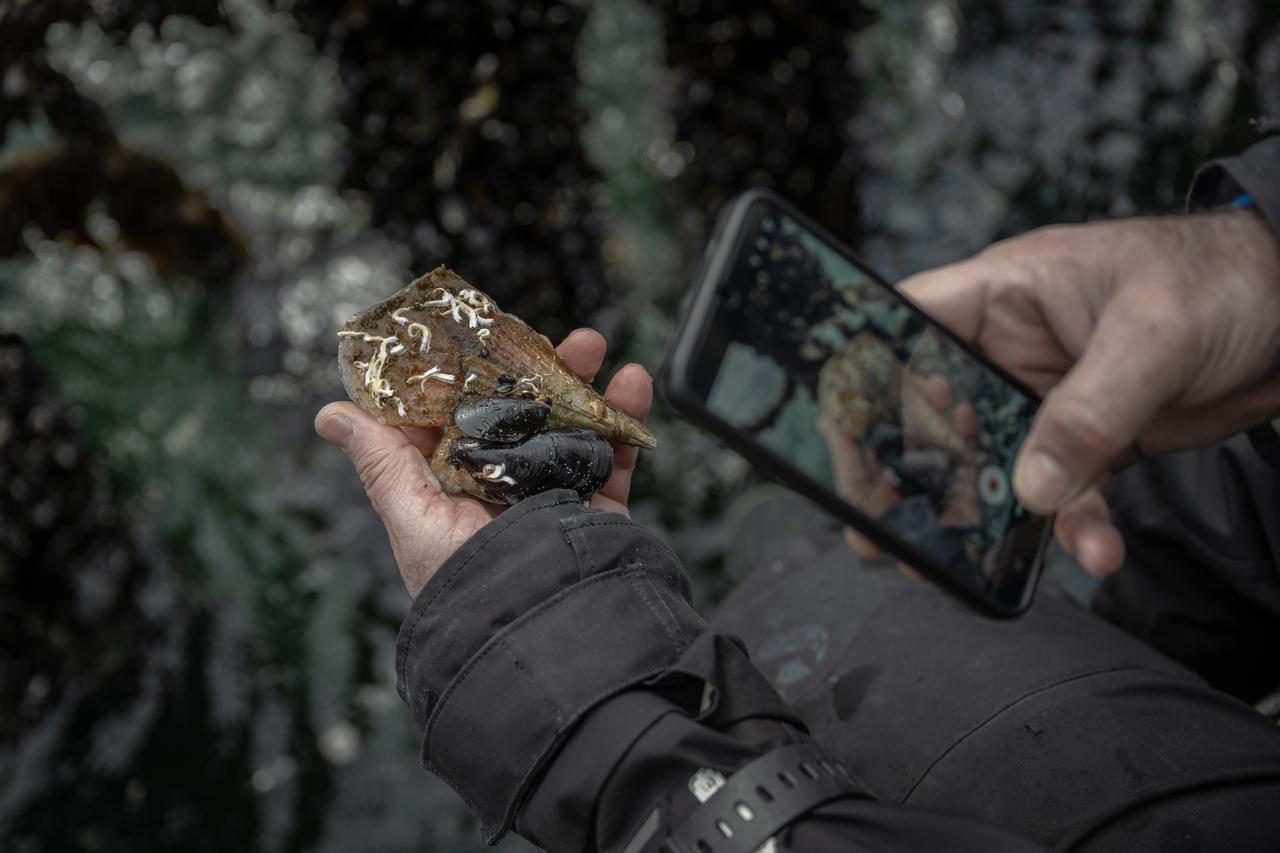
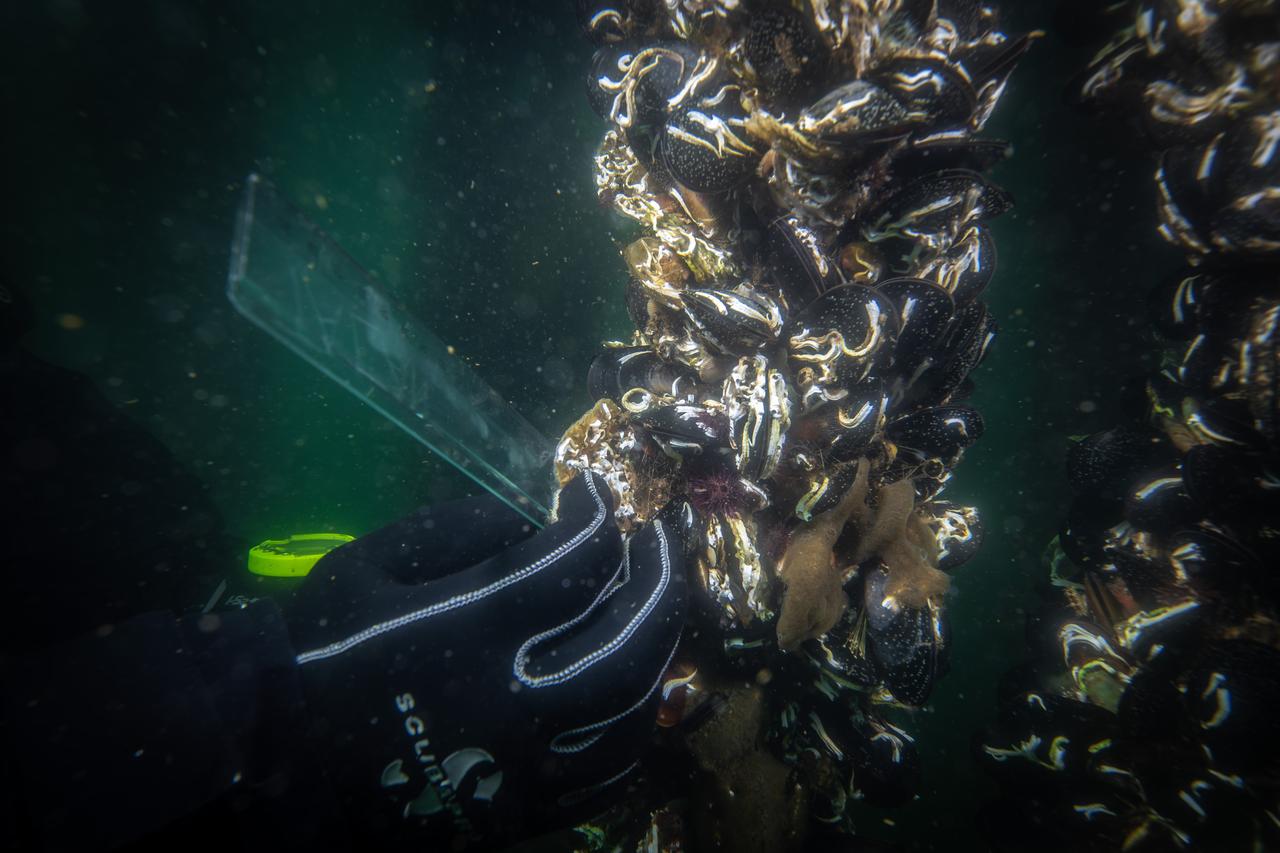
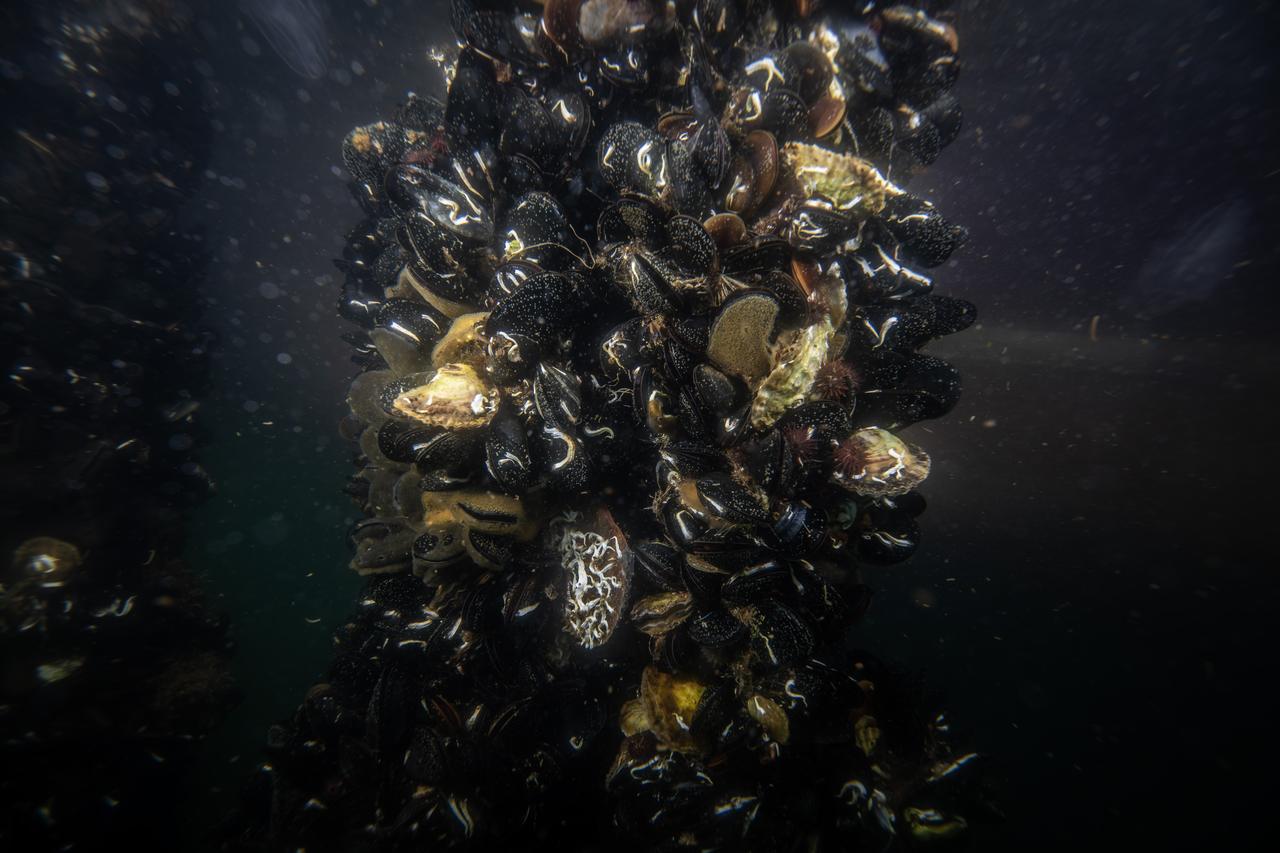
Every year, the Sea of Marmara yields new evidence of its own strangulation, yet the sudden appearance of juvenile fan mussels near Erdek suggests a stubborn biological refusal to vanish. These bivalves, once pillars of Mediterranean biodiversity, are now choosing the synthetic surfaces of mussel farms to grow.
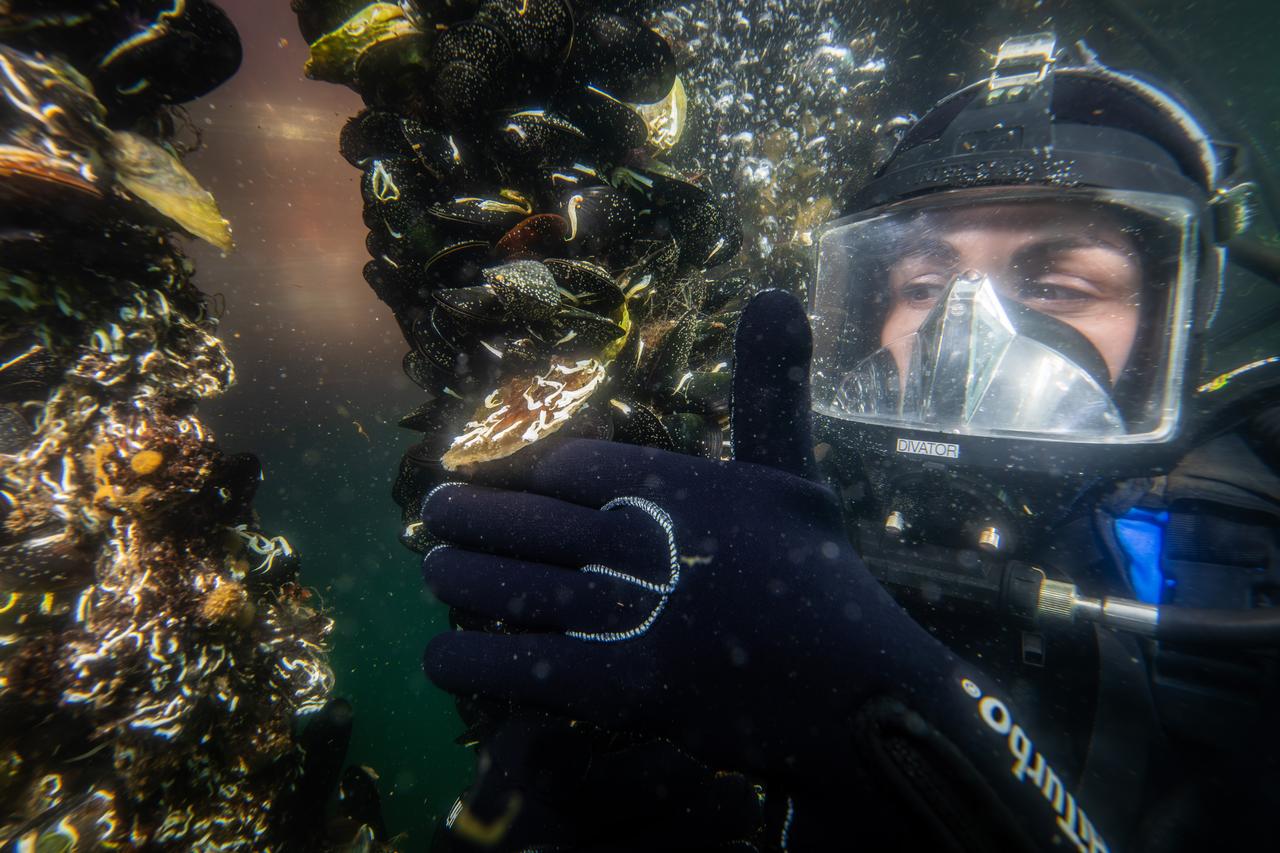
These endangered bivalves are claiming new habitats despite their near-extinction across the broader Mediterranean basin. Their presence indicates that the local ecosystem still possesses a capacity for regeneration.
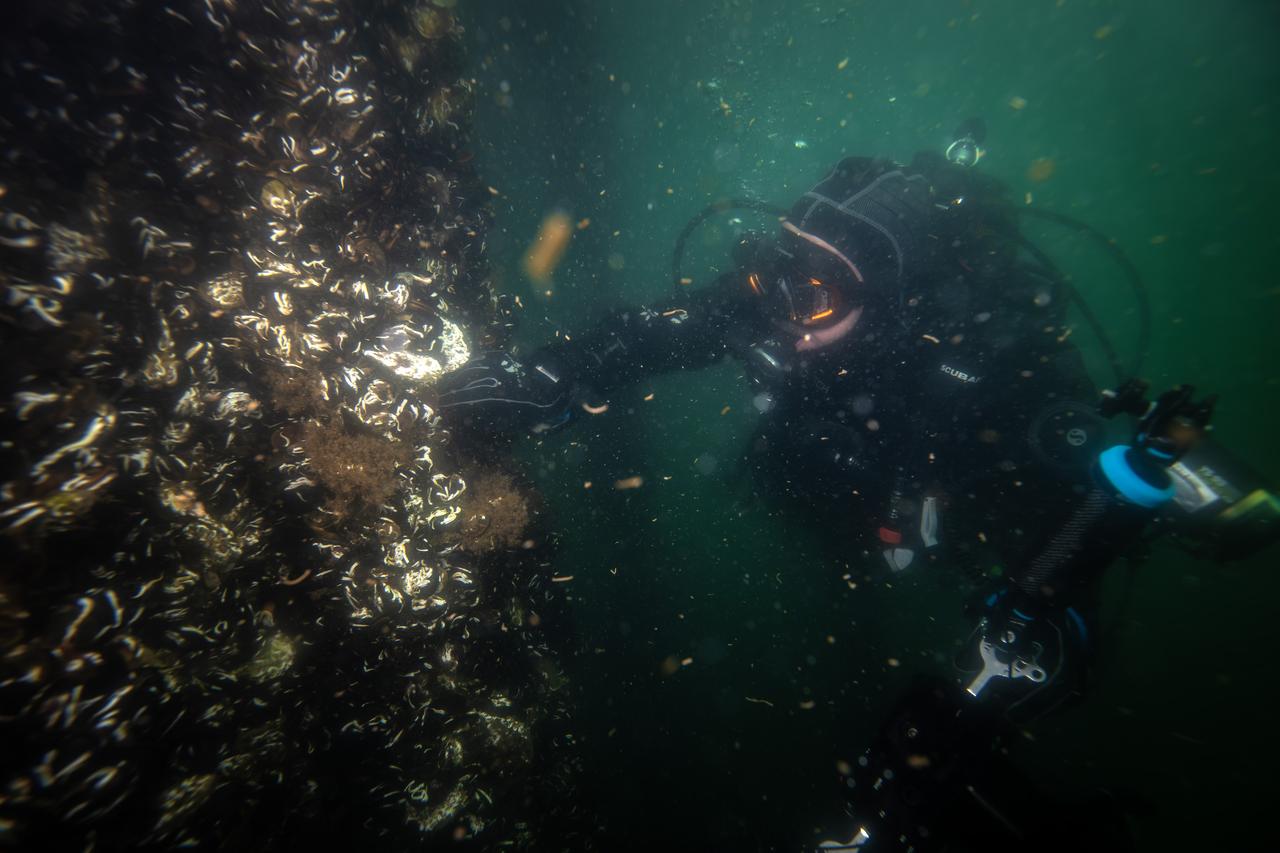
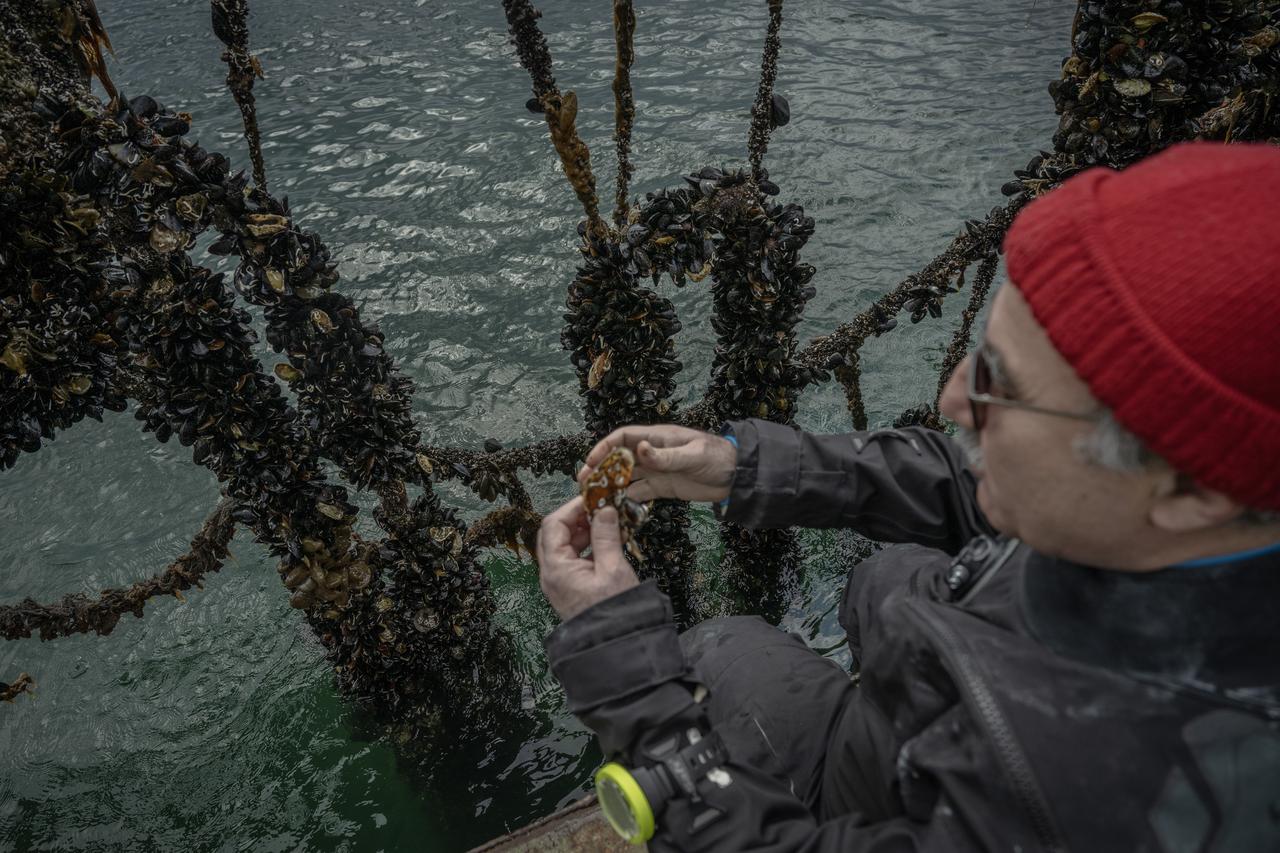
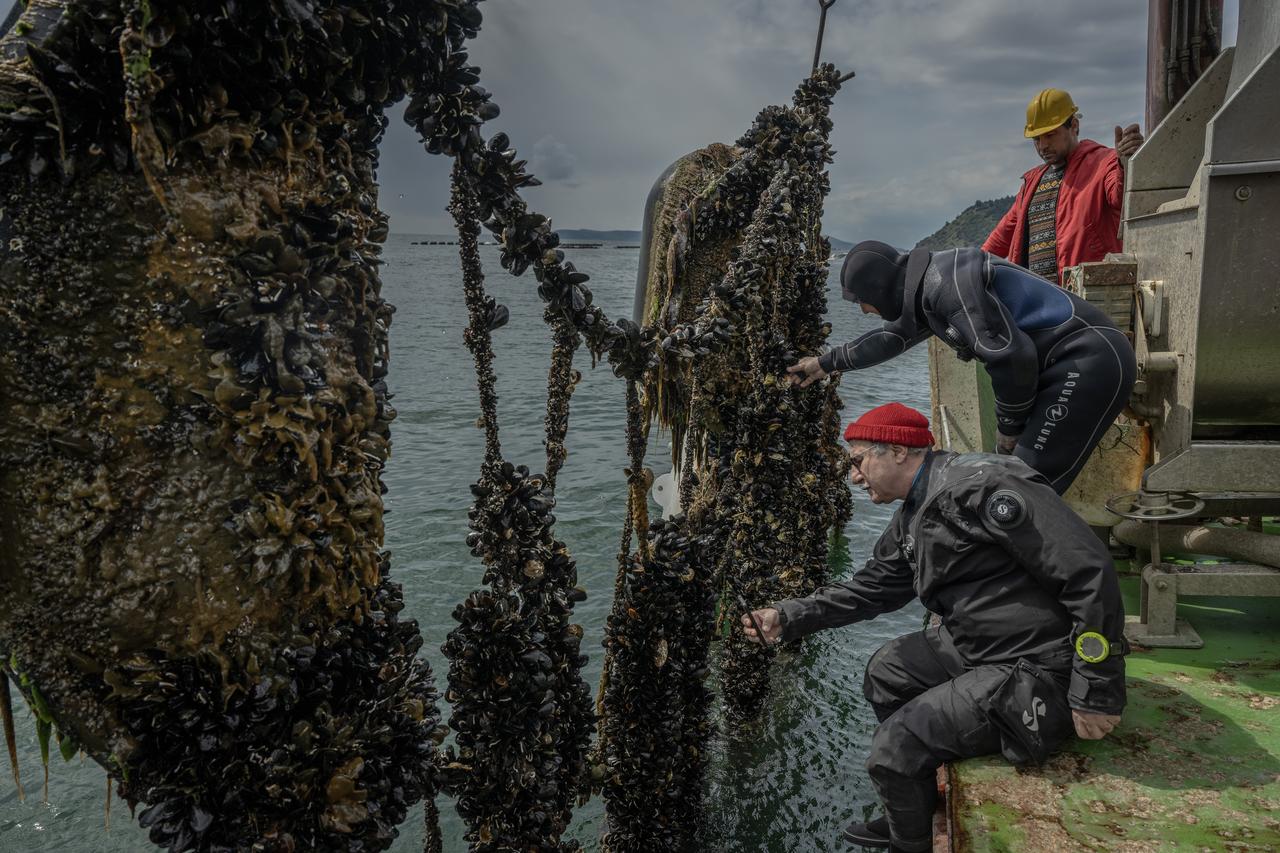
Faculty members from Piri Reis University and divers navigate these waters to decipher how a species once destined for the fossil record has managed this pivot. The mussels have attached themselves to cultivation ropes rather than the traditional seafloor, prompting scientists to study this unprecedented shift in behavior.
Cores extracted by the Bilim-2 vessel have revealed a timeline of environmental degradation that mirrors the rapid rise of manufacturing around the basin. These sediment samples have allowed researchers from METU to analyze eighty years of pollution history layer by layer.
Surface layers of the seafloor contain alarming concentrations of cadmium and zinc, indicating that the sea has become a reservoir for unregulated industrial externalities. Higher levels of organic carbon further confirm that the ecosystem is struggling to process the waste of a growing population.
Oxygen depletion has transformed the deep eastern Marmara into a void where survival is no longer a biological possibility. Data indicate that oxygen levels have cratered to zero in areas deeper than 200 meters, creating a suffocating environment for species with high metabolisms. This collapse of the deep-sea habitat forces marine life to abandon traditional territories in a desperate search for breathable water.
Small, timid smooth-hound sharks now patrol shallow waters to flee the airless abysses of the deep Marmara now. These animals pose no threat to humans, yet their arrival near the shore serves as a visible indicator of the crisis unfolding beneath the surface.
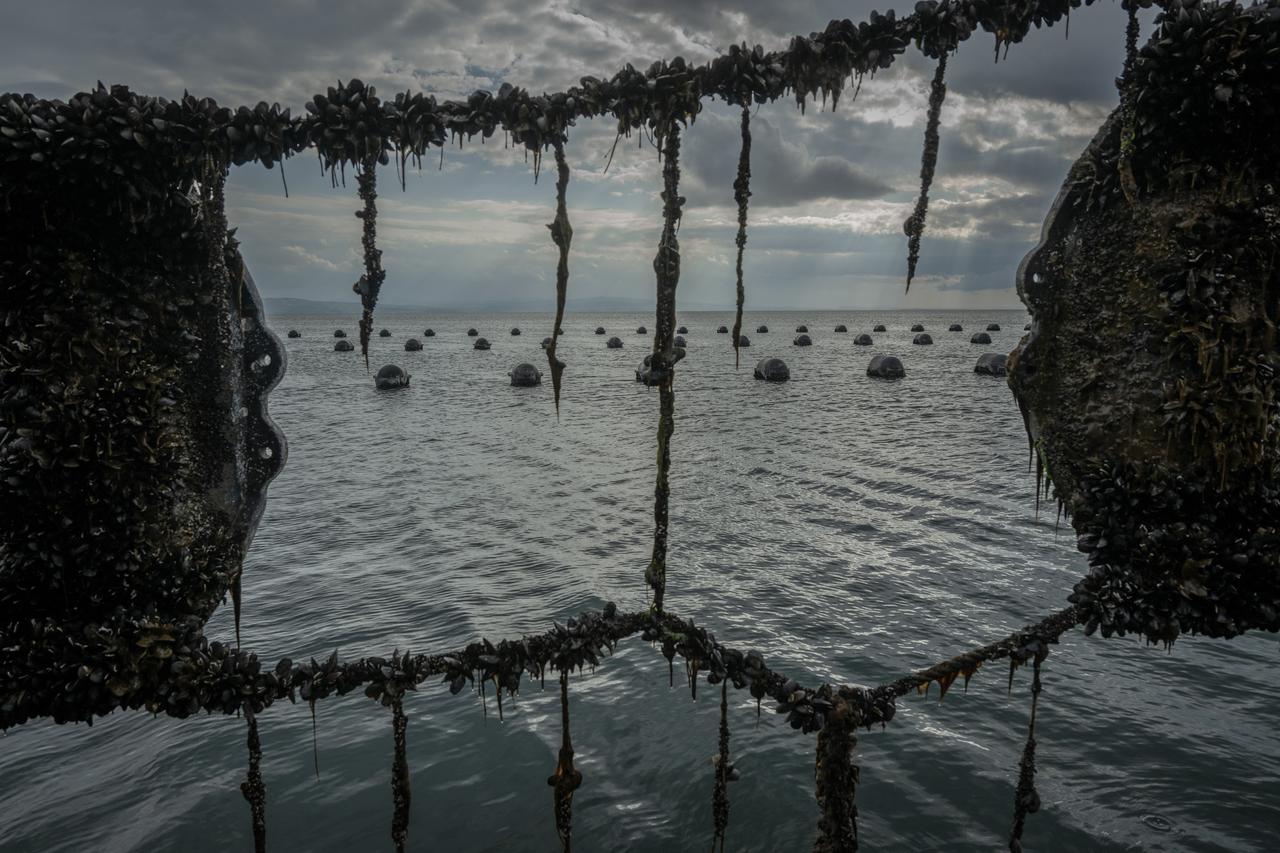
Juvenile mussels secure their future on synthetic ropes, mirroring the sharks that fled oxygen-starved depths for the relative safety of the coast. This growth stages a quiet rebellion against extinction. Such biological persistence proves the Marmara Sea can thrive, provided urban planning finally aligns with the urgent needs of life forms fighting to remain.


 Set as preferred source


 2 min read