Newsletters


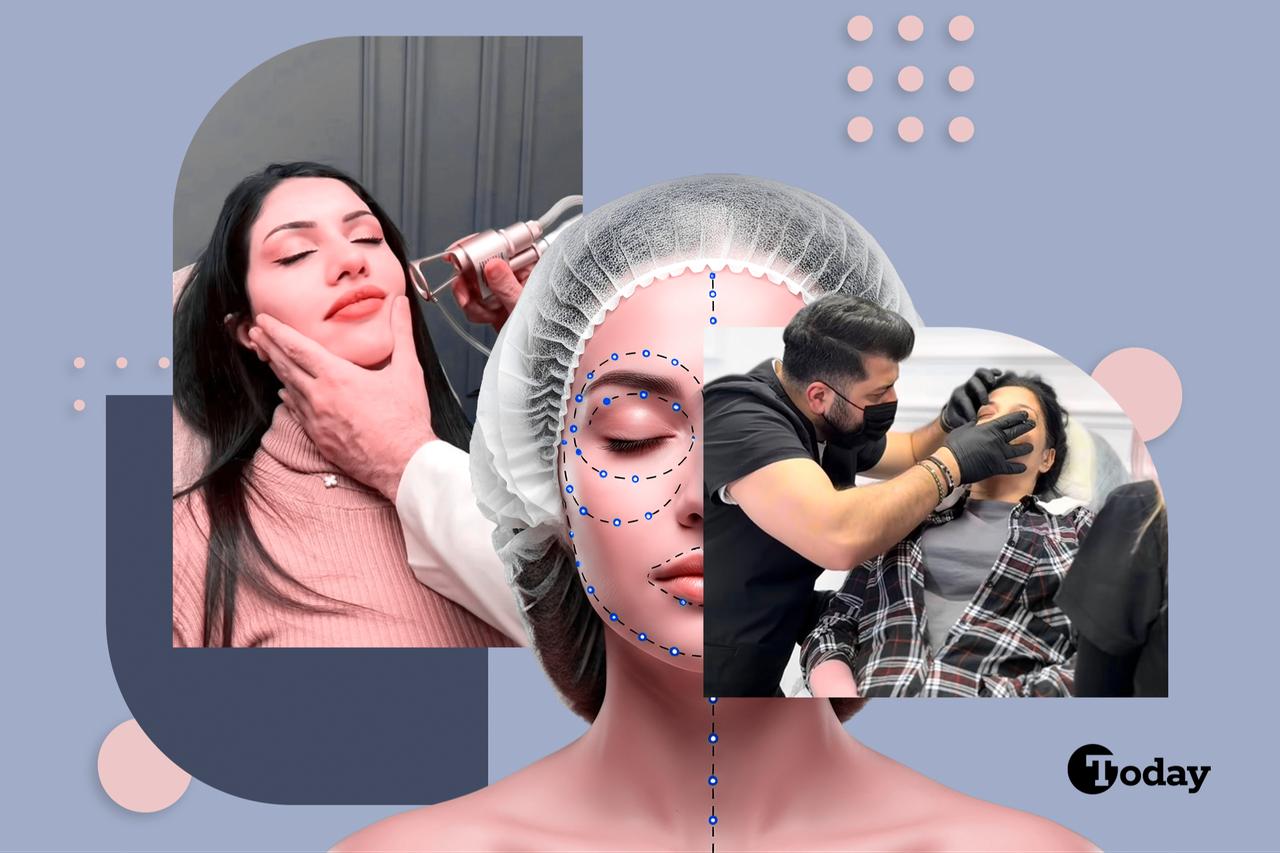


Long after midnight, the phones inside a cosmetic clinic in Istanbul's Sisli district are still ringing.
A bride-to-be from Kuwait, who just dropped $250 on puffy lips, wants reassurance that the swelling from her lip fillers will disappear before her wedding photos.
A client in London sends anxious voice notes asking why one eyebrow sits slightly higher than the other after spending $200 for a flurry of Botox injections.
Meanwhile, Instagram influencer Pervin Uzul smiles beside a doctor beneath warm lighting in a maroon marble-clad clinic lobby. Followers flood the comments with heart emojis and requests for discount codes.
Behind the carefully curated image of Türkiye's booming cosmetic tourism industry, another reality unfolds quietly.
Over the past four weeks, Türkiye Today interviewed over a dozen clinic workers across the city who described an environment of exhausting shifts, low wages, and the heavy emotional toll of managing anxious patients.
Türkiye welcomed nearly 2 million health tourists in 2025; procedures often cost 50% to 70% less than in Western Europe or North America, helping transform Istanbul into a global hub for aesthetic treatments.
The country generated more than $3 billion from health tourism in 2025, placing it among the world’s fastest-growing medical and cosmetic tourism destinations.
Cosmetic procedures account for a significant share of that market, with Istanbul competing directly with destinations such as South Korea, Thailand, and Hungary for international patients seeking lower-cost treatments.
Turkish Health Minister Kemal Memisoglu has emphasized that foreign medical professionals must hold valid work permits and Ministry of Health authorization before performing medical procedures in Türkiye, warning that clinics operating outside those rules can face penalties and closure.


Salma, a 27-year-old Moroccan woman, came to Türkiye five years ago to pursue engineering.
The names of workers in the story have been changed to protect their identities.
Today, despite speaking Arabic, French, English, and Turkish, she works in a cosmetic clinic answering calls, coordinating appointments, and reassuring nervous patients.
She earns approximately $600 a month. Nearly three-quarters of that goes toward rent in an apartment she shares with four other women.
"I can't just leave," she said. "Finding work as a foreigner is not easy."
On busy days, Salma handles over 120 calls and messages from patients worried about swelling, bruising, and healing timelines. Her responsibilities stretch far beyond customer service, often including administrative work, scheduling, and helping coordinate treatments.
Lunch breaks, she says, are often interrupted or skipped entirely.
One shift lasted nearly 13 hours.
She arrived in the morning and remained in the clinic until almost midnight without eating a proper meal. Between helping doctors, reassuring patients, and persuading prospective clients to book procedures, she barely sat down.
At one point, she said, a doctor became frustrated after another patient arrived late in the evening and blamed her for scheduling too many appointments.
The experience left her in tears.
"You can be exhausted, hungry, or crying," Salma said. "Once the phone rings, you must sound warm."
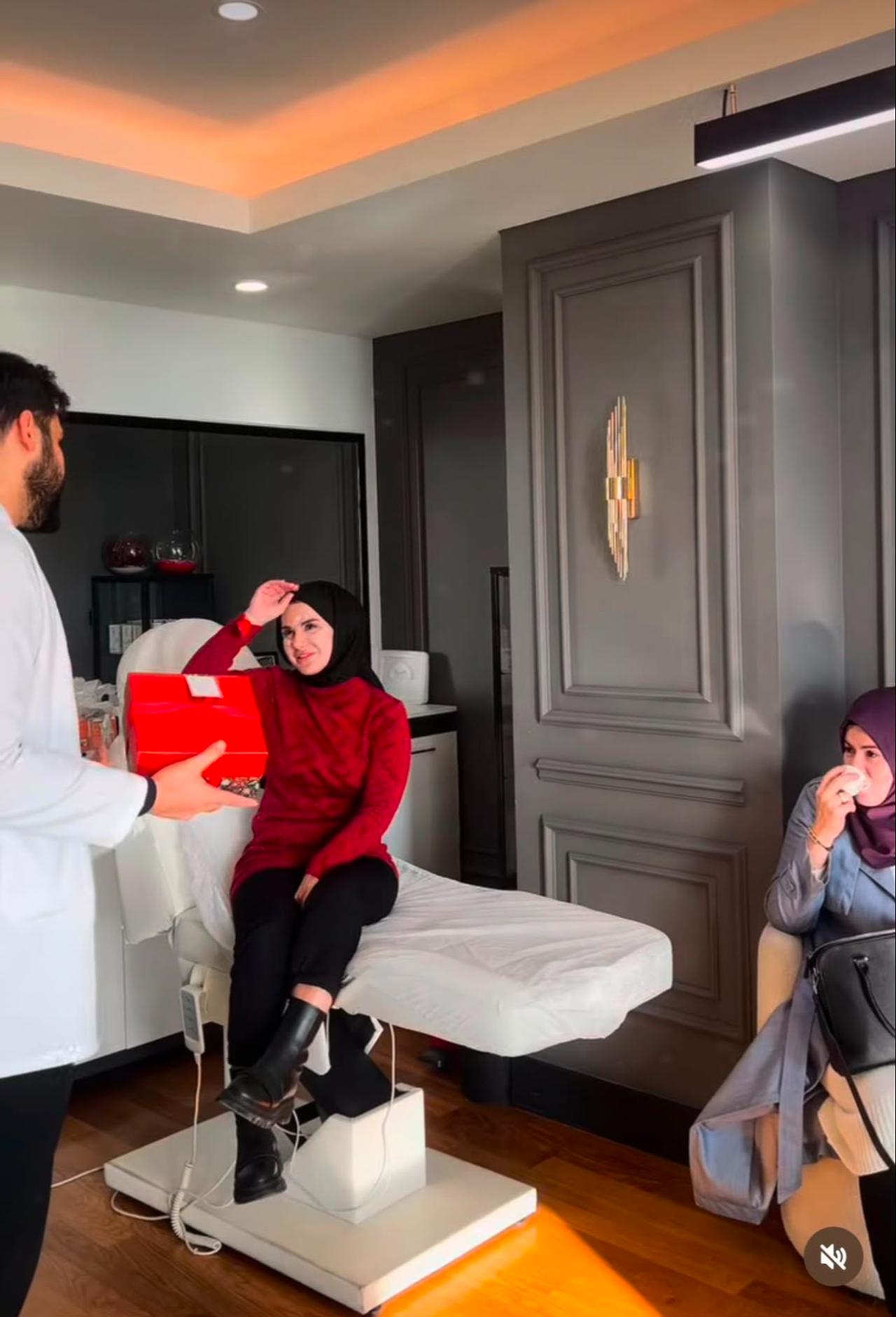
Inside many clinics, reception desks function less like medical offices and more like international sales centers.
Workers move constantly between WhatsApp calls, Instagram messages, and online consultations, switching languages depending on who appears on the screen.
"Patients want comfort," said Emre, a clinic coordinator in Sisli. "If someone comes from another country, scared about a procedure, hearing their own language changes everything."
The law requires at least five Turkish citizens for every one foreign employee in most clinics; foreign workers are often hired specifically for their language skills.
Many said they spent their days selling confidence and reassurance to clients while privately struggling with financial insecurity themselves.
Not everyone stays.
Zeynep, a 31-year-old Syrian worker who said she had worked in seven different cosmetic clinics across Istanbul, eventually left the industry.
After spending five months searching for what she considered a reputable clinic, she said she gave up.
According to Zeynep, salaries rarely rose above minimum wage regardless of experience or performance.
"The harder you work, it doesn't necessarily mean you earn more," she said.
Zeynep also alleged that some clinics prioritized reducing costs over product quality. She claimed materials used in certain procedures were not always the same products advertised to clients, though Türkiye Today could not independently verify the allegation.
"I wanted them to know exactly what was being used," she said.

Several workers interviewed by Türkiye Today said they were paid entirely in cash and lacked formal employment contracts or social insurance.
Under Türkiye's International Labour Force Law No. 6735, foreigners generally must obtain a valid work permit to work legally in the country.
According to information published by the Ministry of Labor and Social Security, employers found hiring foreigners without valid work permits can face administrative fines exceeding ₺81,000 (nearly $1800) per worker, while foreign workers themselves may also face penalties.
Muhammed, a clinic owner, said the cost of obtaining permits was one reason some employers relied on informal labor arrangements.
A one-year work permit costs more than ₺13,500 when permit and document fees are combined.
"Many foreign workers don't stay long," explained Muhammed. "Some leave after six months or a year, so some clinics don't want to make that investment."
Workers also described anxiety surrounding inspections.
Muhammed continues, “We ask the workers to identify themselves as friends or relatives rather than employees if inspectors arrive unexpectedly.”
Authorities have increased oversight of the health sector in recent years. Istanbul health authorities reported conducting more than 17,000 inspections in 2024, resulting in over 80 million Turkish lira in fines.
In 2025, authorities said they carried out more than 8,800 inspections and imposed fines totaling more than ₺112 million.
 1 min read

On social media, Istanbul's cosmetic industry often resembles lifestyle marketing as much as medicine.
Influencers post videos from clinic lobbies. Doctors repost celebrity clients. Luxury interiors blur the line between healthcare and advertising.
"The image matters more than anything," said Daria, a 22-year-old student from Kazakhstan who films patient content for a clinic in Rumeli Caddesi in the Osmanbey area.
"Sometimes I spend more time fixing lighting for videos than doing actual clinic work."
For many international patients, those concerns remain secondary to affordability.
From private drivers to luxury recovery suites, Türkiye's cosmetic tourism industry markets beauty as a premium lifestyle experience.
"There are many good doctors in my country," said Niveen, a Canadian client visiting Istanbul for cosmetic procedures. "But here, I can afford treatments, stay in a hotel, and enjoy Istanbul and still spend less money than in Canada."
Long after the influencers stop filming and the waiting rooms empty, Salma finally sits down to eat dinner in the apartment she shares with four other women.
Her phone lights up again.
A message in Arabic.
Then French.
Then Turkish.
Another patient seeks reassurance that her money will buy the face she was promised. Salma, meanwhile, sits making calculations in her head just to make it to the end of the week.


 Set as preferred source
 Set as preferred source


 1 min read