Newsletters


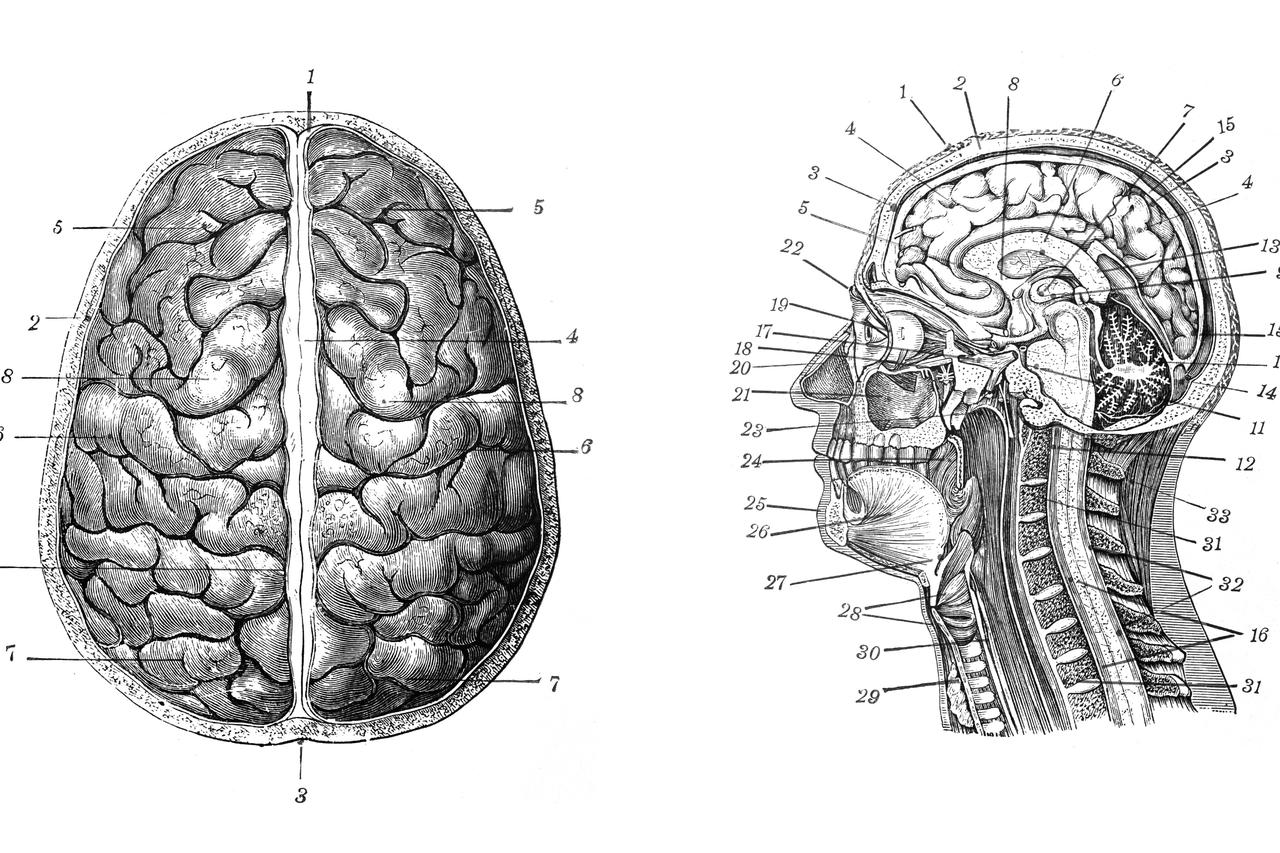


Scientists have long debated whether the human brain has physically decreased in size over thousands of years, with some researchers pointing to substantial evidence in skulls while others find no measurable change.
Research by Maciej Henneberg, professor emeritus of anthropological and comparative anatomy at the University of Adelaide, suggests that human brain size declined by roughly 10%.
That's approximately 150 milliliters, measured across the entire Holocene, the geological epoch spanning the last 11,700 years.
Henneberg reached this conclusion by examining skulls from around the world, many of which he analyzed personally.
Similar findings were reported by Jeremy DeSilva, an anthropology professor at Dartmouth College, whose research examined over 5,000 skulls from individuals who lived in Europe, Asia, Africa and Australia.
Jeff Stibel, who holds a doctorate in brain science and has published multiple papers on the subject, supported this assessment after independently analyzing brain size data from roughly 800 additional skulls.
"The Holocene warming period has coincided with more than a 10% reduction in brain size in modern humans," Stibel said.


Not all scientists share this view. Brian Villmoare, an associate professor of anthropology at the University of Nevada, Las Vegas, found no evidence of meaningful change.
"I see no evidence that, once we acquired our modern form, our brains have changed in any meaningful way," he said.
John Hawks, an anthropology professor at the University of Wisconsin-Madison, offered a more cautious interpretation.
He noted that existing datasets tend to overrepresent men of European ancestry, making it difficult to identify a reliable global trend.
Hawks also pointed out that brain sizes appeared to rebound toward larger measurements during the past 150 years in industrializing countries, a shift he linked primarily to improved nutrition and corresponding increases in body size.

Scientists who support the shrinkage hypothesis have proposed several explanations. One relates to the shift from hunter-gatherer lifestyles to agricultural societies during the Holocene.
As humans began farming and living in larger communities, the physical demands of hunting large game declined, and smaller body sizes required less food—a trait that may have been favored through natural selection.
Human body height also decreased during this period: DeSilva's team noted that male height dropped from roughly 1.75 meters at the end of the last ice age to approximately 1.65 meters in mid-Holocene agricultural communities.
Climate is also a factor, according to Stibel, who cited two biological principles, Bergmann's rule and Allen's rule. These hold that bodies and organs tend to become leaner in warmer climates to dissipate heat more efficiently.
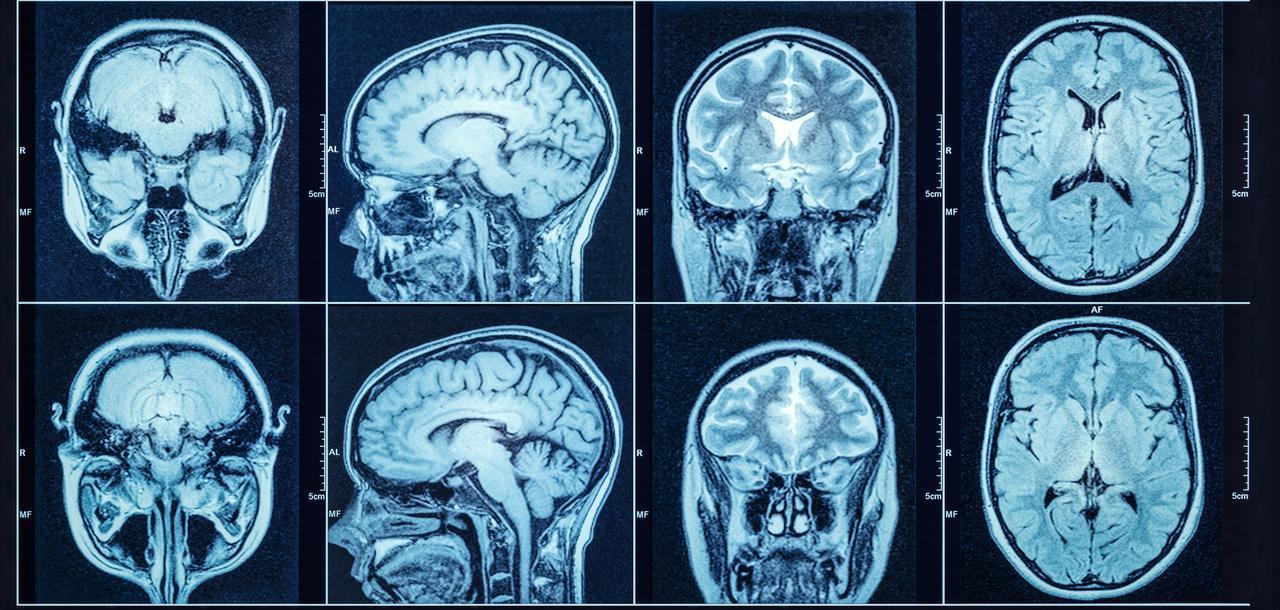
A third explanation involves the development of collective intelligence. DeSilva and his team proposed that as human populations grew and individuals began specializing in specific social roles, the cognitive burden once carried by each person was distributed across the group.
This is a dynamic observed in certain social insects, such as ants and wasps, where species with complex colony structures tend to have smaller individual brain sizes.
Stibel described the shift in similar terms. "What our research suggests is that we've undergone a fundamental shift in how cognition works," he said.
"Rather than relying solely on individual brainpower, we've become extraordinarily dependent on cultural and technological networks."
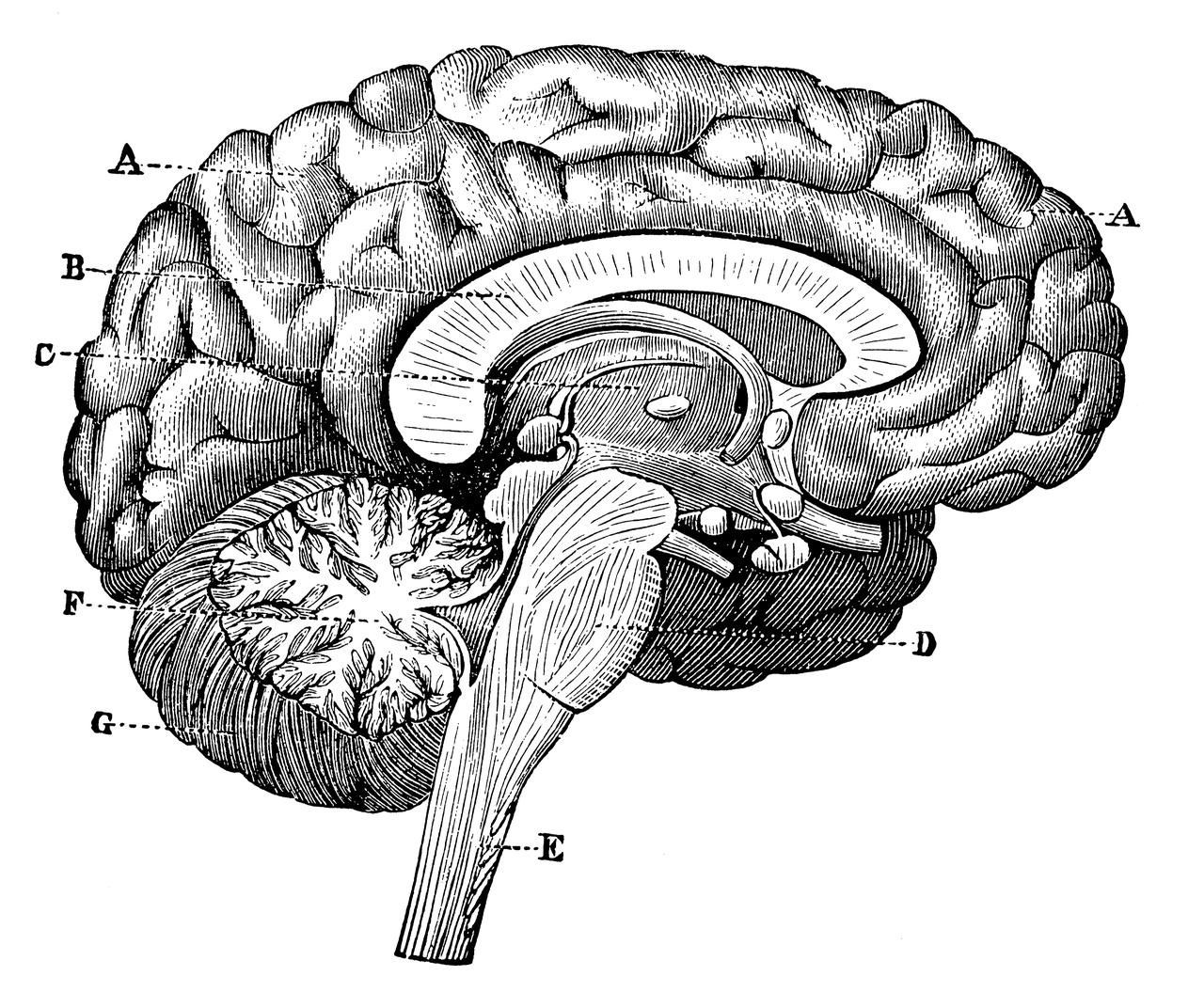
Importantly, a larger brain does not necessarily correspond to higher intelligence. DeSilva pointed to Albert Einstein, whose brain was notably small, as an illustration of that disconnect.
Studies suggest that factors such as brain structure and the complexity of neural folding patterns may be more relevant to cognitive ability than overall size.
Whether brain shrinkage represents a decline, an adaptation, or a trade-off remains an open question among researchers.
"Whether that's a gain or a loss depends entirely on how you define intelligence," Stibel said, "and, of course, how stable the cultural and technological systems we now depend on turn out to be in the long run."


 Set as preferred source
 Set as preferred source



 3 min read