Newsletters


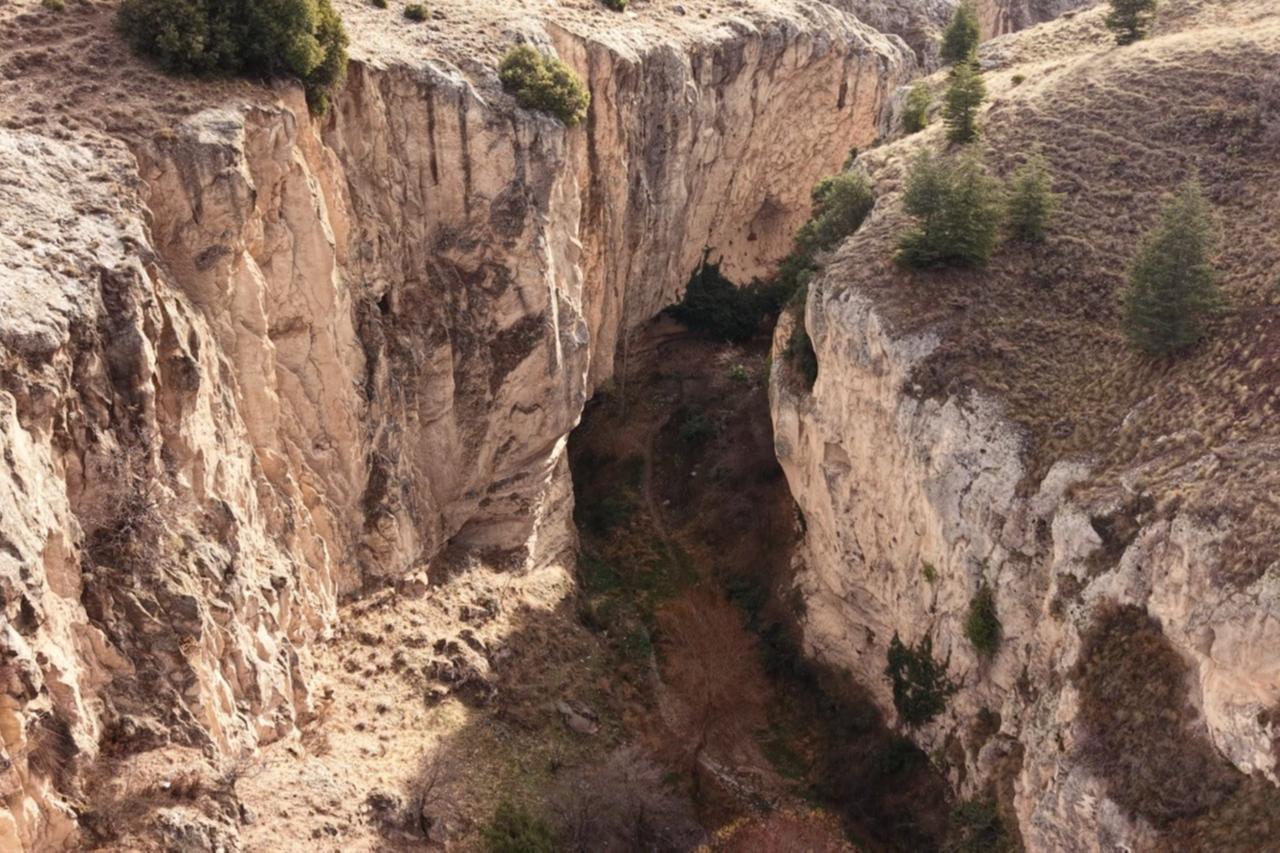


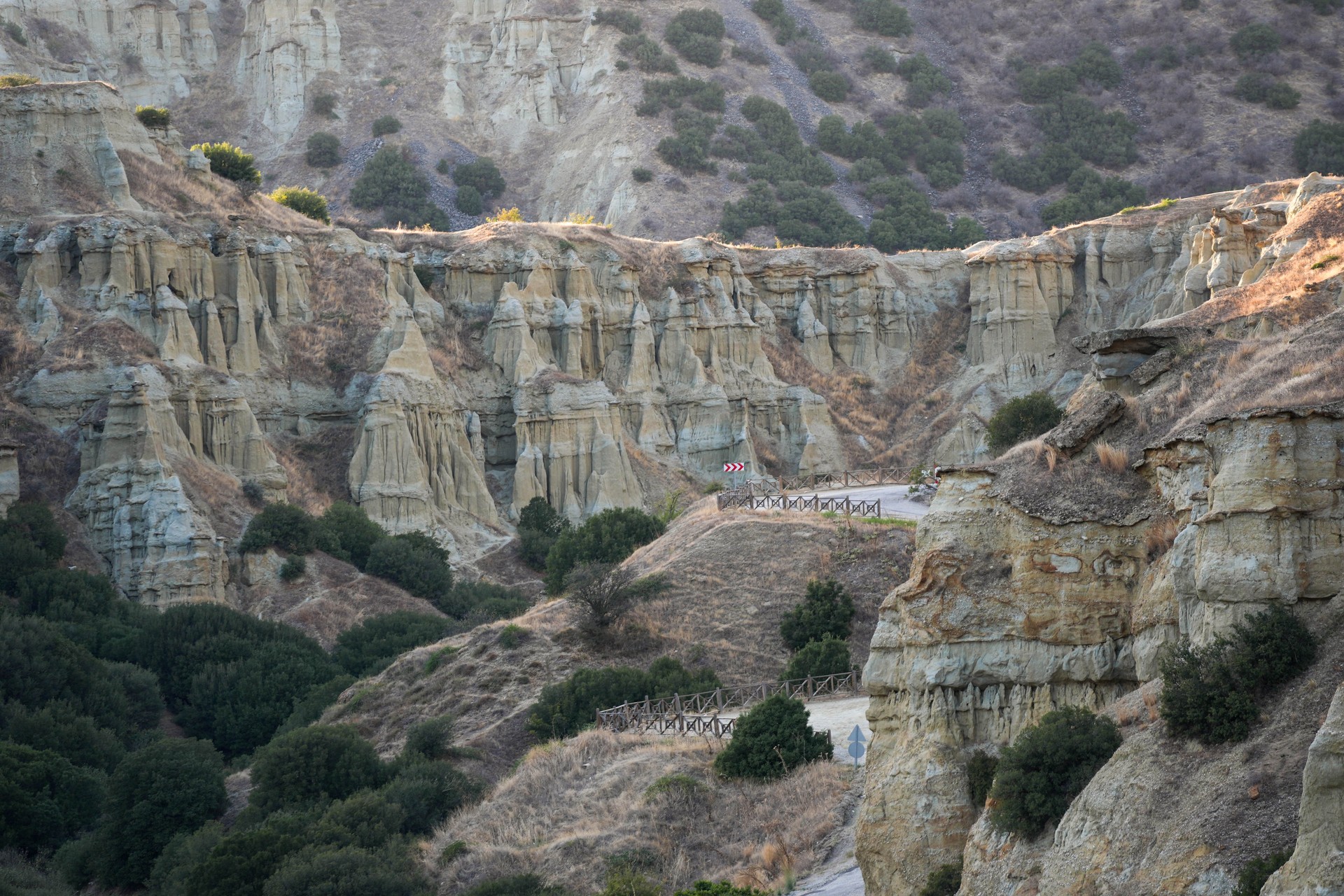
Serencay Canyon, which stretches between the villages of Gunalan and Askeriye in the Burdur province of Türkiye, stands out for its dramatic natural formation and cave settlements that carry clear traces of early human use. The site, long known locally as Teke Sarayi and sometimes called Kadife Kale or “Velvet Castle,” preserves rock-cut dwellings and burial spaces that specialists believe date back to the fourth or sixth century A.D., a period associated with the Late Roman or Early Christian era.
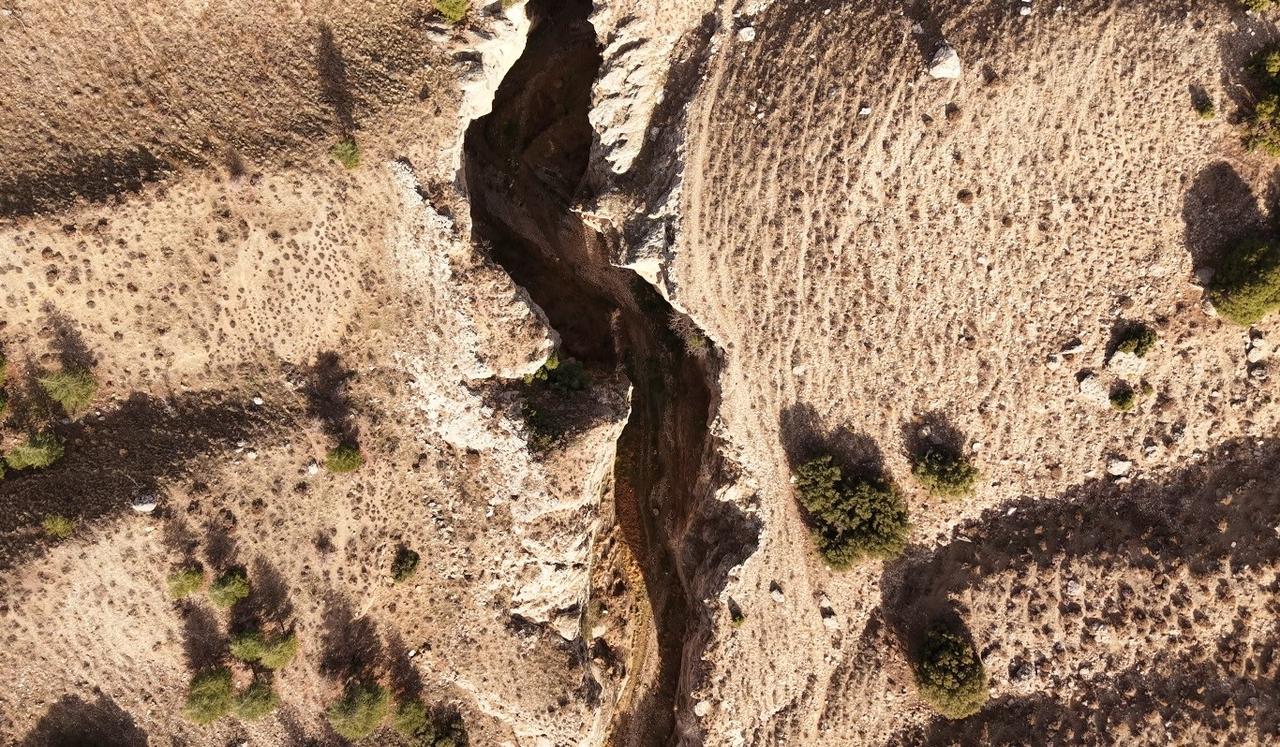

The canyon sits on the Askeriye stream and has been carved into a sequence of cliffs and caves that people once converted into living spaces. Rock faces in the canyon are soft enough to be hollowed out, which led locals to adopt the name “Kadife Kale,” literally Velvet Castle, to describe the site’s easily worked stone and the caverns it yielded. These natural hollows offered shelter and, according to local tradition, places to bury the dead.
The place-name Teke Palace comes from pastoral practice: shepherds used the canyon to rest their flocks during heavy rain or snow, and the lead male goat in a herd is called a “teke.”
Over time, that practical association with herding gave the site its name, linking a living landscape to the human livelihoods that shaped it.
Archaeologists and historians have paid increasing attention to the canyon’s remains. Professor Mehmet Ozsay has suggested the site may belong to the Late Roman or Early Christian period, fitting its fourth–sixth century A.D. dating.
Foreign scholars have also visited to study the area, and the site attracted early Western interest: the English traveler Hamilton visited in 1835 and described Kadife Kale in his writings. In addition, a doctoral study focused on the region was completed around 1940, indicating continued academic interest through the 20th century.
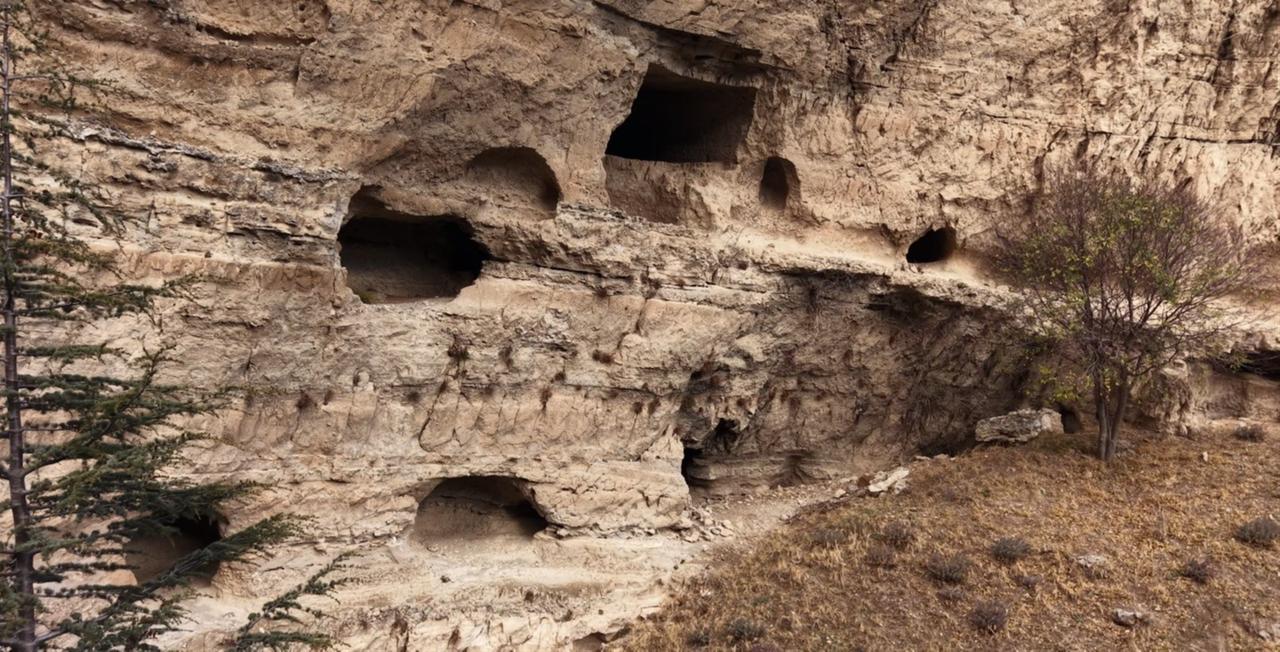
Local officials underline that the canyon preserves settlement evidence on both slopes, and that caves were used for habitation and, in some areas, for burials.
As Osman Kocibay, deputy director at the Burdur Provincial Directorate of Culture and Tourism, put it, “The canyon contains historic settlement areas on both sides.” His account ties together local memory, landscape use, and the archaeological view that these hollowed rocks were more than temporary shelters.
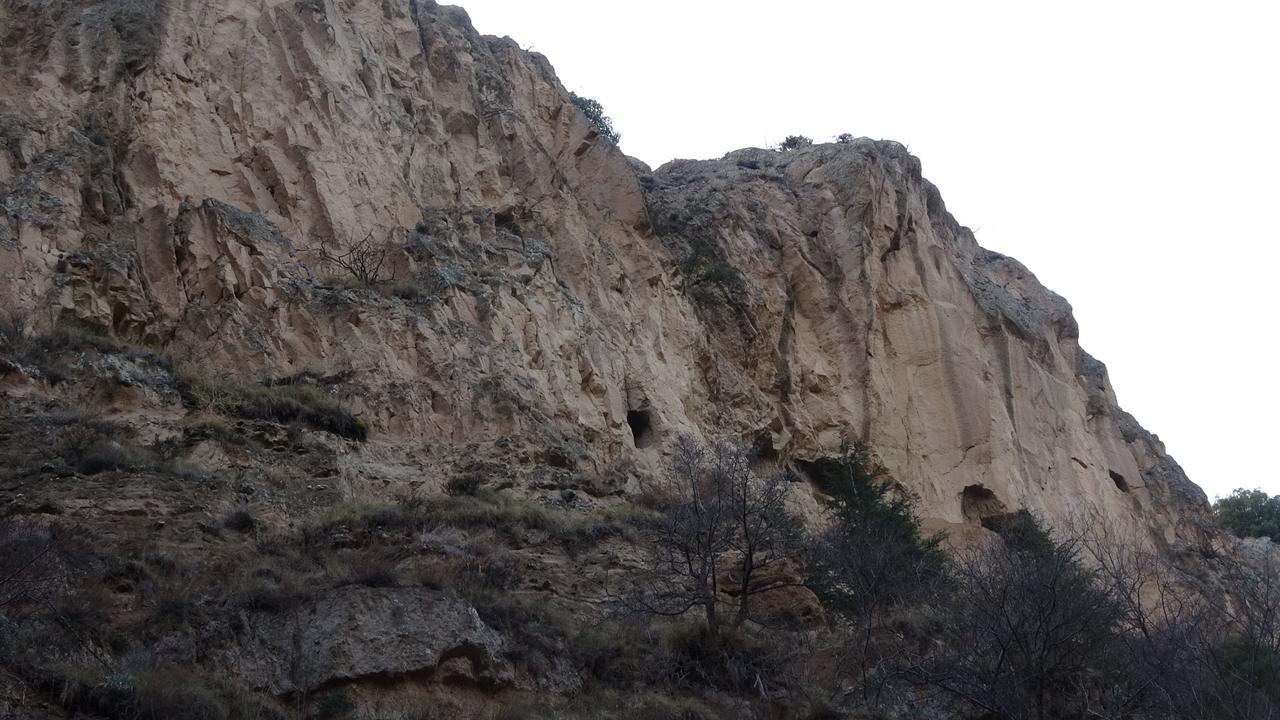
Serencay Canyon and Teke Palace offer a compact but revealing glimpse into how natural features and pastoral life shaped shelter, ritual and settlement in this corner of Asia Minor.
The site’s combination of geological ease of carving, visible cave dwellings and references in both local lore and early travel accounts make it a distinctive location for further study and interpretation.


 Set as preferred source
 Set as preferred source


 1 min read
 1 min read