Newsletters


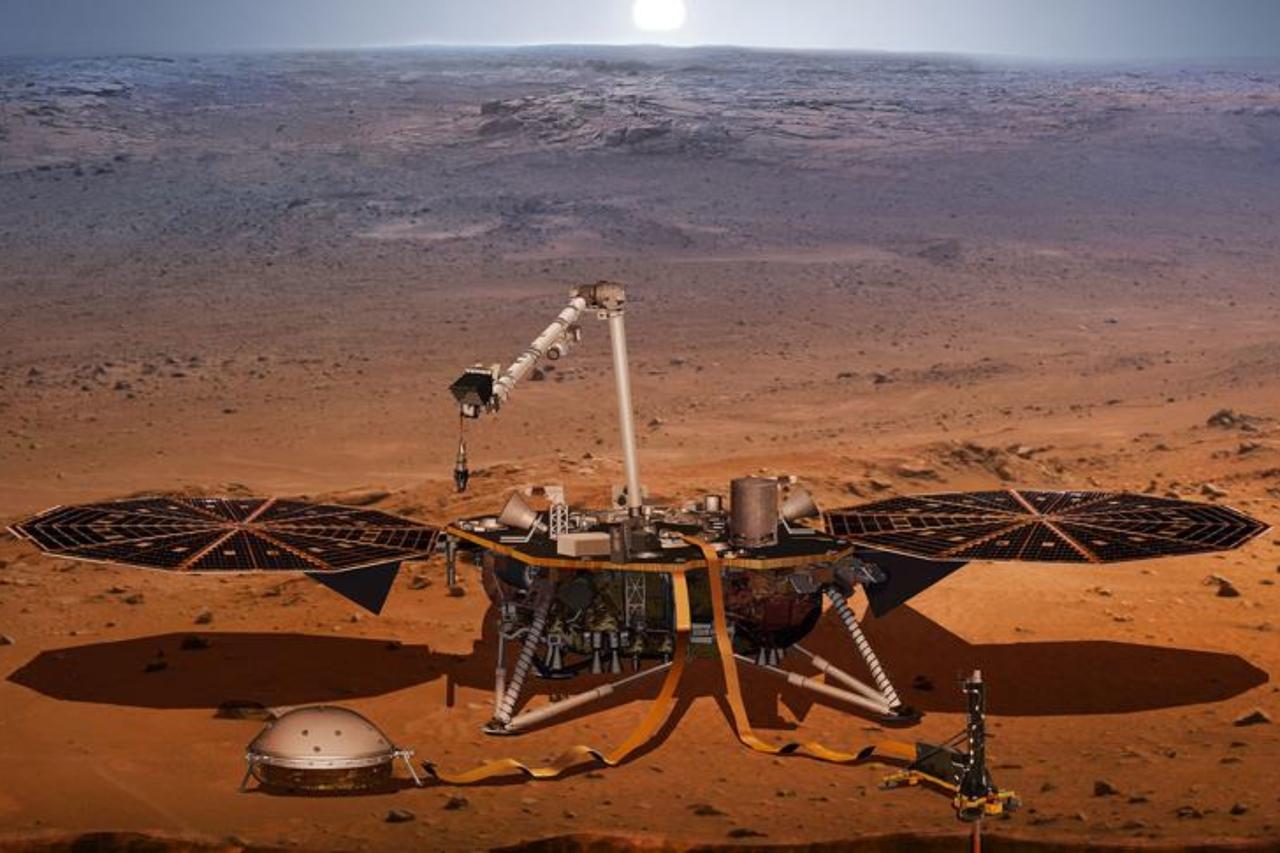


New data from NASA reveal that water ice lies just about 1 meter below the Martian surface, a finding that sheds new light on the planet’s climate history and marks a critical milestone for future human missions to Mars.
Newly uncovered data point to the presence of water ice located less than 1 meter beneath the surface in Mars’ Amazonis Planitia region. A research team made up of NASA scientists and U.S.-based universities analyzed high-resolution orbital imagery and topographic data to study the area’s geological formations. The results indicate that moist and ice-rich layers are spread across a wide subsurface area.
The discovery is significant because it suggests that access to water on Mars may be far easier than previously thought. For human missions, water is essential not only for drinking but also for producing oxygen and generating hydrogen that can be used as rocket fuel. According to scientists, this shallow ice could become the most critical natural resource for long-term human settlements on the Red Planet.
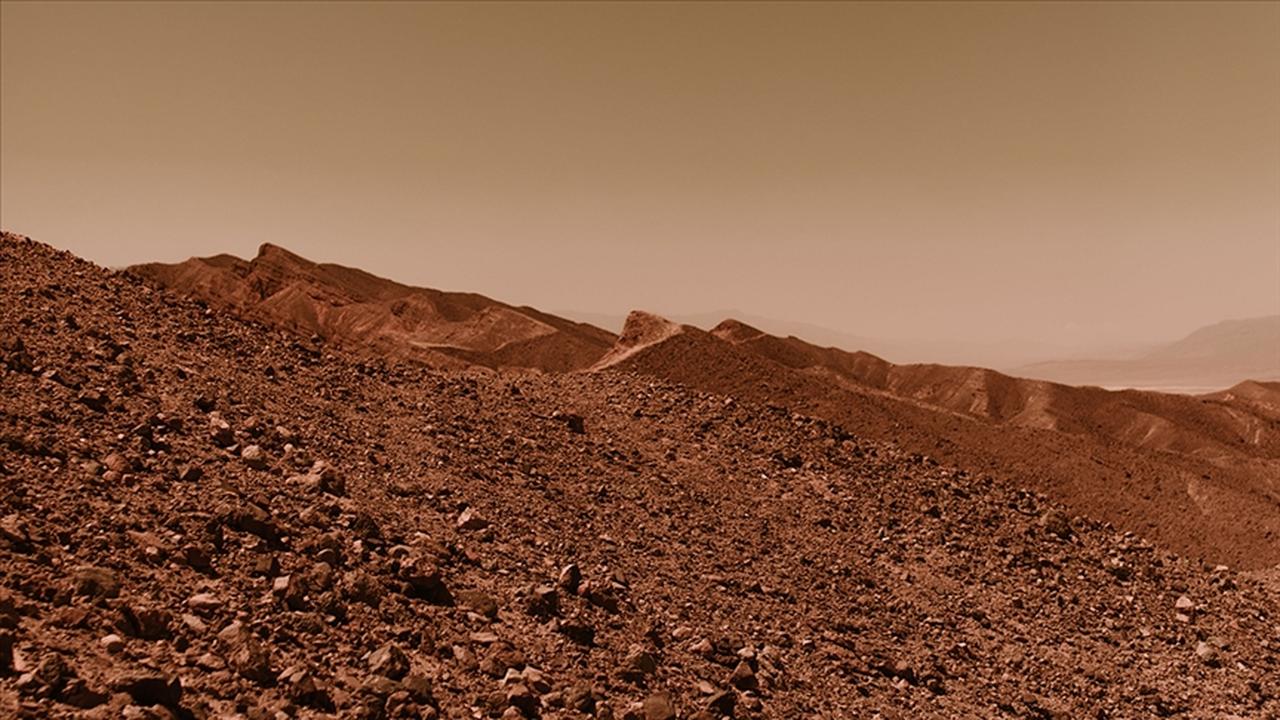

Today, Mars appears cold, dry, and desolate with its thin atmosphere. Yet the presence of water ice so close to the surface strengthens the view that the planet once had a much milder climate. For years, scientists have debated whether rivers, lakes, and even vast bodies of water once existed on Mars. The new findings offer tangible evidence that supports these long-standing theories.
The shallow ice also revives discussions about the possibility of ancient microbial life. Ice can act as a natural shield, preserving traces of past biological activity for billions of years. This raises the prospect that future missions could find chemical or biological signatures dating back to when Mars may have been far more hospitable to life. As a result, scientific efforts to search for past life on Mars are expected to intensify in the coming years.
Amazonis Planitia is now drawing growing attention as a promising candidate for future human landings on Mars. Its mid-latitude position offers relatively stable conditions, avoiding extreme cold while allowing efficient use of solar energy. The close proximity of water ice to the surface also means that any future base built in the region could meet its water needs locally
Scientists are now preparing further radar studies to determine the thickness, stability, and geographic spread of these ice layers in greater detail. The resulting maps will play a key role in selecting landing zones and determining where permanent human bases could eventually be established.
The fact that water is now believed to be easily accessible beneath the Martian surface transforms the vision of living on another planet from science fiction into a tangible engineering challenge. With every new discovery, Mars moves one step closer to becoming a viable destination for sustained human presence.


 Set as preferred source
 Set as preferred source


 1 min read
 1 min read