Newsletters


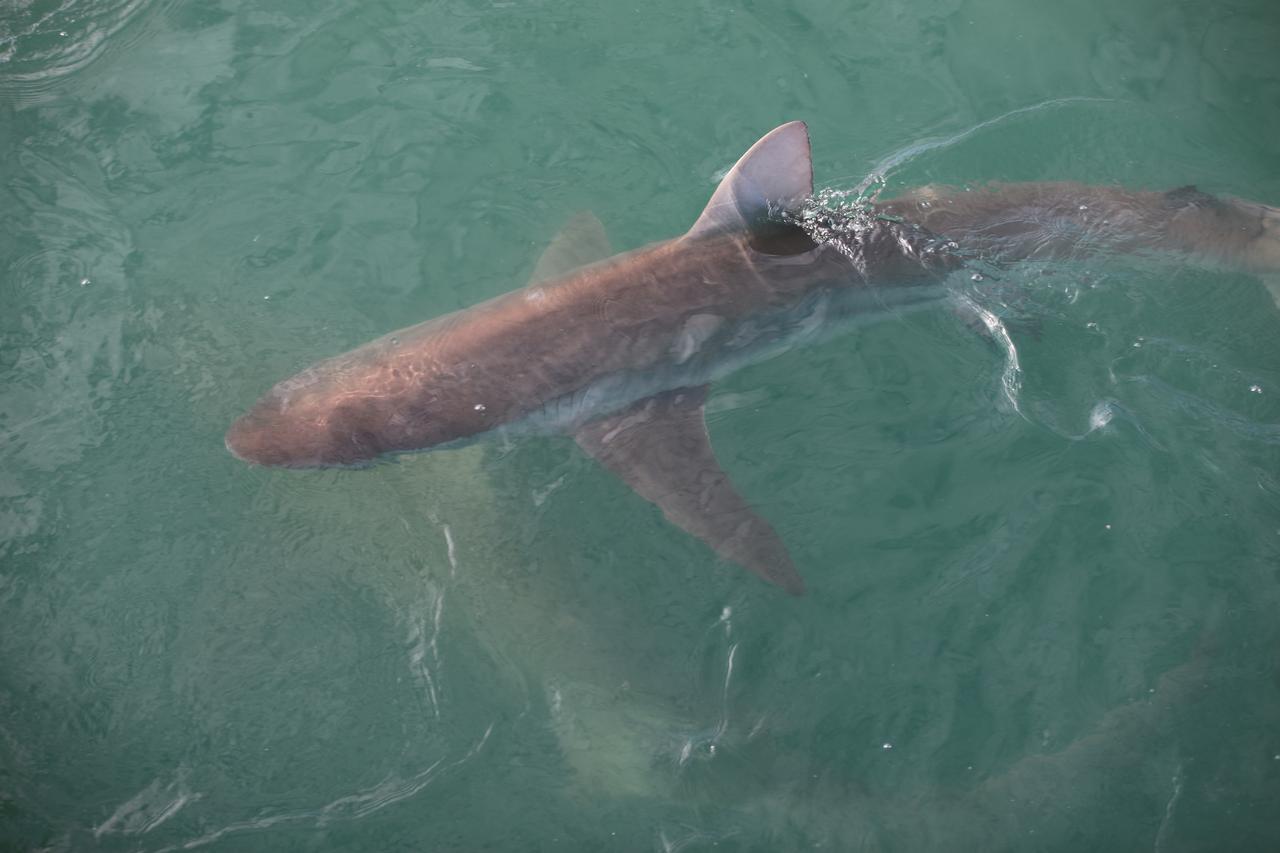


Fewer sharks off South Africa's coast are raising concerns about the marine ecosystem. Experts warn that losing these top predators could set off a chain reaction throughout the ocean's food web.
A report from April 2026 by the South African National Biodiversity Institute (SANBI) says that 82 out of 191 shark species in South African waters are threatened with extinction. Of the 13 shark species found only along South Africa's coast, six are considered endangered.
Marine scientists and industry experts are especially worried about the disappearance of great white sharks from False Bay near Cape Town, which used to be a key habitat for them.
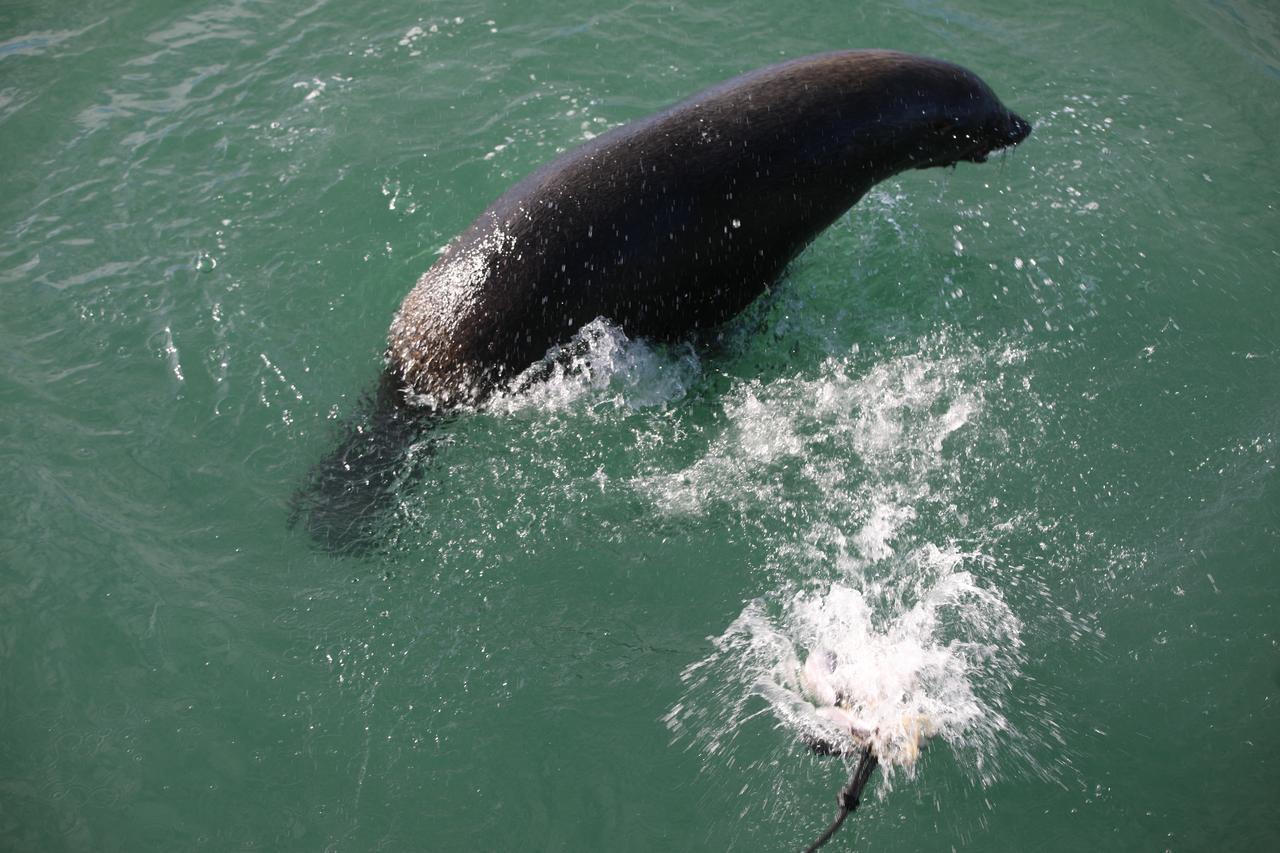

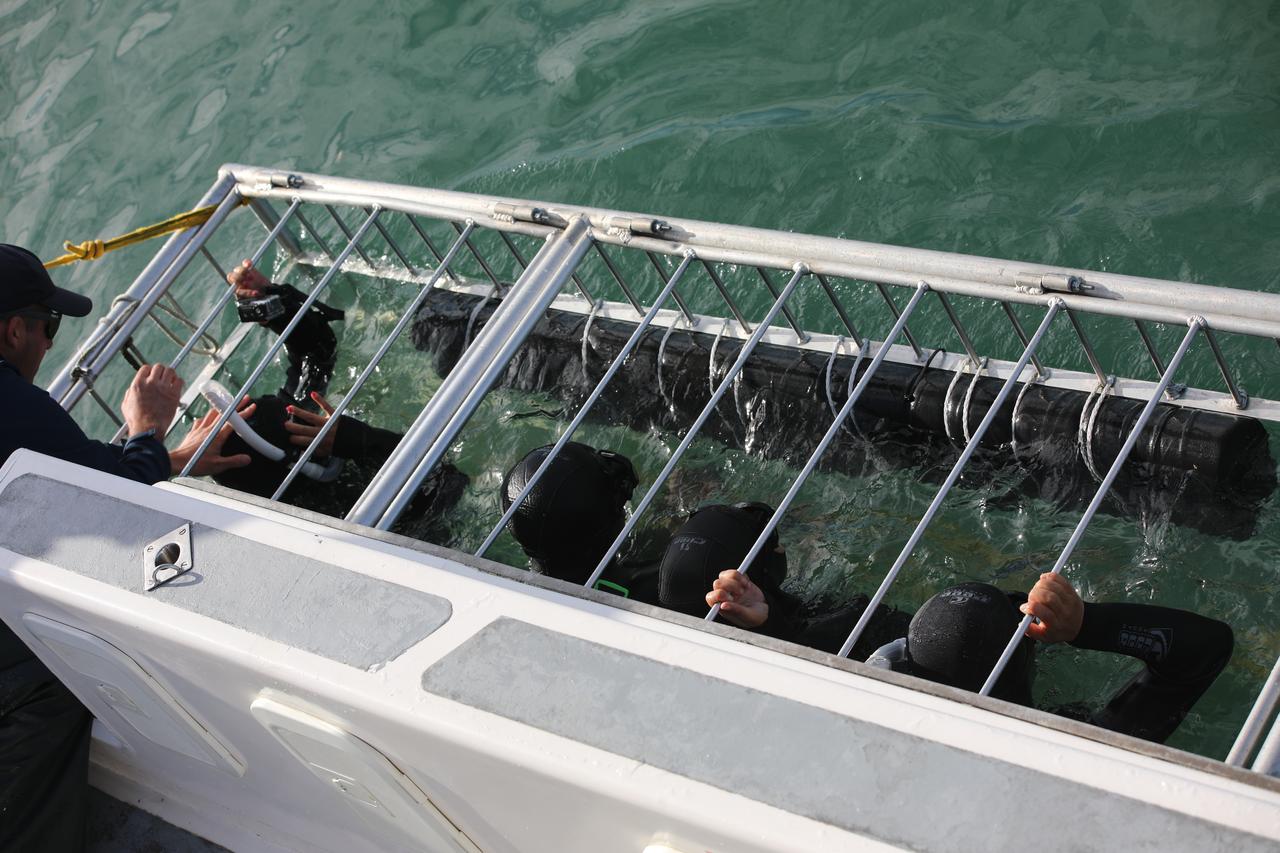
Karyn Cooper, director of Apex Shark Expeditions, which has run shark-watching tours for 30 years, said the biggest change along South Africa's coast in the past decade is the disappearance of great white sharks from False Bay and the Cape Peninsula.
Although orcas are often blamed, Cooper said the situation is more complicated. "I believe this is only a short-term effect. Sharks do not disappear long-term solely because of orcas. We believe many other factors are at play," she said.
Cooper cited commercial fishing as the primary human threat to sharks. "Populations of smaller shark species have been severely damaged due to longline commercial fishing operations targeting bottom-dwelling species," she said.
She stressed that people need to understand the ecological value of sharks for conservation to succeed. She argued that education and reducing fear are key to changing attitudes.
"Sharks are apex predators. When you remove them from the ocean, the balance of the food chain is disrupted. We must protect sharks first—healthy ecosystems will follow," Cooper said.
Marine biologist Damara Naidoo told Anadolu Agency (AA) on World Oceans Day that sharks are "apex predators" and "keystone species" in many marine ecosystems. She warned that their decline could cause chain reactions throughout the food web.
'Sharks are apex predators. A reduction in their numbers or presence can affect prey species populations and produce cascading consequences throughout the rest of the food web,' Naidoo said.
Naidoo also pointed out that predator dynamics have changed in recent years. "The declining frequency of great white shark sightings, combined with the entry of orcas into our waters, is notable. This has led to significant changes in the ecosystem, affecting species distribution and population densities," she said.
One result, Naidoo said, is a rise in seal populations. She explained this could put more pressure on local resources and cause more changes throughout the food chain.
Naidoo emphasized that protecting apex predators is essential for ocean health. She warned that public misunderstandings should not prevent efforts to protect sharks.
"The misconceptions and false perceptions people hold about sharks should not serve as justification for failing to protect them," she said.


 Set as preferred source
 Set as preferred source



 1 min read