

 Newsletters


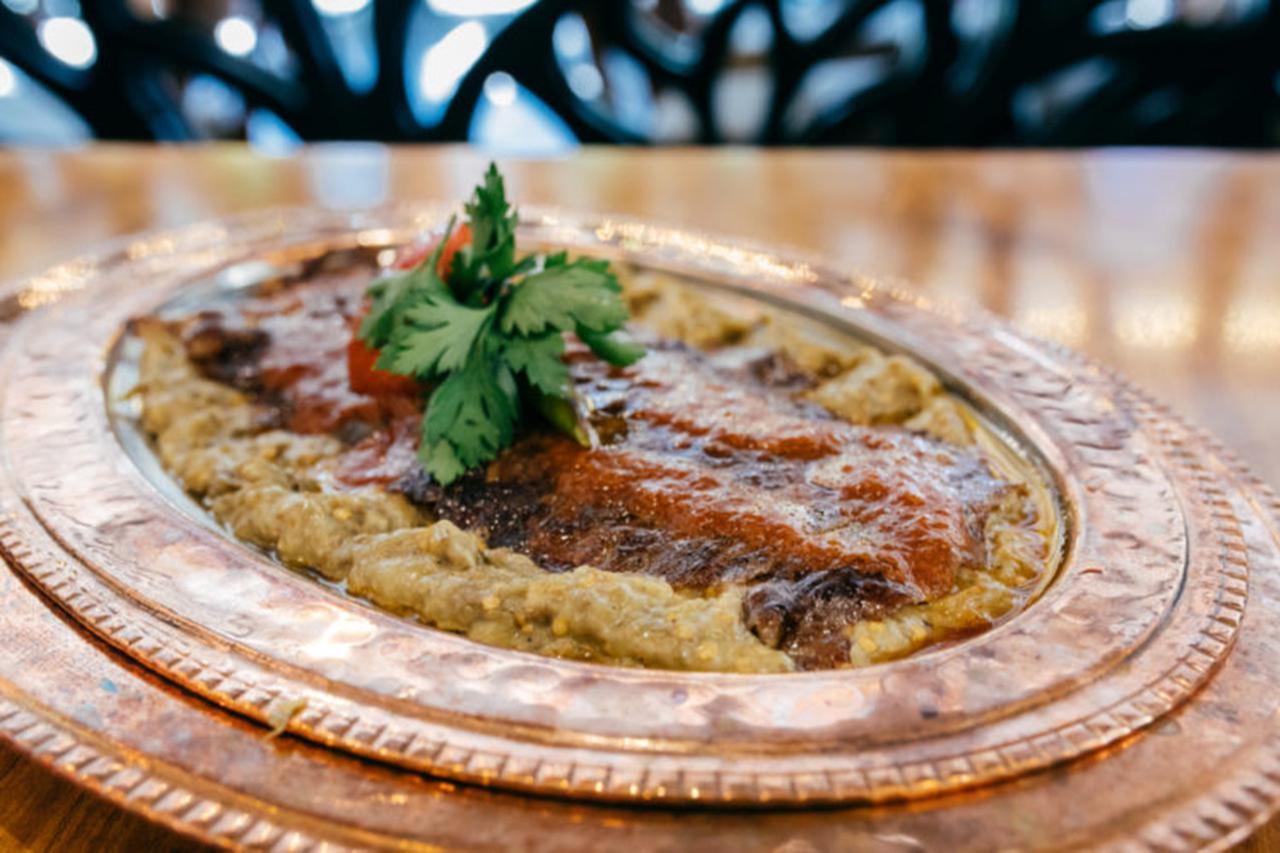


Three chefs from Türkiye will serve Ottoman-inspired dishes to Hollywood's biggest stars at the Governors Ball tonight, the latest and most ambitious chapter in a culinary relationship between Turkish cuisine and the Academy Awards that stretches back nearly a decade.
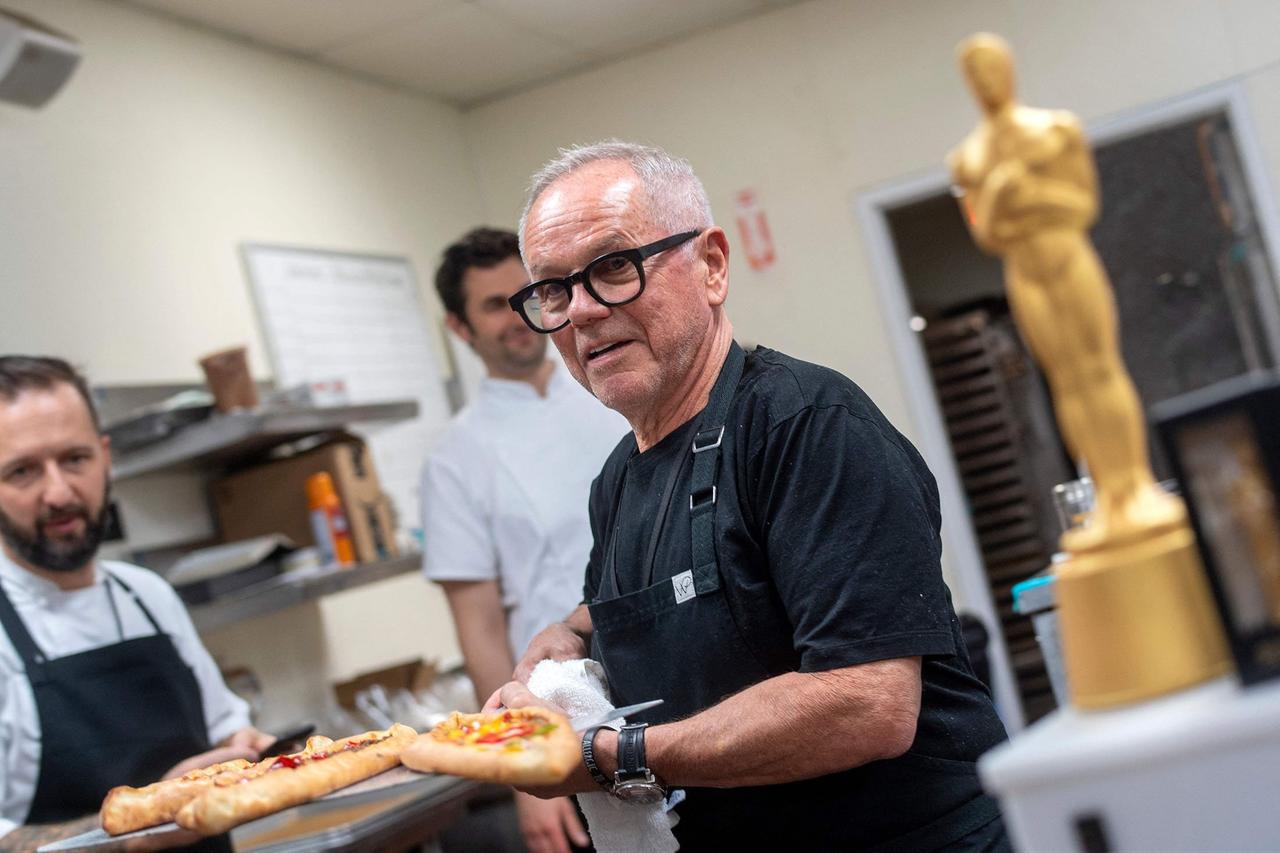
Ibrahim Arif Ozgur, Sani Mizrak and Habibe Cakiroglu have taken their places in the vast kitchen operation run by celebrity chef Wolfgang Puck at the Dolby Theatre, where the 98th Academy Awards ceremony is being held on Sunday evening.
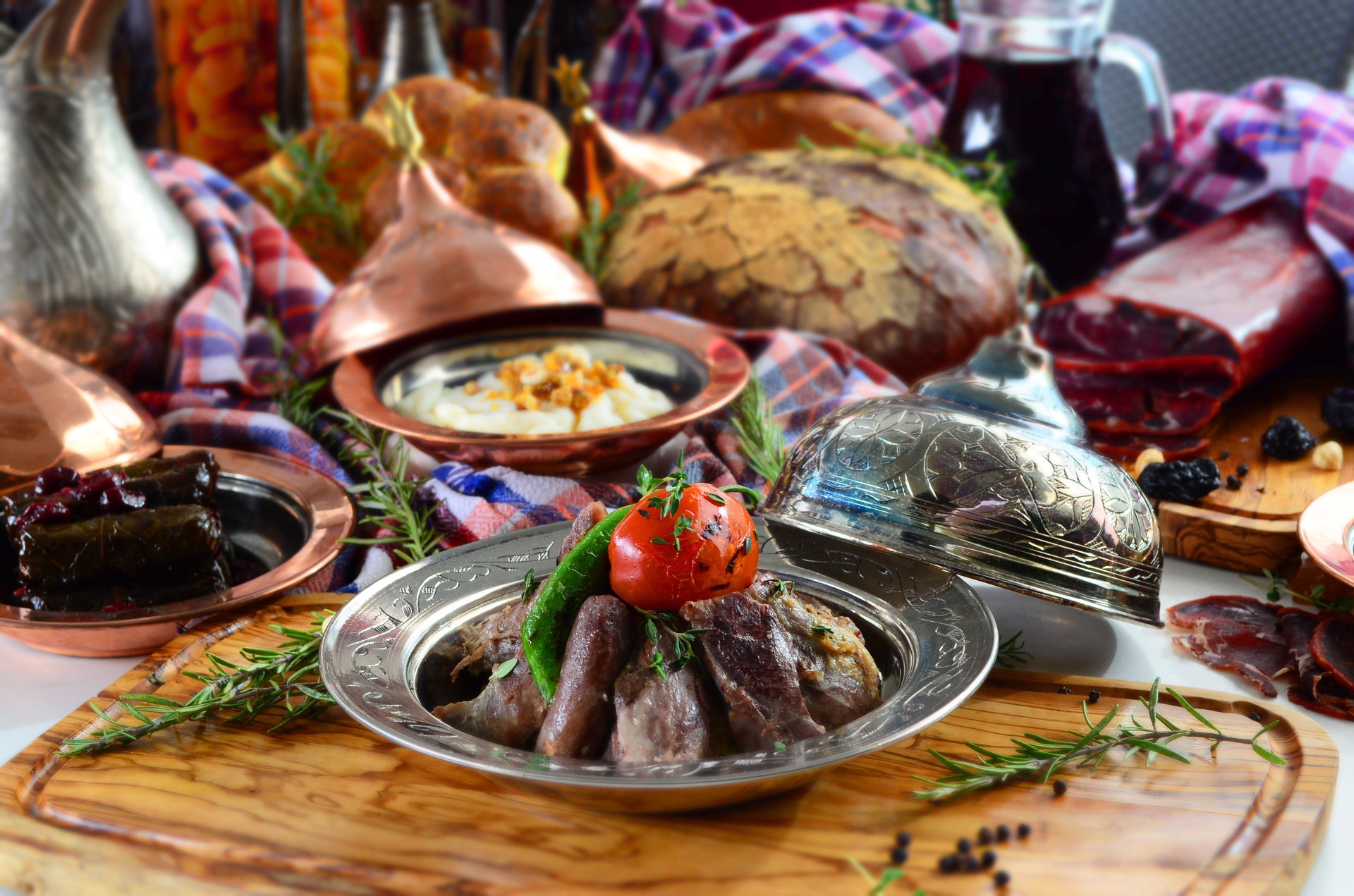
The trio are preparing Hunkar Begendi, pide and baklava, three pillars of traditional Turkish cooking, for the exclusive after-party that follows the awards broadcast. The dishes will be served on tableware from Karaca, a Turkish homeware brand, extending the country's footprint at the event from the kitchen to the dinner table.

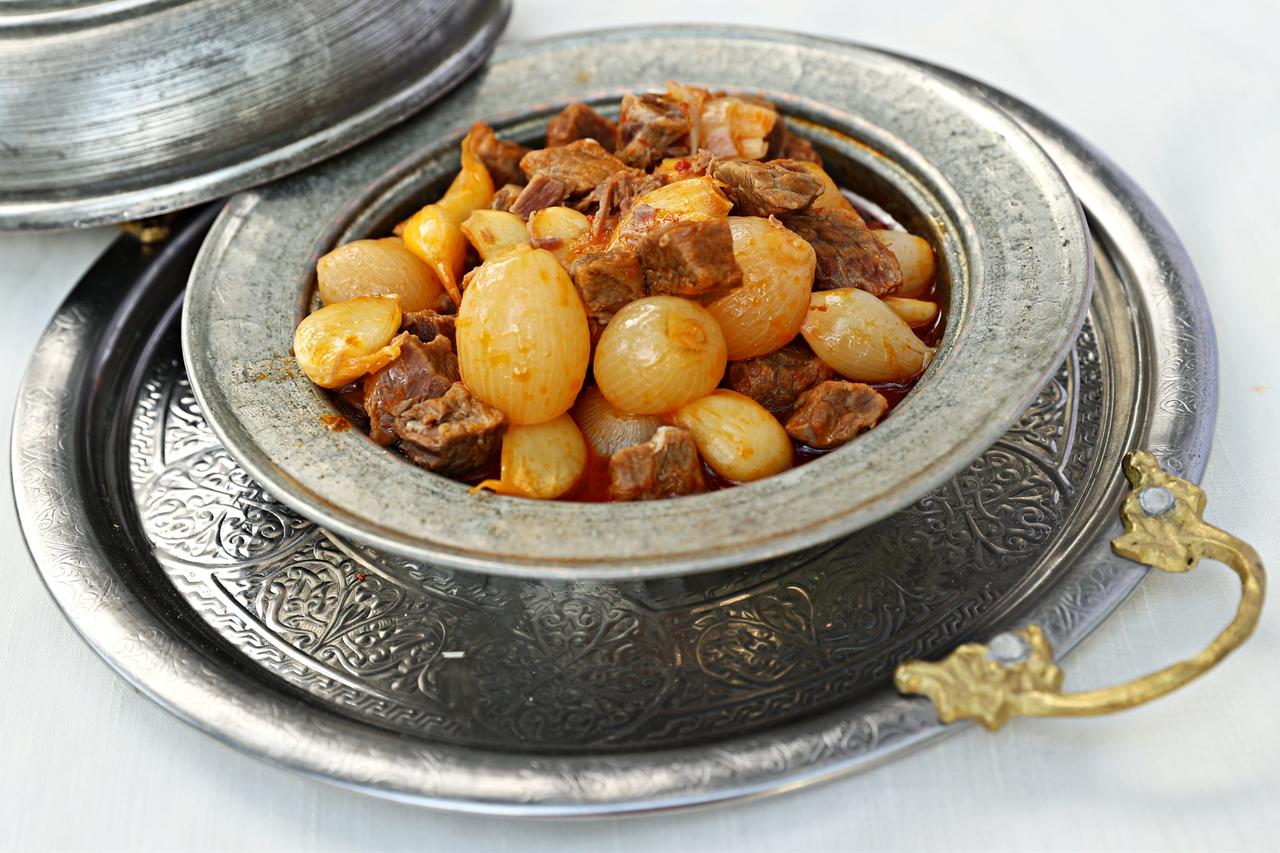
The centerpiece of the Turkish contribution is Hunkar Begendi, a dish whose name translates loosely as "the sultan liked it," rooted in the Ottoman imperial kitchen tradition. It combines slow-cooked lamb with a smoky, bechamel-enriched eggplant puree, and has been considered one of Turkish cuisine's most refined preparations for centuries.
Ozgur, head chef at the Cut restaurant in London, described how his team roasted eggplants using traditional methods and added a creamy finish, while slow-braising the lamb to achieve tenderness.
"We roasted the eggplants in the traditional way, then added a creamy touch," Ozgur told Turkish media. "We completed the lamb using the slow braise method, cooking it gently over a long period."
It is confirmed Ozgur has travelled from London to Los Angeles for the event, where he is also assisting British chef Elliot Grover, who oversees Cut at 45 Park Lane and is returning to the Oscars kitchen for a fourth consecutive year.
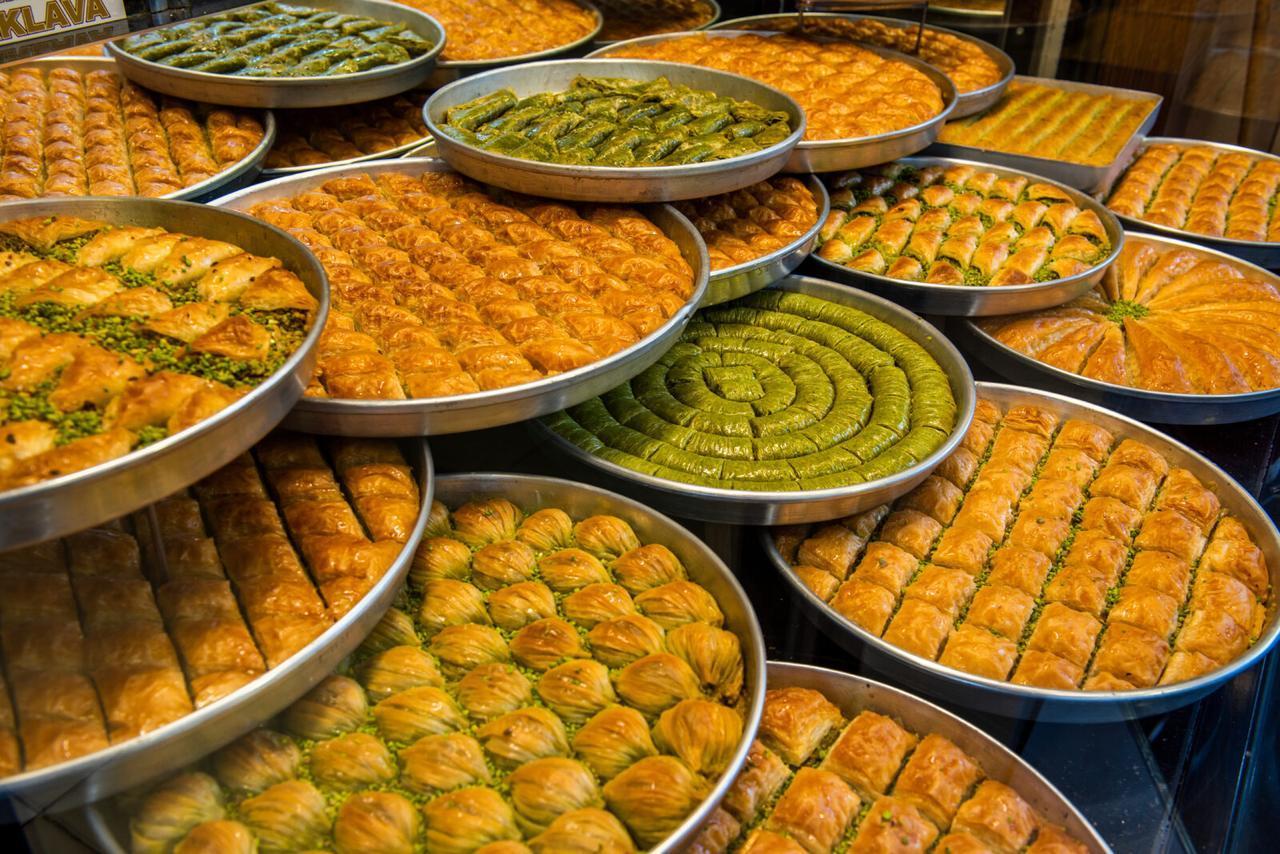
Mizrak is responsible for preparing the pide, a traditional Turkish flatbread, while Cakiroglu is handling the baklava for the dessert course. The baklava on the menu is specifically baklava from Antep, the Gaziantep variety that holds a geographical indication from the European Union, a distinction that underscores its protected status as one of Türkiye's most celebrated culinary exports.
Turkish cuisine's journey to the Oscars table has unfolded gradually over successive ceremonies.
The connection began at the 90th Academy Awards in 2018, when Puck, who also operates a branch of his Spago restaurant in Istanbul, invited a Turkish chef into the Governors Ball kitchen for the first time.
Chef Cihan Kipcak, then working at Puck's Spago in Istanbul, impressed the veteran chef with his modern take on traditional Turkish recipes and was brought on to prepare dishes for that year's Governors Ball.
The Academy's president enjoyed the Turkish offerings enough to request their return the following year, and Puck obliged at the 91st ceremony in 2019.
The collaboration proved successful enough that it carried into 2019. Puck, a self-described admirer of Turkish cuisine who has called Istanbul dining a "gastronomic feast," planned to include Turkish food again at the 91st Academy Awards after the Academy's president enjoyed the dishes the previous year and requested their return.
The most significant leap came at the 94th Academy Awards in March 2022. For the first time, Turkish dishes were positioned as highlights of the after-party menu, with Puck including Black Sea pide and a creamy apricot dessert.
The inclusion was driven by Türkiye's Ministry of Culture and Tourism and the Türkiye Tourism Promotion and Development Agency, known as TGA, as part of a broader effort to showcase the country's culinary heritage on an international stage.
Now, in 2026, the Turkish presence has expanded to three named chefs preparing three distinct dishes, making this the most prominent appearance of Turkish cuisine in the Governors Ball's history.
The Turkish offerings will be part of a sprawling culinary undertaking that ranks among the largest private dining events in the United States. Puck described the operation as involving 130 top chefs, two large kitchens and a 300-person team, emphasizing the need for fast, high-quality service as guests are typically quite hungry after the lengthy ceremony.
"We've been running an operation of this scale successfully for 32 years, our system is fully in place now," Puck said. Approximately 1,500 guests are expected, served by 75 savory chefs, 45 pastry chefs and more than 300 additional staff.
New additions to the broader menu this year include a live izakaya station with five sushi chefs. Puck's son, chef Byron Lazaroff-Puck, predicted that an artichoke and black truffle agnolotti would be among the night's most popular dishes.
Returning staples include chicken pot pie, smoked salmon pizza, macaroni and cheese and mini Wagyu burgers, alongside apple strudel made from Puck's mother's own recipe, served with caramel sauce and marzipan ice cream.
Karaca, the Turkish brand providing the serving ware, previously collaborated with Puck to supply all tableware at the Oscar reception, marking the first time the entire service came from a Turkish company.
The brand, founded in 1973, has grown into one of Türkiye's largest homeware manufacturers with operations spanning three continents.
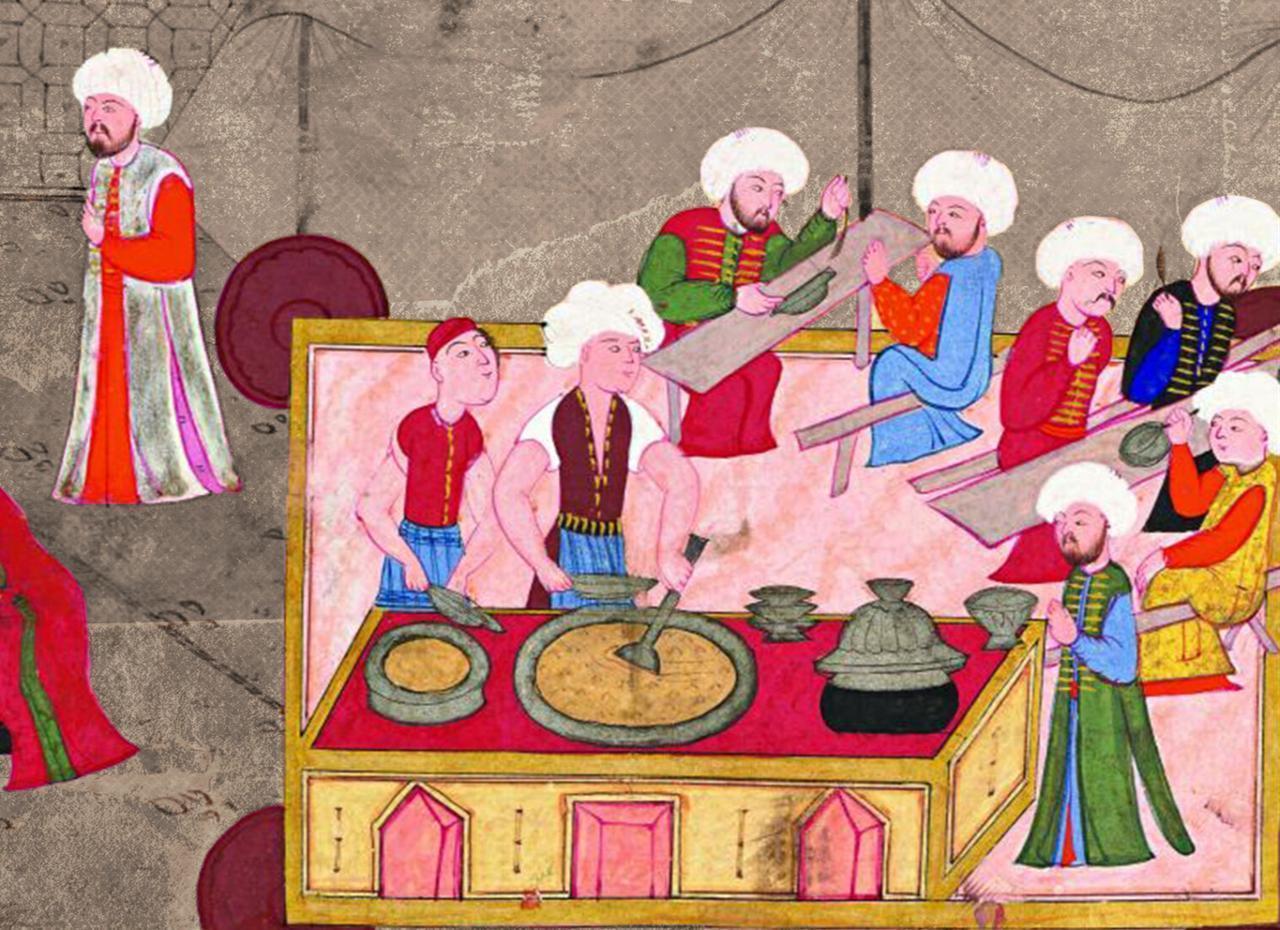
The inclusion of Hunkar Begendi carries particular symbolic weight. The dish is traditionally associated with Ottoman palace cuisine, where competitive imperial chefs vied to create the most impressive preparations for the sultan's table.
One popular legend traces the name to Empress Eugenie, wife of Napoleon III, who reportedly fell in love with the eggplant puree during a visit to Istanbul.
Pide, meanwhile, is a boat-shaped leavened flatbread that is one of Türkiye's most widespread everyday foods, found in bakeries from the Black Sea coast to the Mediterranean.
The Gaziantep baklava, with its tissue-thin layers of dough filled with pistachios and drenched in syrup, is arguably the country's most internationally recognized dessert.
Together, the three dishes span the full arc of Turkish culinary identity, from imperial palace kitchen to regional street food to the celebrated confectionery traditions of southeastern Anatolia, all now being served to roughly 1,500 of the most famous people in the entertainment industry.


 Set as preferred source
 Set as preferred source


 1 min read
 1 min read


