Newsletters





Türkiye's Health Ministry has issued a public advisory on hydration and nutrition as summer temperatures and humidity levels rise across the country.
According to the ministry, rising heat and humidity during the summer months raise body temperature, forcing the metabolism to adapt.
Excessive sweating leads to fluid and mineral loss, which can result in fainting, nausea, and dizziness.
The ministry noted that people with chronic illnesses, young children, individuals aged 65 and older, pregnant women and outdoor workers are more affected by temperature changes than the general population.


Maintaining balanced nutrition, ensuring adequate fluid intake, and following food safety rules are key to protecting health during this period.
The ministry recommends drinking sufficient water throughout the day without waiting for thirst.
Daily water needs are calculated at approximately 35 milliliters per kilogram of body weight, equivalent to an average of 2.5 to 3 liters per day for an adult.
The ministry advises choosing low-fat milk, ayran and fruit juice over tea, coffee and carbonated drinks to meet fluid needs.
Those who exercise during the summer are also advised to replace fluids lost through physical activity.
To guard against extreme heat, the ministry recommends wearing loose, light and light-colored clothing, taking lukewarm showers to cool down, and seeking medical help without delay if symptoms of heat-related illness appear.
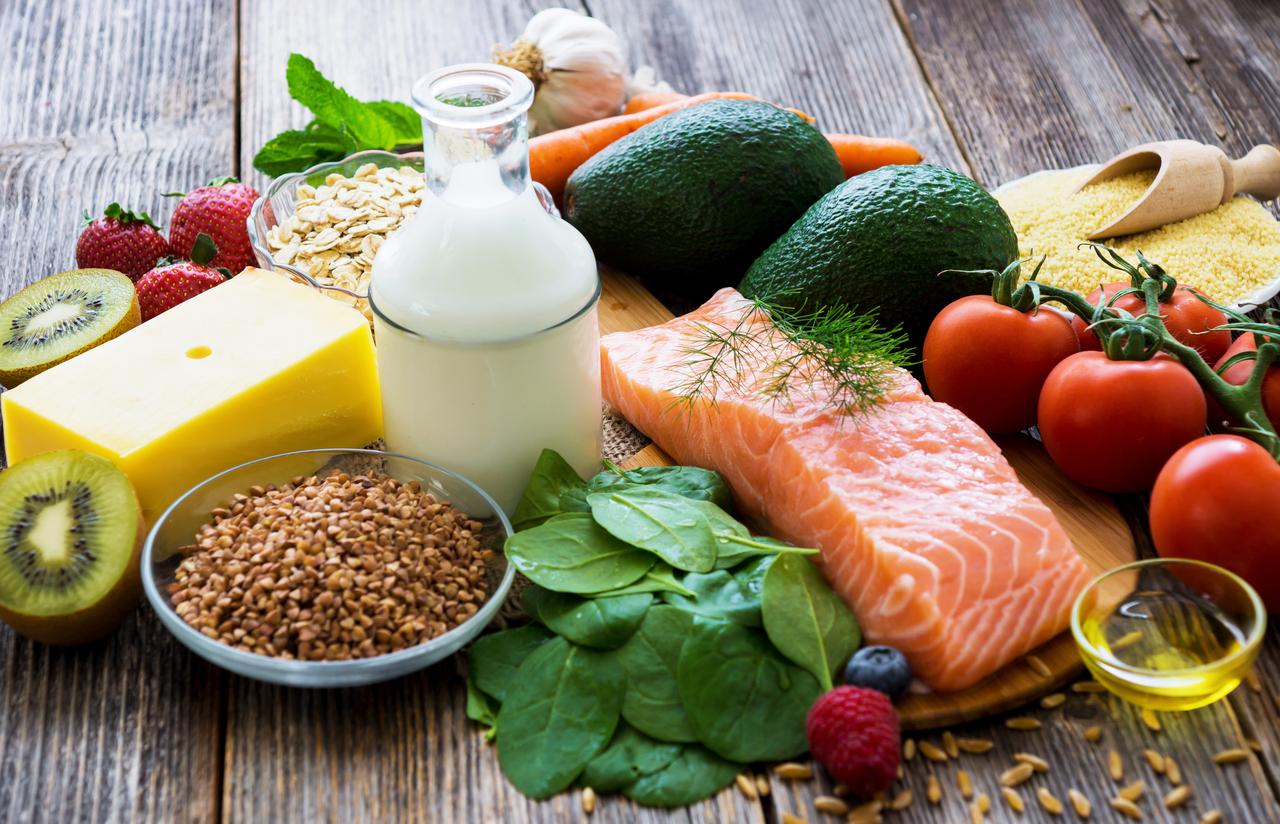
The advisory also addresses diet, recommending that breakfast include low-fat cheese, olives and fresh vegetables, with caffeinated beverages replaced by low-fat milk, fruit juice and herbal teas such as linden and rosehip.
Fatty foods, fried items and pastries should be avoided where possible, the ministry said, recommending boiling, grilling or low-water cooking methods instead.
Increased consumption of fruits and vegetables is advised, along with high-fiber foods such as whole-wheat bread, oats, and bulgur.
Dairy- and fruit-based desserts or ice cream are suggested as alternatives to high-calorie pastries.
The ministry further warned that food poisoning cases rise during summer, urging the public to avoid food sold in open-air settings and to prevent perishable items such as meat, milk, eggs and fish from being left unrefrigerated.
Hygiene rules for food preparation, storage, and cooking are essential to preventing foodborne illness in the warmer months.


 Set as preferred source
 Set as preferred source



 2 min read