Newsletters





The World Health Organization (WHO) has reported that unsafe food is responsible for an estimated 866 million illnesses and 1.5 million deaths globally each year, underscoring a persistent and preventable public health challenge.
According to the agency’s latest findings, children under the age of five are disproportionately affected, being nearly three times more likely to suffer from foodborne illnesses compared with older age groups. Although young children represent approximately 9% of the global population, they account for nearly one-third of all foodborne disease cases.
WHO Director-General Dr. Tedros Adhanom Ghebreyesus emphasized that food safety remains a critical daily concern, stating that it affects “every meal, every family, every day.”
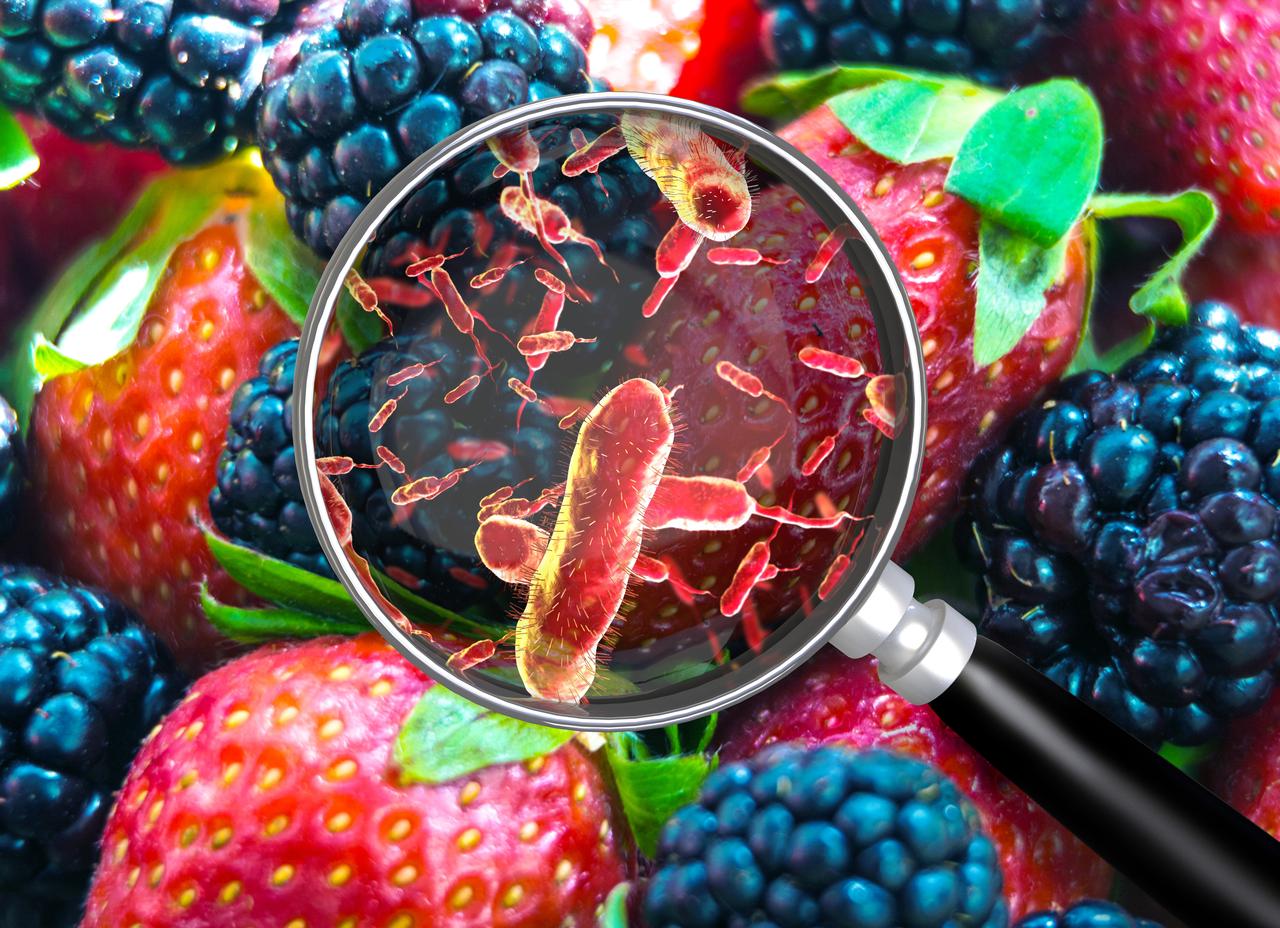

The report indicates that biological contaminants, including bacteria, viruses, and parasites, are responsible for the majority of foodborne illnesses worldwide, while chemical contamination accounts for a disproportionately high share of fatalities.
In 2021, chemical hazards were linked to approximately 73% of food-related deaths, with exposure to substances such as inorganic arsenic and lead associated with more than one million deaths. These contaminants are also linked to increased risks of cardiovascular disease and cancer.
The WHO further highlighted the substantial economic impact of unsafe food.
Foodborne diseases were estimated to have resulted in $310 billion in lost productivity in 2021, rising to $647 billion when adjusted for purchasing power differences.


 Set as preferred source
 Set as preferred source


 1 min read


 1 min read