Newsletters


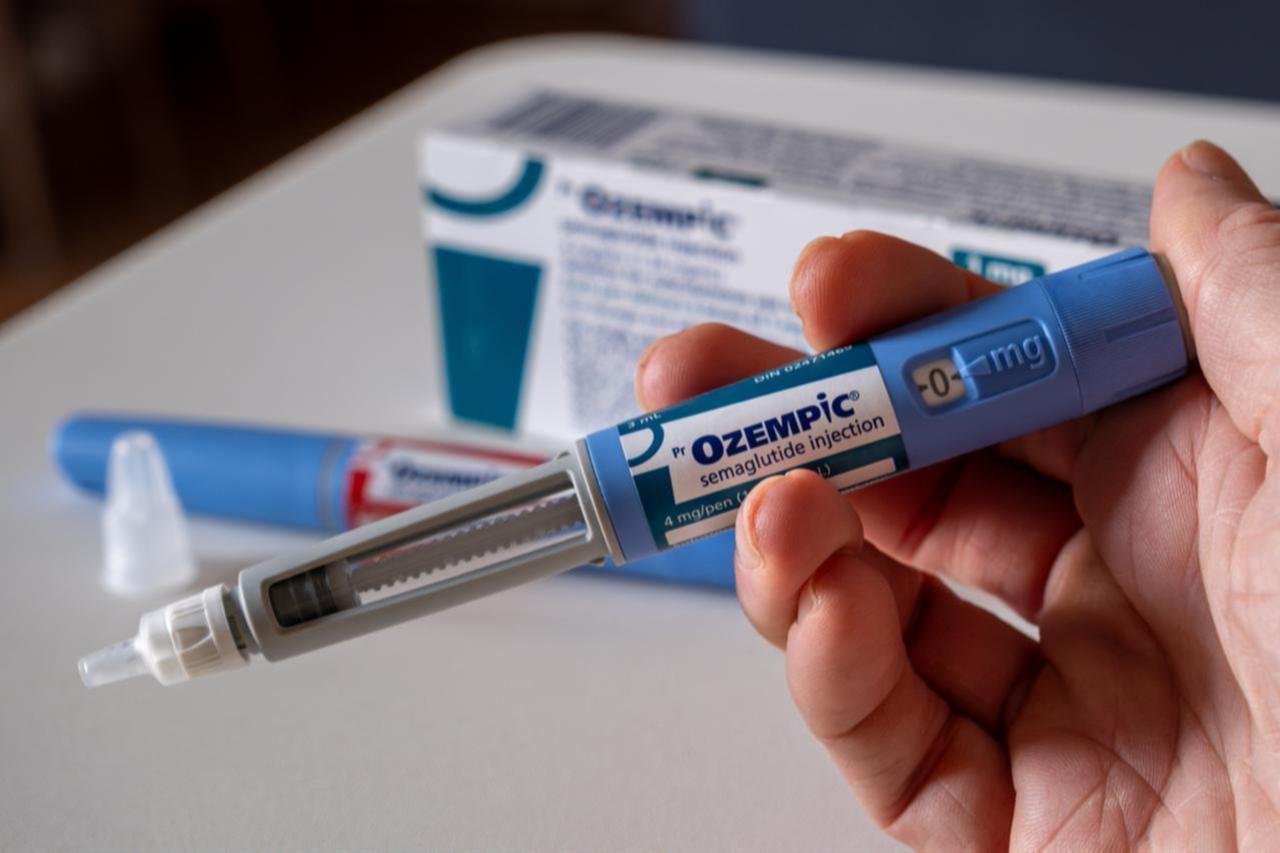


Households with a user of weight-loss jabs are cutting back significantly on food shopping, according to a new survey that points to the growing effect of GLP-1 medicines on consumer behavior in Britain.
The research by Worldpanel by Numerator, based on more than 11,600 households, found that GLP-1 treatment use has nearly tripled in the past two years. The number of adults using such drugs in Great Britain has reached almost 1.9 million.
GLP-1 medicines, including treatments such as Mounjaro and Wegovy, are drugs associated with reduced appetite and changes in eating behavior. Their growing use is now being reflected not only in personal diets but also in household grocery budgets.
The survey found that 6.3% of households now include at least one GLP-1 user, compared with 4.1% in 2025 and 2.3% in 2024.
In the year after starting treatment, households with at least one user spent much less on groceries than expected when compared with similar households. The research estimated that these households spent a combined £780 million less on groceries, equal to around £418 per user household.
The survey also found that 299 million fewer grocery items were bought during February, when the study was carried out.
The findings suggest that the financial impact is linked to changes in appetite and food choices.
More than half of GLP-1 users, 52%, described their eating approach as “mindful,” saying their choices were guided by hunger rather than habit, routine or restriction.
A similar share, 54%, said they had fewer cravings and less “food noise,” a term often used to describe persistent thoughts about eating. Meanwhile, 11% said they no longer enjoyed their usual favorite foods or drinks.
The results underline how the spread of weight-loss jabs is beginning to shape wider consumer habits, particularly in the grocery sector, as more adults in Britain turn to GLP-1 treatments.


 Set as preferred source
 Set as preferred source


 1 min read

 1 min read