Newsletters


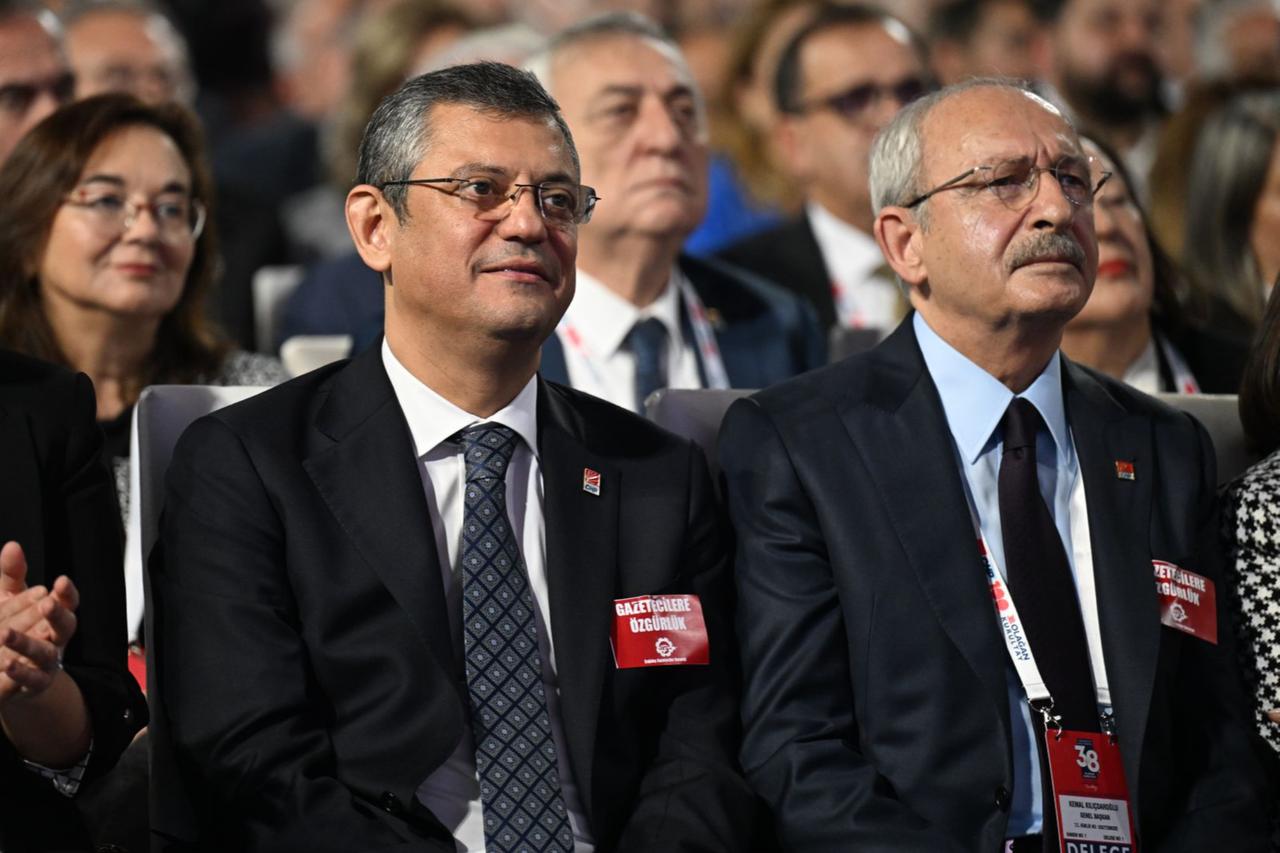


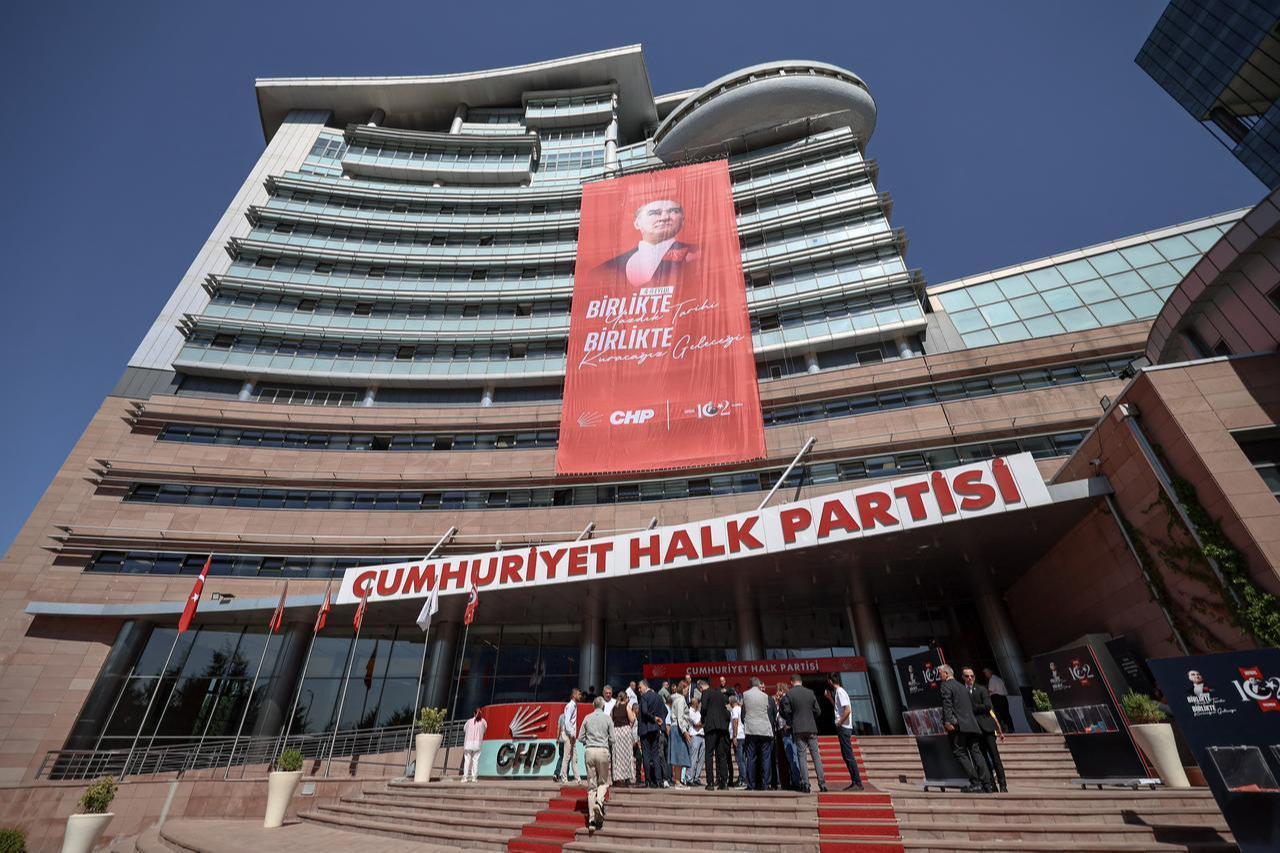
A Turkish appeals court has issued a ruling that has no precedent in the country's political history, declaring the Republican People's Party's (CHP) 38th Ordinary Congress null and void under a legal doctrine known as "absolute nullity."
The decision effectively strips party leader Ozgur Ozel and his entire executive apparatus of their legitimacy. It invalidates every congress decision, bylaw amendment, and party program change made over the past three years.
The ruling does not simply remove Ozel from office. It legally erases the foundation on which his leadership was built. It essentially means that the structural changes introduced under his tenure, including newly created party bodies such as the Presidential Candidacy Office, are also deemed to have never legally existed.
The court's use of "absolute nullity," a concept meaning irreversible legal invalidity, goes further than a standard annulment. Legal experts note that the term essentially means the actions in question are treated as though they never took place. Under Turkish law, this is among the most severe outcomes a civil court can impose on a party congress.
The practical consequence is that the leadership structure in place before the contested November 2023 congress is restored by default.
That means former CHP leader Kemal Kilicdaroglu, who lost the party chairmanship to Ozel at that congress, is legally reinstated as general chairman, along with the Party Assembly (PM) and High Disciplinary Board (YDK) members who were elected at the 37th Ordinary Congress in July 2020.
The legal challenge dates back to the CHP's 38th Ordinary Congress, held on November 4–5, 2023, where Ozel defeated Kilicdaroglu in a leadership vote. Former Hatay Metropolitan Mayor Lutfu Savas and a group of delegates filed lawsuits seeking to annul the congress and remove the newly elected party bodies, alleging procedural violations.
Those cases were consolidated before the Ankara 42nd Civil Court of First Instance. Separately, Ankara's Chief Public Prosecutor's Office launched a criminal investigation into alleged ballot irregularities at the congress.
An indictment accepted on June 3 named 12 suspects, including former Istanbul Metropolitan Mayor Ekrem Imamoglu, who had already been removed from office on corruption charges, seeking prison sentences of one to three years on charges of election fraud within the party. Kilicdaroglu was designated as a victim in the criminal case, while Savas was listed as a complainant.
Kilicdaroglu declined to testify in the criminal proceedings, stating he would not allow his party to be "debated in a courthouse."
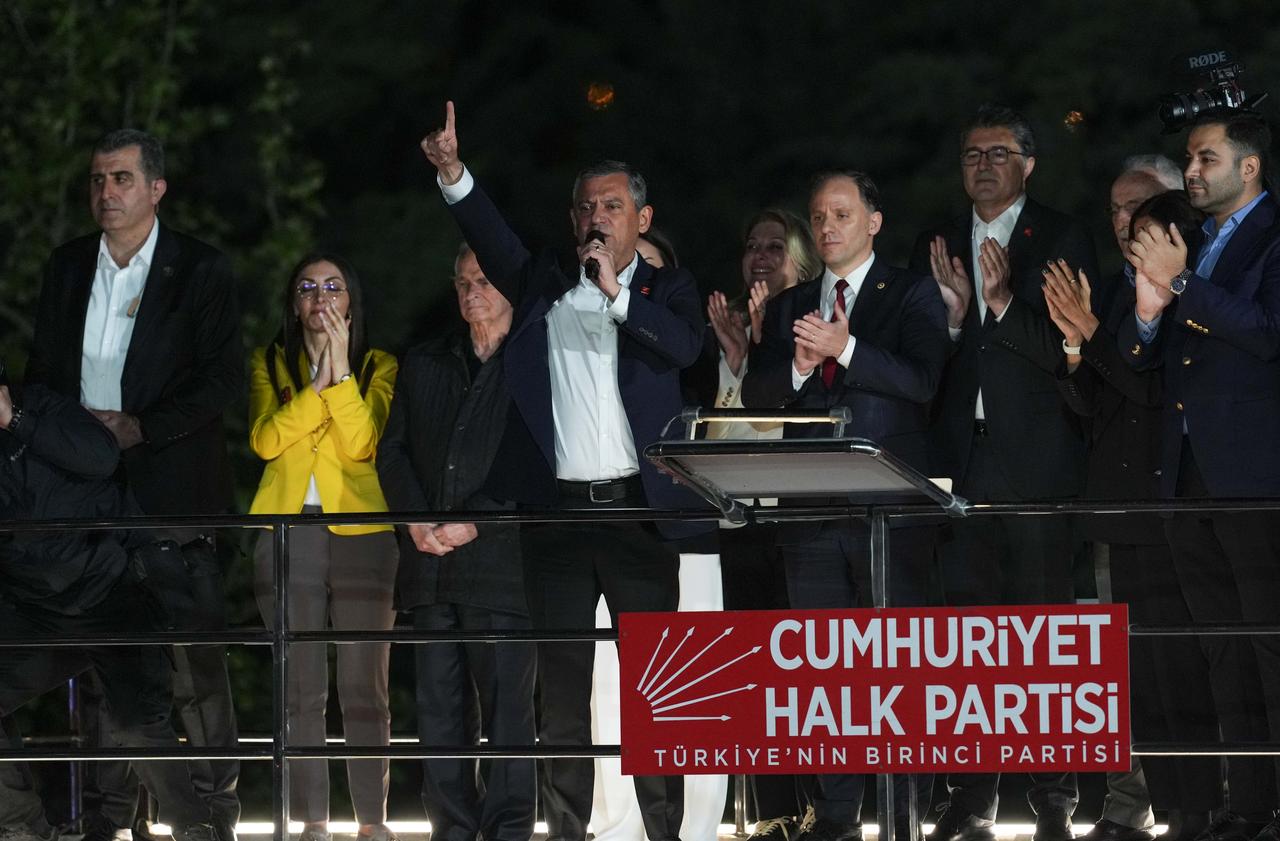

Ozel's camp wasted no time framing the ruling as a political attack. An emergency session of the CHP's Central Executive Board (MYK) concluded with a unanimous decision to reject the court's authority over the matter and continue the fight.
Ozel announced that the party had filed an appeal with the Court of Cassation and would also bring the case before the Supreme Electoral Council (YSK). This is a significant legal avenue. The YSK had previously validated Ozel's leadership through rulings on two extraordinary congresses and the 39th Ordinary Congress held under his watch. Those YSK decisions are expected to play a central role in the legal battle ahead.
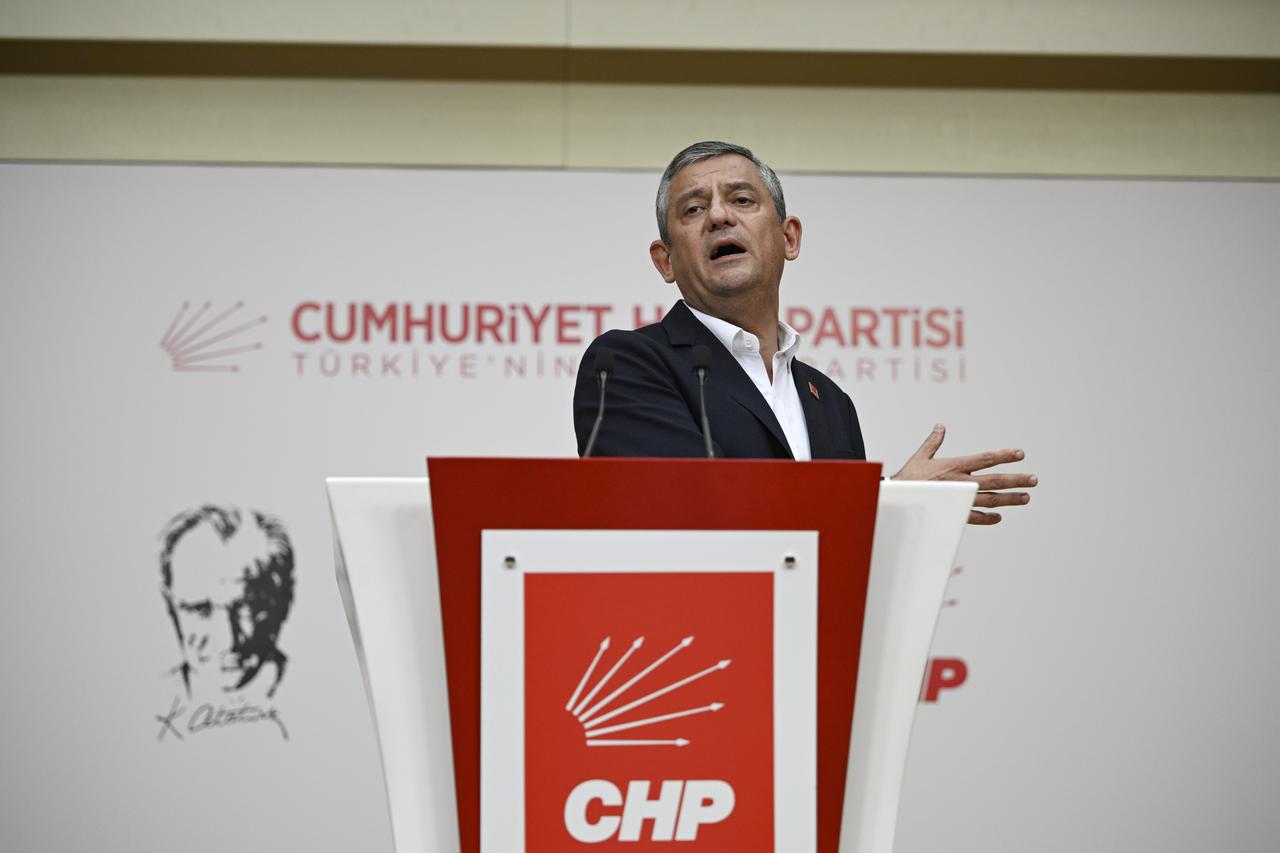
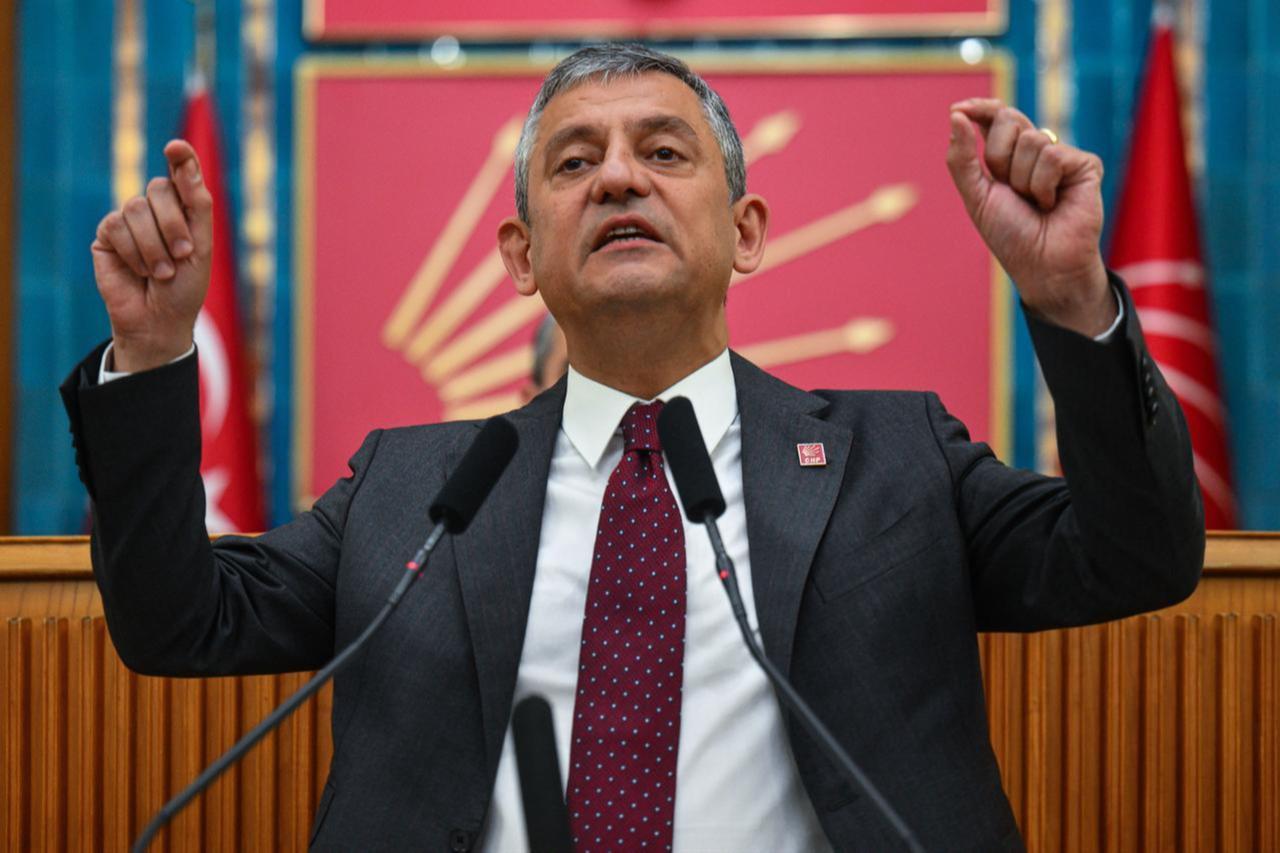
Ozel also addressed speculation that he might lead a breakaway political party, an option reportedly discussed within CHP circles for months. He acknowledged the idea had been kept in reserve due to a pending party closure case, but made clear that he intends to fight from within. "We are the homeowners," he said, adding, "Tenants leave, homeowners are to stay."
Legal analysts suggest the appeals process is likely to be lengthy, with some indicating that no final ruling from the Court of Cassation should be expected before the next general election cycle. That timeline may significantly shape how both factions approach their next moves.
Restoring the pre-2023 party structure on paper is one thing. Making it function is another.
The Party Assembly (PM) and the delegate makeup that would accompany Kilicdaroglu's return have shifted considerably since the change. Some figures who served in his PM have since become mayors, others have resigned from the party entirely, and still others aligned themselves with the "change" faction that backed Ozel's rise. Both camps claim they hold enough support within the restored PM to control decision-making, though party insiders suggest neither side has a clear majority.
The question of an extraordinary congress is particularly complex. Under CHP's bylaws, such a congress can be called by the party chairman, by the PM with a simple majority, or by a majority of delegates.
Given the contested balance within the PM, the more viable route may be for Ozel's supporters to mobilize delegates directly to force an extraordinary congress—a route described in party circles as the most likely path if negotiations break down.
Kilicdaroglu's initial public statement after the ruling was notably measured. Rather than claiming a victory, he called for unity, stating that the decision should be "an opportunity for cohesion, not a cause for division."
He confirmed that he would work through existing party structures—former party leaders, PM members, lawmakers, and provincial chairs—without signaling any immediate push for a new congress. According to Turkish media, sources close to Kilicdaroglu indicate he has no plans to immediately convene an extraordinary congress.
Ozel, for his part, has so far declined to meet with Kilicdaroglu, a decision interpreted by observers as part of a broader strategy to maintain leverage during the legal and political standoff.
Should the change actually happen, one of the more sensitive scenarios circulating in party corridors concerns whether Kilicdaroglu would use the restored High Disciplinary Board to pursue action against members facing criminal charges, most notably Ekrem Imamoglu and other municipal officials under investigation or prosecution for corruption.
Speculation within the party points toward a possible "suspended membership" formula rather than outright expulsion, a middle-ground mechanism that would allow the party to distance itself from legally compromised figures without provoking an open rupture. However, sources emphasize that no rapid moves are expected in this area, largely because of the delicate balance within both the PM and the YDK between supporters of each camp.
Virtually all opposition parties framed the ruling not as an internal CHP matter but as an intervention in democratic political space, expressing solidarity with the Ozel camp. Ozel acknowledged the distinction, noting that the support was directed at the democratic process rather than at CHP specifically.
The most unexpected response came from Devlet Bahceli, chairman of the Nationalist Movement Party (MHP) and a coalition partner of the ruling Justice and Development Party (AK Party). While stating that Ozel's refusal to recognize the court ruling was misguided, Bahceli also suggested that Kilicdaroglu should meet with Ozel and voluntarily step aside in the interest of finding a common formula for the party's future.
Türkiye's main opposition party now faces a set of simultaneous pressures that have no clear historical template. Its legally recognized leader is a man whose supporters are in conflict with the faction controlling the party's physical infrastructure, finances, and grassroots networks. Its court-removed leader commands significant loyalty within the parliamentary group and among local officials. And its most prominent municipal figure is facing criminal prosecution.
The coming weeks will test whether negotiation, legal attrition, or organizational mobilization determines who ultimately controls one of Türkiye's oldest and largest political parties, and whether that contest can be contained without permanently fracturing it.


 Set as preferred source
 Set as preferred source


 1 min read
 1 min read