Newsletters


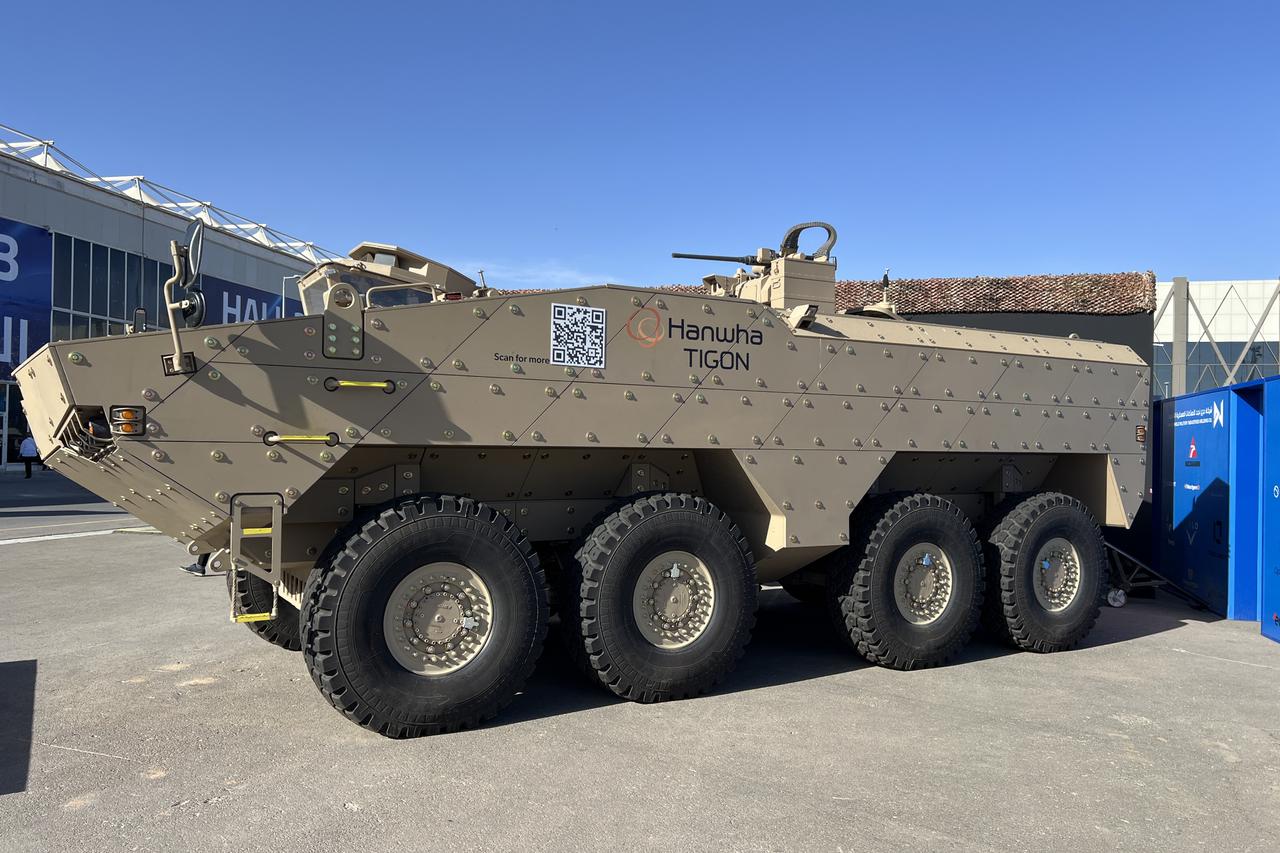


Turkish defense company Aselsan has integrated its acoustic gunfire detection system onto South Korean manufacturer Hanwha Aerospace's new-generation armored vehicle, marking a strategic milestone in defense cooperation between the two countries.
Aselsan unveiled its SEDA 100 Acoustic Gunfire Detection System, integrated onto Hanwha Aerospace's Tigon 8x8 armored fighting vehicle, for the first time at the World Defense Show (WDS) 2026 in Riyadh, running Feb. 8-12.
The integration follows a memorandum of understanding signed by the two companies last year to expand joint efforts in domestic and international markets.
The step represents a strategic turning point in Aselsan's long-standing defense cooperation commitment with the Republic of Korea.
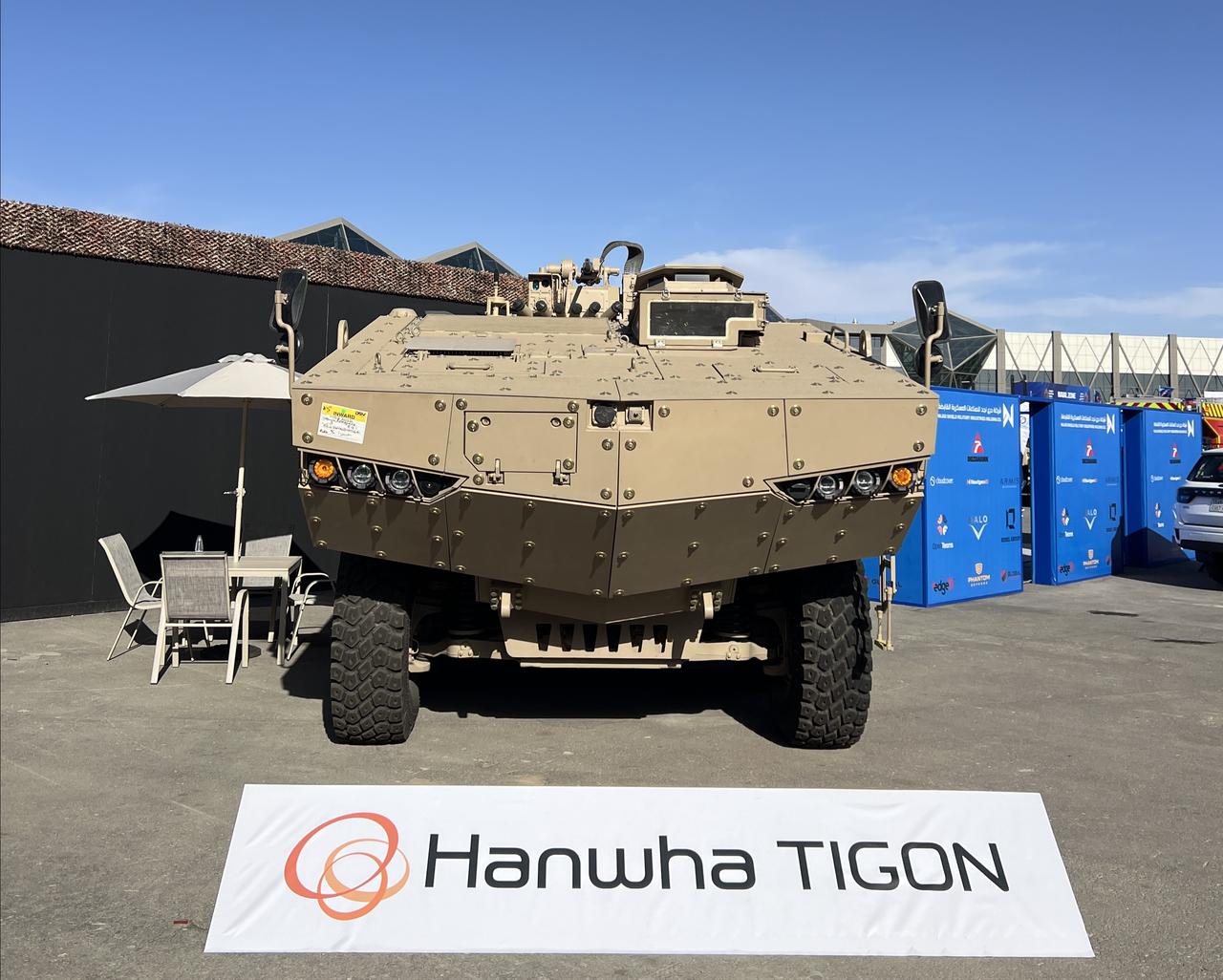

The SEDA 100 system is designed to detect supersonic projectiles and pinpoint the shooter's location with high precision using field-proven acoustic technology.
The system uses advanced microphone arrays to detect both the muzzle blast when the bullet exits the barrel and the shock wave generated as it exceeds the speed of sound. Specialized algorithms analyze the millisecond differences in the time it takes for sound to reach the sensors.
The shooter's coordinates, distance, angle and elevation are instantly calculated and displayed to the operator on screen.
The system integrates with Global Navigation Satellite Systems (GNSS) to show the approximate location of the shooter.
SEDA 100 operates effectively in all environmental conditions, day or night, for mobile or stationary units facing attacks from supersonic weapons. The system provides crews with critical situational awareness through geographic information system (GIS)-based warnings.
A key feature is its user-friendly integration capability. SEDA 100 can be integrated onto armored platforms without requiring calibration and easily adapts to existing mission systems.
The system is available in two configurations: fixed installation and vehicle-mounted. When desired, SEDA 100 can also be used for unmanned aerial vehicle (UAV) detection purposes.
While displayed at the World Defense Show in its vehicle-mounted configuration, the system can also be used on a tripod or remote-controlled weapon stations (RCWS) such as Aselsan's SARP.
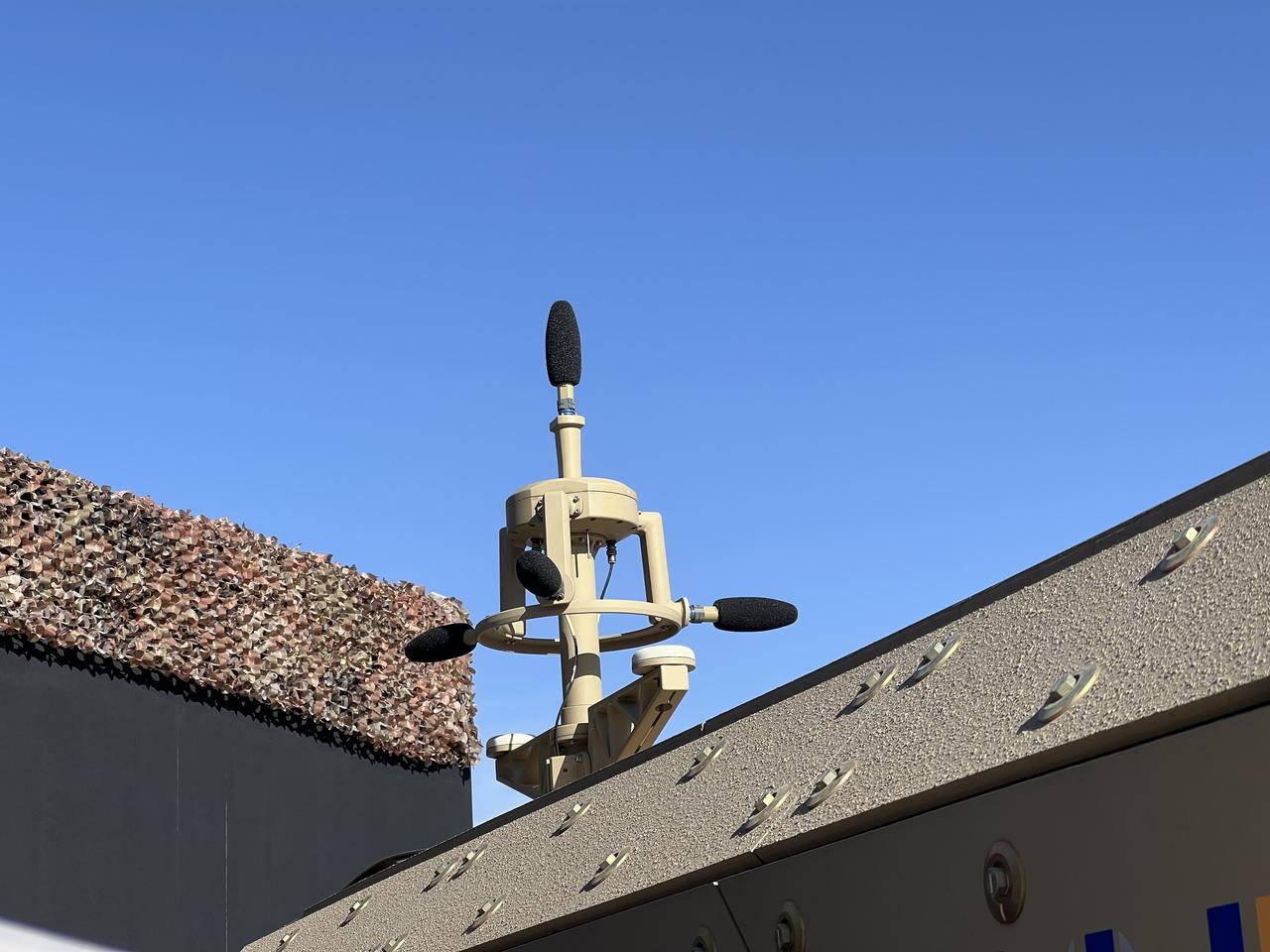
Aselsan has also developed a derivative, SEDA 100-cUAV, to detect small unmanned aerial vehicles by analyzing their propeller noise and using a library to identify them.
The acoustic detection system can be used in conjunction with counter-UAV systems such as the IHTAR jammer.
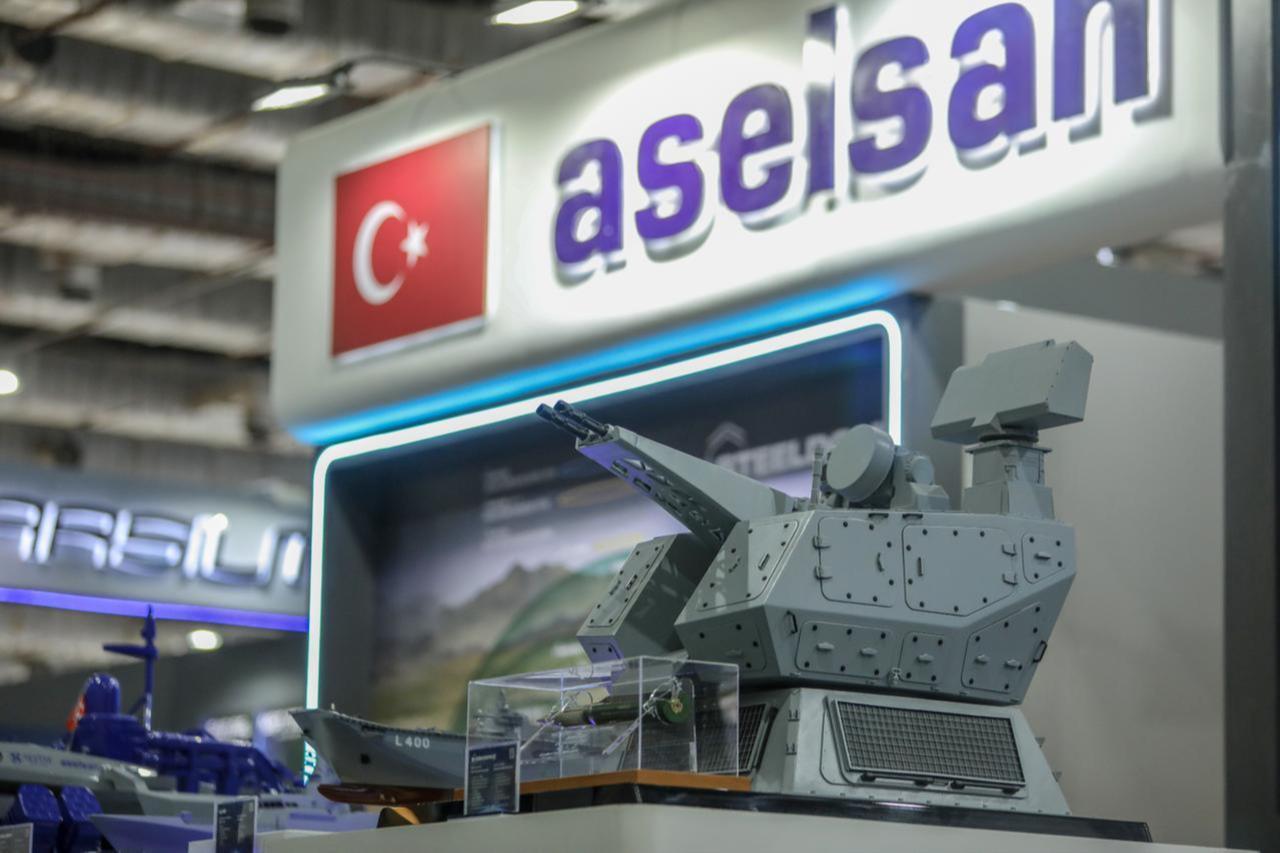
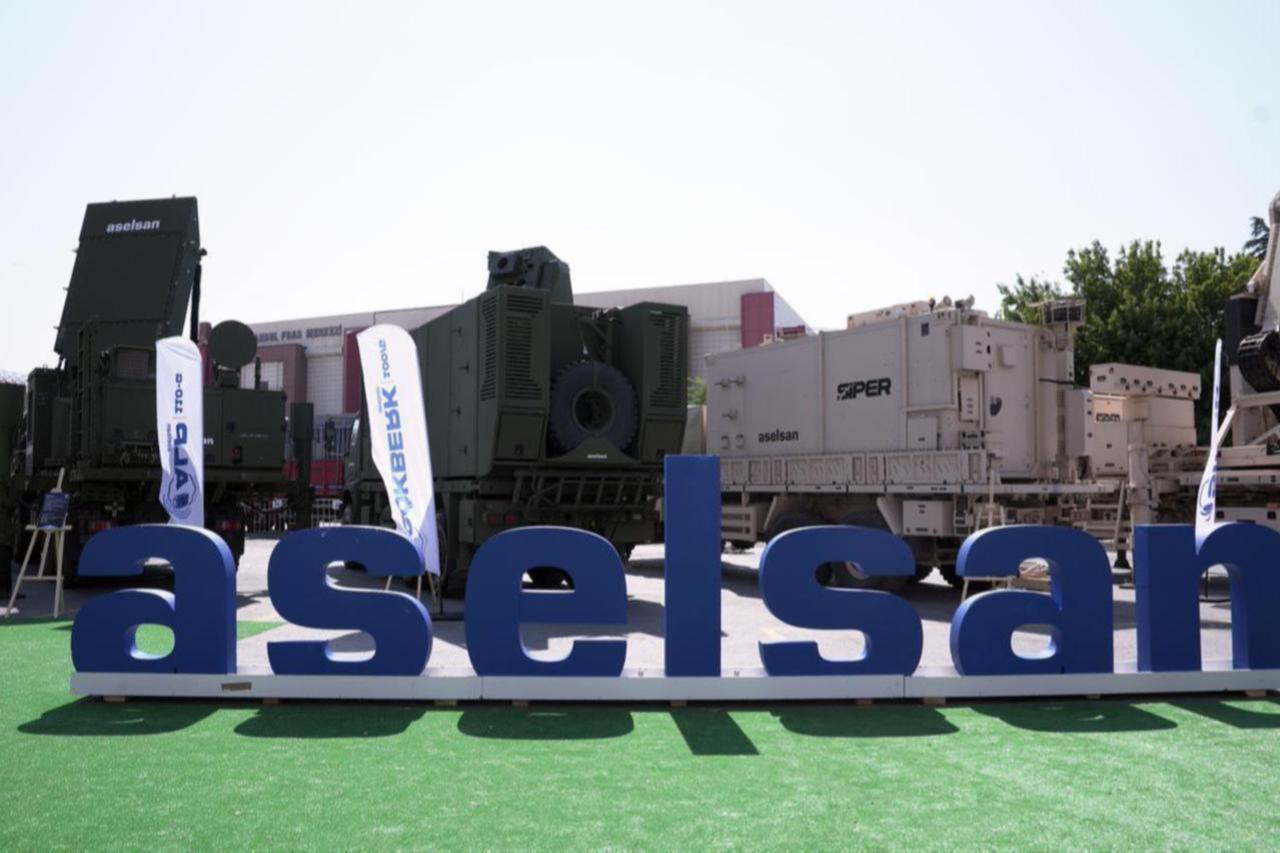
Aselsan, headquartered in Ankara, was founded in 1975 and has grown into one of Türkiye's largest defense firms, ranking among the top 50 worldwide in its field.
The company produces cutting-edge air defense systems, including the close-range Korkut and the long-range Siper.
Aselsan recently became the first Turkish company to reach a market value of $30 billion.


 Set as preferred source
 Set as preferred source


 1 min read
 1 min read