

 Newsletters


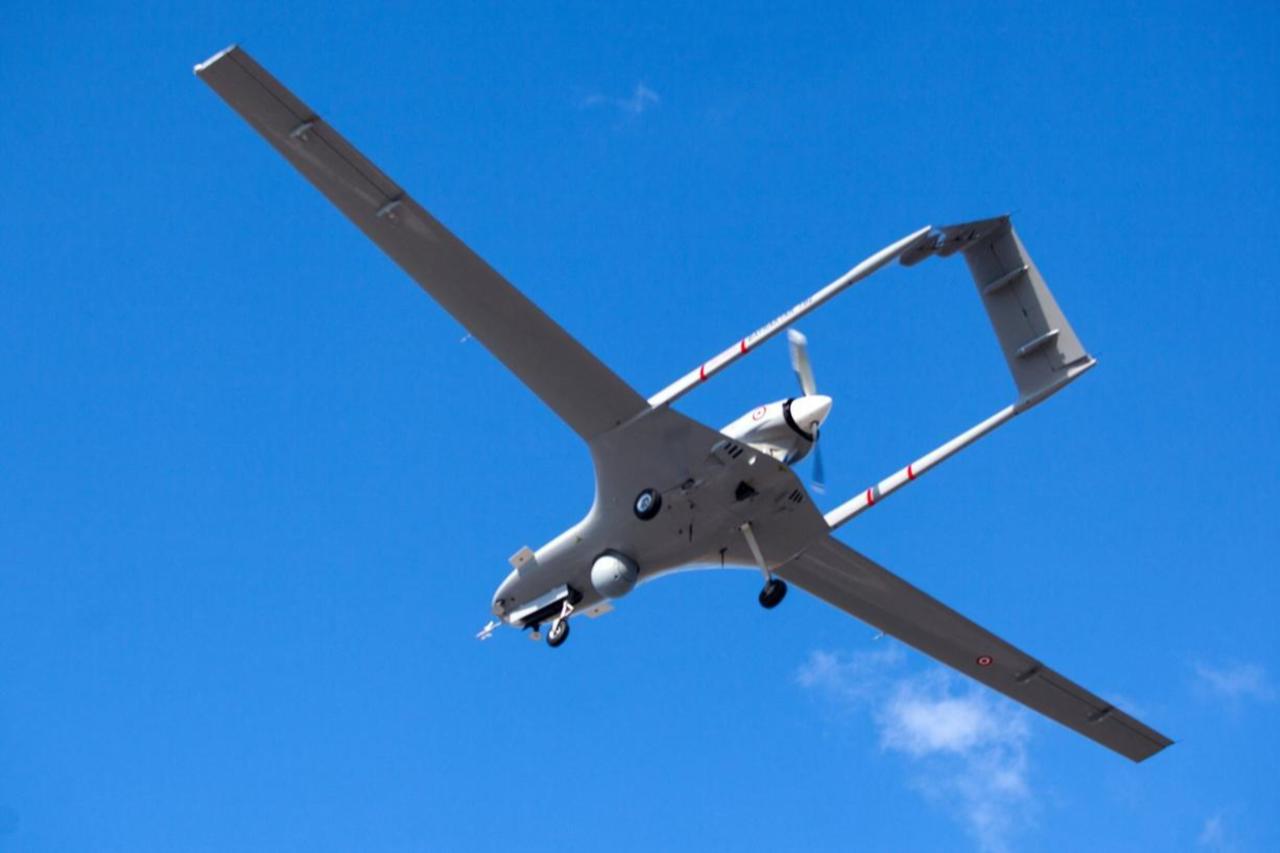


Canada is in early-stage discussions to purchase medium-altitude, long-endurance surveillance drones from Türkiye, according to officials who spoke exclusively to Middle East Eye, in a striking reversal for a country that spent years restricting the export of key components to Turkish drone manufacturers.
"Canada is interested in purchasing medium-altitude, long-endurance drones for surveillance purposes," one official told Middle East Eye on condition of anonymity. The official cautioned that the talks remain preliminary and may not result in a deal, but said the shift in disposition under Prime Minister Mark Carney was unmistakable.
The potential purchase would represent a remarkable turnaround. In October 2019, Canada imposed an arms embargo on Türkiye following Ankara's military incursion into northern Syria.
Turkish drone makers Baykar and TAI were among the companies most directly affected, having relied on electro-optical and infrared camera systems manufactured by Ontario-based L3Harris Wescam for their unmanned aerial vehicles.
The embargo forced both companies to seek alternative suppliers, accelerating a domestic capability push. Today, Türkiye has several local firms producing such cameras.
The embargo's history was turbulent. Canada partially lifted restrictions in May 2020 following high-level diplomatic exchanges, only to reimpose them in October of that year after Armenian officials produced evidence that Wescam targeting systems had been diverted to Azerbaijan for use during the conflict over Karabakh, a move Canadian officials said violated Ankara's end-user assurances.
Canada formally cancelled all remaining export permits to Türkiye in April 2021. The ban was not fully lifted until January 2024, when Ottawa quietly announced a case-by-case review policy, a move tied to Ankara's ratification of Sweden's NATO membership.

Officials familiar with Canadian thinking say the current interest in Turkish defence technology is as much about Washington as it is about Ankara.
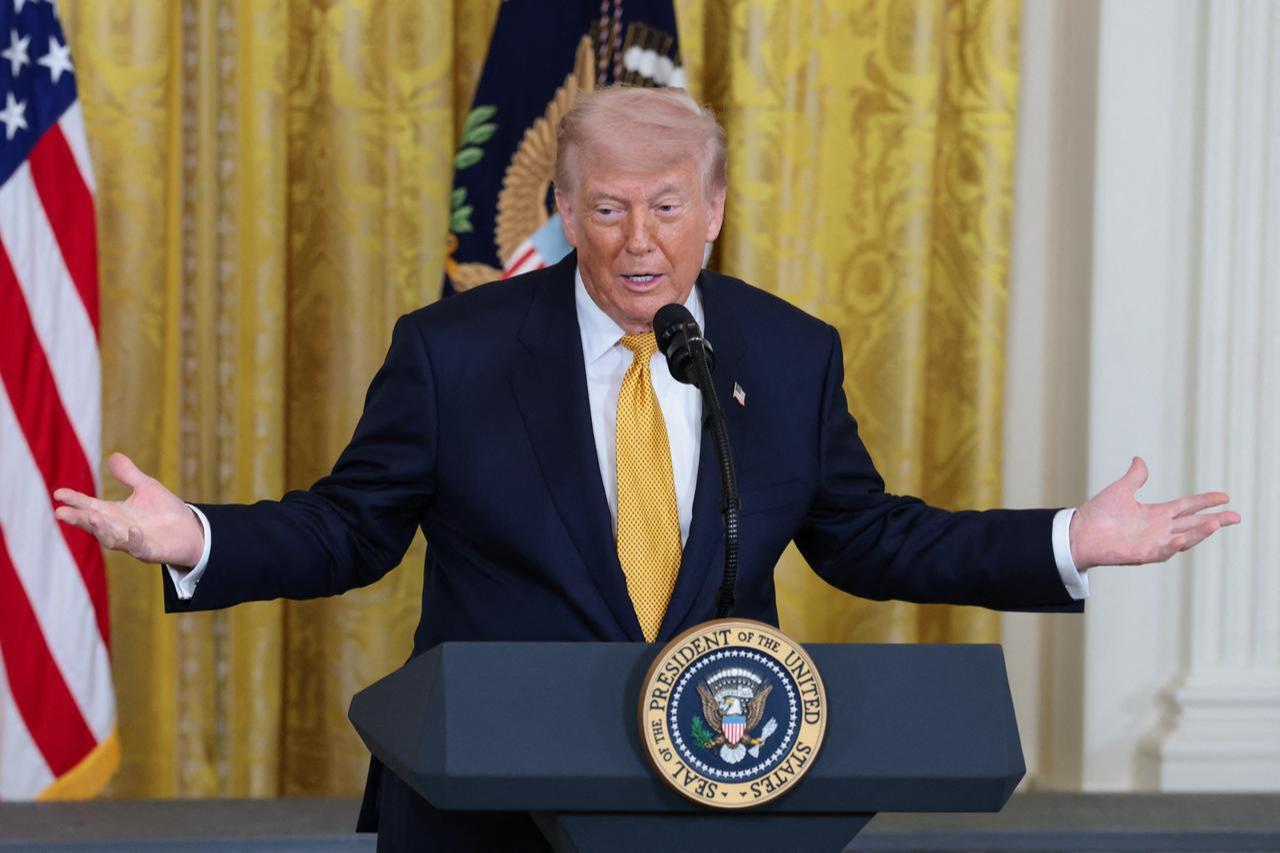
One official told MEE that Türkiye's change of fortunes in Ottawa owes much to US President Donald Trump, arguing that Carney no longer fully trusts the security umbrella long provided by the United States. "Canadians don't want to rely on American weapons anymore; they would like to diversify," the official said.
That sentiment was echoed publicly. Speaking at a panel in Istanbul last week, Canadian Secretary of State for Defence Procurement Stephen Fuhr, a former CF-18 fighter pilot appointed to the role in May 2025, said Canada's southern neighbor no longer wanted to conduct business as it once had, pushing Ottawa to strengthen its own defence capabilities and deepen ties with alternative partners.
In a separate interview with Defense News, Fuhr pointed to ammunition production, drones and counter-drone systems as key areas for potential cooperation with Türkiye, and signalled that future arrangements could include co-development programmes rather than straightforward off-the-shelf purchases. "Our strategy is build, partner, buy," Fuhr said. "If it's urgent, we'll probably have to go and buy it. If it's something they can wait for, we'll have to co-develop it."
Ankara has shown openness to such arrangements in the past, having established drone co-production partnerships with the United Arab Emirates, Saudi Arabia and Ukraine that allowed for varying degrees of local manufacturing.
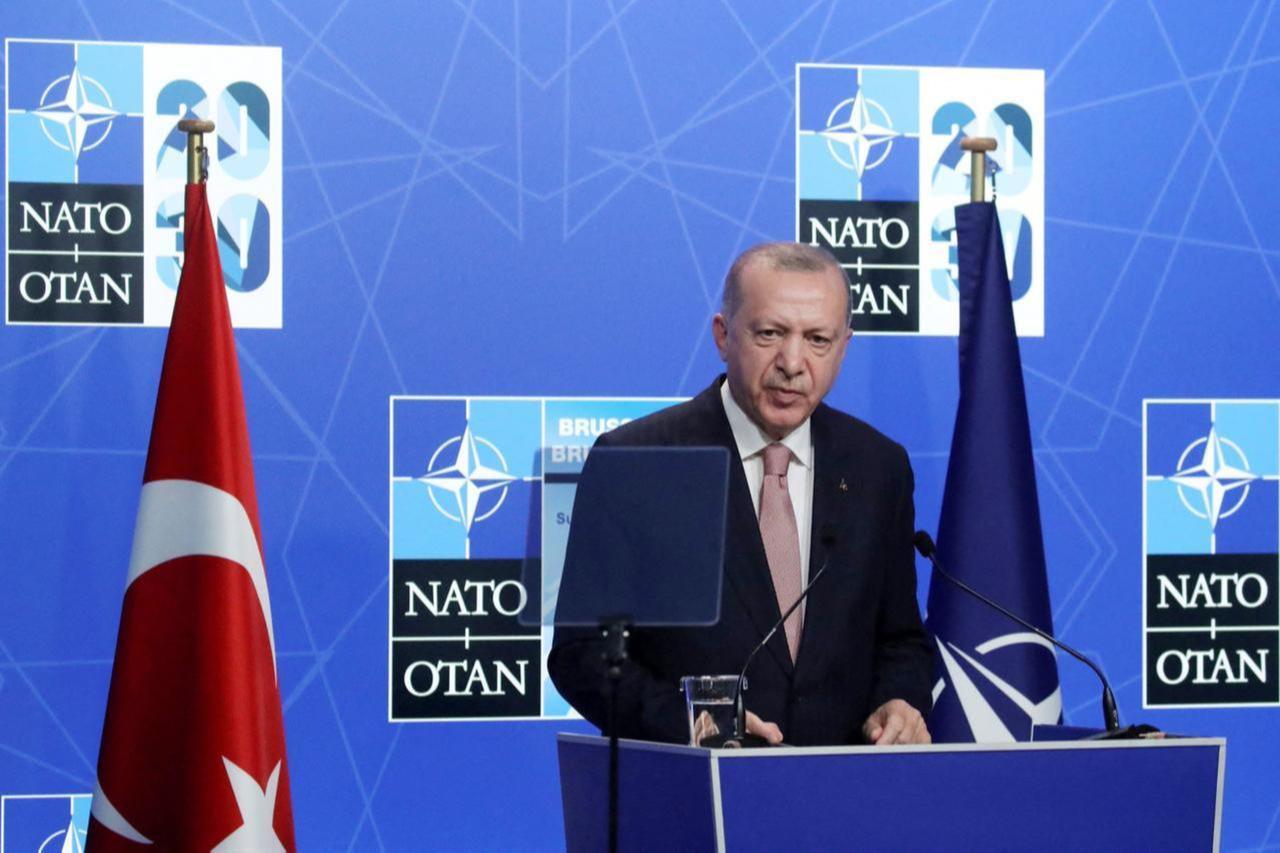
The diplomatic momentum is being matched by a packed bilateral calendar. Carney is expected to attend the NATO summit in Ankara in July.
But several officials also told MEE that the prime minister is planning a separate formal bilateral visit to Türkiye in October, during which a range of defence cooperation initiatives, including drone-related projects, are expected to be announced.
"You will see our prime minister coming here a couple of times in the near future to demonstrate how interested we are and how committed we are to working more bilaterally with Turkey moving forward," Fuhr said during the Istanbul panel.
Fuhr also highlighted a structural frustration driving Ottawa's urgency. He argued that one of the military's deepest grievances with the defence procurement system was the widening gap between shrinking technology cycles and bloated acquisition timelines.
"You end up with something that is slow and irrelevant," he said. "So we are very motivated to move quickly, and I see signs that our partners are working quickly as well, and I'm seeing tangible results from that."
The overture toward Turkish drones arrives at a pivotal moment in Canadian defence policy. Canada hit NATO's 2 percent of GDP spending target for the first time in decades in the 2025-26 fiscal year, investing more than $63 billion in defence, the highest level of spending relative to GDP since the end of the Cold War.
The Carney government has pledged a further increase to 5 percent of GDP by 2035.
As part of its first Defence Industrial Strategy, unveiled in February, Ottawa is establishing a Drone Innovation Hub at the National Research Council with a $105 million investment over three years, and has created a new Defence Investment Agency to streamline procurement.
The strategy, backed by $81.8 billion over five years, explicitly prioritises working with trusted middle-power partners, a framing Fuhr applied directly to Türkiye during his Istanbul remarks.
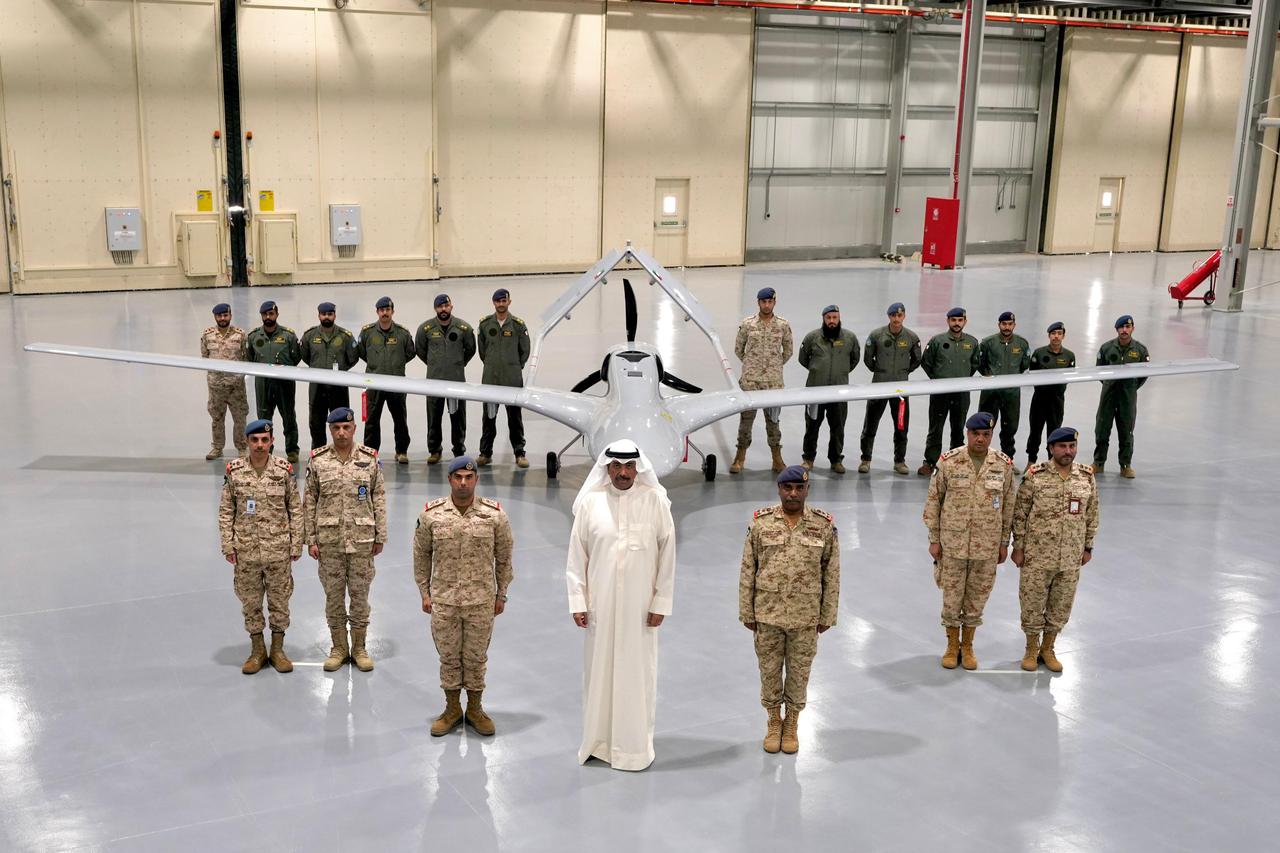
For Ankara, the discussions mark a vindication of the industrial self-sufficiency push that Canadian sanctions helped accelerate. The Bayraktar TB2, manufactured by Baykar, became one of the most widely exported military drones in the world after the 2019 embargo, having been sold to dozens of countries including Ukraine, Ethiopia and Pakistan.
The same platform that once depended on Canadian cameras is now the system Ottawa may seek to buy.


 Set as preferred source
 Set as preferred source


 1 min read

 1 min read


