Newsletters


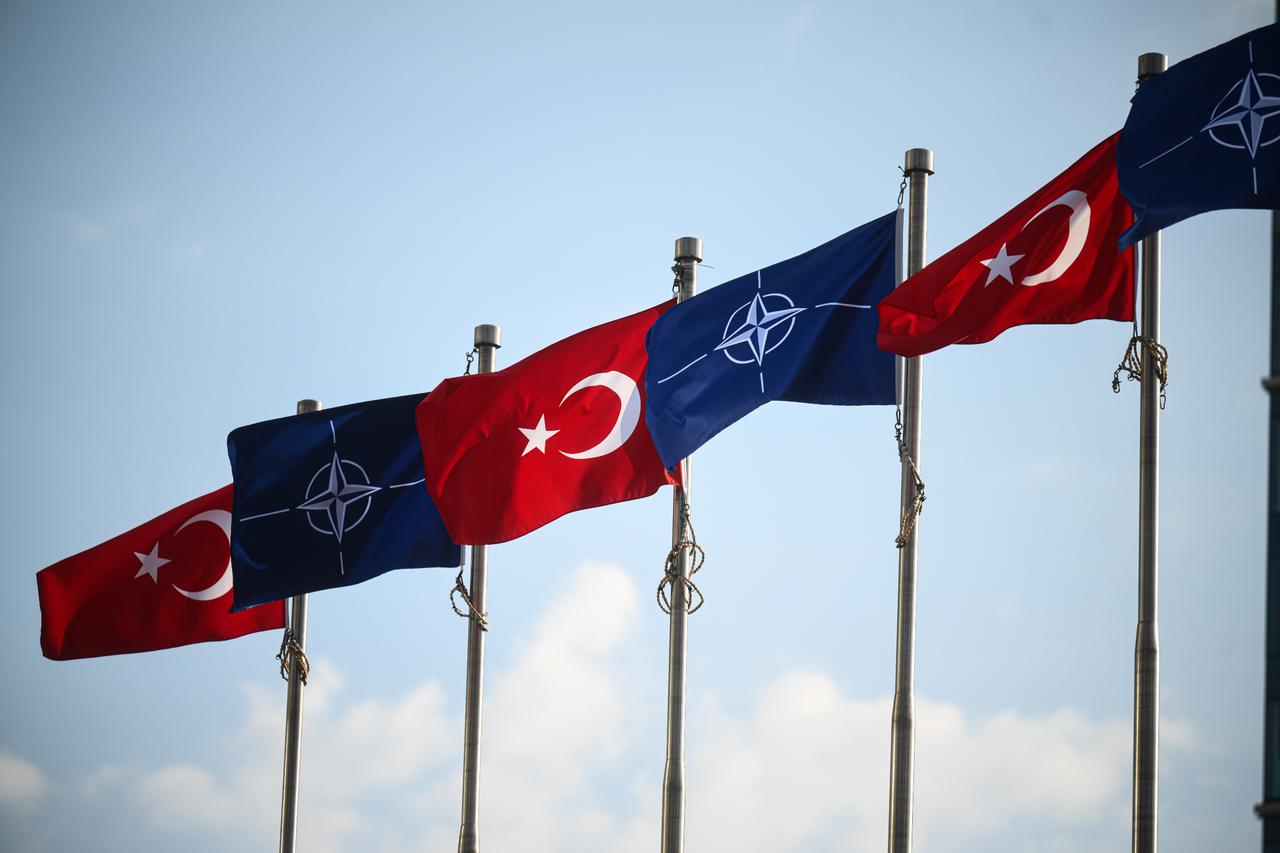


As NATO leaders gather in Ankara on July 7-8, the alliance is facing a practical test of whether Europe's defense pledges can be turned into real military capability.
The debate around "NATO 3.0" is less a formal doctrine than a political framework that asks how the alliance should share its burden, what the U.S. commitment will look like after that burden is shared, and what level of sharing will be considered enough.
The idea points back to a question raised at the very start of NATO's military structure. In 1951, Dwight Eisenhower, then NATO's first Supreme Allied Commander Europe, said U.S. forces in Europe were meant to help rebuild Europe's ability and will to defend itself. In that view, the American presence was supposed to work like temporary scaffolding, not a permanent pillar. Seventy-five years later, that scaffolding has become central to Europe's defense architecture.
The current use of NATO 3.0 has been shaped by Washington's demand for a new balance inside the alliance. In this framework, NATO 1.0 refers to the Cold War-era alliance built around deterrence, while NATO 2.0 describes the post-1989 period, when NATO moved into missions from the Balkans to Afghanistan and accepted relatively limited European defense budgets.
NATO 3.0, as described in the current debate, calls for Europe to take primary responsibility for its own conventional defense.
The U.S., meanwhile, would place more weight on homeland defense and deterring China in the Indo-Pacific. Under this model, the transatlantic relationship would move away from dependency and toward a more balanced partnership.
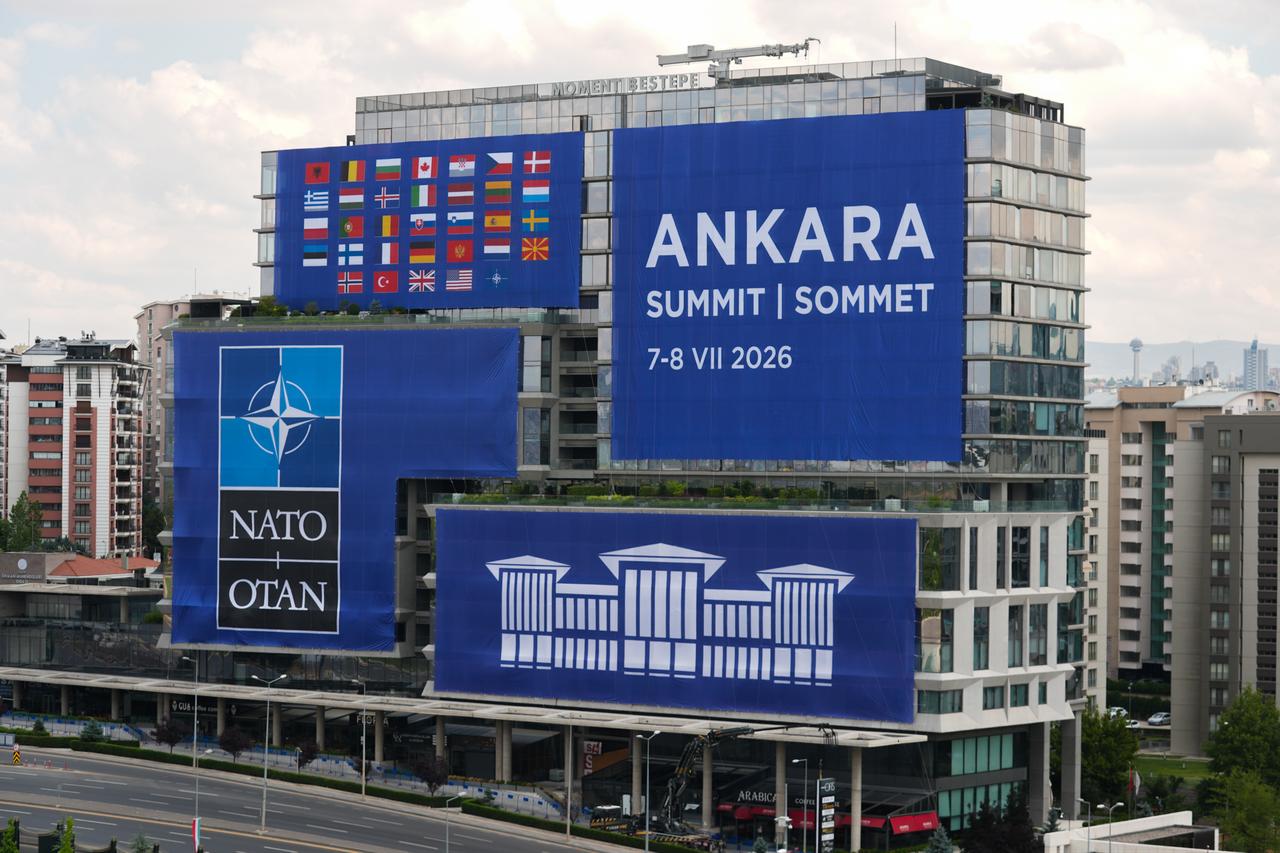

The Ankara summit is not mainly about choosing a new direction. That decision was made at the The Hague summit in June 2025, when all 32 allies backed a target of spending 5% of gross domestic product on defense and security-related needs. Of that amount, at least 3.5% is meant for core defense requirements, while up to 1.5% can go to areas such as infrastructure, resilience and the defense industry.
NATO Secretary-General Mark Rutte has framed Ankara as a delivery and implementation summit, arguing that making a pledge and fulfilling it are not the same thing. In this sense, Ankara is set to measure whether the commitments made in The Hague can be carried forward.
NATO data cited in the analysis show a clear shift in defense spending. Between 2015 and 2025, 31 of the 32 allies increased defense spending as a share of gross domestic product (GDP), while the only decline came from the U.S. European allies and Canada raised their collective defense investment from 1.4% of GDP in 2014 to 2.3% in 2025.
Rutte has said this amounted to an additional $1.2 trillion over the past decade. From 2024 to 2025 alone, spending rose by 20%, or $139 billion.
The change had already been shaped by the Russia-Ukraine war, while U.S. President Donald Trump's second term accelerated the process rather than starting it.
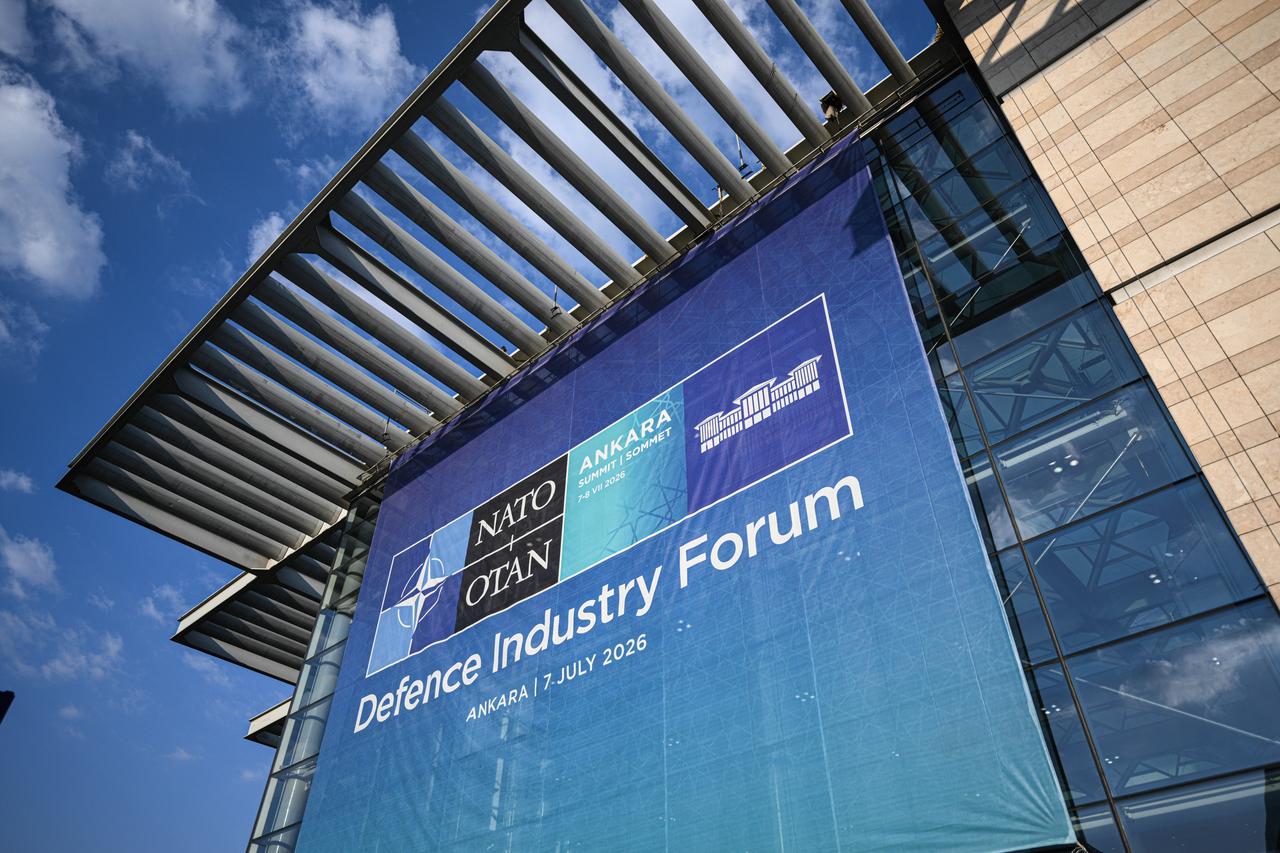
Ankara's agenda follows directly from The Hague. Its three main priorities are increasing defense investment, strengthening transatlantic defense industry production, and maintaining support for Ukraine. Some allies are expected to reach the 5% target as early as 2026, but the summit's main concern is whether the money will go into the right capabilities.
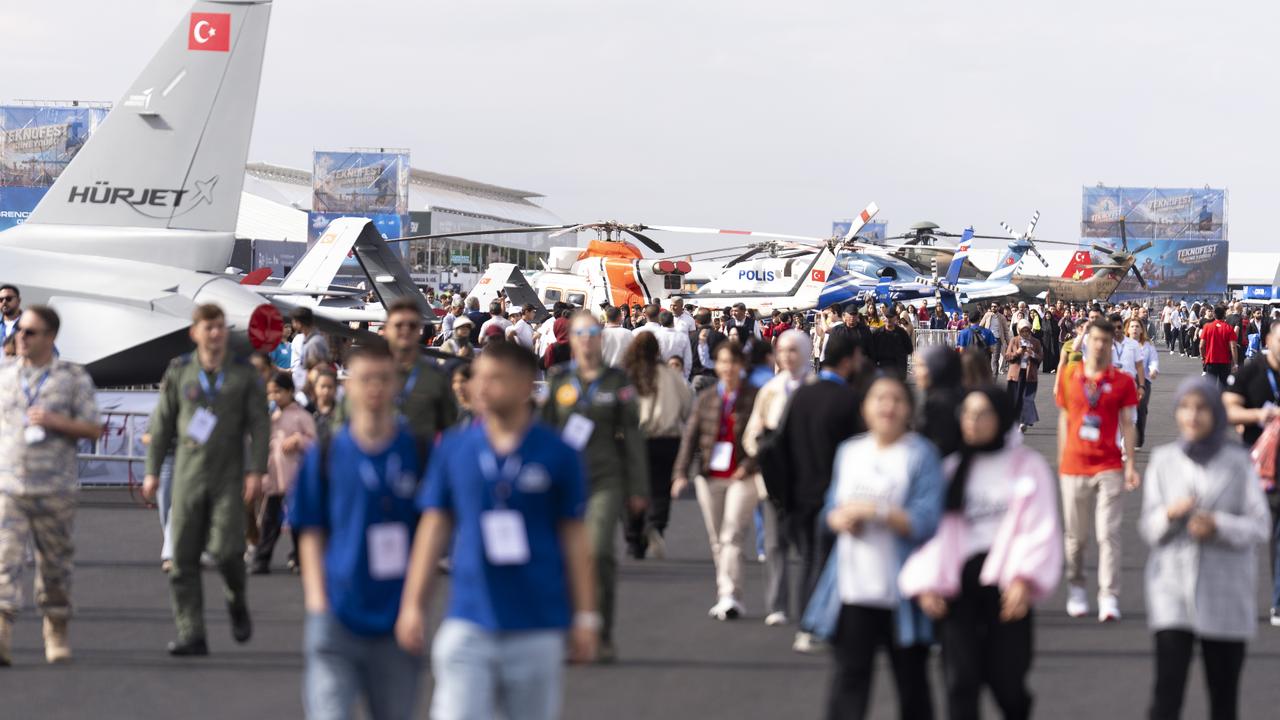
The focus on defense industry forums and meetings on the first day of the summit shows that NATO's center of gravity is moving from declarations toward factories, procurement systems, and technological integration. The Russia-Ukraine war has shown that in a long conflict, industrial capacity is not just a support function but part of combat power itself.
The main weakness of NATO 3.0 is that it still does not fully answer what the alliance is collectively deterring, what the U.S. commitment will look like once Europe carries more weight, or what counts as sufficient burden-sharing.
Without that strategic clarity, the 5% target risks remaining an accounting figure rather than a complete defense strategy.
Reducing the debate to spending levels would also be misleading. The way money is spent matters as much as the amount.
Procurement speed, industrial scale, and duplication inside Europe will shape whether new budgets produce effective results. The analysis notes that European armies operate 178 major weapons system types, compared with about 30 used by the U.S. In tanks alone, Europe has 17 different models, while the U.S. relies on one main battle tank.
Ankara will therefore show whether signatures can be turned into capabilities, whether capabilities can feed into doctrine, and whether doctrine can support a coherent alliance concept. If that happens, NATO 3.0 may begin to move from slogan to strategy.
If not, the question will be less about the road NATO has chosen and more about whether the alliance has the strength to walk it.


 Set as preferred source
 Set as preferred source


 2 min read