Newsletters


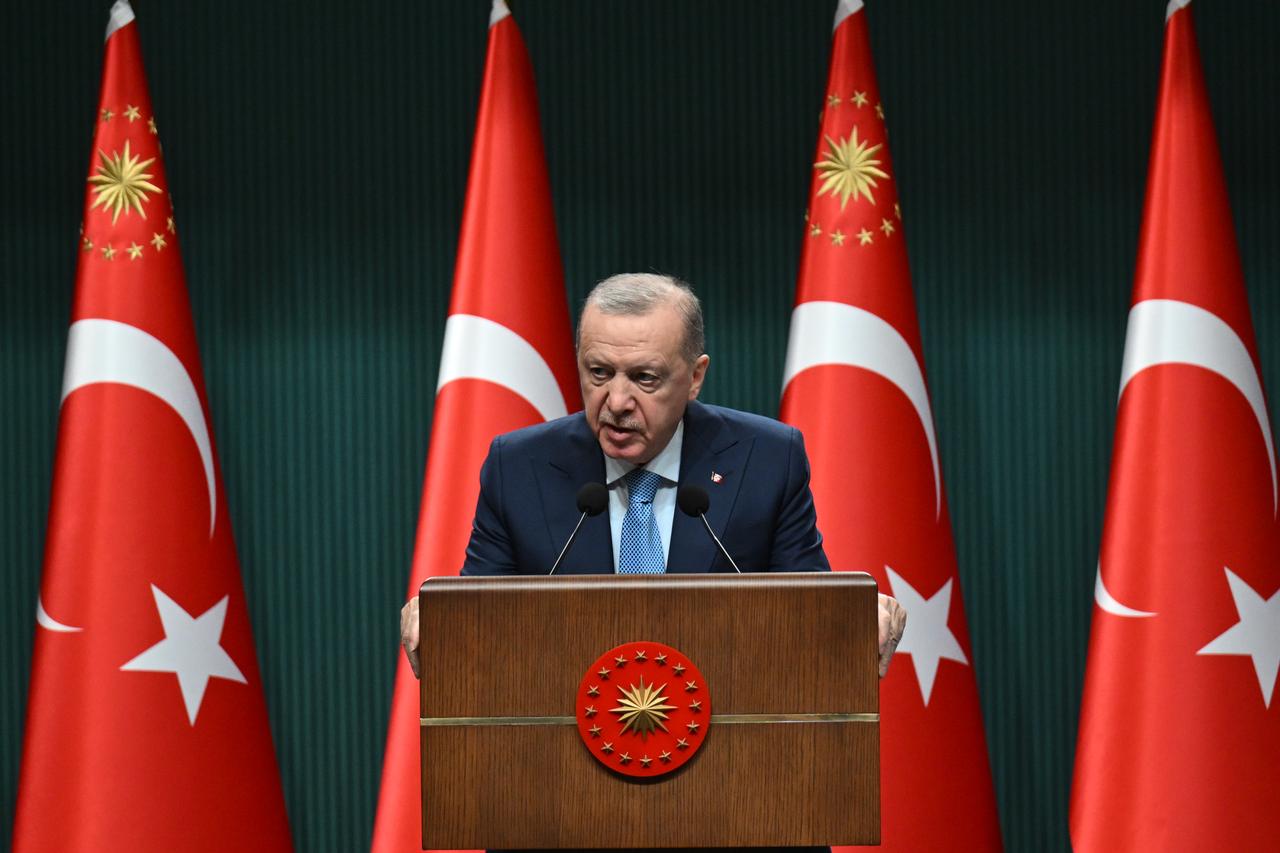


President Recep Tayyip Erdogan issued a sharp warning Monday that the Russia-Ukraine war has escalated to a point where it directly endangers maritime security in the Black Sea, following Ukrainian drone attacks on oil tankers within Türkiye's territorial waters.
Speaking after a Cabinet meeting at the Presidential Complex, Erdogan said commercial vessels came under fire Friday in Türkiye's Exclusive Economic Zone, marking what he characterized as a troubling intensification of the conflict.
The president declared that Ankara cannot justify assaults that jeopardize safe passage, human life and environmental protection in its own maritime zone, and confirmed that Turkish authorities are delivering warnings to all involved parties.
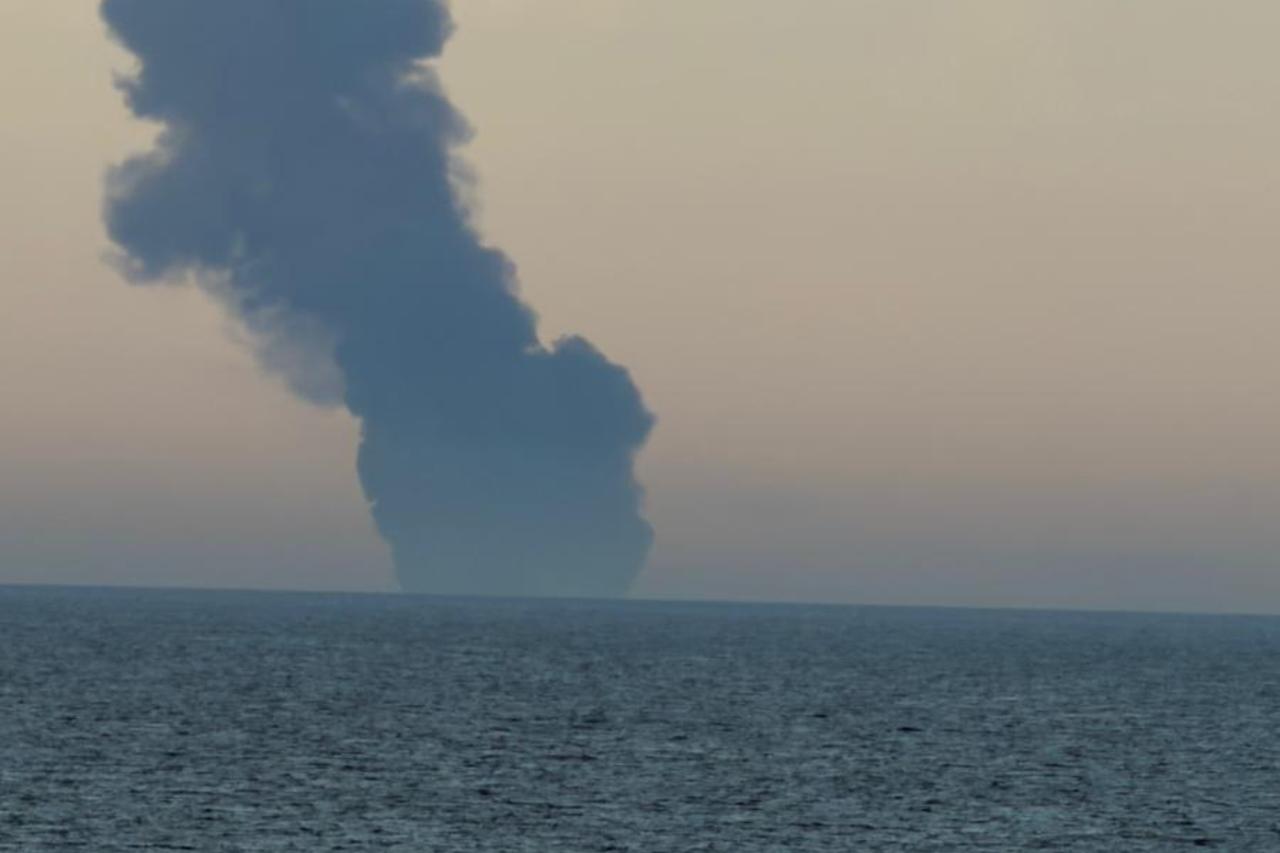
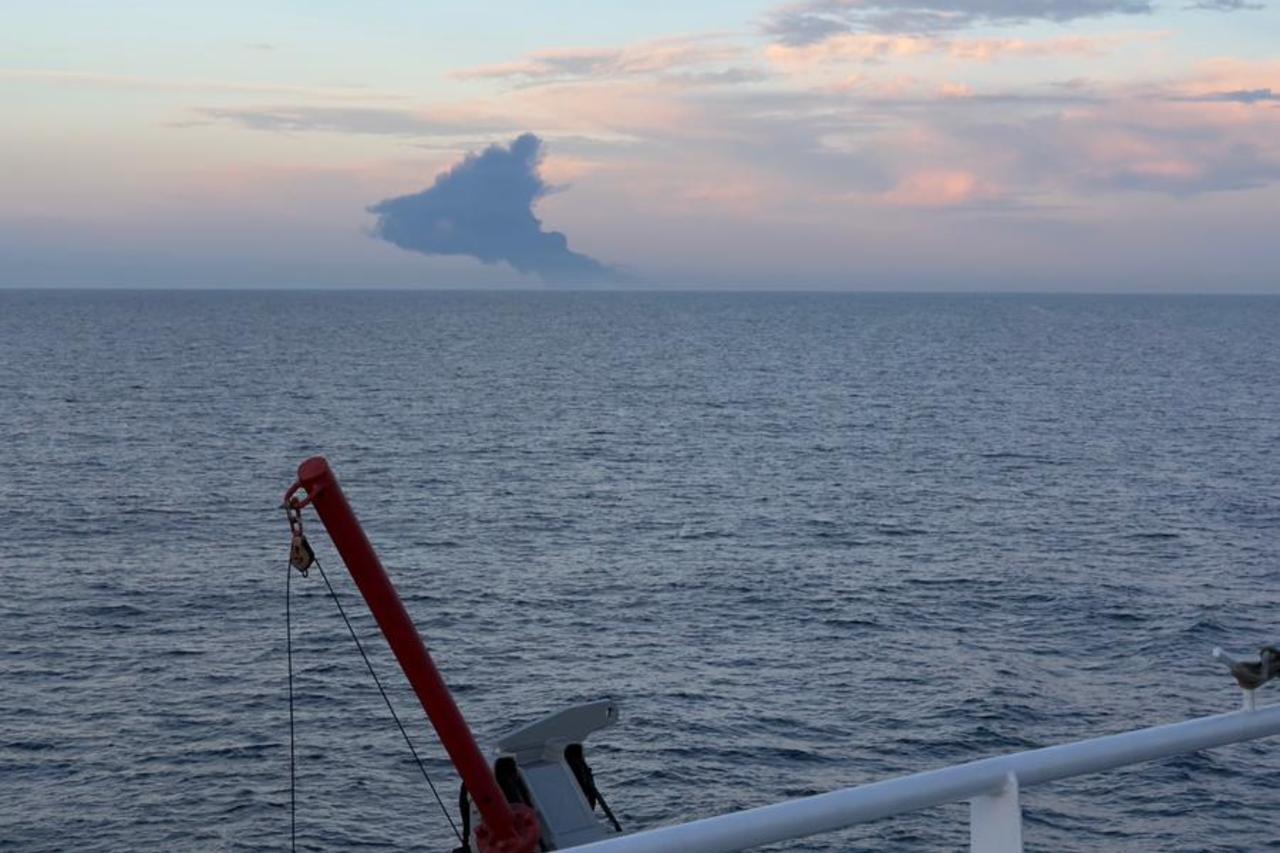
The remarks came two days after Ukraine confirmed using naval drones to strike two vessels near Türkiye's Black Sea coast on Sunday. The Turkish Foreign Ministry condemned the attacks on the Kairos and Virat tankers, stating they posed serious risks to navigation, life, property and environmental safety throughout the region.
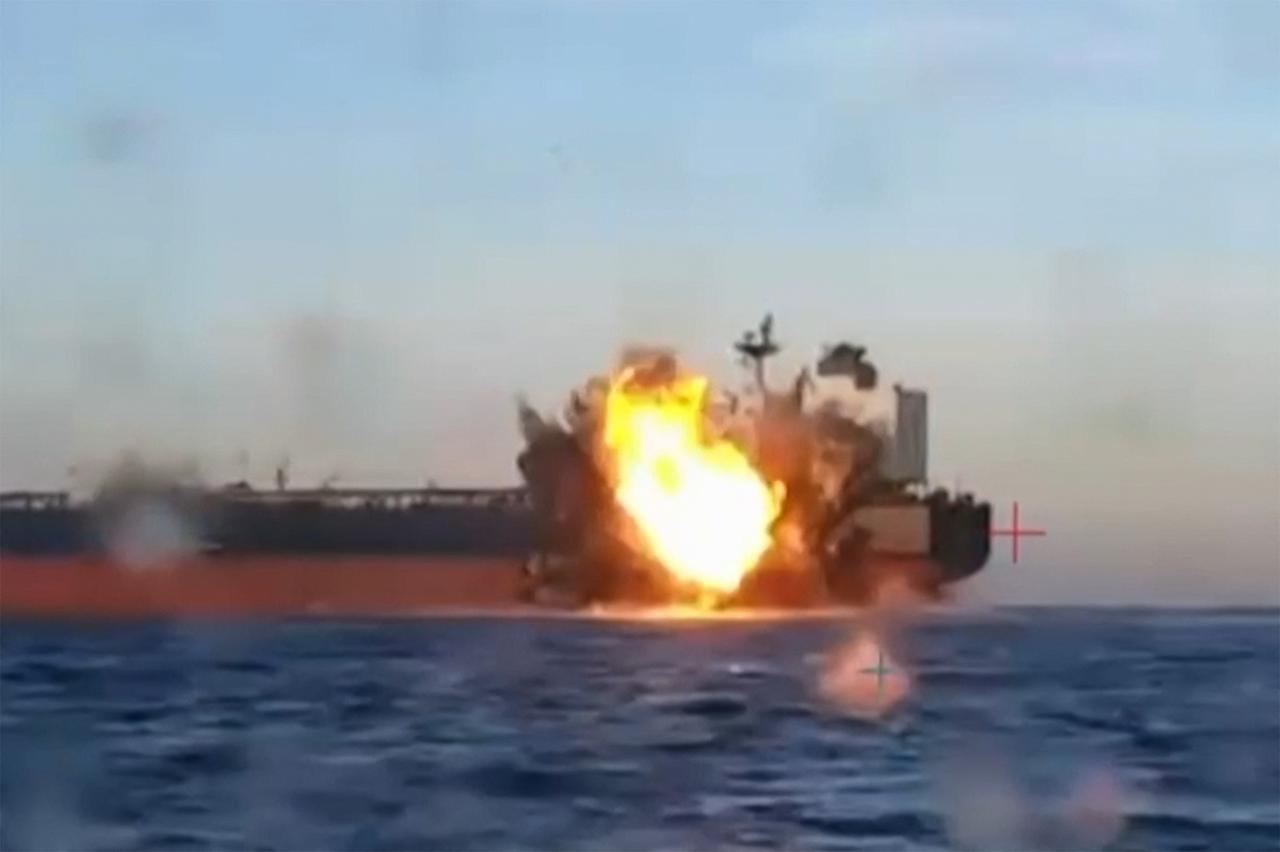

The two targeted vessels are listed in the OpenSanctions database as part of a fleet used to circumvent sanctions imposed on Russia following its invasion of Ukraine, according to reporting by international news agencies. All crew members aboard both tankers were reported safe following the strikes.
Ukrainian officials defended the operation as retaliation against aggressors, emphasizing the country holds no hostile intent toward third parties. However, the incident has raised concerns among regional powers about the war's expanding geographic footprint in the Black Sea basin.
Kazakhstan separately urged Ukraine to halt attacks on the Caspian Pipeline Consortium terminal on Russia's Black Sea coast, calling the facility an exclusively civilian operation protected under international law. The Central Asian nation said the strikes represented the third such assault on infrastructure that handles 80 percent of its oil exports.
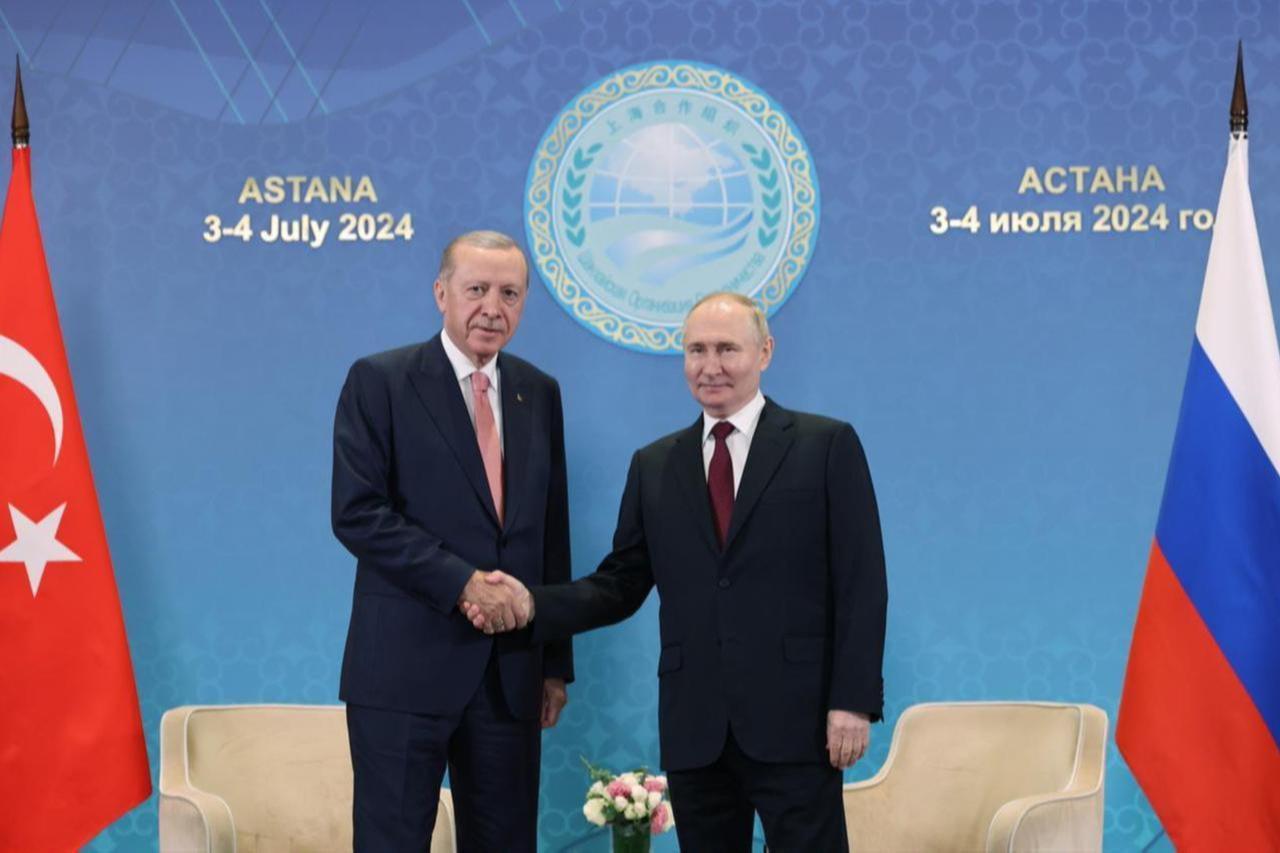
Türkiye has maintained involvement in peace negotiations between Moscow and Kyiv throughout the conflict, which is approaching its fourth year. Erdogan said his government closely follows recent diplomatic efforts aimed at ending hostilities and stands prepared to contribute whenever opportunities arise.
The Turkish leader emphasized that Ankara is actively communicating with relevant parties to prevent further deterioration of security conditions in the Black Sea. The waterway serves as a critical transit route for energy exports and commercial shipping connecting the region to global markets.
Russia continues selling oil through both conventional channels and what Western officials describe as a shadow fleet of unmarked tankers operating worldwide, despite sanctions designed to cut off funding for Moscow's military operations. Ukrainian forces have increasingly targeted energy infrastructure as part of their defensive strategy, while Western allies consider additional sanctions against nations conducting business with Russia.
The Black Sea incidents occurred as Erdogan outlined broader national priorities during his Cabinet address, including ambitious industrial expansion plans and economic growth targets. The president reported Türkiye's economy grew 3.7 percent in the third quarter, extending an uninterrupted expansion streak to 21 consecutive quarters.
Erdogan also discussed what he termed a "terrorist-free Türkiye" initiative, framing the effort as removing obstacles to economic advancement and social cohesion. He invoked centuries of shared history with Kurdish, Arab and other regional communities, calling for national unity among all 86 million citizens.
The president separately confirmed hosting Pope Leo XIV in Ankara last week for discussions covering threats to family institutions, rising Islamophobia in the West, and Israel's military operations in Gaza. The leaders addressed the Alliance of Civilizations initiative and the importance of preserving humanitarian access to conflict zones.


 Set as preferred source
 Set as preferred source


 1 min read
 1 min read