

 Newsletters


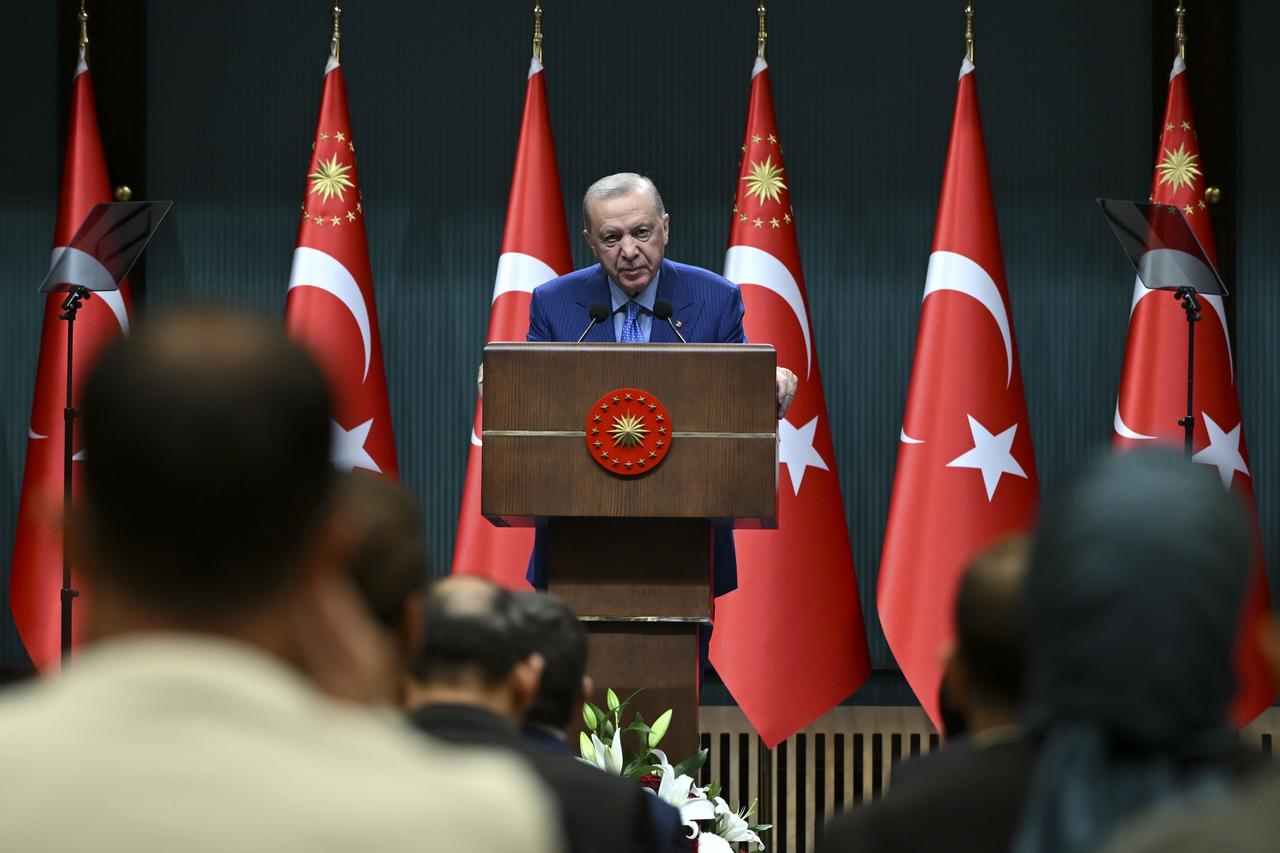


Turkish President Recep Tayyip Erdogan said Monday that he will meet with Türkiye’s top economic officials and the heads of relevant institutions on Tuesday, Sept. 29, to address an investment fund crisis that has triggered fund closures, liquidation orders and criminal investigations.
“We will rapidly implement administrative and legal regulations that will make the functioning of our capital markets much healthier,” Erdogan said following a Cabinet meeting in Ankara.
“Tomorrow, I will meet with our economic officials and the heads of the responsible institutions,” he said. “Every necessary step will be taken within the boundaries of the rule of law.”
Erdogan said authorities were closely monitoring developments in capital markets and that government teams were working intensively on the issue.
“Whether through market manipulation, stock market schemes or corruption, whoever reaches for the rights of the nation will find us standing against them,” he said.
Erdogan sought to reassure investors that the problems remained confined to a limited section of the investment fund market and had not spread to Türkiye’s broader financial system.
“The problem that has occurred is in a limited part of the fund market. There is no risk that has spread to our financial system,” Erdogan said.
“The Turkish capital market is resilient and its foundations are solid. It has more than enough capacity to overcome this test,” he added.
Erdogan said authorities were acting with particular caution because of the nature of capital markets and that work on the liquidation of closed funds was being carried out meticulously.
Those found to have engaged in market-disrupting activities through investment funds would be held accountable before the law, he said.
“No one, including opposition figures, has the right to harm our economy or unsettle investors simply for the sake of gaining political ground,” Erdogan added.
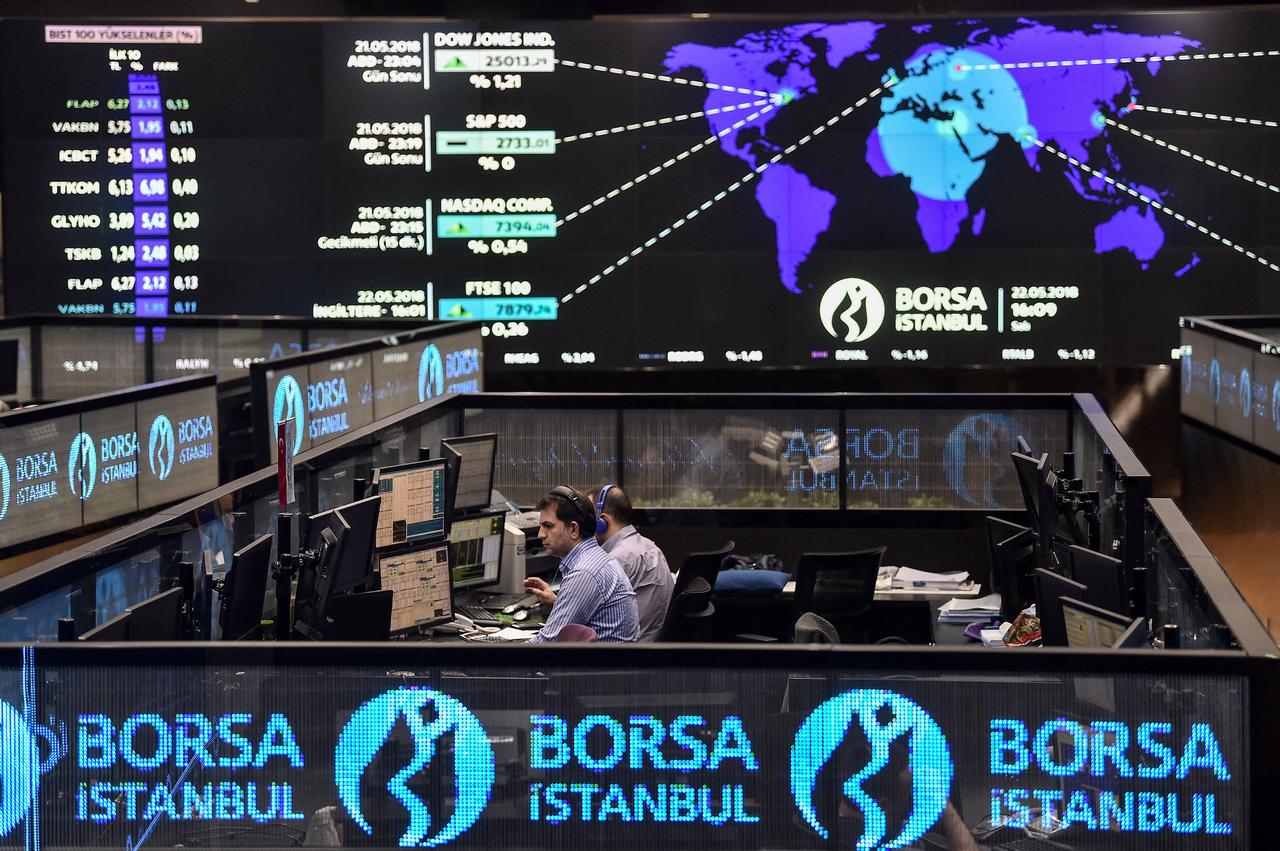
His remarks echoed an earlier assessment by Türkiye’s Financial Stability Committee, which said recent volatility stemmed from credit and liquidity problems affecting certain funds managed by a limited number of portfolio management companies.
The committee said there was no fundamental or structural risk to the functioning of Borsa Istanbul or Türkiye’s capital markets and described the problem as temporary and manageable.

Erdogan also delivered a broader message on accountability, saying the government would not tolerate misconduct that harmed citizens or investors.
“When it comes to our nation, our stance is clear. We neither violate anyone’s rights nor turn a blind eye when the rights of our citizens are violated,” Erdogan said. “We would never choose to defend those who violate people’s rights.”
“Whoever lays a hand on the nation’s rights, property or possessions will find us — will find the state — standing against them,” he added.
Referring to the ongoing fund investigations, Erdogan said: “No one should compare us with those who travel from square to square and city to city to defend corruption worth billions of liras. We are not like them.”
The crisis has also spilled into the ruling Justice and Development Party, or AK Party.
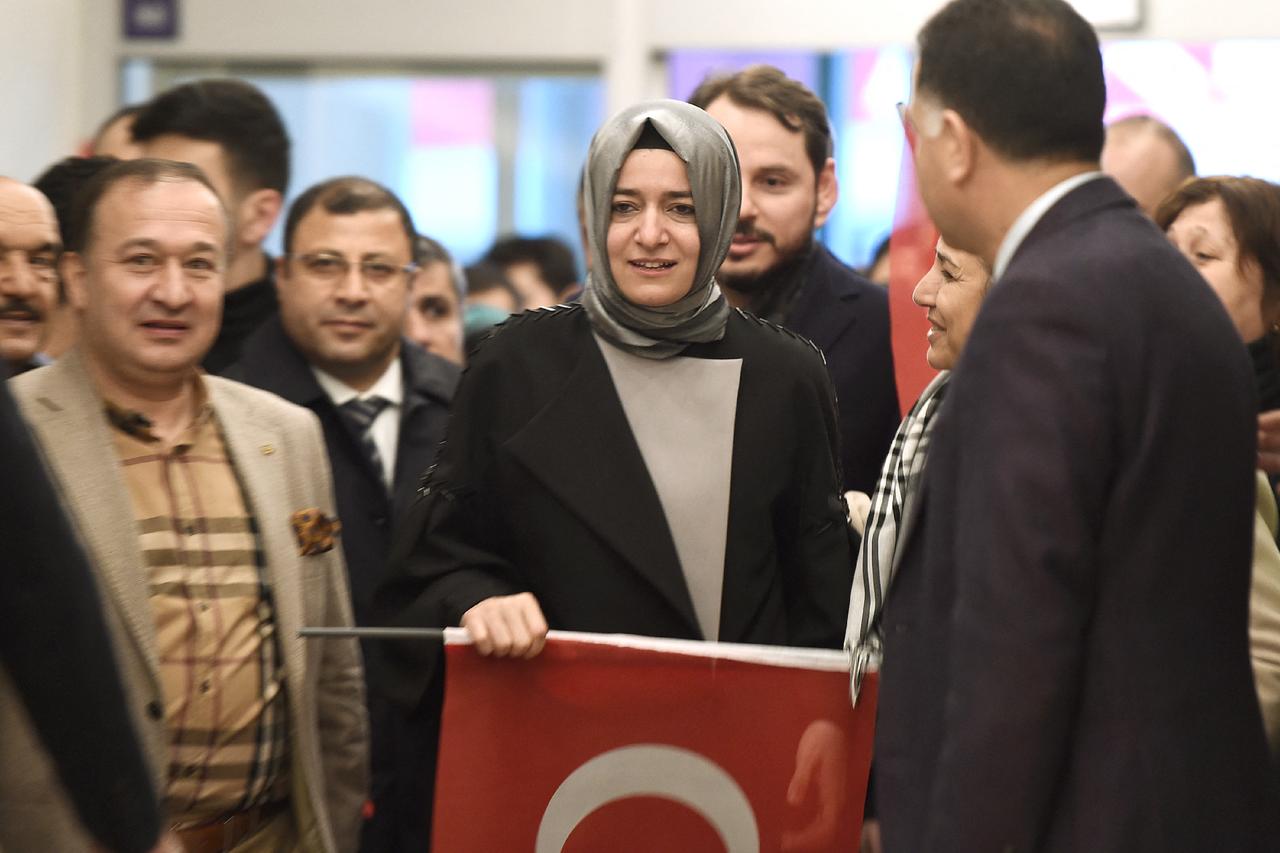
Deputy Chair Fatma Betul Sayan Kaya asked Erdogan to relieve her of all party duties after an opposition politician accused her and her husband of profiting from share trades made before the investment fund crisis.
Kaya said she was assuming political responsibility while the allegations were investigated but did not address the substance of the claims.
Türkiye’s Capital Markets Board, or SPK, has taken a series of measures following developments involving several portfolio management companies.
The regulator closed investment funds established by seven portfolio management companies and traded on the Turkish Electronic Fund Trading Platform, or TEFAS, to purchases and redemptions.
It also ordered the liquidation of designated funds belonging to the companies through a method to be determined by the board.
The affected portfolio management companies are Tera Portfolio Management, Pusula Portfolio Management, Hedef Portfolio Management, Atlas Portfolio Management, A1 Capital Portfolio Management, Pardus Portfolio Management and Bulls Portfolio Management.
The SPK also temporarily eased the minimum equity maintenance ratio for margin transactions.
The ratio, normally set at 35%, may be applied at a minimum of 20% until the close of trading on Oct. 2, depending on brokerage firms’ risk policies and with customer requests taken into consideration where possible.
The crisis has also prompted criminal investigations into suspected market-disrupting transactions and other alleged irregularities.
Tera Chairman Emre Tezmen was among five people jailed as part of one investigation, while former Central Bank Deputy Governor Erkan Kilimci was arrested as the wider fund probe expanded.
Authorities have also taken action involving companies and individuals linked to the investigations.
On Monday, asset-freeze measures imposed on 45 companies and 19 investment funds were lifted following assessments by relevant authorities, allowing companies not directly implicated in the alleged misconduct to continue their operations.
Treasury and Finance Minister Mehmet Simsek said separately Monday that legal proceedings against those involved in market-disrupting transactions were continuing, while stressing that no action would be taken against individuals or companies unrelated to such activities.
Simsek said protecting investment, employment, production and export capacity in Türkiye’s real economy remained a priority.
He also said authorities were working with the Justice Ministry to protect the legitimate rights of fund investors and would continue taking necessary measures, particularly steps aimed at providing liquidity to the market, to prevent the developments from negatively affecting the financial system and the real economy.
Simsek urged the public to rely only on official statements from authorized institutions regarding the ongoing process.
Erdogan’s meeting with economic officials and institutional heads on Tuesday is expected to focus on the government’s next steps as authorities seek to stabilize the fund market, protect investors and tighten the regulatory framework governing Türkiye’s capital markets.


 Set as preferred source
 Set as preferred source


 1 min read
 1 min read


