Newsletters


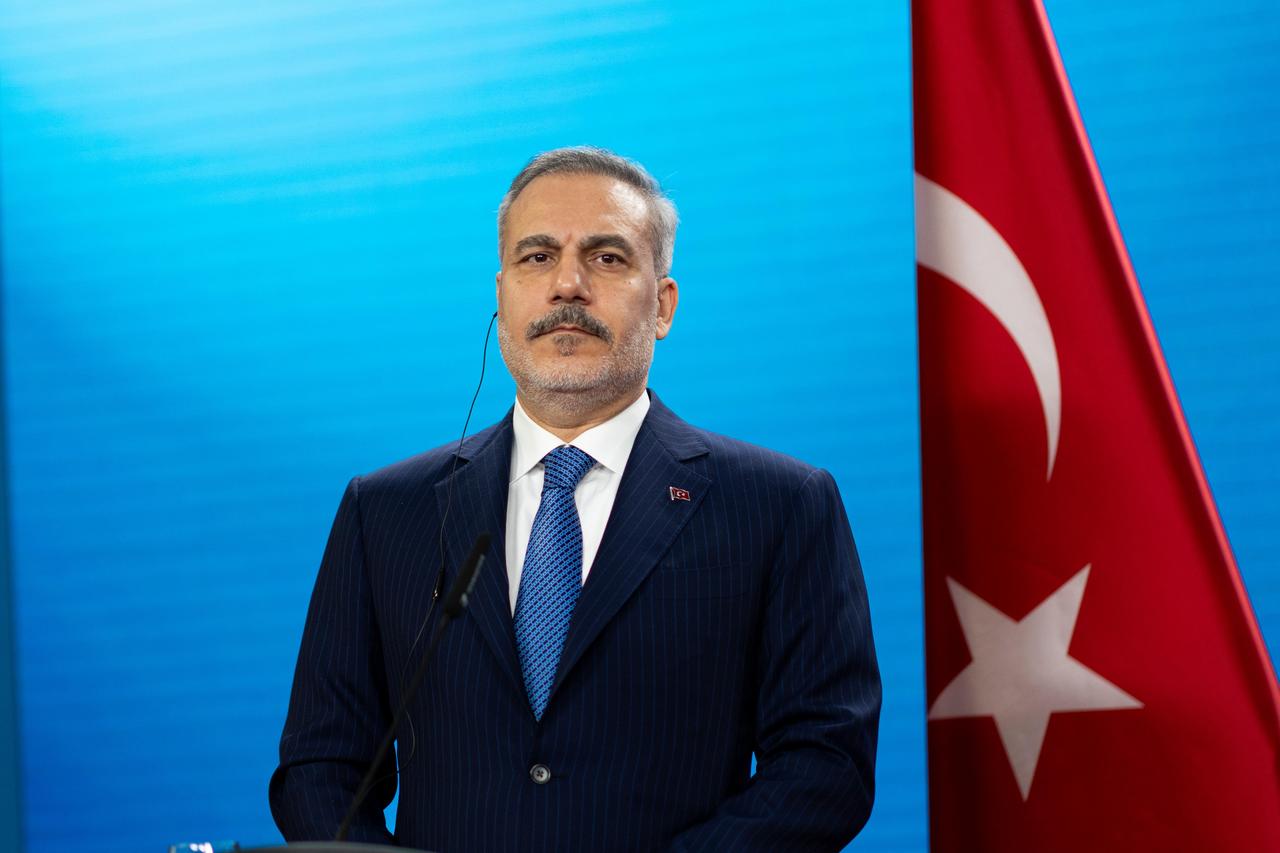


Foreign Minister Hakan Fidan has outlined a vision for a new regional security architecture spanning from Pakistan to the Persian Gulf, and Israel could eventually take its place within it, on the condition that it recognizes a Palestinian state based on the 1967 borders.
Speaking exclusively to Nikkei Asia in an interview conducted in Ankara on May 25, Fidan described what he called a "golden opportunity" for states across the Middle East to build a cooperative framework rooted in mutual recognition.
"All the countries in the region should be committing to each other's territorial integrity, sovereignty, and security," he said.
The proposed platform, as Fidan sketched it, would anchor Pakistan, Türkiye, Saudi Arabia, Egypt and the Gulf states, with room for expansion. "When things return to normal, maybe Iran should also be part of it," he said.
As for Israel: "If that problem is solved, I think the security of Israel will be very much assisted by the regional countries, too."
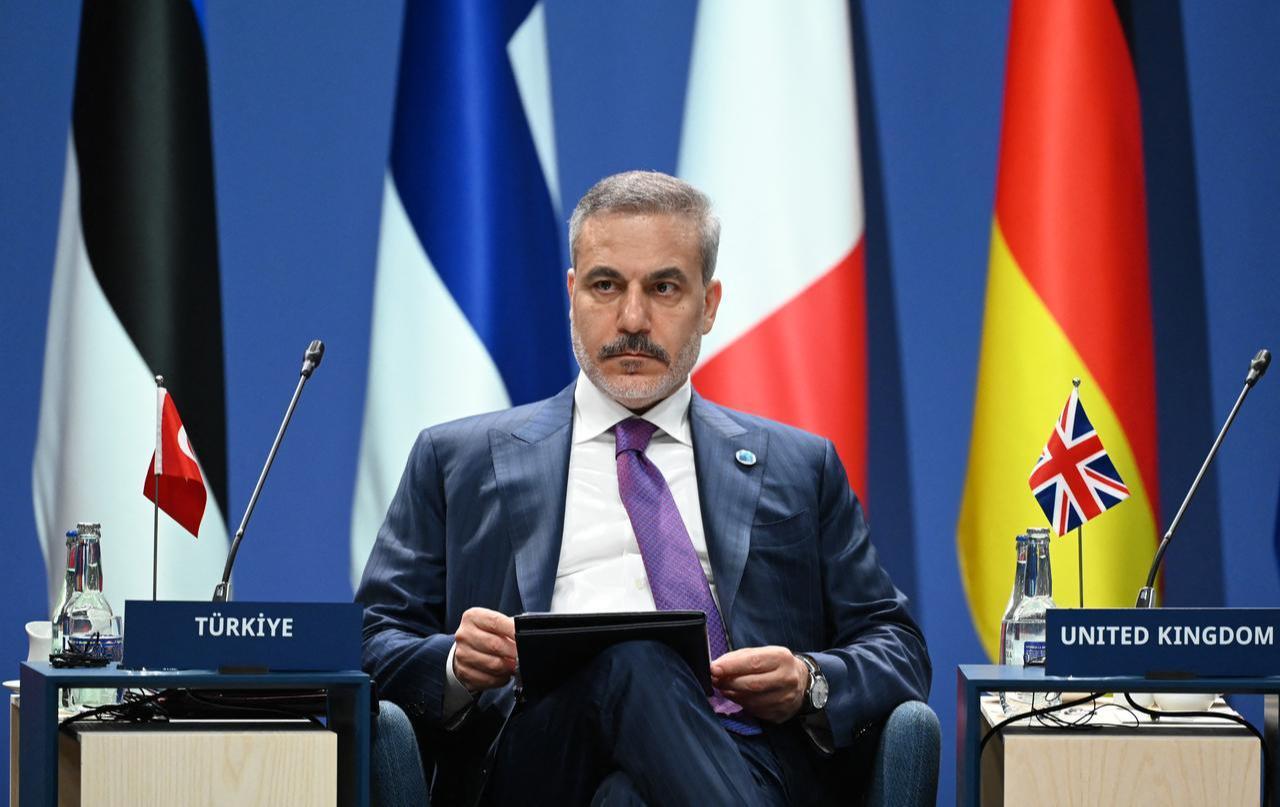

The remarks came in response to a question about U.S. President Donald Trump's reported push, during a late-May call with Middle Eastern leaders, for Türkiye to join the Abraham Accords, the normalization agreements Israel struck with several Arab states during Trump's first term.
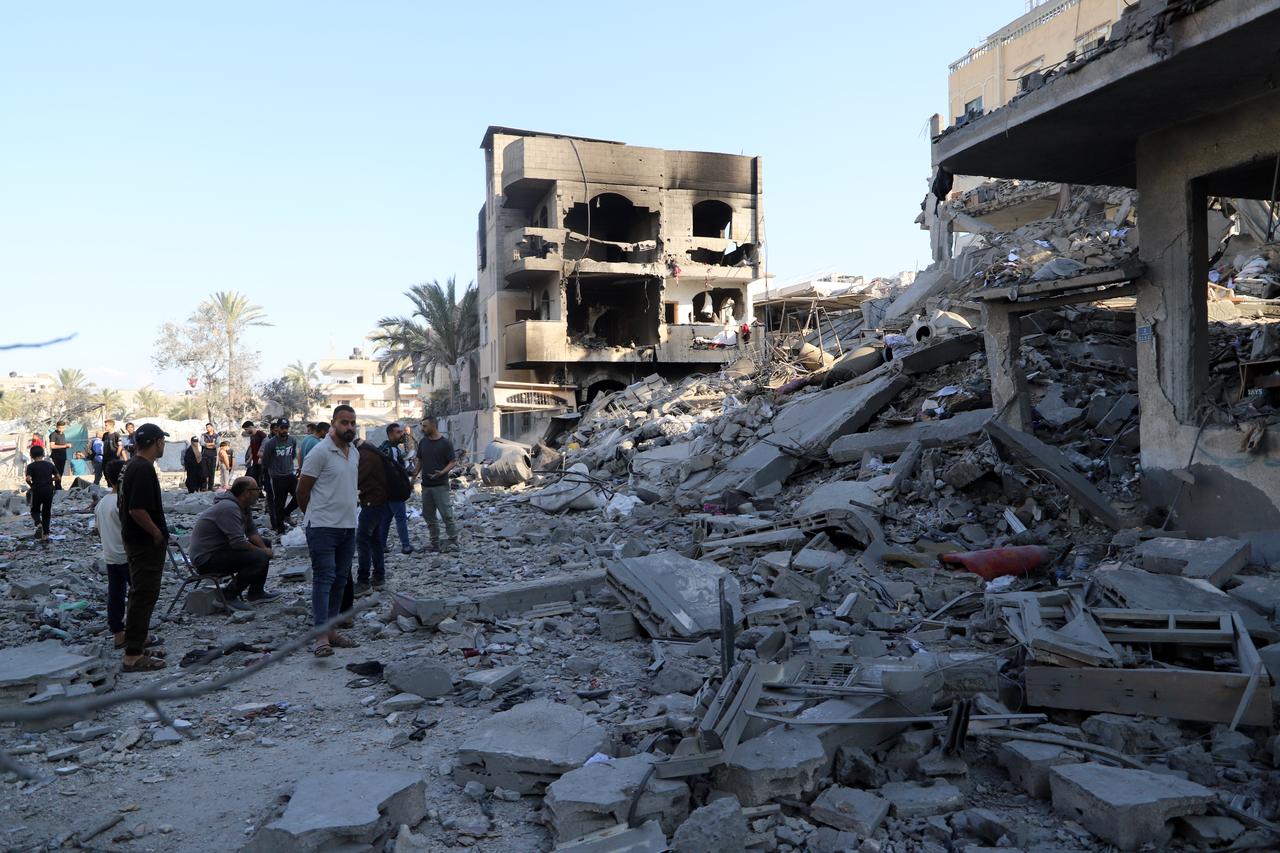
Fidan acknowledged the depth of the bilateral relationship but drew a firm line on what would be required to resume it. He noted that Türkiye and Israel have maintained diplomatic relations since 1949 and that bilateral trade reached $10 billion before Israel's war in Gaza. That trade has since been halted.
"We made it very clear when we stopped the trade: Israel must stop killing Palestinians and must stop preventing Gazans from having access to basic human needs such as food, shelter, medicine and water," Fidan said.
"If these are met, we can go back to normal life, no problem. We want to achieve a two-state solution," he noted.
Dismissing rhetoric from Israeli politicians who have cast Türkiye as a potential strategic adversary, Fidan was pointed. "In Israeli domestic politics, unfortunately, they need an enemy to make politics all the time to conduct their regional ambitions. But everybody knows Israel is not after its security but after more land," he said, citing Israeli military presence in Gaza, the West Bank, Syria, and Lebanon.
The international community, he argued, should "prevent Israel from further destabilizing not only the regional order but the global order as well."
Türkiye is supporting Pakistan's mediation between Washington and Tehran, working alongside Qatar to facilitate talks. Fidan offered one of the more optimistic assessments of the negotiations heard from a senior regional diplomat.
"Both sides want to reach a positive conclusion. An agreement is closer than ever," he said.
With a ceasefire in place, the focal point has shifted to the Strait of Hormuz, whose effective closure since late February has sent energy prices higher globally. Fidan said the parties had outlined a sequencing in which a final agreement on reopening the strait would open the door to nuclear talks.
The Hormuz blockade, he said, was "putting too much pressure on both" Washington and Tehran.
"The international impact, including on energy security, food security, and rising prices, is immense," he said, adding, "This has become a situation that takes priority over the nuclear files."
Fidan added that a resolution to the Iran war would carry consequences beyond the two belligerents. "If the U.S. and Iran agree to end hostilities, discussions on a peace plan for the Gaza Strip can accelerate," he said.
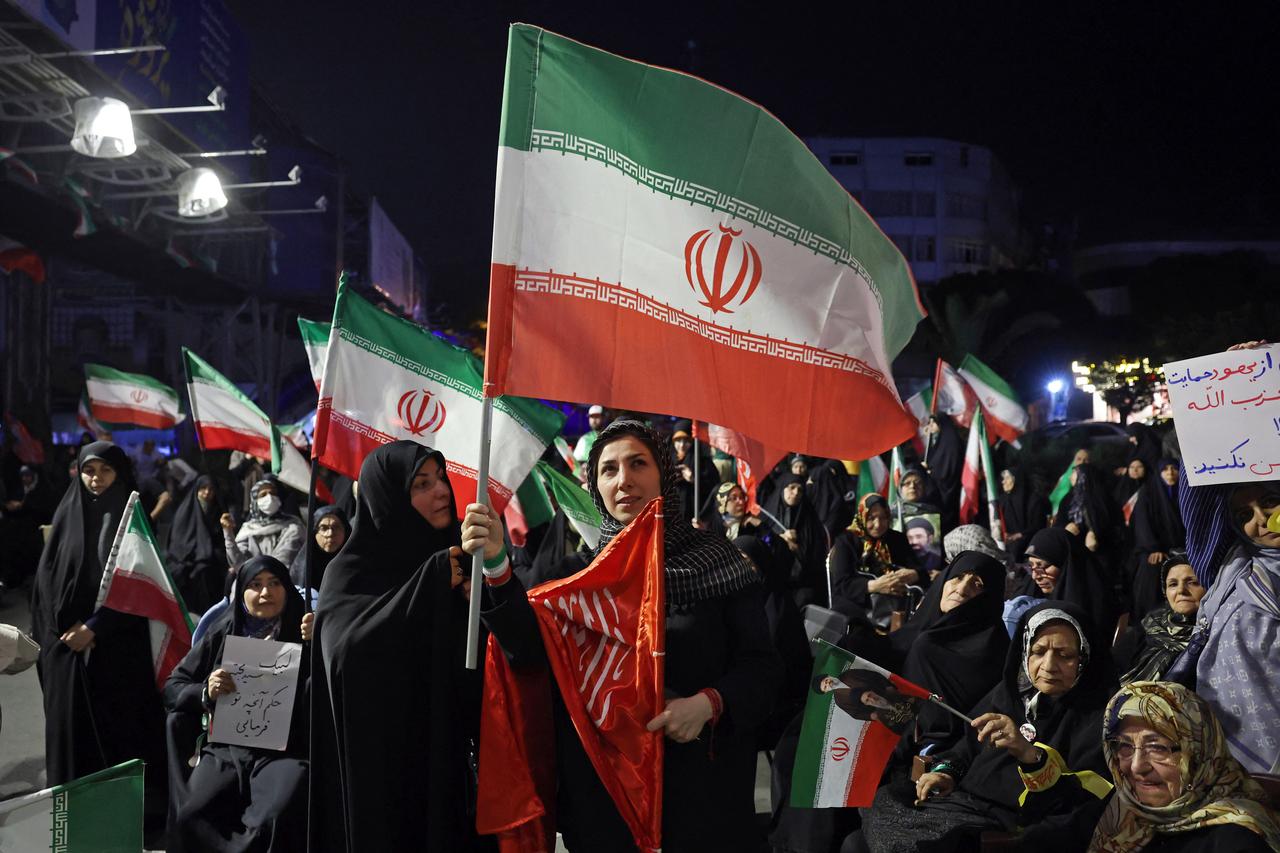
Fidan also spoke about the NATO summit Türkiye will host in Ankara in July, describing efforts to potentially include Indo-Pacific partners Japan, South Korea, Australia, and New Zealand, if all allies agree.
Türkiye is coordinating with NATO Secretary General Mark Rutte on the program.
On whether Trump would attend, Fidan said President Erdogan had spoken with Trump multiple times in the past month. "In none of their calls did Trump say that he would not attend," Fidan noted.
"So far, all our preparations are in a way to accommodate President Trump," he stated.
Fidan, who led Türkiye's National Intelligence Agency (MIT) for more than a decade before taking the foreign minister role in 2023, also called for broader coordination among middle powers navigating an era of great-power rivalry.
"Middle powers like Türkiye, Japan, South Korea, Australia, Canada, Saudi Arabia, Germany, France, and the United Kingdom need to cooperate even more closely," he added.
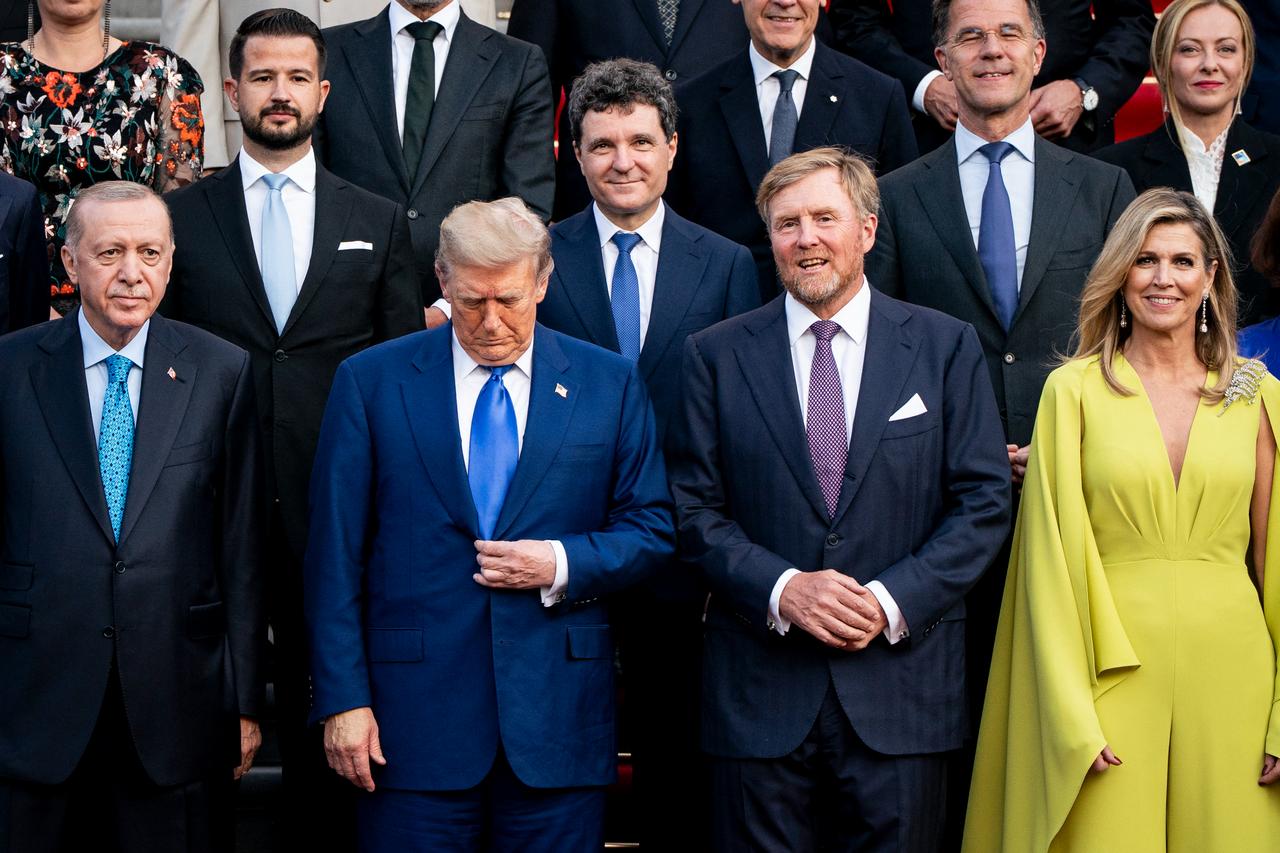
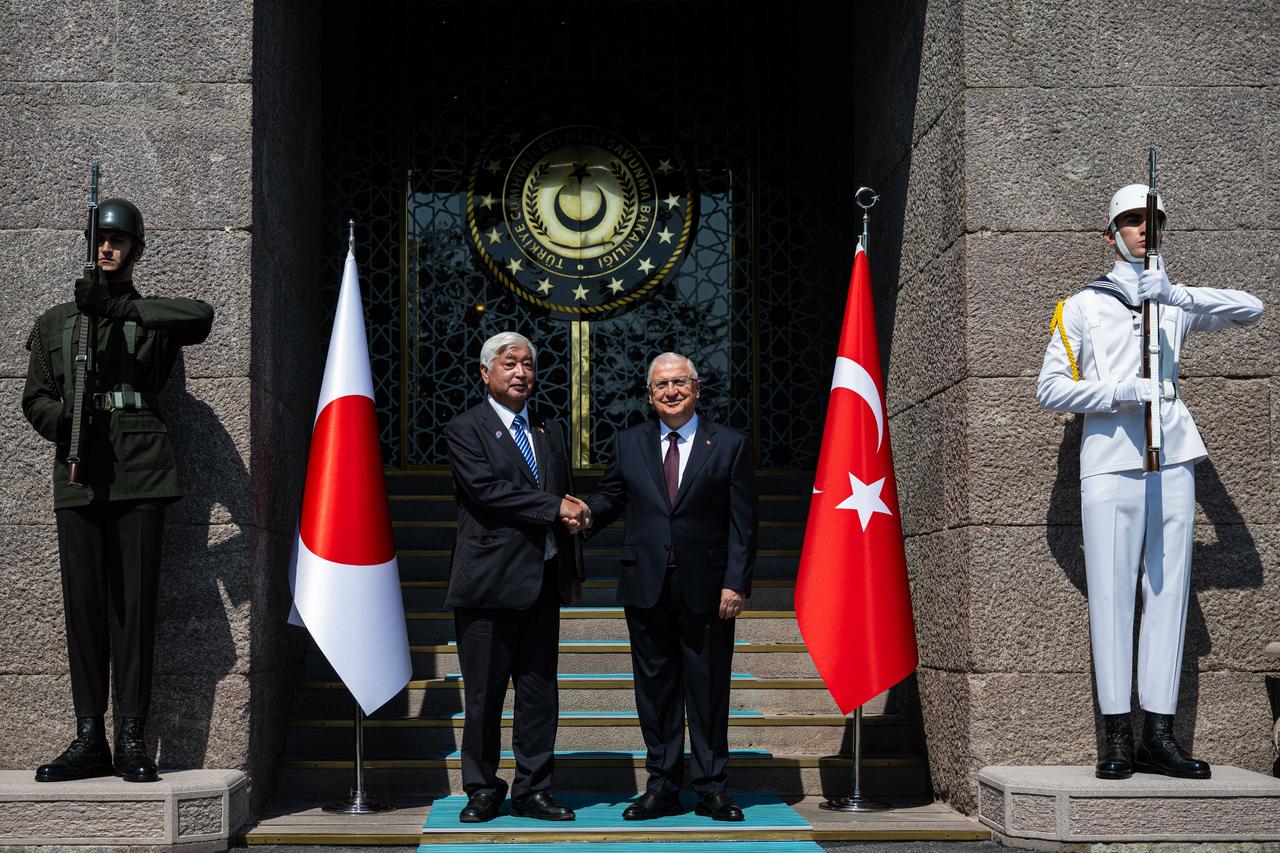
Much of the interview covered Türkiye's ambitions to build a closer relationship with Japan across defense, trade, and technology at a moment when both countries are recalibrating in response to a more volatile international environment.
On defense, Fidan was direct about what Türkiye was offering. "Türkiye and Japan have complementary capabilities, and we believe there is strong potential for mutually beneficial collaboration," he said.
Turkish drone technology, he said, has "proven itself in different operational environments and could offer valuable opportunities for joint development and co-production with Japan, particularly in areas such as coastal and border security."
He added that "in aviation, particularly in unmanned aerial systems and anti-drone technologies, Türkiye has developed advanced and field-tested capabilities that could provide a strong basis for collaboration."
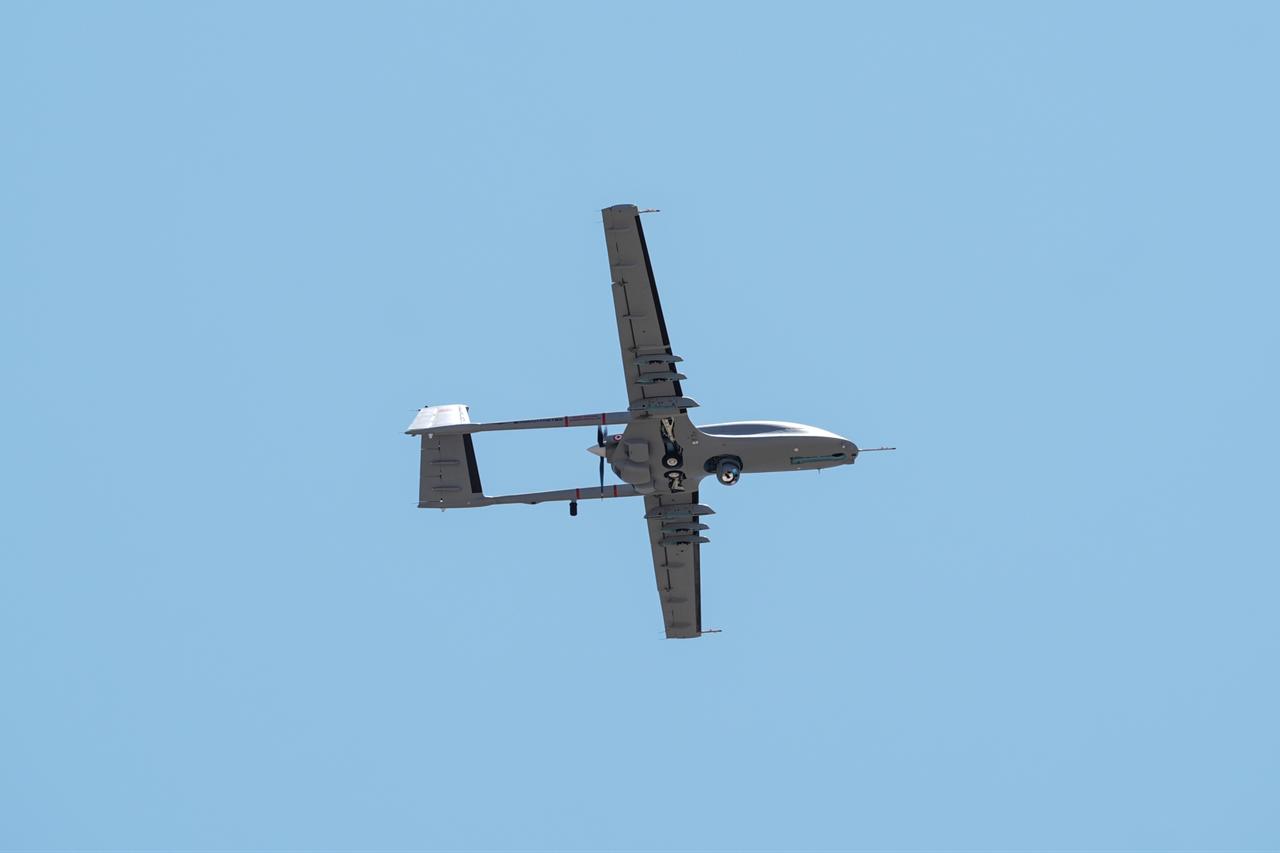
Türkiye's drone industry has established a global profile through the Bayraktar TB2, produced by Baykar Technology and used by Ukraine against Russian forces, and the Anka, produced by state-owned Turkish Aerospace Industries (TAI) and exported to Malaysia and Indonesia.
Both companies are competing with U.S. and Israeli firms for a position in the Japanese market, according to defense industry sources cited by Nikkei Asia.
 1 min read
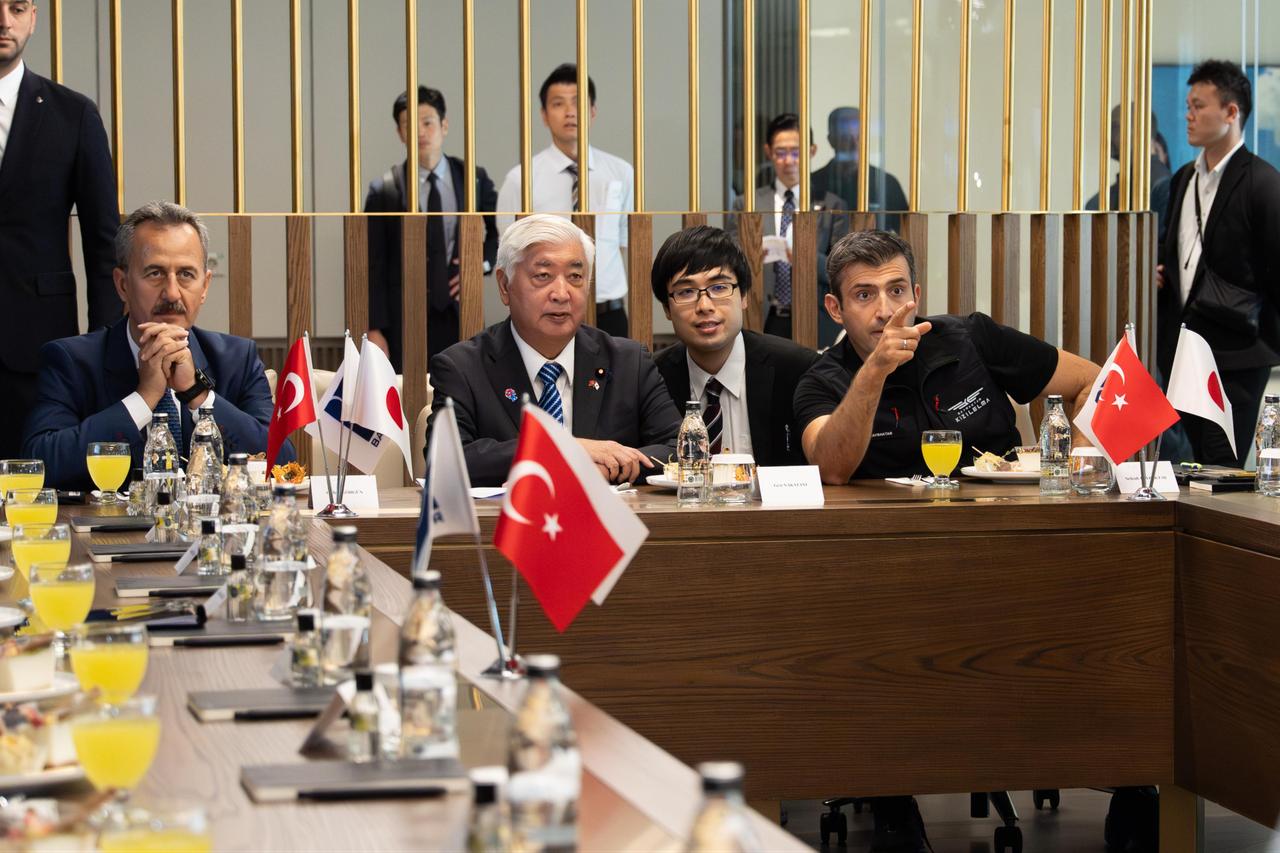
Beyond defense, Fidan underlined how much bilateral potential there remains between Türkiye and Japan.
"There is still enormous, untapped potential for cooperation between our countries in energy, digital transformation, aviation and space technologies, robotics and resilient supply chains," he said.
Japan is Türkiye's third-largest Asian trading partner, behind China and South Korea, with bilateral trade reaching $5.7 billion last year, more than $5 billion of which is Japanese exports to Türkiye.
Fidan said progress is being made on a long-delayed social security agreement between the two countries.
"We are making progress on the social security agreement, and the latest round of talks produced meaningful results. We hope to reach an agreement in the coming period," he said.
On rare earths, Türkiye is positioning itself as a supplier of strategic materials. The country has announced substantial reserves in Beylikova, in Eskisehir province, and Fidan outlined an ambition that goes beyond extraction.
"Strategic objective is not simply extraction but producing high-value-added intermediate and end products," he said.
"In that sense, cooperation with Japanese technology and investment could create a true win-win partnership, and we are ready to work closely with Japan in this field as well," the Turkish top diplomat concluded.


 Set as preferred source
 Set as preferred source


 1 min read