Newsletters


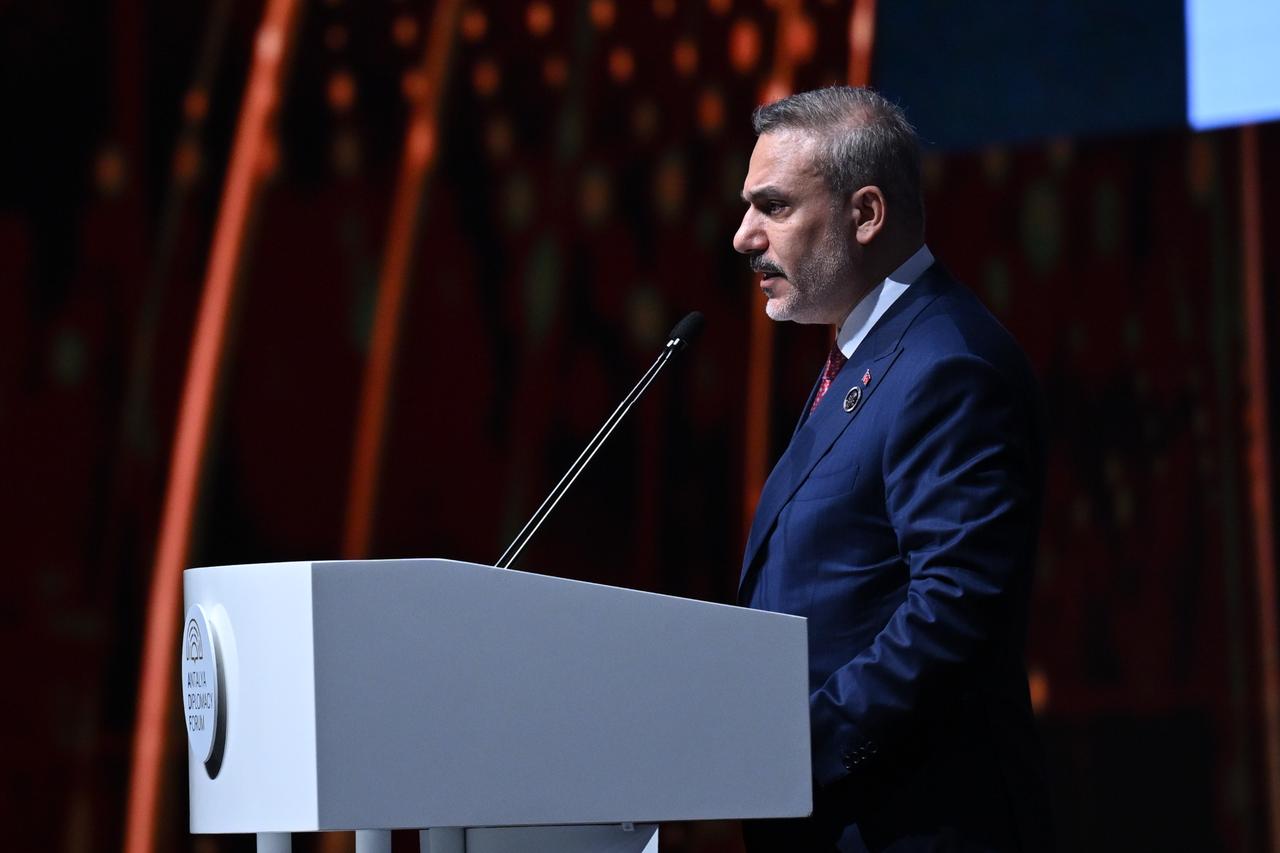


Turkish Foreign Minister Hakan Fidan accused Israel Saturday of using security as a pretext to pursue territorial expansion, saying "Israel is not after its own security, Israel is after more land."
Fidan delivered a sweeping strategic address at the Antalya Diplomacy Forum, accusing Tel Aviv of building an international "illusion" of security while pursuing territorial expansion.
He warned that the EU must use its institutional power to constrain Israeli actions, which it currently does not, declaring that the Iran war has pushed Ukraine negotiations "to the sidelines" and saying Israel has not fulfilled its Gaza ceasefire Phase One humanitarian obligations.


Fidan named Israel as categorically different from every other state in the region.
"Look, every nation has its own border. No country is after another country's territory—except Israel. Israel is pursuing expansionist policies. But apart from Israel, the countries in the region have their own borders, their own flags, their own states.
So if we respect the territorial integrity, sovereignty, safety and security of other nation-states in the region, that is the most basic starting point. I think we would solve more than 80% of the problems," he said.
He described Israel's security narrative as a deliberate international construct.
"Israel has created an illusion internationally, claiming that it is in favour of its own security. But it has become very clear, especially in recent years, that what Israel is really after is more land.
Israel is not after its own security; it is after more land. Security is being used by the Netanyahu government as an excuse to occupy more land," Fidan said.
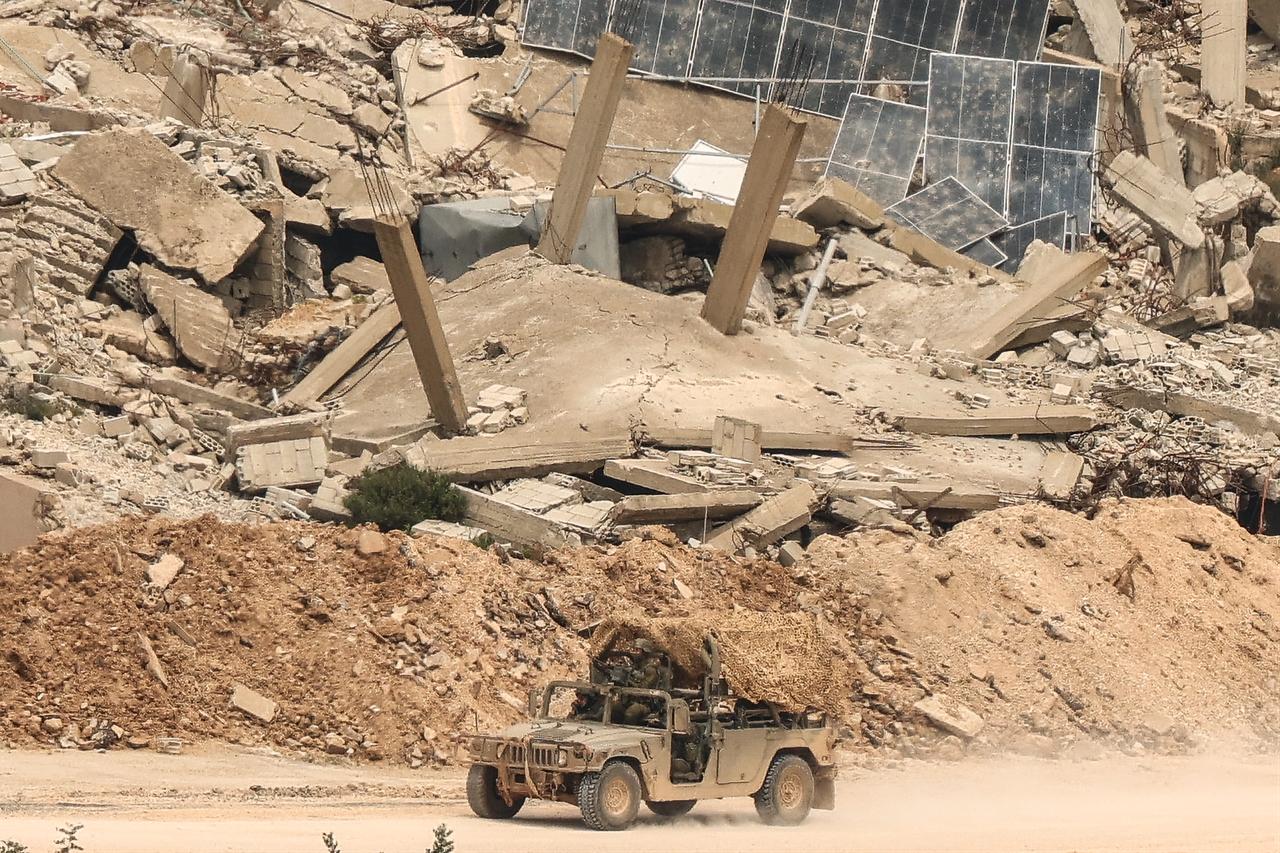
Fidan directly called out the EU for insufficient action.
"Europe, as the European Union and as an institutional structure, needs to come together and genuinely use its power to constrain Israel's actions that destabilize regional and global security. What we are not currently seeing from the European Union is exactly that," he said.
He noted that some extreme settler activity had been sanctioned but said Israel's occupation, attacks and violations of humanitarian law required a far stronger European response.
"They need to do more to truly ensure how Israel should behave in the region. Israel must stop committing genocide. It must stop occupying places. It must stop stealing lands that belong to others, as in the West Bank and Gaza," Fidan said.
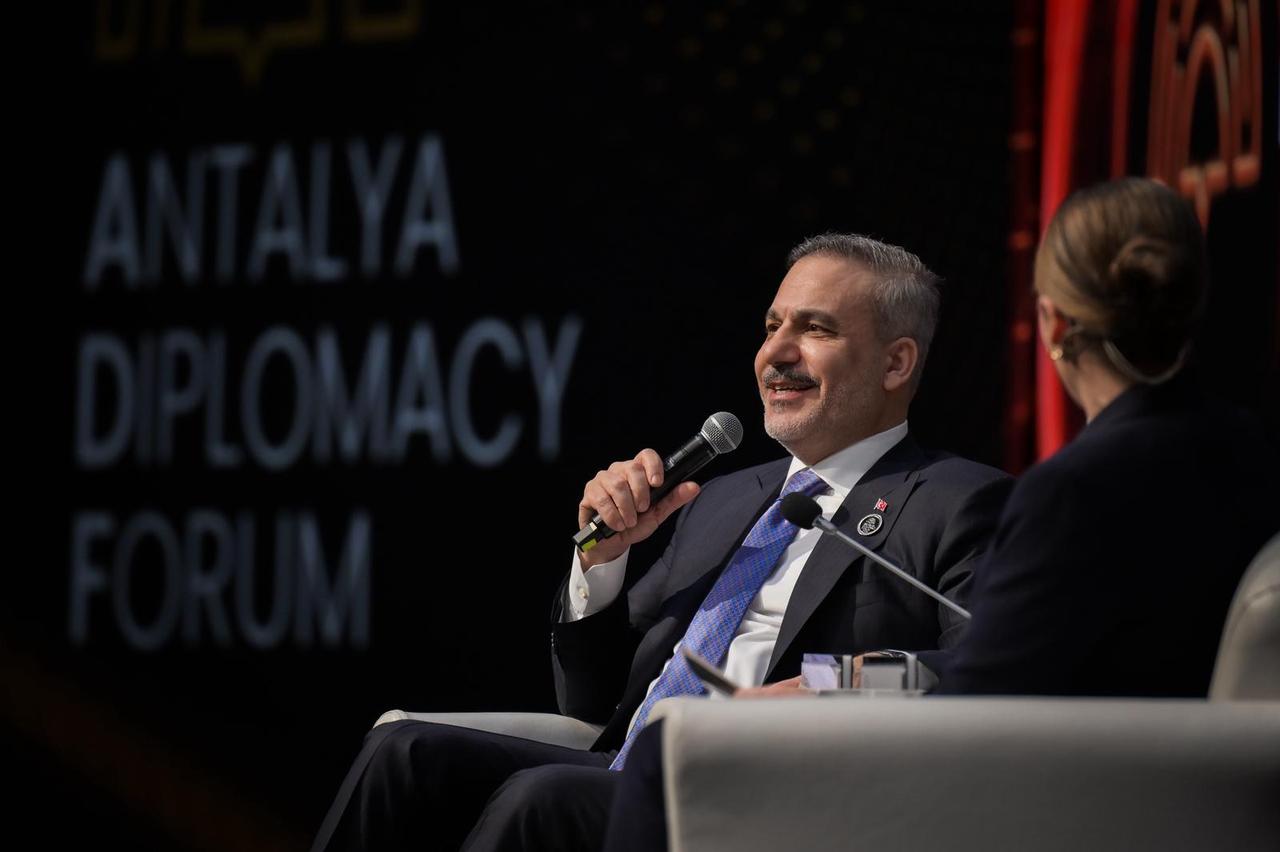
Fidan said the Gaza Peace Plan, co-led by Türkiye and others alongside the U.S., had succeeded in stopping the most intense phase of the conflict but that Israel had not met its first-phase commitments.
"We have not seen Israel actually fulfilling its Phase One obligations, especially regarding the humanitarian dimensions of the agreement. We need more humanitarian aid, more medical aid. Shelters must be allowed in. We need to see the Palestinian technical committee beginning its work in Gaza, but they have not started. They are not being allowed to enter," he said.
He added that Cairo talks were ongoing and expressed hope they would yield a positive result, but said Gaza was not being addressed as required by Phase One conditions.
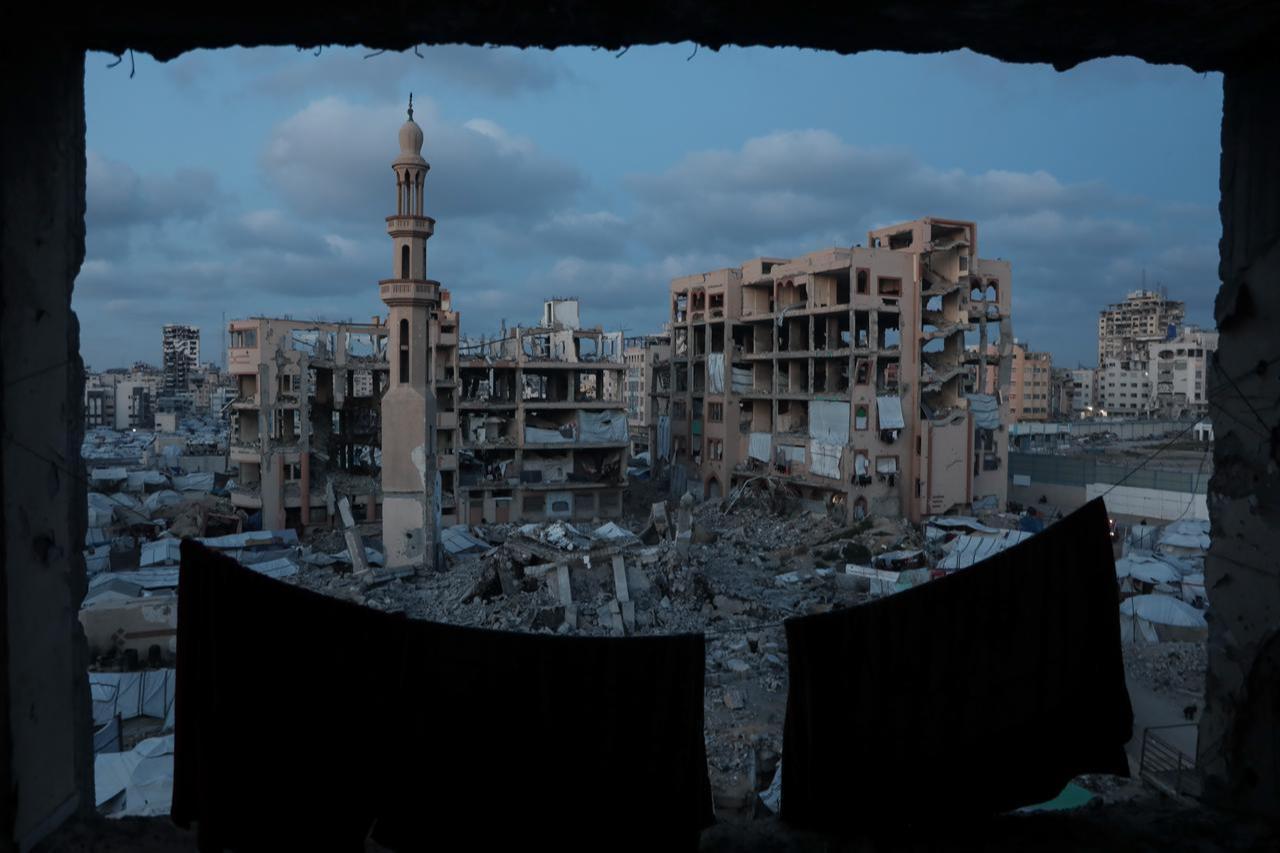
Fidan offered a candid assessment of the diplomatic bandwidth problem caused by the Iran conflict.
"The only negative we are facing regarding Ukraine negotiations right now is the war in Iran. This has pushed Russia-Ukraine negotiations to the sidelines. God willing, the moment a ceasefire or peace agreement with Iran is reached, we will immediately turn our attention back to Ukraine negotiations. This is very important. We cannot allow our focus on that issue to drift," he said.
He said the Ukraine war was following an up-and-down trajectory but that both sides and mediators still showed willingness to keep the process alive — "which is a great plus for all of us."
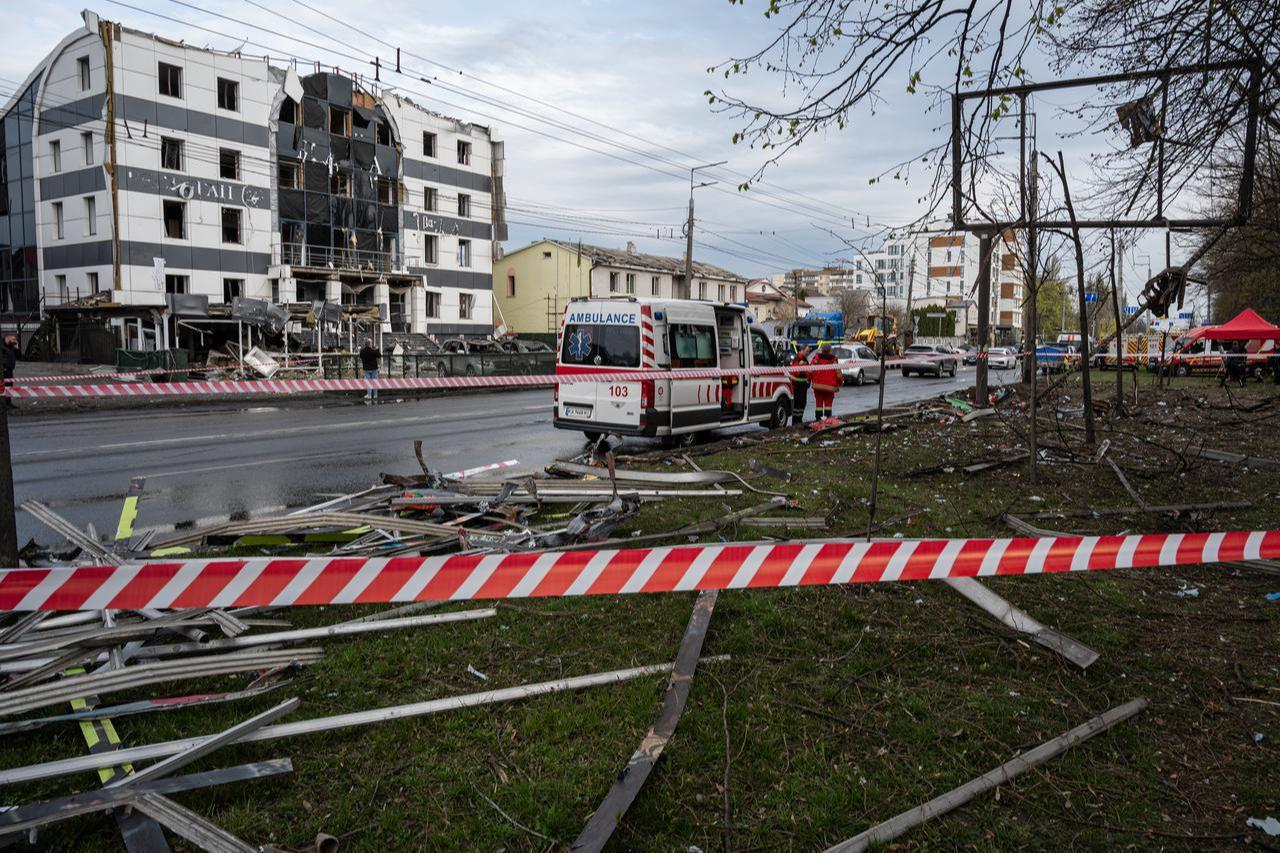
Fidan framed the Antalya Diplomacy Forum as a platform for a world in which the rules-based order was actively eroding.
"We are in an era in which diplomacy is more relevant and more necessary than ever. Because in an age where we see multilateralism and the international order collapsing, we need much more dialogue," he said.
He said that when the established system functioned, states needed less contact; when it weakened, coordination became existential.
"If you see the international system collapsing and lawlessness emerging, you need to start coordinating more. You need to communicate more with other parties, otherwise you will be crushed and find yourself in the middle of an accident," he noted.
He said power politics had long dominated the region and described Türkiye's approach as diplomacy with all parties.
"In diplomacy, you need to be in contact with every party involved in a conflict, all parties. That is our starting point," the Turkish top diplomat concluded.


 Set as preferred source
 Set as preferred source


 6 min read