Newsletters


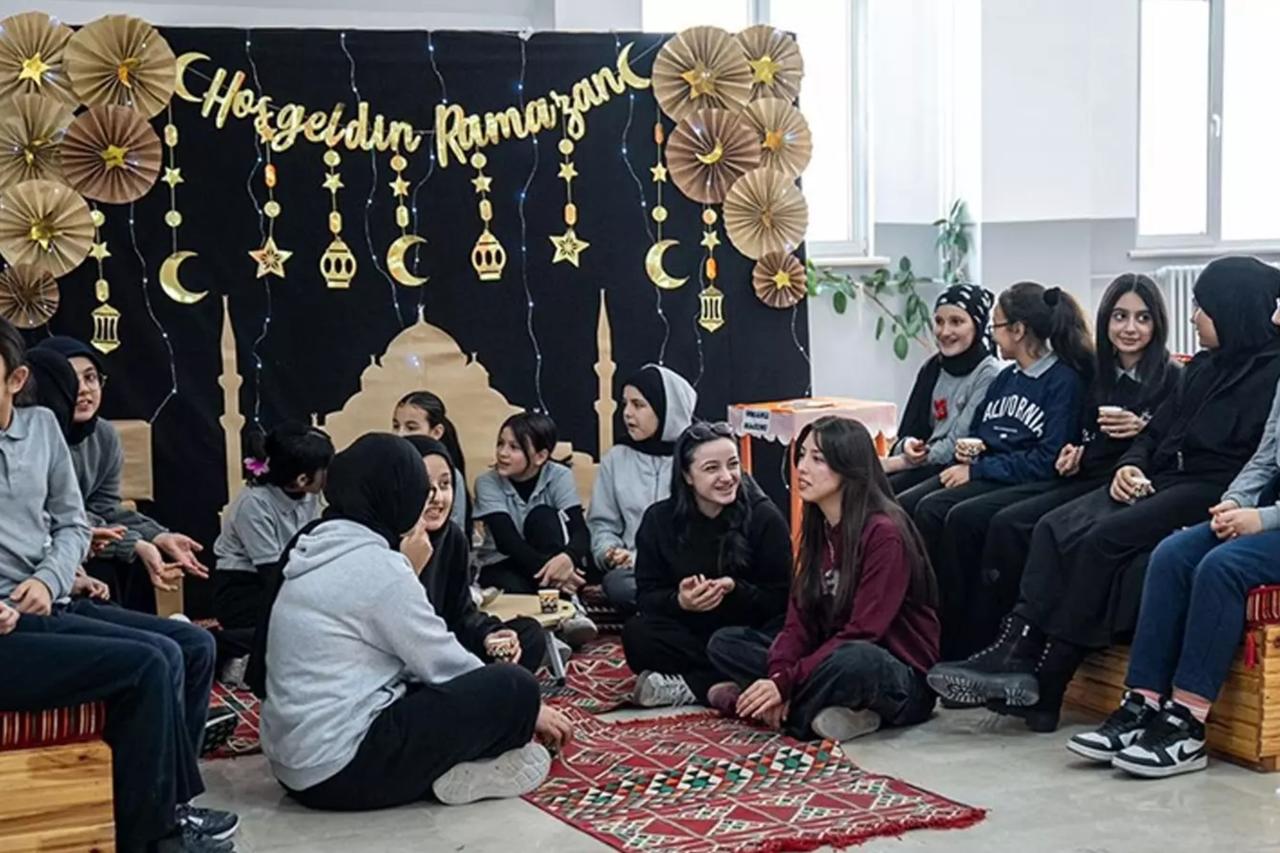


Türkiye’s Ministry of National Education has instructed schools nationwide to organize Ramadan-themed activities under the banner “Ramadan at the Heart of Education” throughout the holy month.
The directive, sent to the governorships of all 81 provinces on Feb. 12, includes separate implementation guides for preschool, primary, and middle schools.
According to the ministry, the initiative aims to instill “national and moral values” such as justice, compassion, and patriotism.
The circular outlines classroom activities centered on sharing, as well as social responsibility projects focused on assisting those in need during Ramadan.
Participation, the ministry states, will be voluntary and designed in line with students’ developmental levels and school capacities. It also emphasizes sensitivity to privacy, dignity, and confidentiality, and encourages joint iftar dinners with families on a voluntary basis.
The ministry’s letter frequently references the Turkish Constitution and education laws, underscoring the state’s responsibility not only for the material well-being of children but also for their moral and spiritual development.
The activities are framed within the "Türkiye Century Education Model," a curriculum framework implemented since 2024. While the ministry describes the model as an integrated approach that balances academic achievement with "ethical maturity, social responsibility, and human sensitivity."
Each activity guide includes a monitoring and evaluation form to be completed digitally by teachers and administrators. These forms are designed to track implementation on a weekly basis throughout the month.

The directive has triggered sharp criticism from segments of civil society, which argue that the initiative undermines the constitutional principle of secularism.
Nineteen civil society organizations publicly opposed the program, claiming that the monitoring forms amount to a form of profiling.
Among the critics are major professional and labor organizations. In a joint statement issued on Feb. 23, they described the “Ramadan Activity Monitoring and Evaluation Form” as a “profiling document” and argued that the program risks segregating students.
A separate declaration titled “We Defend Secularism Together,” signed by 168 writers, journalists, artists, academics, and civil society representatives, went further.
The statement rejected what it described as “Sharia-imposing measures,” claimed that Türkiye was becoming “Talibanized,” and alleged that the country was being drawn step by step into a reactionary Middle Eastern trajectory in line with ‘U.S. and Israeli’ plans.
The declaration argued that efforts to dismantle secular education, secular law, and secular public life had accelerated.
Minister of National Education Yusuf Tekin responded by announcing that he had filed a criminal complaint against the signatories. He stated that the move was intended to protect the rights of students, families, teachers, and administrators participating in the activities.
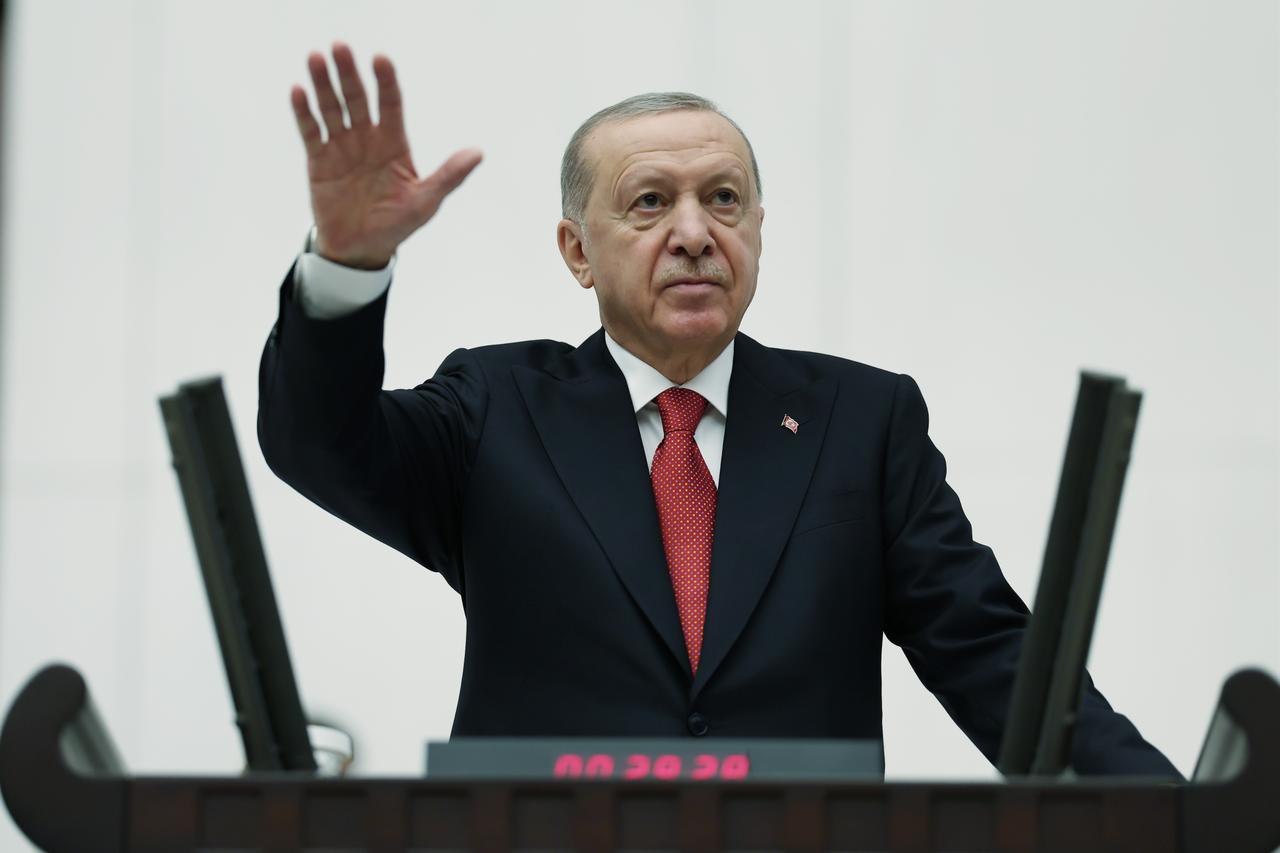
President Recep Tayyip Erdogan also addressed the issue during his party’s parliamentary group meeting on Feb. 25. He described the initiative as lawful and appropriate, arguing that it reflects both the spiritual climate of Ramadan and the sentiments of the nation. He criticized the declaration’s signatories, questioning why children learning about prayer, fasting, and Ramadan traditions should cause discomfort.
The main opposition leader, Ozgur Ozel of the Republican People’s Party (CHP), accused the education minister of deliberate polarization.
Speaking at a rally in Istanbul, Ozel said his party stood as a guarantor of freedom of belief and non-interference, emphasizing social unity and fraternity.
The debate has thus moved beyond curriculum design into a broader ideological confrontation over the meaning of secularism in contemporary Türkiye.
At its core lies a familiar tension: whether the public education system should actively transmit religiously infused cultural values or maintain the established secularist tone of ordinary nation-states.
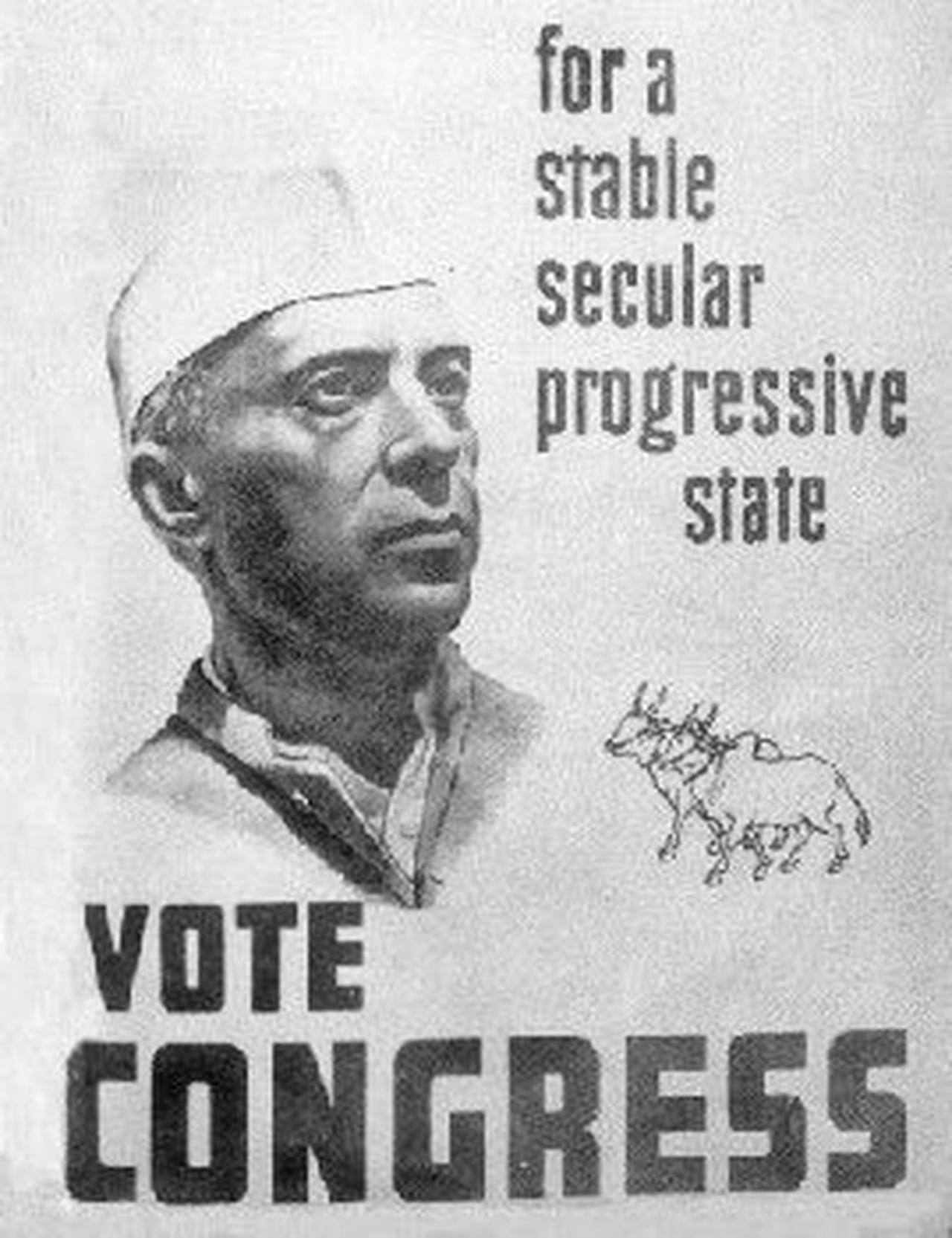
Türkiye’s controversy echoes debates in many places around the globe, particularly in India. The country’s founding prime minister, Jawaharlal Nehru, championed a model of secularism that, much like early Republican ideology in Türkiye, treated education as the engine of modernization.
Under this "Nehruvian secularism," public education operated from an assertive secularist position that actively pushed religious influence out of the classroom, strictly confining faith to the private sphere to establish rational inquiry and civic equality as the sole governing principles of the public square.
However, the current government led by Narendra Modi and his Bharatiya Janata Party (BJP) has criticized this legacy as “pseudo-secularism.”
According to this counter-narrative, strict neutrality marginalized the values of the Hindu majority and reflected an elitist, Western-oriented worldview disconnected from local culture.
In recent years, education policy debates in India have similarly revolved around whether integrating majority religious traditions into curricula constitutes cultural affirmation or a departure from constitutional secularism.
As in Türkiye, the argument often hinges on competing interpretations of what secularism requires: active distance from religion or accommodation of majority traditions within public life.
The post-globalization wave in education, combined with the internet-driven democratization of knowledge, has empowered majorities worldwide to challenge established secular norms and assert a more dominant claim over the symbolic representation of their national identities.
The confrontation between the text signed by 168 public figures and the Ministry of National Education’s Ramadan directive represents a continuation of Türkiye’s long-running “culture wars.”
At stake is not merely a policy disagreement over school activities, but a fundamental dispute over how secularism itself is defined and defended.
The central question lies in how secularism is being coded by the opposing sides. Is it understood primarily as a “defense of a way of life" or as a “legal procedure” regulating the relationship between state and religion? The answer to this question shapes both the tone and substance of the current debates across the continents and Türkiye.
In practice, the framing of secularism varies from country to country. Where conservative actors can consolidate strong positions within the state apparatus, secularism often transforms into a lifestyle-based defense.
In such contexts, it is articulated less as a technical constitutional principle and more as a protective shield for social habits, cultural norms, and collective identity.
By contrast, in political systems where secular foundations maintain their established institutional dominance, objections tend to emerge through legal channels.
Secularism in these cases is invoked as a procedural safeguard, and criticism focuses on whether specific policies violate constitutional neutrality or statutory limits rather than on broader cultural anxieties.
Türkiye’s secular position in the past was the latter, but today it appears to lie somewhere between these two poles.
As the country has not experienced a complete or irreversible shift of power from one ideological bloc to another, neither the established secular narrative nor the conservative counter-narrative relies exclusively on a single interpretive method.
Instead, both legal reasoning and lifestyle-based arguments operate simultaneously.
The ministry justifies its directive through references to constitutional duties and statutory authority, while also appealing to national and moral values.
The text endorsed by the 168 signatories illustrates this dual framing. The declaration similarly combines claims about legal violations with warnings about an erosion of secular public life.
It does not confine itself to procedural objections; it also presents secularism as a broader civilizational and societal boundary.
In doing so, it demonstrates how, in Türkiye’s current political equilibrium, secularism is debated both as a juridical concept and as a defense of a particular vision of modern life.


 Set as preferred source
 Set as preferred source


 6 min read