Newsletters


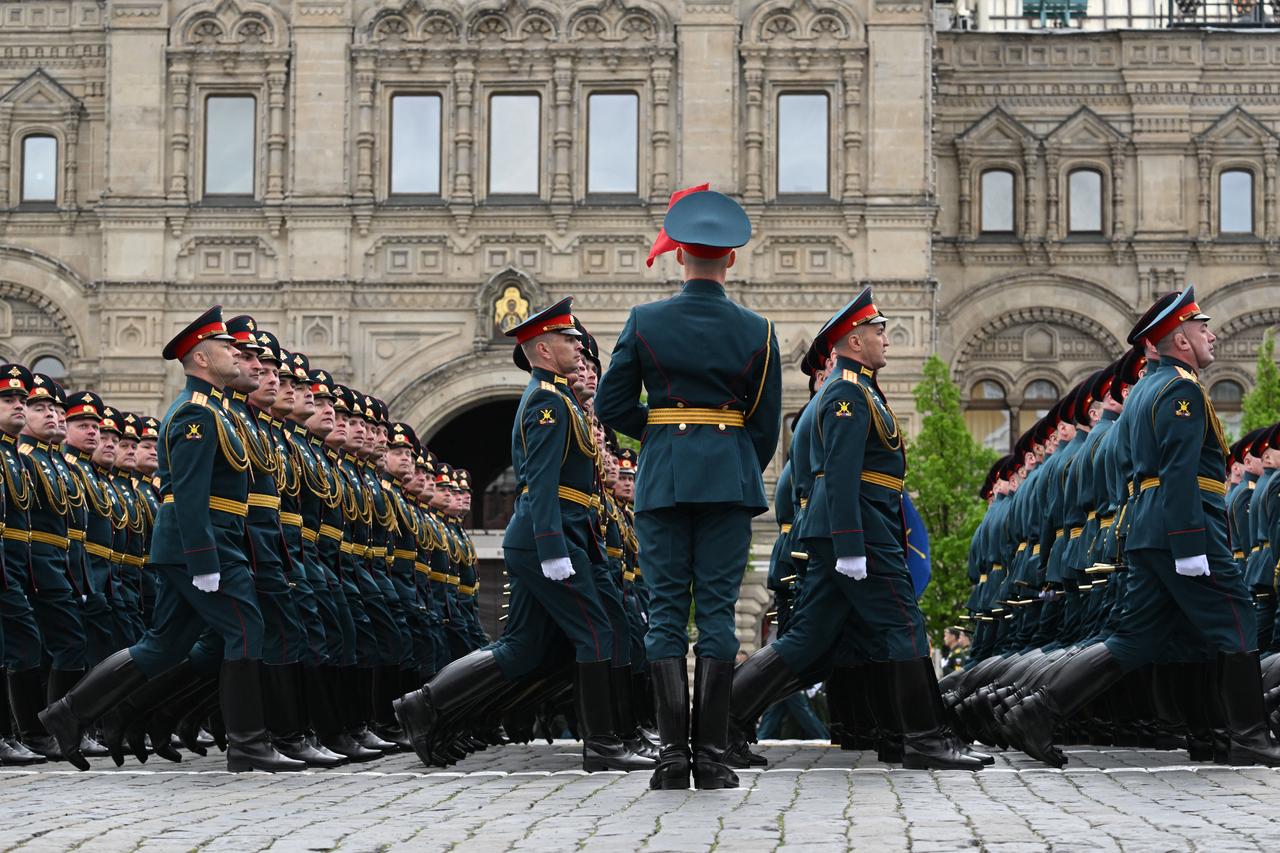


Speaker of the Turkish Parliament Numan Kurtulmus said NATO's core problems trace back to 2014, arguing that neither the European Union nor NATO managed to develop an effective response to Russia's annexation of Crimea, a failure he said has shaped the alliance's challenges ever since.
"NATO has several fundamental problems. One of them is a process that began in 2014. In the process that began with Russia's annexation of Crimea, neither the European Union nor NATO was able to develop a stance against this annexation by Russia, nor could they project any real power," Kurtulmus said in a live interview on CNN Turk.
Kurtulmus said the failure to respond to Crimea is compounded by subsequent developments.
"In the process that followed, regions of Ukraine such as Luhansk and Donetsk were also annexed again by the Russians. As a result, Europeans in particular are now debating this: 'Europe has become a rather weak region in terms of security,'" he said.
He linked this perceived weakness to growing strain within the transatlantic alliance, pointing to repeated statements from U.S. President Donald Trump over recent years.
"While these developments continued, on top of that, in the past few years in particular, President Trump has repeatedly said things like: 'I will no longer carry Europe's burden, I don't want NATO to carry this burden any further.' These ideas, along with the issue of raising defense spending above 5%, which is the main topic of last year's summit, actually revealed very serious differences in the Euro-Atlantic perspective as well," Kurtulmus said.
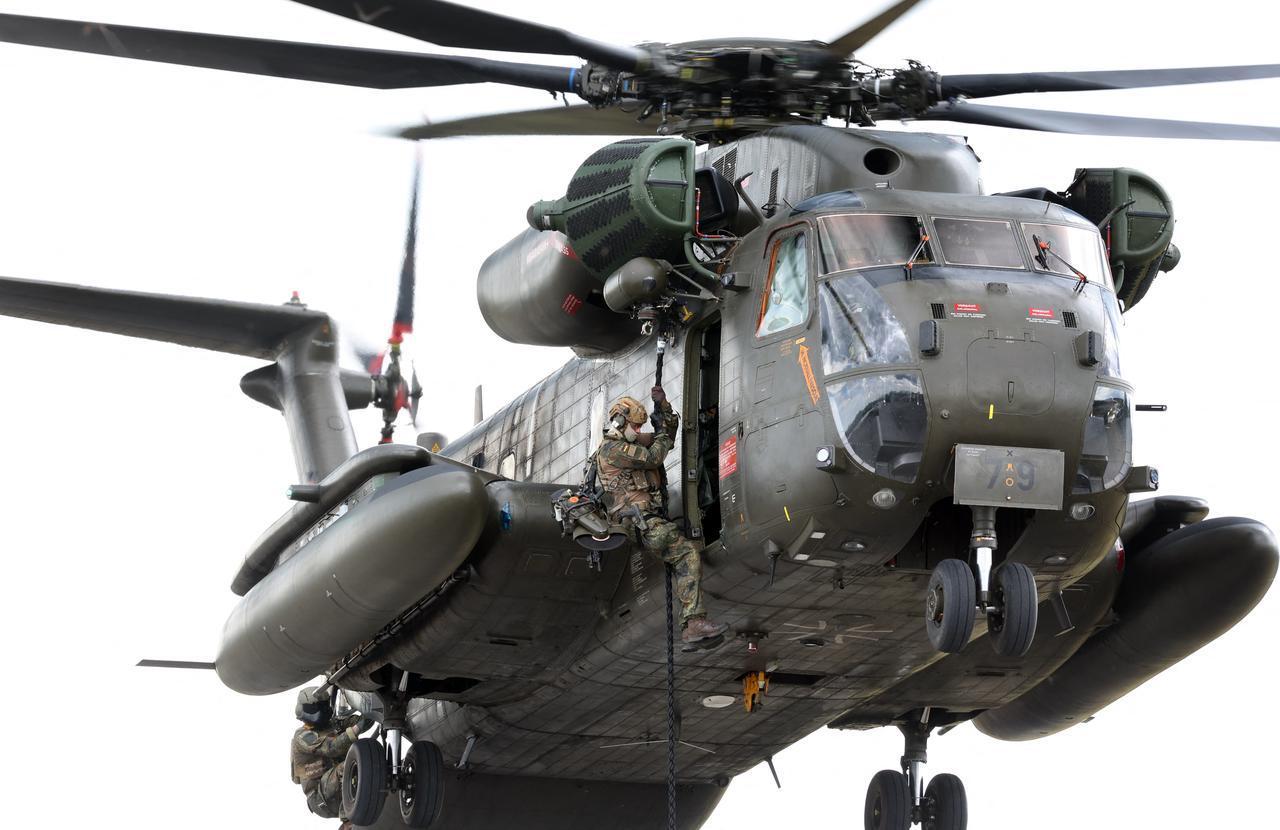

The Turkish parliament speaker noted Trump's stated interest in attending the NATO summit because it is being held in Türkiye.
"This is therefore very important for us. The question here is not only what NATO's future will look like, but perhaps more importantly, the fact that security can no longer be guaranteed solely through soldiers, weapons and bombs," he said.
"It is becoming clear that making peace is just as important as fighting wars. It is obvious that NATO functions as a security umbrella, but I believe it is essential that NATO also focus on what kind of peace perspective it can develop and how it can contribute to building peace. Allah willing, the meetings will be productive," he added.
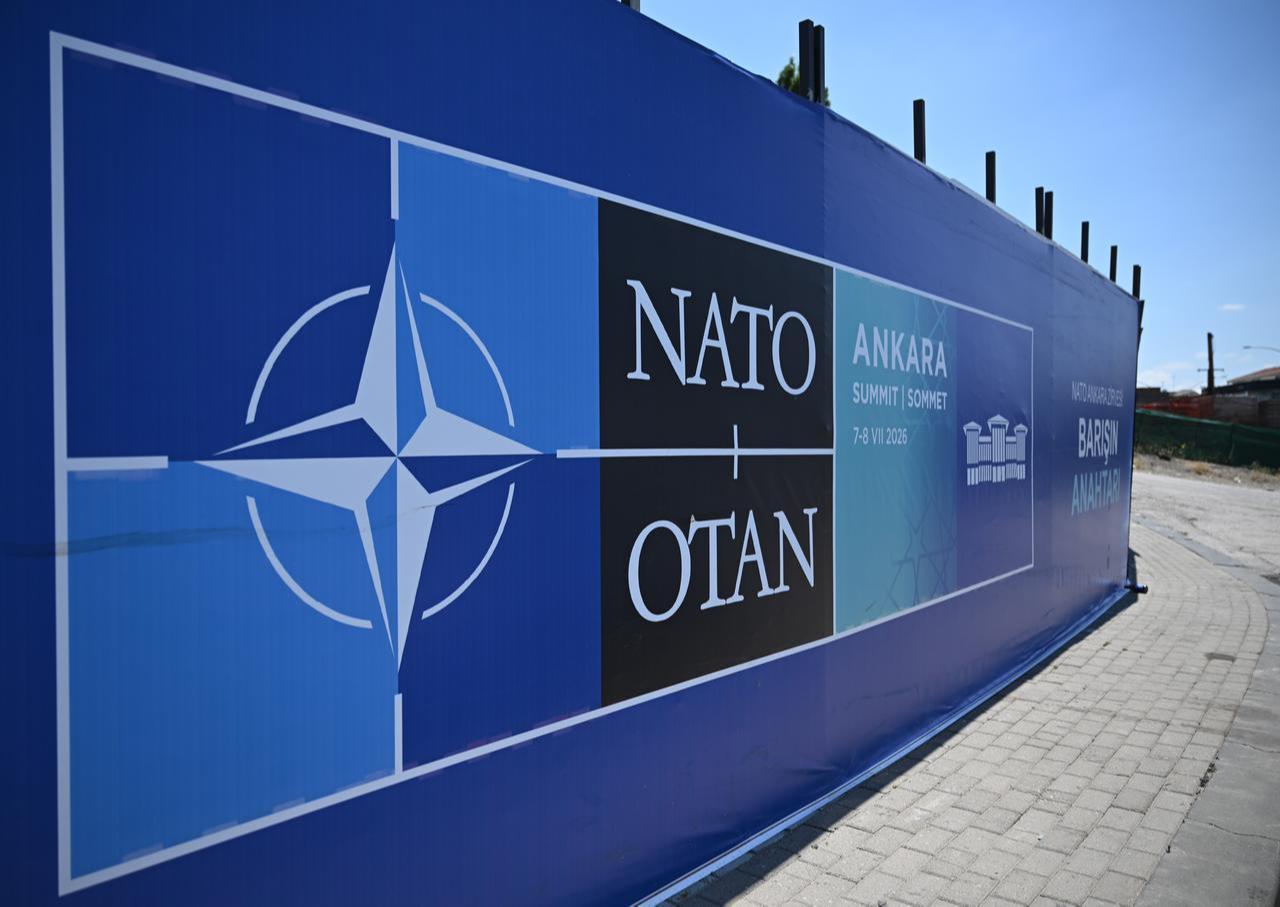
He said the NATO Parliamentary Assembly (NATO PA) summit will be held in Istanbul on June 28-29, ahead of the NATO Heads of State and Government Summit in Ankara on July 7-8, calling Türkiye's hosting role significant.
Kurtulmus said the world is undergoing a fundamental restructuring as the bipolar global order recedes.
"From now on, no single country, group, continent, or region will be able to govern the world alone, nor will they be able to in the future. Different power centers will emerge in many parts of the world. Türkiye is one of these power centers and a country positioned to become a major one. The whole world sees this. As this new world is taking shape, Türkiye's importance is growing accordingly," he said.
He described Türkiye's region as the center of wars, conflicts, and tensions, but said Türkiye stands out within it.
"Türkiye's most obvious characteristic in this region is that it stands as a very strong and stable country, but it does not pour fuel on any of the conflicts in this region. Starting with Israel's genocide in Gaza, Türkiye takes a humanitarian stance on all these issues and stands on the side of peace, dialogue and fairness," he said.
Turning to the Terror-Free Türkiye process, the Turkish official said many countries Türkiye had long considered friends had provided serious support to PKK terrorism over the years but said the country has now entered a new period.
"In my view, 80 to 90% of the work is done. Allah willing, terrorism will soon be completely off Türkiye's agenda," he said.
He said the change of regime in Syria would positively contribute to Türkiye's counterterrorism process, noting: "The terrorist organization, or those who would have supported it, have seen this: it is no longer possible to threaten Türkiye through Syria in the near term."
He added that regional developments have aligned favorably with Türkiye's determination to build a terror-free Türkiye, saying, "Regional developments are in our favor. Both Türkiye's determination to build a 'Terror-Free Türkiye' and all the external developments have overlapped. This gives Türkiye a tremendous opportunity."
Kurtulmus said he hoped a law would come before parliament with the alliance of all parties and pass swiftly, based on the roadmap-style report produced by the Assembly's National Solidarity, Brotherhood and Democracy Commission with cross-party agreement.
He warned, however, that delay could invite provocations.
"If we are not cautious and careful at this point, and if we don't act quickly, I'm afraid certain provocations may creep in," he said.
He emphasized that any forthcoming law on the disarmament process would be standalone and temporary.
"First of all, the law to be enacted is standalone and temporary. It will not, of course, be a law that covers everyone indefinitely or remains in force indefinitely. What's the goal? For weapons to be laid down. Let's say a period of six months, eight months, a year, whatever it may be, is given. Those who come forward within this period benefit from it. After that, the door closes. That is the first reason we call it temporary," he said.
"Secondly, the law to be enacted will never have the character of an amnesty. There should be no such perception, and there must not be. It should be more of a sentence-execution arrangement," Kurtulmus added.


 Set as preferred source
 Set as preferred source


 1 min read
 1 min read