Newsletters


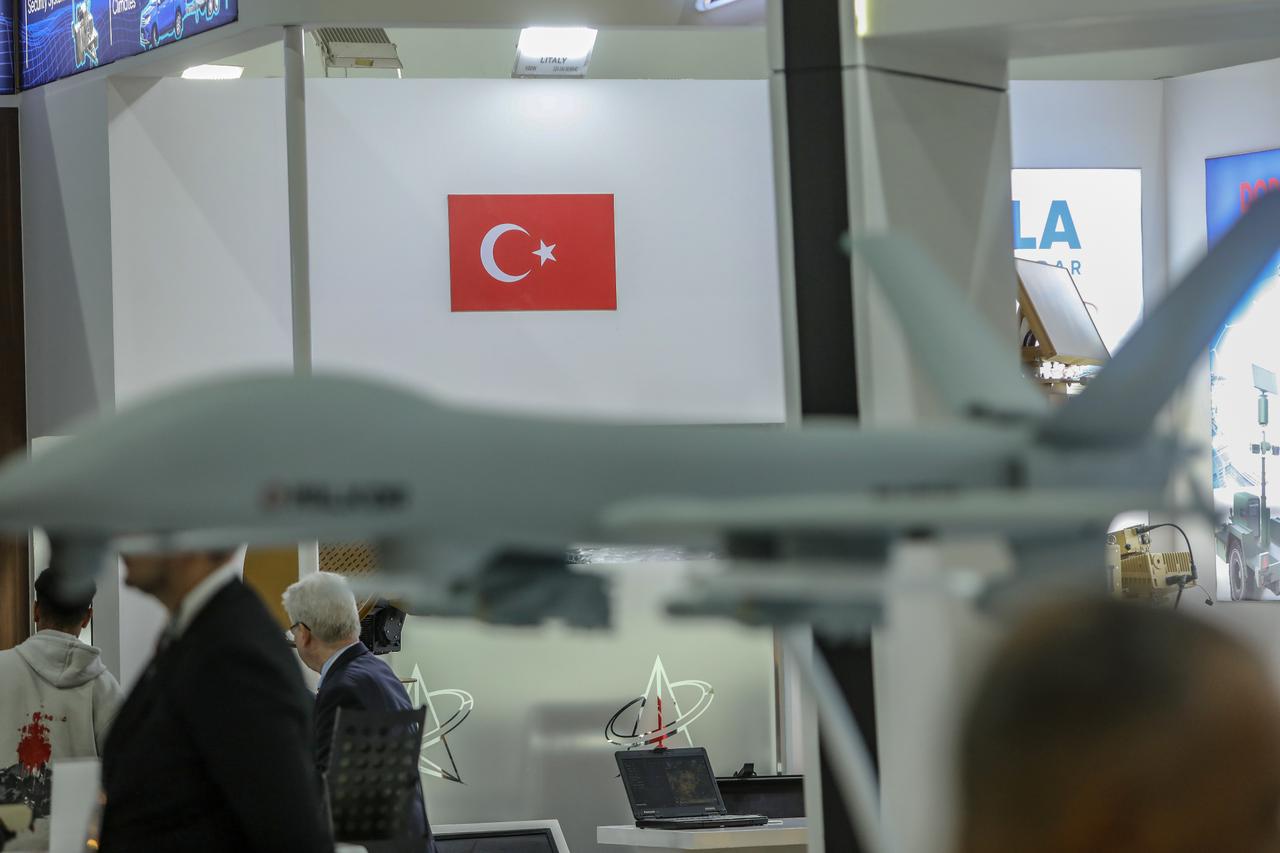


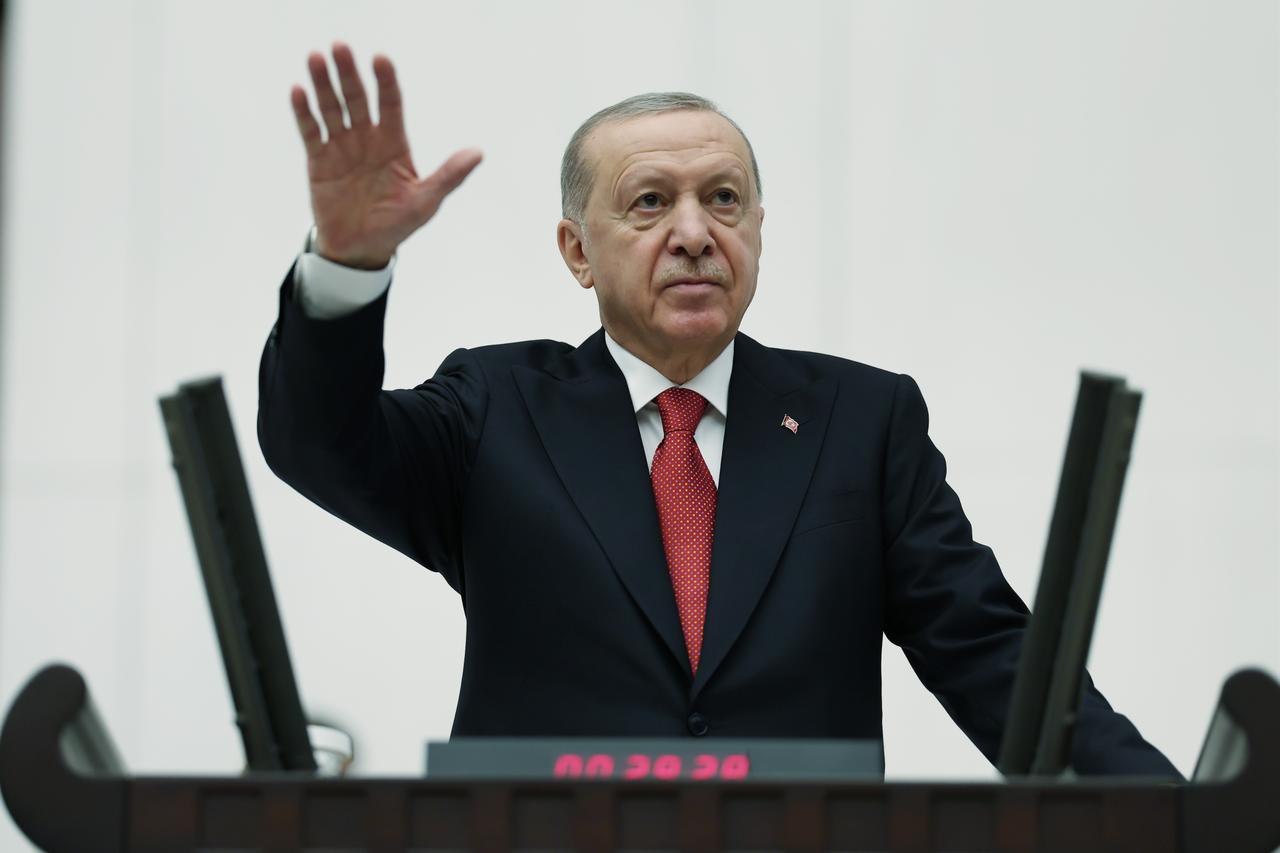
Türkiye's rise in the defense industry is disrupting the hierarchy within NATO, with no other alliance member achieving such a level of independence while remaining in the bloc, U.S. economist and Columbia University professor Jeffrey Sachs said.
"No NATO member has achieved this level of independence in the defense industry while being part of the alliance," Sachs said in an interview with the Voice of Horizon YouTube channel.
Sachs described Türkiye's defense industry development as a "revolution" and assessed its implications for Türkiye, the region, Europe and NATO.
Sachs said the hierarchical system in the global defense industry—where only the U.S., Russia, France, the U.K. and a few other countries design and produce advanced weapon systems—is beginning to dissolve.
"Türkiye has transformed from a country that imported almost all of its advanced military technology within the last 15 years to one of the world's leading countries producing armed unmanned aerial vehicles, naval platforms, armored vehicles and increasingly sophisticated electronic warfare and missile systems," Sachs said.
Sachs emphasized that this rise was not gradual but "a comprehensive defense industry revolution that is reshaping regional power balances and raising uncomfortable questions about the balance of power within NATO."

Sachs noted that in 2000, Türkiye imported approximately 80% of its defense equipment.
"They were buying F-16 fighter jets from the U.S., Leopard tanks from Germany, naval platforms from European shipyards. Even basic armored vehicles and light weapons were often foreign-made or assembled under license with very low domestic contribution. There were defense industry companies in Türkiye, but these were essentially facilities established for assembly activities and maintenance," Sachs said.
He said Turkish military planners made a strategic decision in response to arms embargoes and Western allies' policies of restrictions and delays.
"They decided to build a domestic defense industry, whatever the cost, however long it takes. This transformation did not happen overnight. It required decades of investment, planning and systematic development. But the results are now undeniable and increasingly impressive," Sachs said.
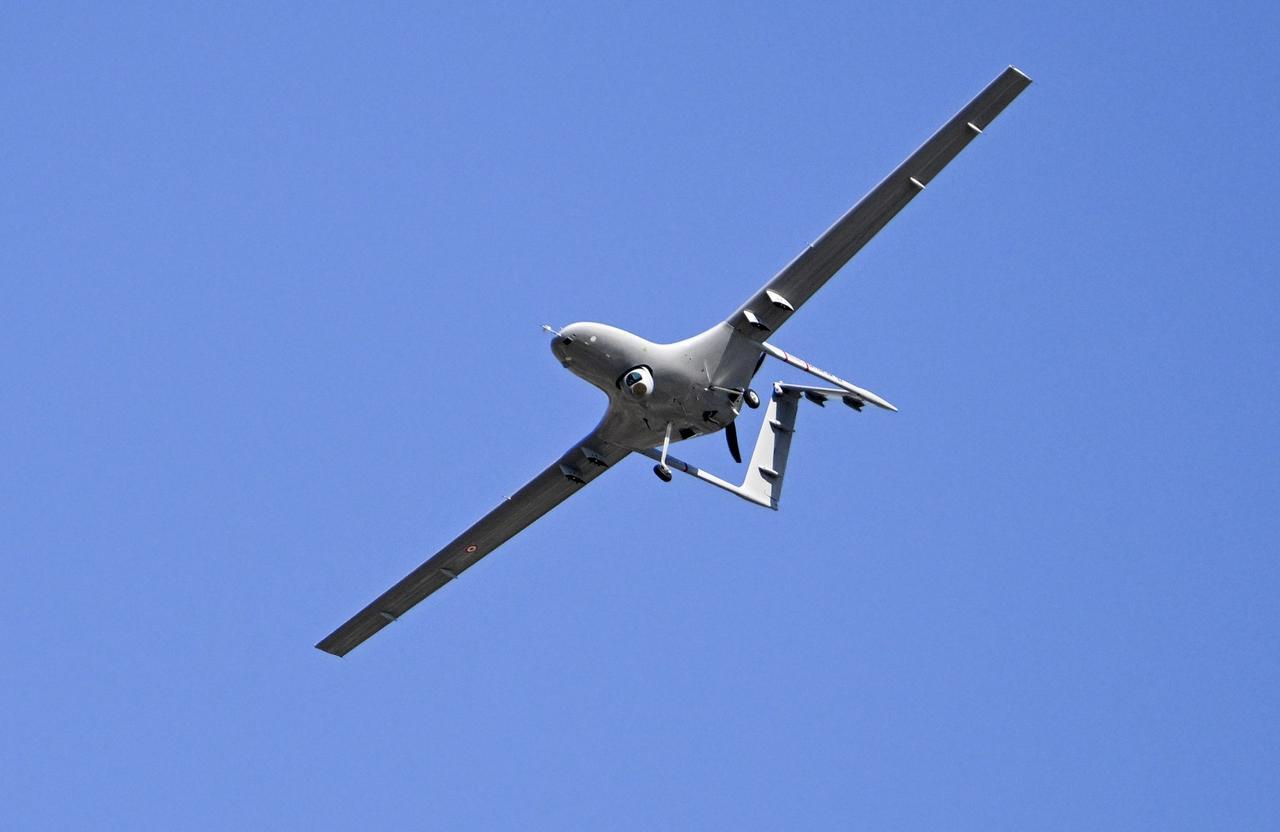
Sachs said the most visible success of the Turkish defense industry is armed unmanned aerial vehicles (UAVs).
"The important point here is not that Türkiye has produced a functional UAV. Many countries have done that. What matters is the combination of capability, cost-effectiveness and operational success in the field. Turkish UAVs have a much lower cost than American counterparts that offer similar performance in real combat conditions. An American MQ-9 Reaper UAV costs about $30 million, while a Turkish Bayraktar TB2 costs about $5 million," Sachs said.
He noted that Türkiye has exported UAVs to more than 20 countries, noting, "This is a market penetration that challenges American and Israeli dominance in the UAV sector."
Sachs also highlighted the Turkish Navy's amphibious assault ship TCG Anadolu, saying, "Türkiye could not even dream of building such a ship 20 years ago. Now it is exporting its expertise in naval vessels to other countries."
Sachs said Türkiye's rise in the defense industry is disrupting the hierarchy within NATO, stating, "NATO was built on a certain technological hierarchy. The U.S. provided the most advanced systems, and the U.K., France and Germany also offered sophisticated capabilities. Other members were consumers who bought technology from leading countries. This hierarchy also reinforced the political hierarchy."
"Countries with advanced technology had more influence on alliance decisions. But Türkiye's rise in the defense industry is disrupting this hierarchy. They are no longer dependent on technology transfers from other NATO members. In some areas, especially UAVs, they are ahead of most NATO allies," Sachs added.
Sachs also emphasized that Türkiye used domestic equipment in Syria operations that other NATO members opposed, and when European countries restricted arms sales due to political disagreements, they could not constrain Türkiye.
"This technological independence enables foreign policy independence, and this seriously disturbs some NATO allies," Sachs said.
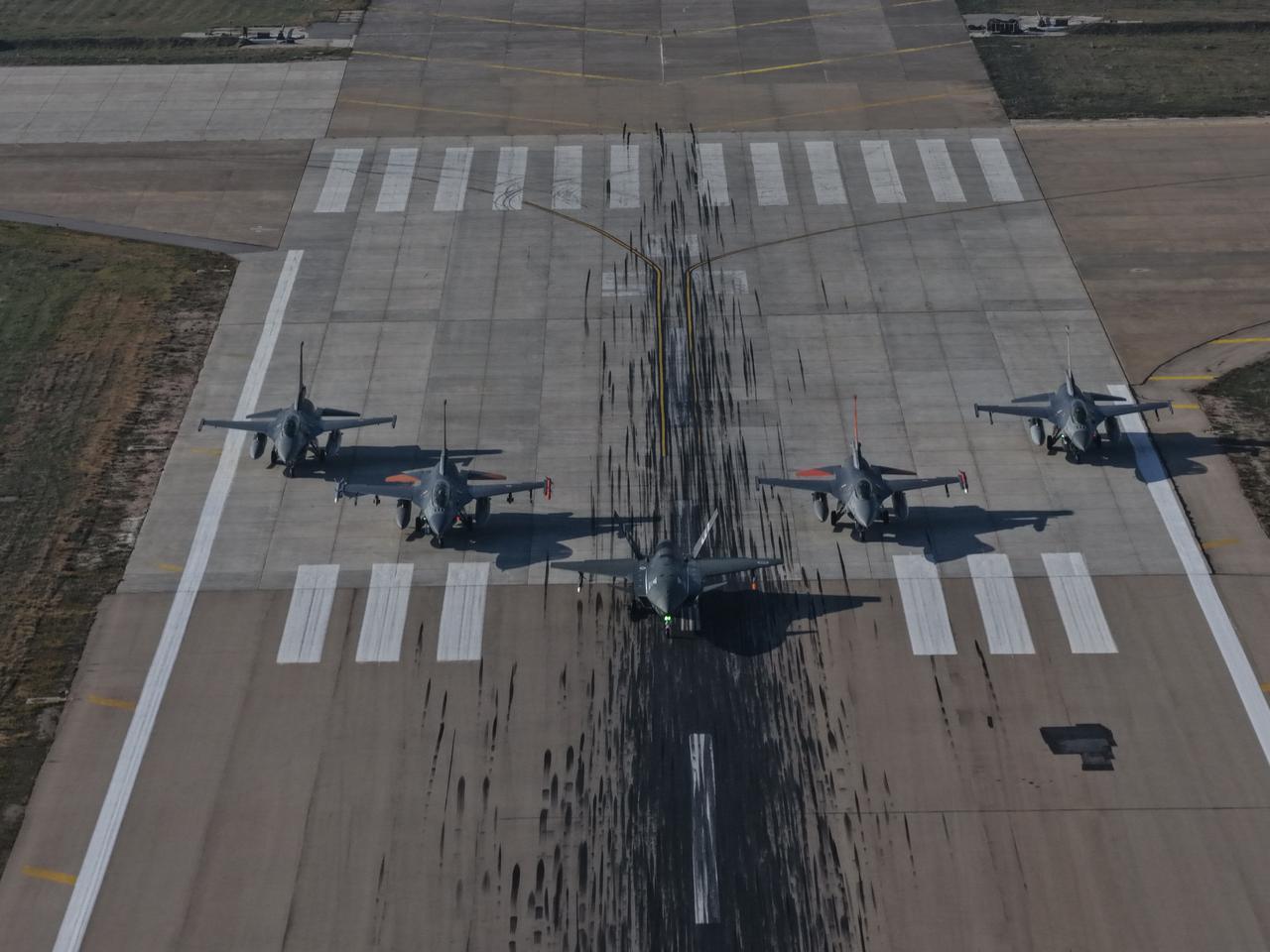
Sachs said the concern in Washington and European capitals is that Türkiye is becoming an independent military-technological power pole within NATO, pursuing its own interests with its own capabilities in ways that do not always align with the alliance's overall goals.
"This is an unprecedented development in NATO history. No NATO member has achieved this level of independence in the defense industry while being part of the alliance. This situation is causing tensions that alliance structures were not designed to handle," he added.
Sachs said Türkiye has become the dominant military power in the region with its domestic weapons.
"Greece is watching Türkiye's development in defense with concern. The military balance in the Aegean is shifting. Greek defense planners are facing the reality that Türkiye can produce advanced systems domestically while Greece has to import everything. This leads to sustainability and cost problems," Sachs said.
He noted that Arab states in the Gulf traditionally relied on American and European weapons but are now purchasing Turkish UAVs and potentially other systems.
"This is creating influence for Türkiye in a region where it was previously marginal. The Black Sea has also changed. Türkiye controls access through the Straits and is now a dominant power in this strategic waterway with its domestic naval and UAV capabilities," Sachs said.
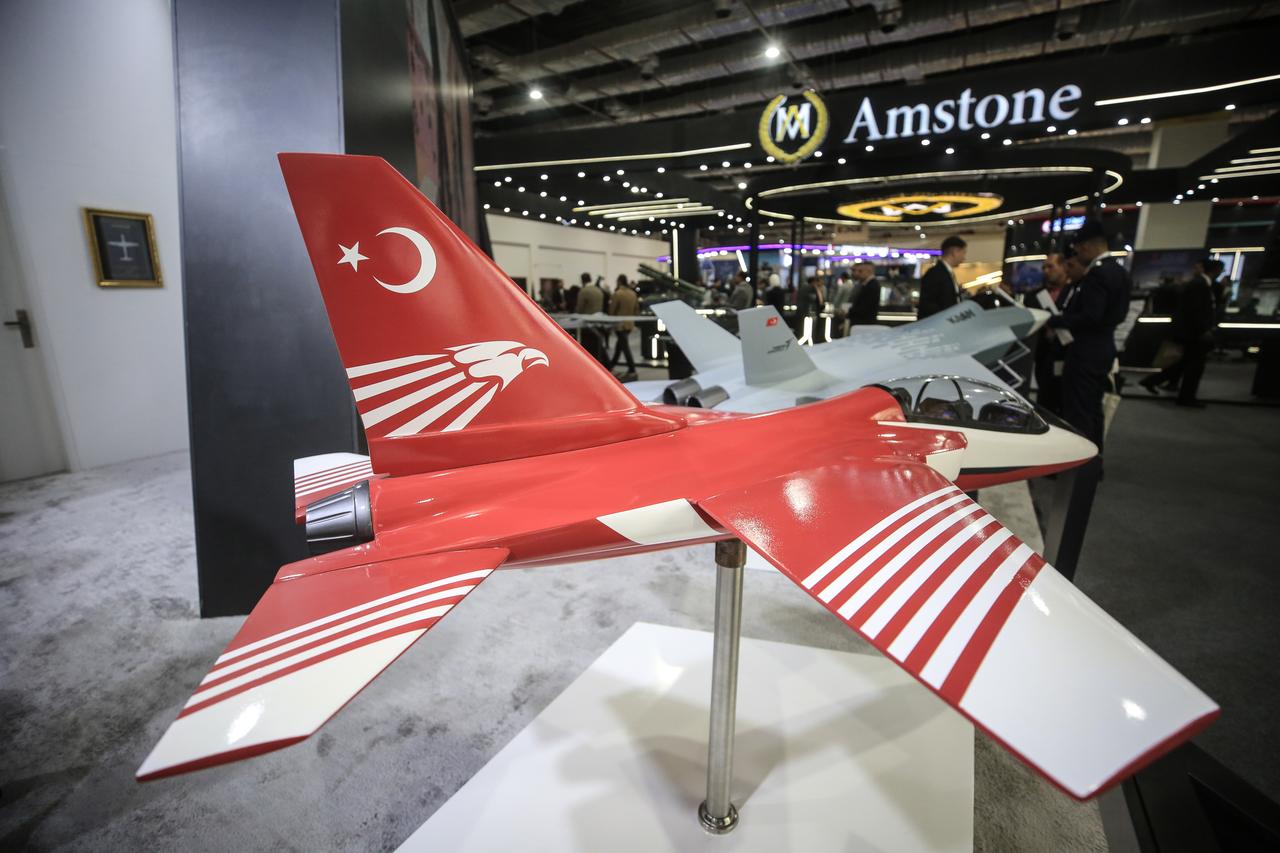
Sachs said Türkiye's defense industry rise is not finished and is accelerating, noting that the fifth-generation fighter jet KAAN program is "extremely ambitious."
"The number of countries that can successfully develop modern combat aircraft is very small. The technical challenges are enormous. But Türkiye is determined to invest billions and make progress," Sachs said.
He said this development would put Türkiye in "an extremely elite group of countries" that can produce indigenous advanced combat aircraft.
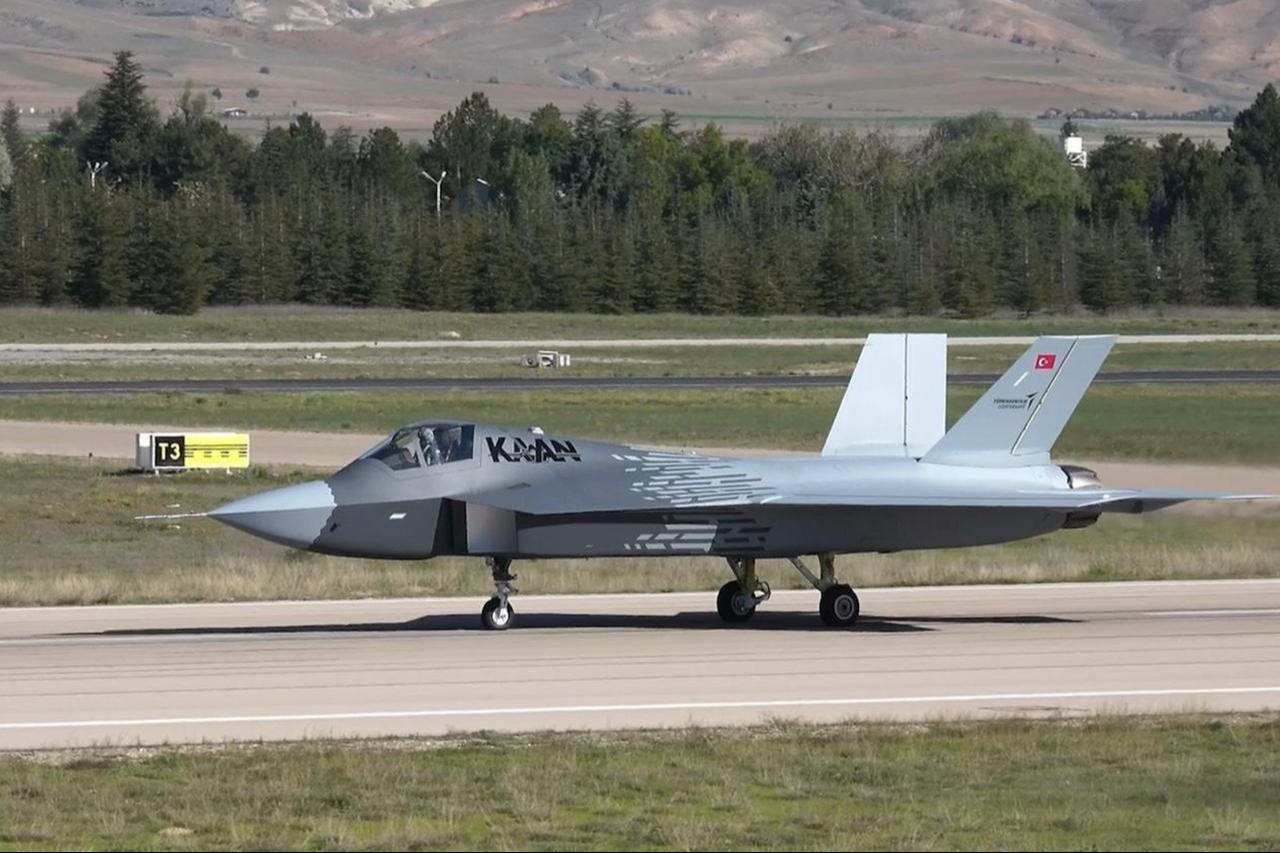
Sachs said Türkiye's development in the defense industry offers an option for countries that do not want to bow to U.S., European, Russian or Chinese political influence when buying weapons.
"How do you manage technology sharing in an environment where Türkiye can export systems to countries that the U.S. wants to isolate? Regional powers are facing a new reality. Türkiye has the power to deter not only diplomatically or economically but also militarily with domestic capabilities—and it cannot be stopped by embargoes or sanctions," Sachs said.
Sachs said Türkiye's progress has surprised NATO, and although investment in the defense industry was known, such speed and success exceeded expectations.
"Türkiye aimed to break free from dependence on foreign military suppliers and largely succeeded. But it did not just achieve this. It became a significant military-industrial power in its own right. That is the progress. That is the leap. That is why NATO is adapting, regional powers are recalculating and global defense markets are changing. Türkiye's defense industry revolution is one of the most important military-technological developments of the last 20 years," Sachs said.


 Set as preferred source
 Set as preferred source


 1 min read
 1 min read