Newsletters





The Turkish Aeronautical Association (THK) announced plans to integrate motorized paragliders (paramotors) and drones into disaster response and search and rescue operations, following discussions with relevant authorities.
The initiative aims to enhance aerial surveillance capabilities, providing a “bird’s-eye view” during emergencies.
Speaking to Anadolu Agency (AA), THK Trustee Board Chairman Kemal Yurtnac highlighted that the association conducts training programs for both drones and paramotors, enabling operators to effectively observe and respond to incidents in the field.
“These aerial systems complement each other in search and rescue operations, demonstrating the value of extended airborne observation and precise intervention capabilities,” he said.
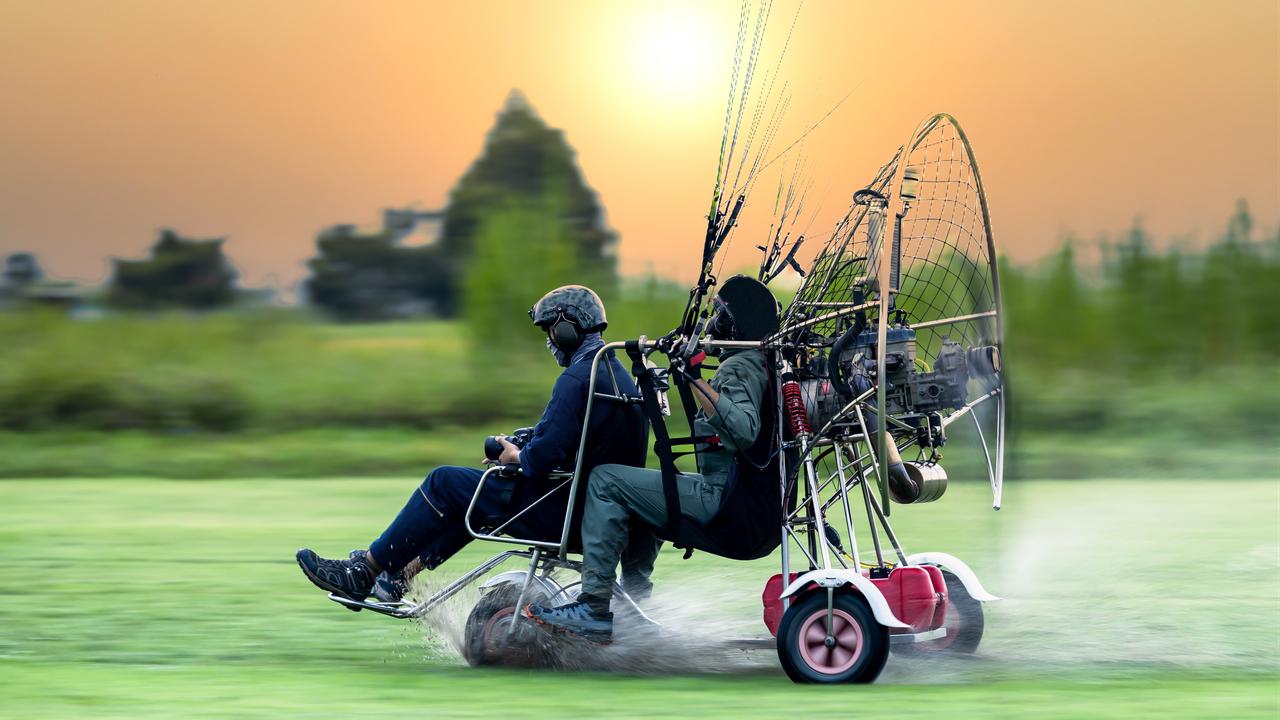

Yurtnac noted that paramotors offer distinct advantages over drones, including longer flight duration, low-speed maneuverability and direct human observation, which can lead to more effective field assessments.
He cited a recent incident in Alanya, Antalya, where a motionless person in the sea was identified during a training flight, enabling authorities to respond promptly.
“This case underscores the critical role of paramotors in confined areas and their wide field-of-view capabilities during rescue operations,” he added.
THK plans to collaborate with agencies, including AFAD (Disaster and Emergency Management Authority) and the Turkish Red Crescent, to formalize the integration of these aerial platforms into emergency response frameworks.
Yurtnac emphasized that paramotors can operate in narrower areas and more efficiently than helicopters or other aircraft, particularly in earthquake, fire and disaster scenarios.


 Set as preferred source
 Set as preferred source


 2 min read