Newsletters


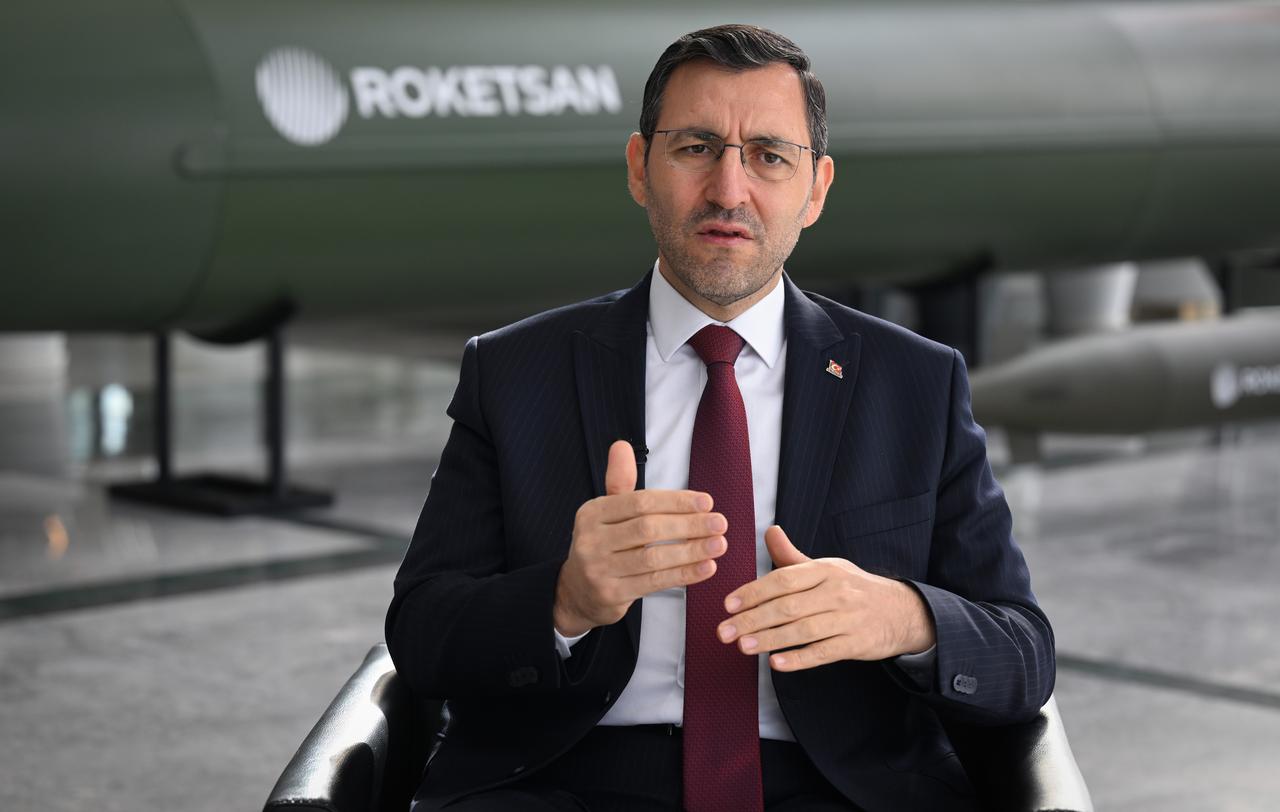
Turkish defense contractor Roketsan will significantly expand missile production capacity in 2026 as long-term investments begin operation and multiple strategic weapons systems move toward serial production, according to Roketsan General Manager Murat Ikinci, speaking to state-run Anadolu Agency (AA) on Monday.
The company achieved 50% revenue growth in 2025, generating over $2 billion in annual revenue and nearly $750 million in exports, marking what Ikinci described as a "growth year" that established momentum for accelerated development across Türkiye's national defense systems portfolio.
"The investments we have been making for a long time will begin to come online in 2026. We will implement investments that will significantly increase production capacity," Ikinci said.
"I evaluate that Roketsan's 50% dollar-based growth potential will continue unabated in both export and revenue throughout the coming period," he added.
The expansion reflects Roketsan's position as the world's fastest-growing defense company and Türkiye's second-fastest-growing defense firm, a status the company has maintained for multiple years.
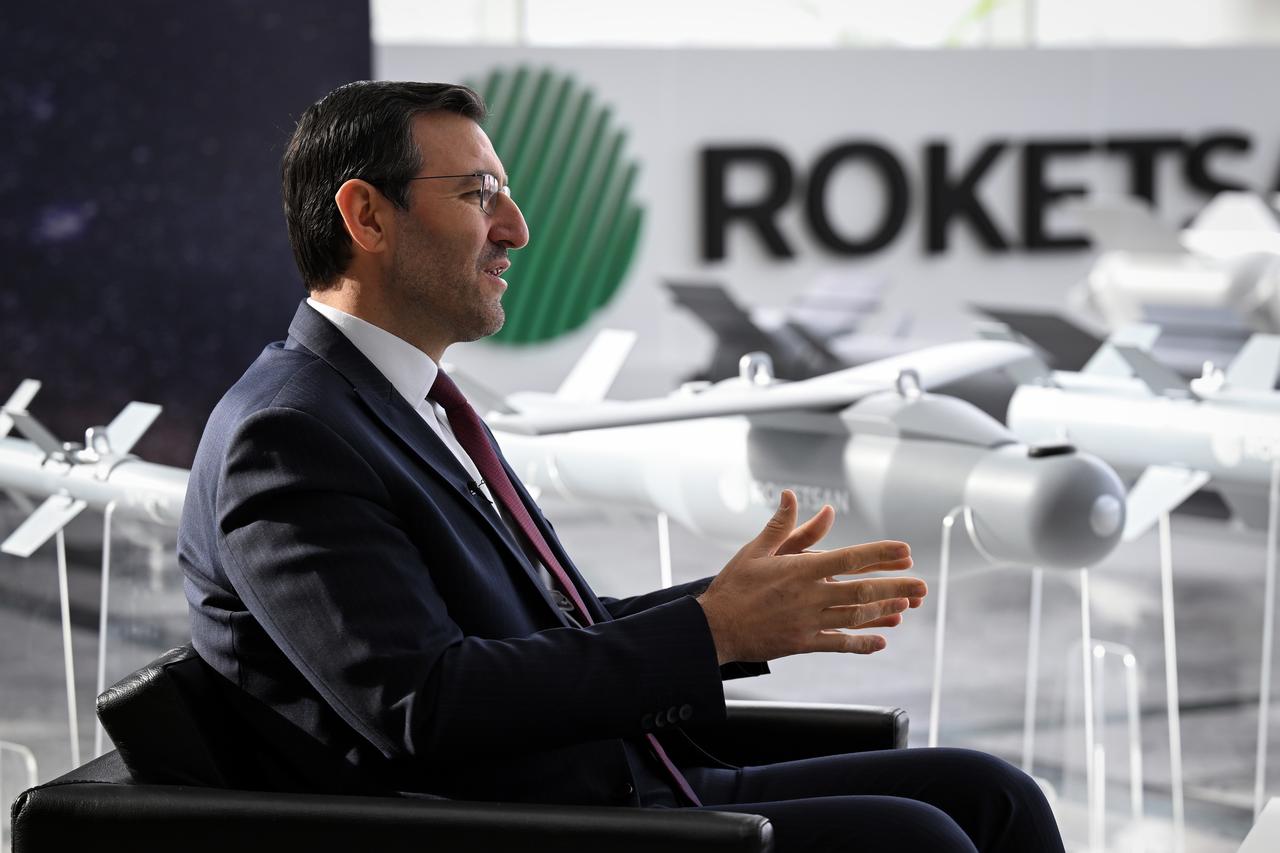

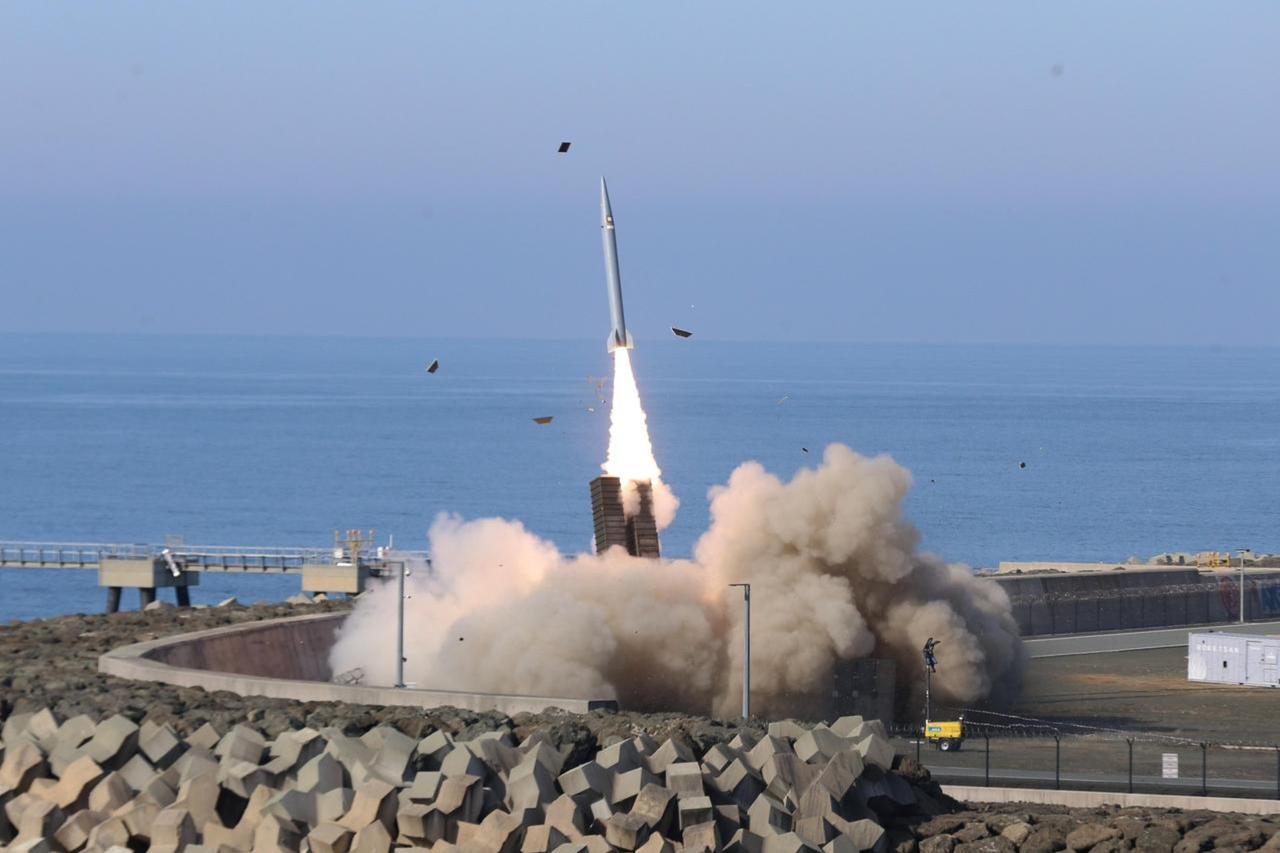
Roketsan conducted an extraordinary testing and development year in 2025, demonstrating the company's operational intensity. The firm completed more than 800 days of testing activities across over 20 locations throughout Türkiye, testing 200 products simultaneously across multiple sites.
"We were conducting 4-5 tests on the same day within a year because multiple tests were conducted simultaneously at different locations," Ikinci explained.
The testing program supported the successful transition of numerous projects into serial production and the completion of multiple trial programs. Ikinci characterized the year as "foundational for converting research and development work into operational weapons systems."
"2025 was truly a year of growth for Roketsan, both globally and locally, and a year in which new products came online. Many successful projects entered serial production, many trials were successfully completed, and our products came out," he stated.
Several major missile development programs will transition to advanced production stages in 2026, Ikinci indicated, though he provided limited specific details on most systems to protect classified information.
The Tayfun Block-4 ballistic missile, described as "among the most wondered about" projects, will generate "good news" announcements in the coming months. The air-to-air missile Gokbora and the 300 ER missile system are proceeding "at full speed," with new announcements expected in the short term.
"2026 will be a year when the work we have done in these areas produces results, is converted into products, and serial productions begin," Ikinci said.
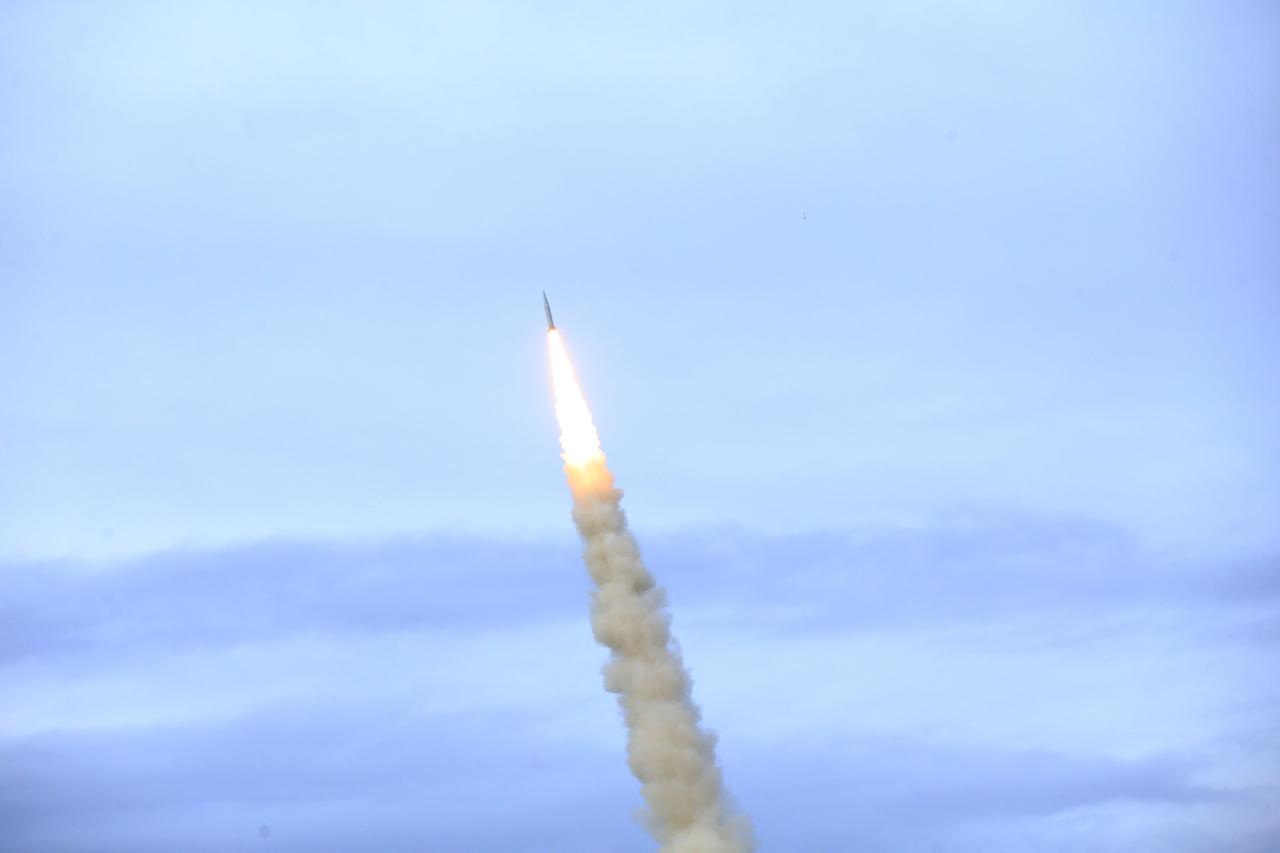
Multiple air defense systems will accelerate from development through production and deployment phases. Roketsan is expanding production and proliferation of the Siper, Hisar and Sungur air defense systems with "serious effort" and "no slowdown, in fact, at a much faster pace."
Hypersonic weapons systems development continues alongside cruise missile and mini-munitions programs, which Ikinci characterized as areas where "very different innovations" will emerge in 2026.
All systems development targets strengthening Turkish Armed Forces (TAF) capabilities at an accelerated pace. "All our efforts are focused on investing in technologies that will increase the power of the Turkish Armed Forces much faster and delivering these products," Ikinci said.
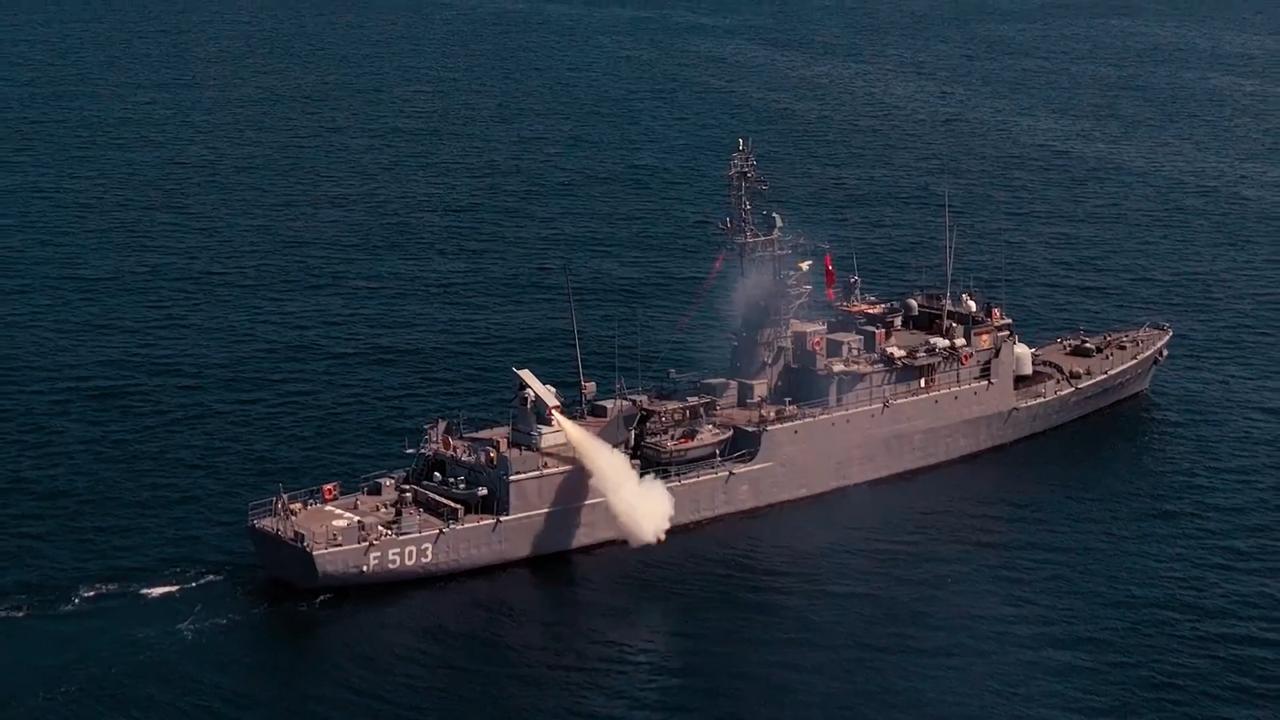
Roketsan's growth extends beyond Turkish borders through strategic international investments, with the company having established significant operations in Azerbaijan and Indonesia as part of its geographic expansion strategy.
The company has also expanded its domestic industrial ecosystem through structured partnership programs. The Roketsan Business Partners Program includes over 100 partner firms, with approximately 2,000 companies working collaboratively with Roketsan on export and domestic projects.
"Roketsan's strategy is to grow with the ecosystem. We implemented a very serious program for this," Ikinci said, noting, "We are continuing a serious growth trend on both export and domestic sides" through partnerships with these firms.
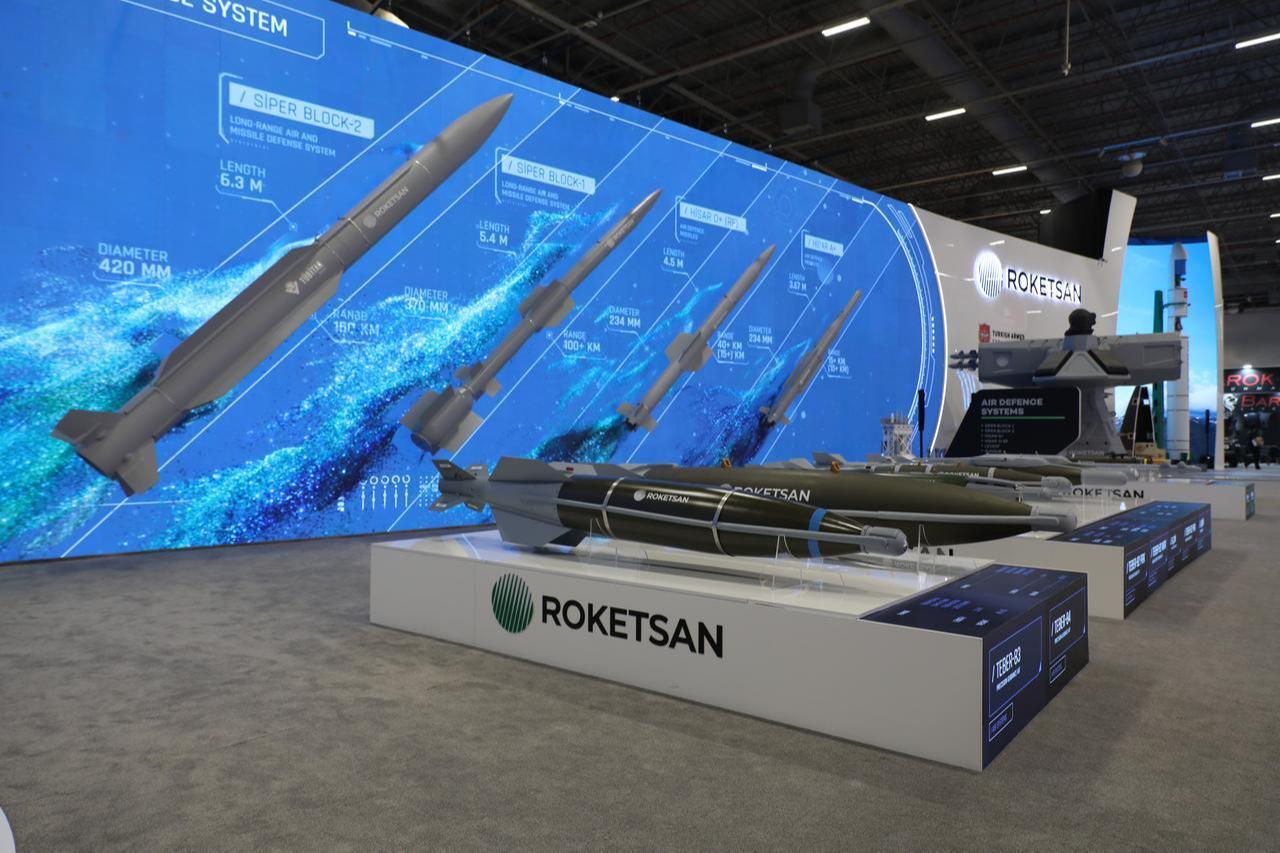
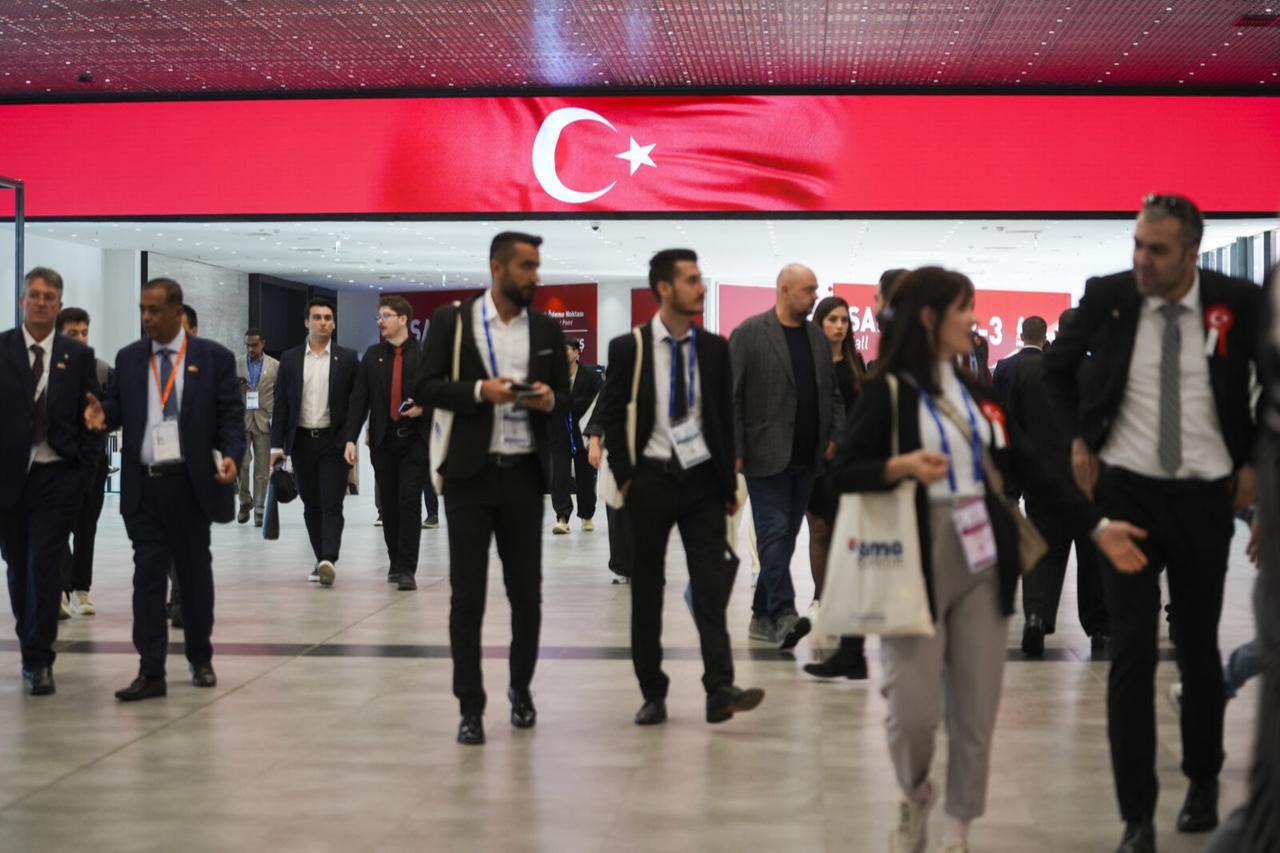
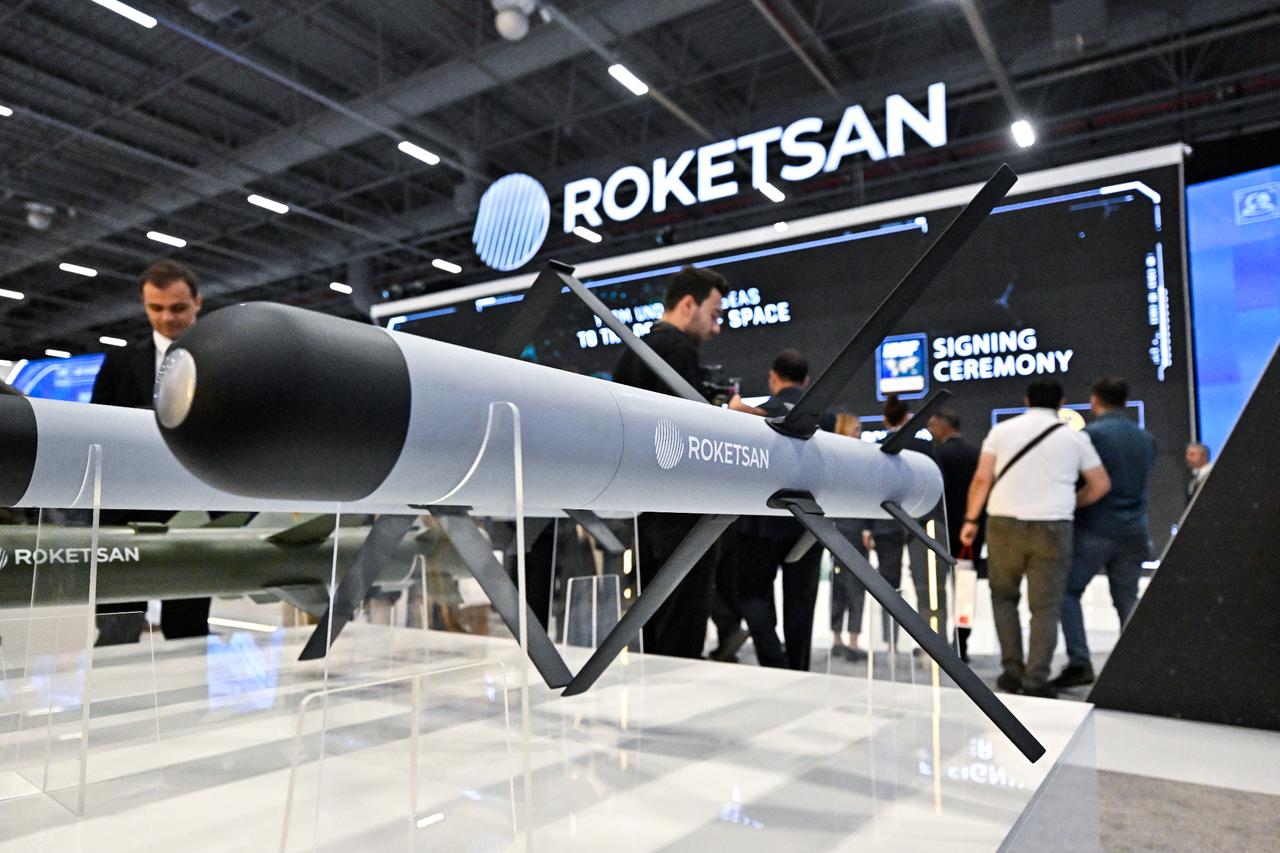
Roketsan will use the 2026 SAHA Expo defense exhibition as its primary platform for announcing new systems and projects. Ikinci, who serves as vice chairman of SAHA Istanbul's Board of Management, described the expo as holding "a very different meaning" for the company.
"It will be a very serious, beautiful organization in terms of showing both our people and international business partners both our products and our projects," Ikinci said.
"We are displaying an innovative approach at SAHA Expo. We have surprises here too, and hopefully we will share them with you," he added.
The expo will showcase innovations across Roketsan's portfolio and the broader Turkish defense industrial base.
Roketsan is also implementing two major space technology programs, with 2026-2027 marking the transition from development to operational deployment. The Simsek (Lightning) Project achieved "very serious technological gains" in 2025 and will "bear fruit" in the coming years.
Space technology represents one of Roketsan's highest investment priority areas. Ikinci characterized space as "the area that Türkiye observes most seriously as future technology," with investment implications extending across Turkish industry.
"As an ecosystem, Türkiye will gain a very serious milestone in space," Ikinci said, noting that Aselsan, Turkish Aerospace Industries (TAI), Fergani and DeltaV are conducting complementary space work alongside Roketsan efforts.
 1 min read
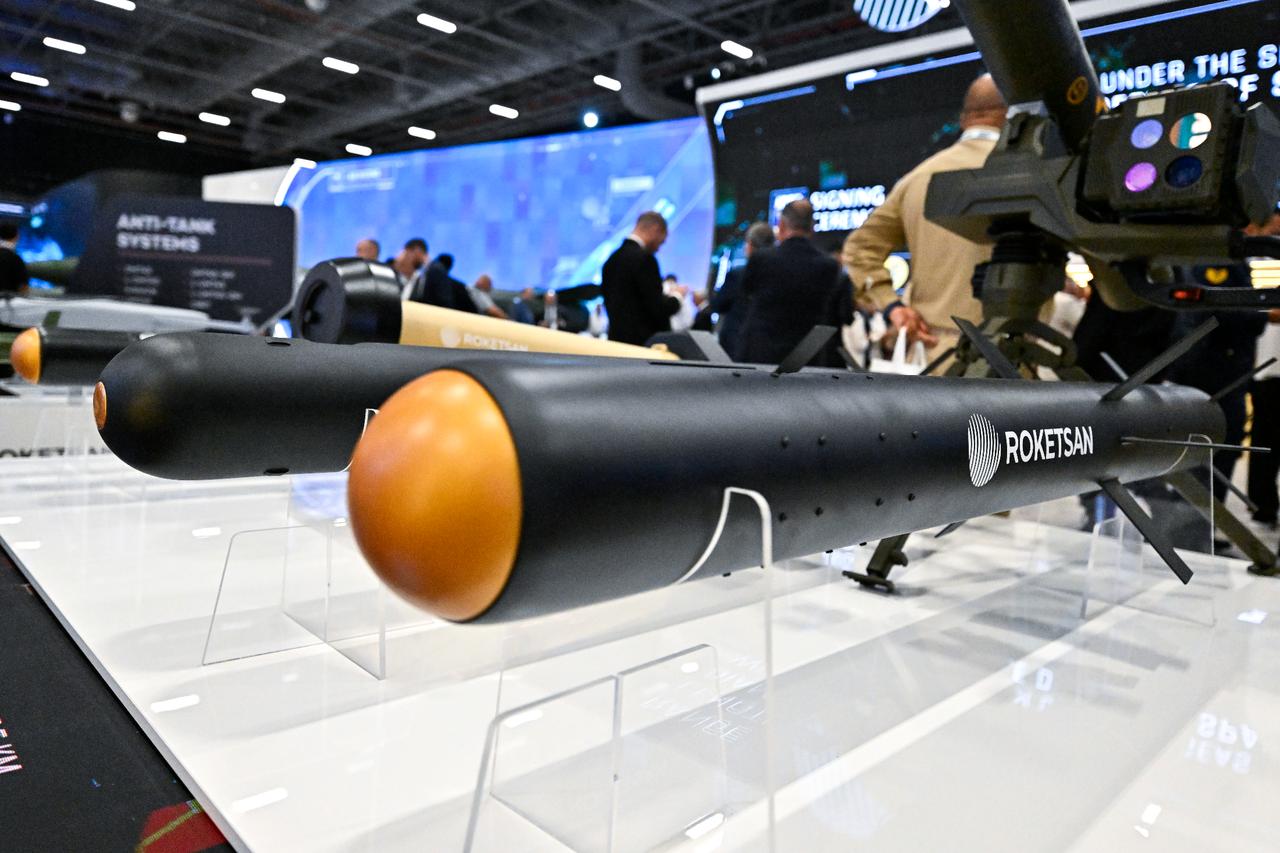
The company experienced significant personnel and ecosystem expansion in 2025, with new production facilities becoming operational.
These facilities, combined with international investment implementation, position Roketsan for the accelerated production phase beginning in 2026.
"Roketsan is almost every day definitely conducting a trial in the field or a test phase related to a product, part of an ecosystem with many teams involved," Ikinci explained, emphasizing the intensity of development activity underlying the company's growth projections.


 Set as preferred source
 Set as preferred source


 1 min read