Newsletters


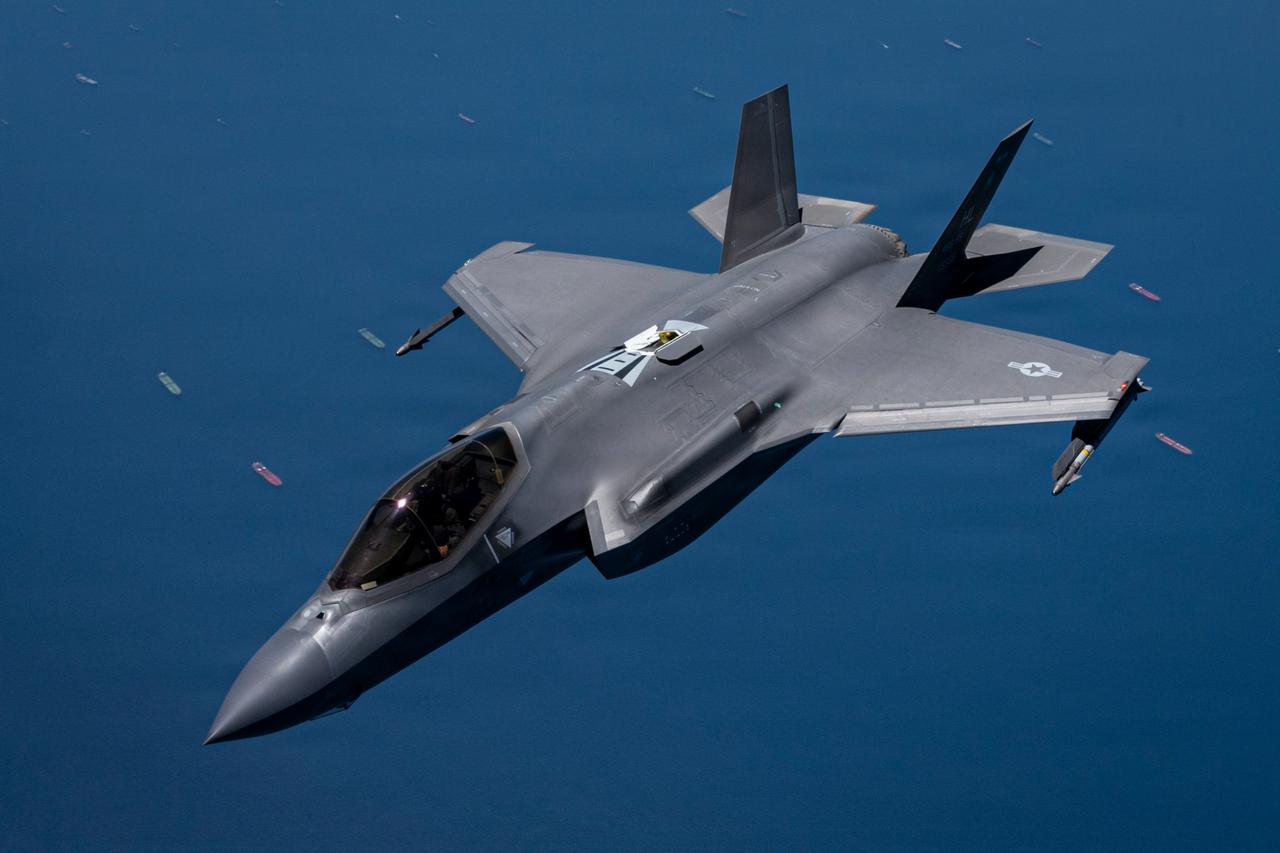


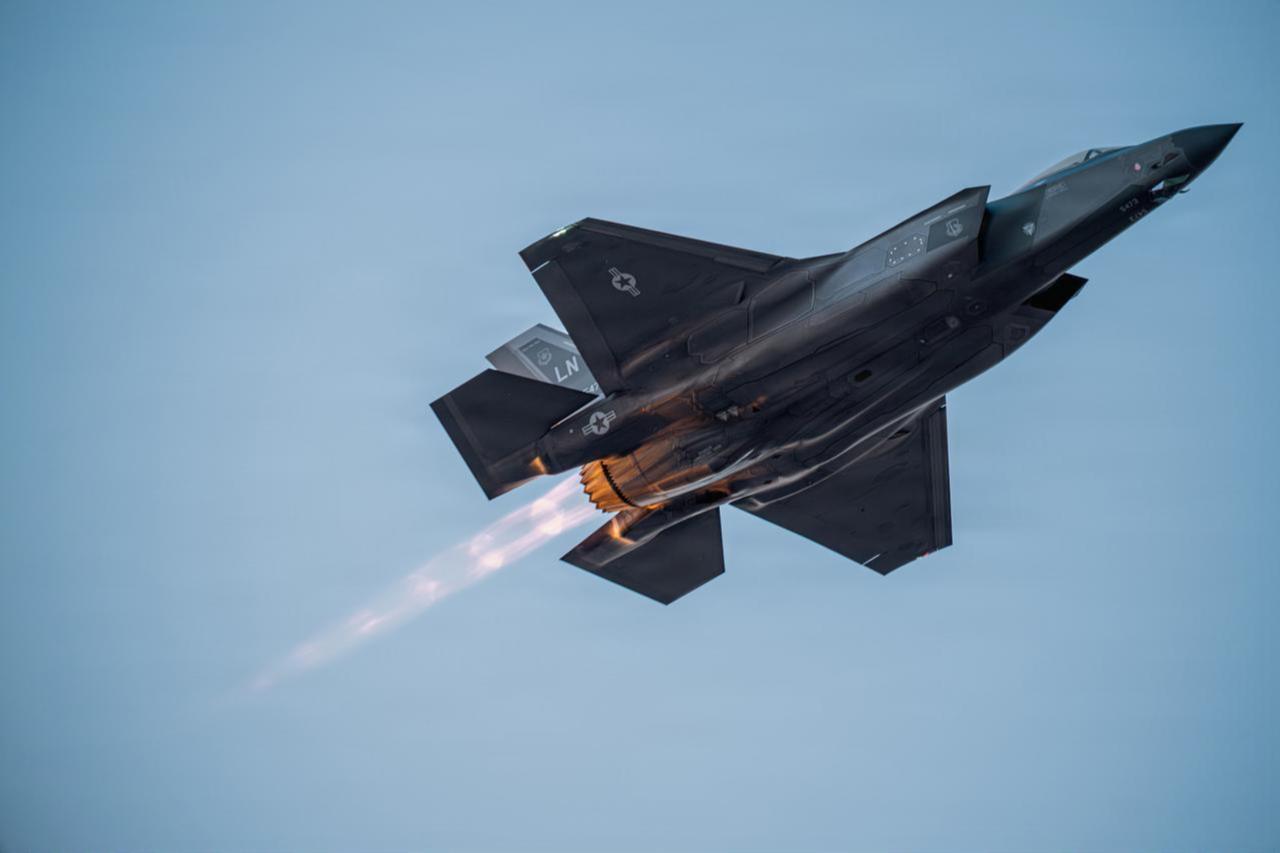
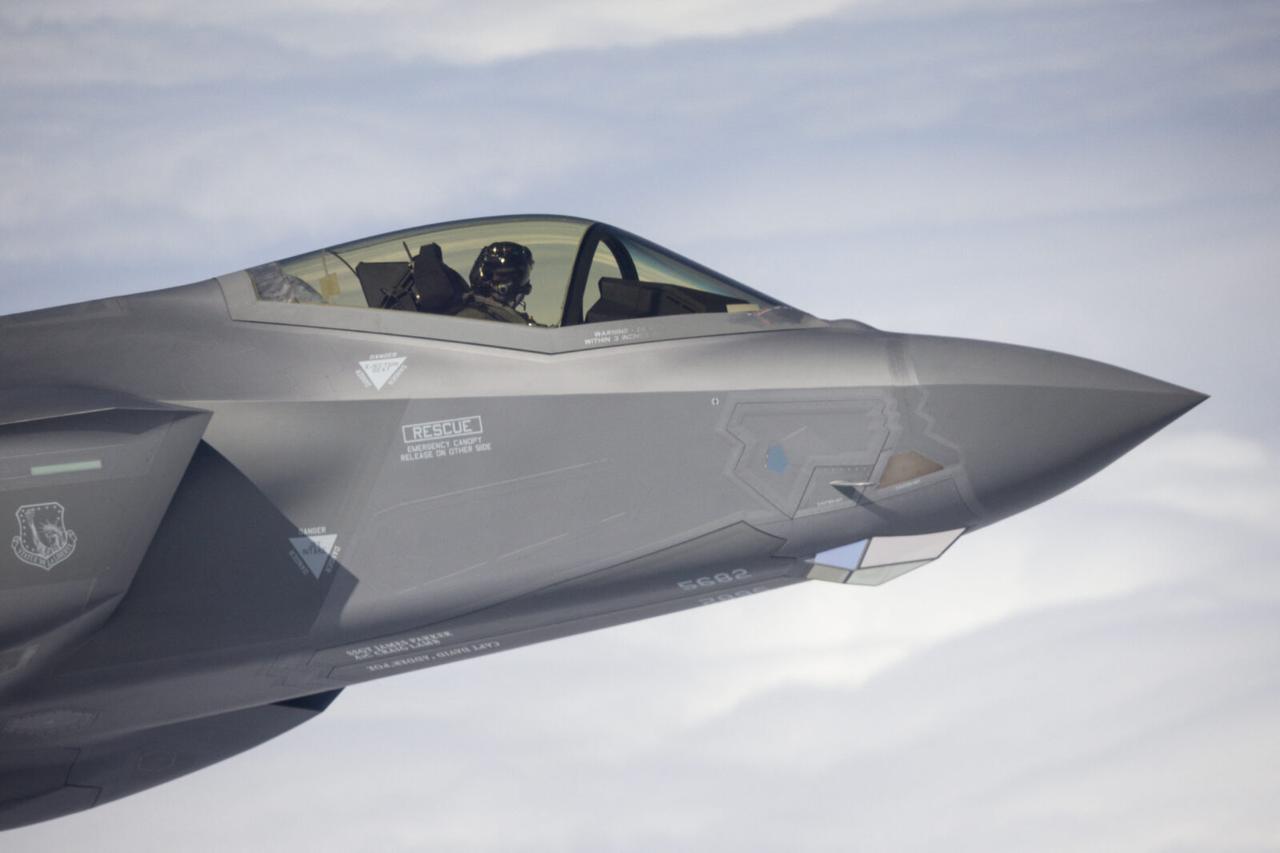
U.S. Secretary of State Marco Rubio told the House Foreign Affairs Committee this week that the Trump administration currently lacks the legal authority to change Türkiye's status in the F-35 program, citing statutory restrictions tied to Ankara's purchase of the Russian-made S-400 air defense system.
The issue surfaced when U.S. Rep. Dina Titus pushed back against Barrack's recent comments, arguing they were "inconsistent with existing U.S. law and longstanding American policy."
Titus asked Rubio directly whether Türkiye could receive F-16s or F-35s, according to the Greek media outlet Kathimerini.
Rubio acknowledged that Türkiye had originally been a participant in the F-35 program but was removed after purchasing the S-400 system from Russia.
"The reason why they can't get them is that they purchased the S-400 system from the Russians," Rubio said.
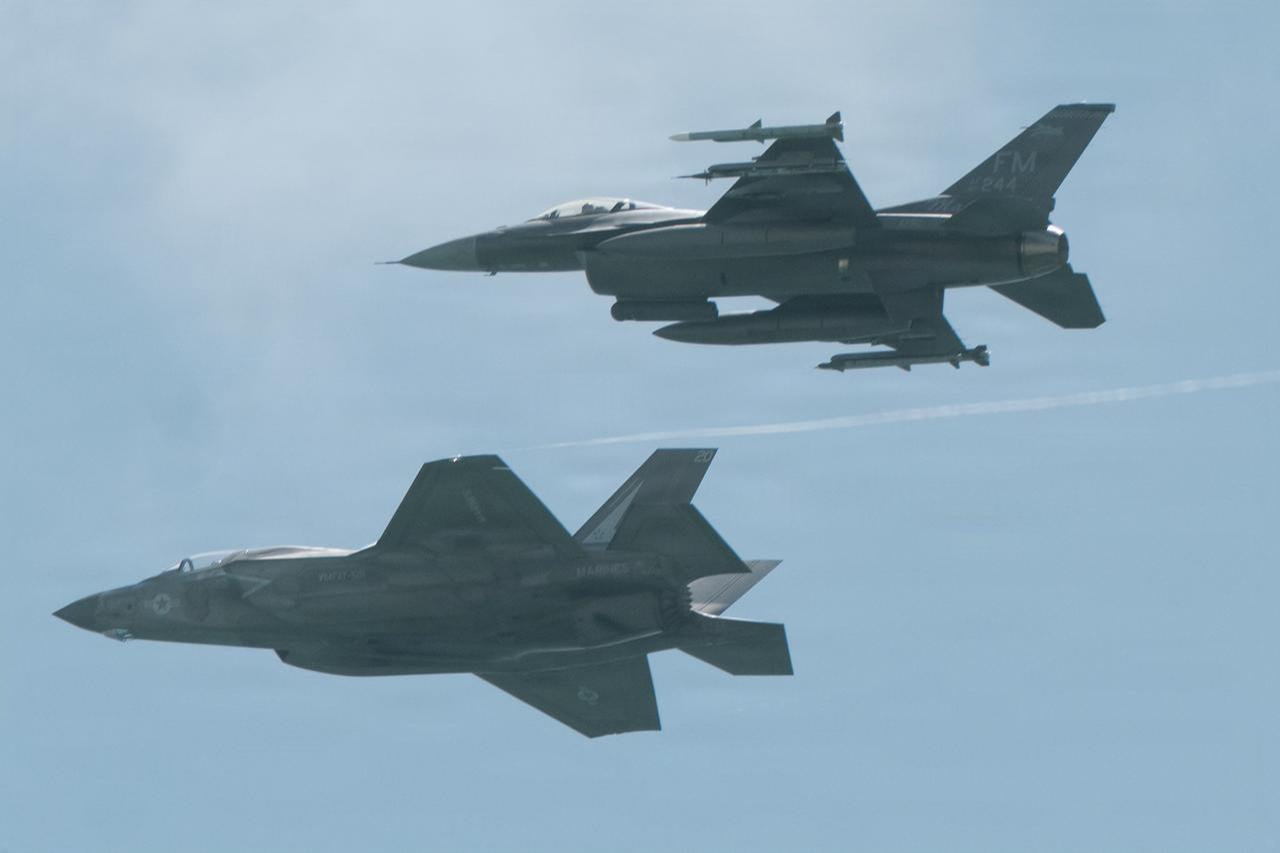

When Titus noted that Türkiye still possesses the S-400s and remains subject to mandatory sanctions, Rubio agreed and stressed that the matter is entirely governed by statute.
"Correct. So, as you know, that's governed by statute," Rubio replied.
Kathimerini's reporting on the exchange noted Rubio went on to close off any near-term flexibility, saying the administration has no legal path to act unilaterally.
"Right now we don't have that choice because it's governed by statute, both provisions of the NDAA and statute," Rubio said, referring to the National Defense Authorization Act (NDAA) and related sanctions legislation.
Türkiye’s involvement in the F-35 program began in 2002, and the country was originally a key partner in the Joint Strike Fighter development initiative.
However, tensions escalated when Türkiye finalized a deal to purchase the Russian-made S-400 air defense system in 2017, which led to the U.S. halting Türkiye’s participation in the F-35 program in 2019.
Since then, Türkiye has been seeking to return to the program, but its efforts have been met with strong opposition from both Greek and Jewish lobbying groups, as well as from Israel.
Türkiye has consistently labeled the sanctions "unjust," arguing that its NATO membership and regional security role should shield it from such measures. Ankara has demanded reinstatement in the F-35 program or compensation for its financial contributions.


 Set as preferred source
 Set as preferred source


 1 min read
 1 min read