Newsletters


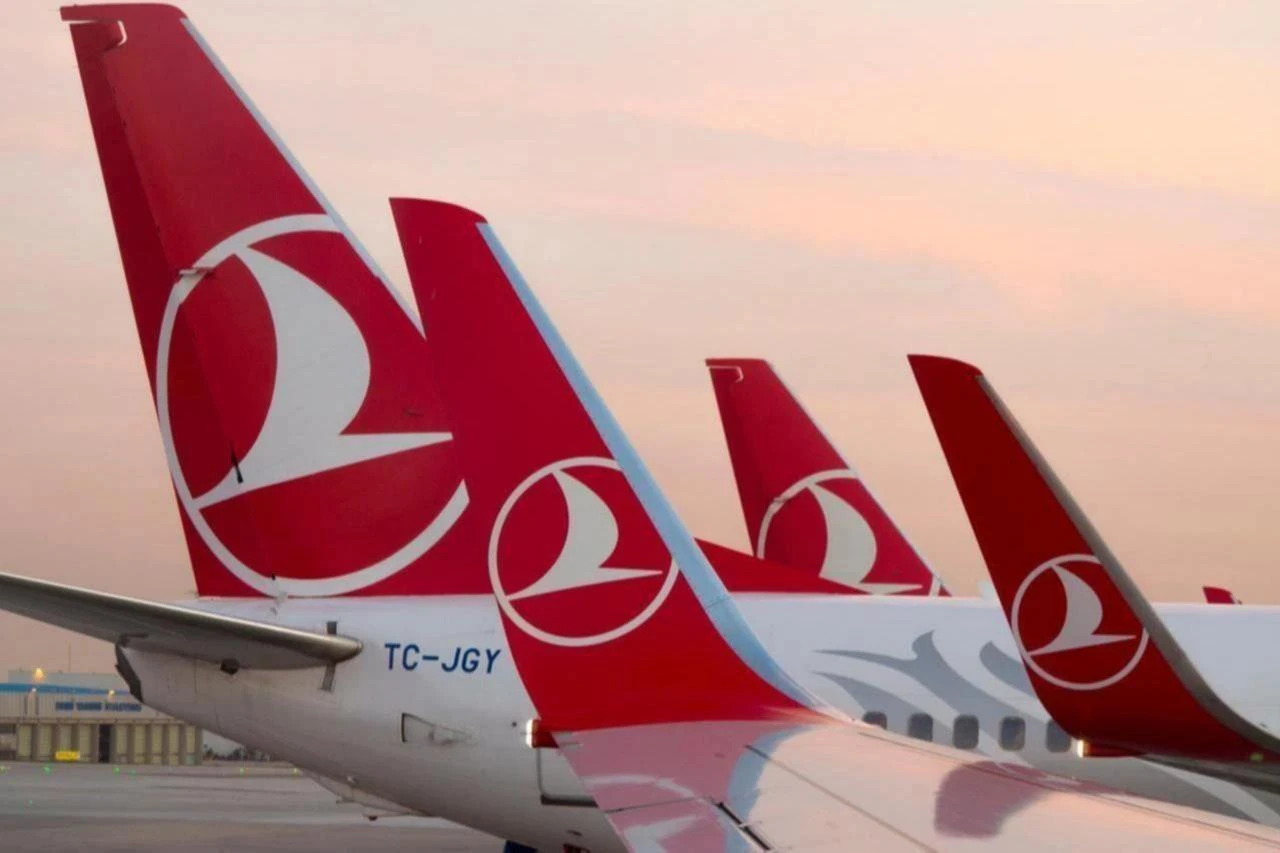


Turkish Airlines (THY) carried 9.5 million passengers in July, bringing its total for the first seven months of the year to 54 million—a 5.4% increase over the same period last year.
According to a statement from THY's Press Office on X, the airline, which carried 9.5 million passengers in July, achieved its highest-ever July load factor of 86.5% through dynamic capacity management.
THY also raised its on-time departure rate by 10.5 percentage points compared with the same period last year, bringing it to 82.4%. In the January-July period, THY's total passenger numbers reached 54 million, up 5.4% from the same period last year.
Over the same period, the company's passenger load factor rose by 2.1 percentage points to 84.2%, while its on-time departure rate increased by 0.6 percentage points to 81.8%.
Cargo volume carried in the first seven months of the year rose 12% compared with the same period last year. As of the end of July, the number of aircraft in THY's fleet reached 563.
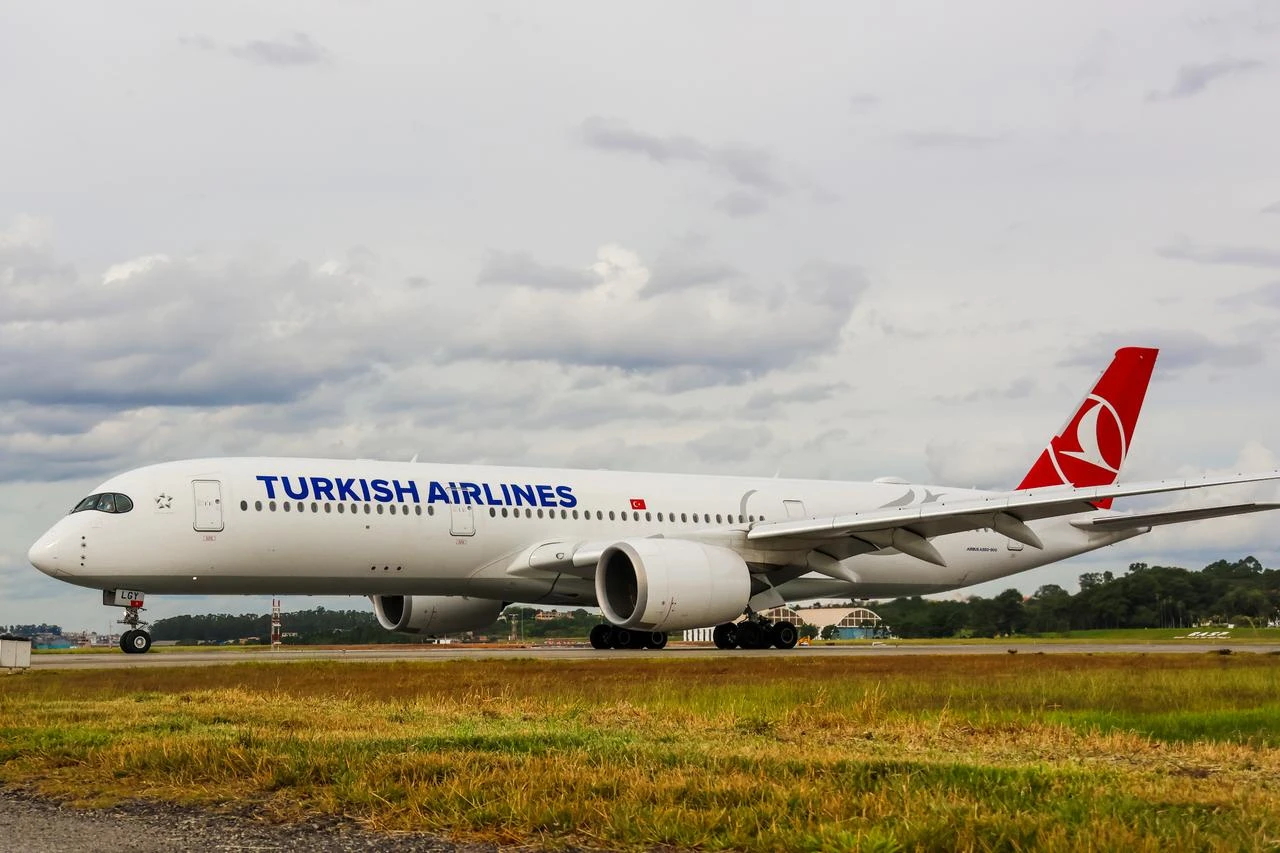

July's results extend a growth trend THY has sustained throughout 2026. The airline closed 2025 with a record 92.6 million passengers, an 8.8% annual increase, and has since committed to receiving 85 new aircraft in 2026, targeting 100 million passengers for the year and a fleet pathway toward 800 aircraft by its centennial year of 2033.
The carrier's fleet has grown steadily throughout the year, rising from 552 aircraft at the end of the first half of 2026 to 563 by the end of July. As part of its long-term fleet strategy, Turkish Airlines anticipates receiving 40 additional aircraft in 2027, split between 25 owned and 15 leased units.
The airline has also been expanding its international network. It is preparing to transition its core mainland China routes, Shanghai, Beijing and Guangzhou, to double-daily service, following an increase in the weekly passenger flight cap between Türkiye and China from 21 to 49.
In the United States, the airline is evaluating Newark, along with secondary markets such as Minneapolis and Orlando, for future service.
Rising fuel costs have posed a challenge to the airline's expansion. Jet fuel typically represents around 30% of Turkish Airlines' total cost base, and executives expect the annual fuel bill to rise by as much as $3.5 billion this year, even with hedging coverage and fuel surcharges in place.
Despite the pressure, the airline has avoided passing the full cost onto passengers, with higher passenger yields and a booming cargo business helping offset the impact.


 Set as preferred source
 Set as preferred source


 2 min read