Newsletters


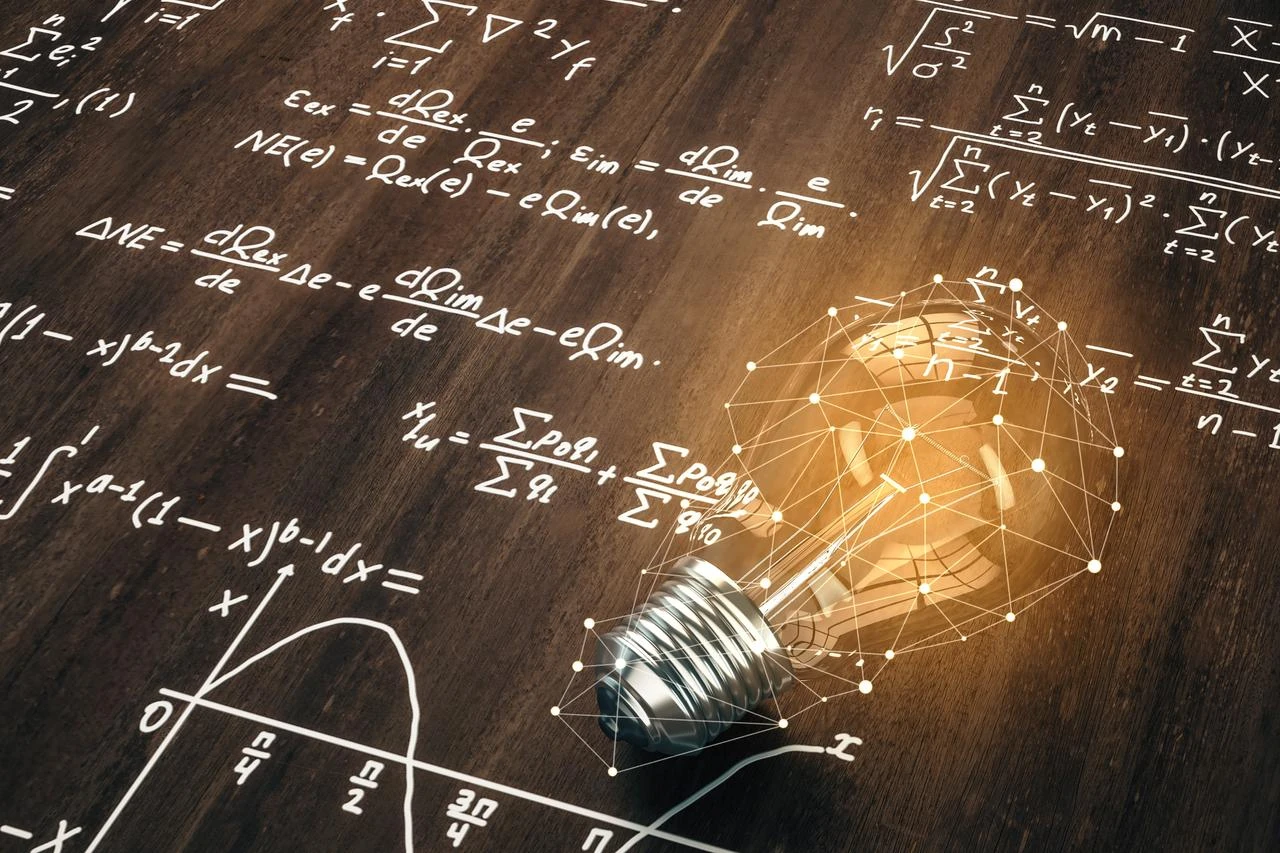


Levent Alpoge, a Turkish-American mathematician and former Harvard University researcher who now works at artificial intelligence company Anthropic, has disproved a mathematical conjecture that had remained unsolved for 87 years.
Alpoge used Anthropic's AI model, Claude Fable 5, to disprove the Jacobian Conjecture, a longstanding open problem in algebraic geometry.
The conjecture was proposed in 1939 by German mathematician Otto Keller, who claimed that a certain type of polynomial map with a constant, non-zero Jacobian determinant must always be reversible.
The problem later appeared on a list of major unsolved mathematical questions compiled by mathematician Stephen Smale in 1998.
According to Alpoge, the breakthrough occurred on a Sunday night while he was watching the FIFA Club World Cup final. He asked Claude Fable 5 to work on the Jacobian Conjecture after a friend, identified as Akhil, raised the problem in conversation.
Rather than supporting the conjecture, the AI model produced a counterexample demonstrating that it was false, a result mathematicians had been unable to find for nearly nine decades.
Alpoge shared the finding on social media platform X, posting a mathematical formula of 216 characters that illustrated the counterexample. The post drew close to 30 million views.
Claude Fable 5 generated a polynomial formula involving three variables. The formula carried the required constant Jacobian determinant of negative two but also showed that three different inputs produced an identical output.
Because different inputs led to the same result, the mapping could not be reversed, directly contradicting the Jacobian Conjecture.
Mathematicians Terence Tao and Jared Duker Lichtman reviewed the counterexample and confirmed it disproves the conjecture. The two-dimensional version of the problem remains unsolved.
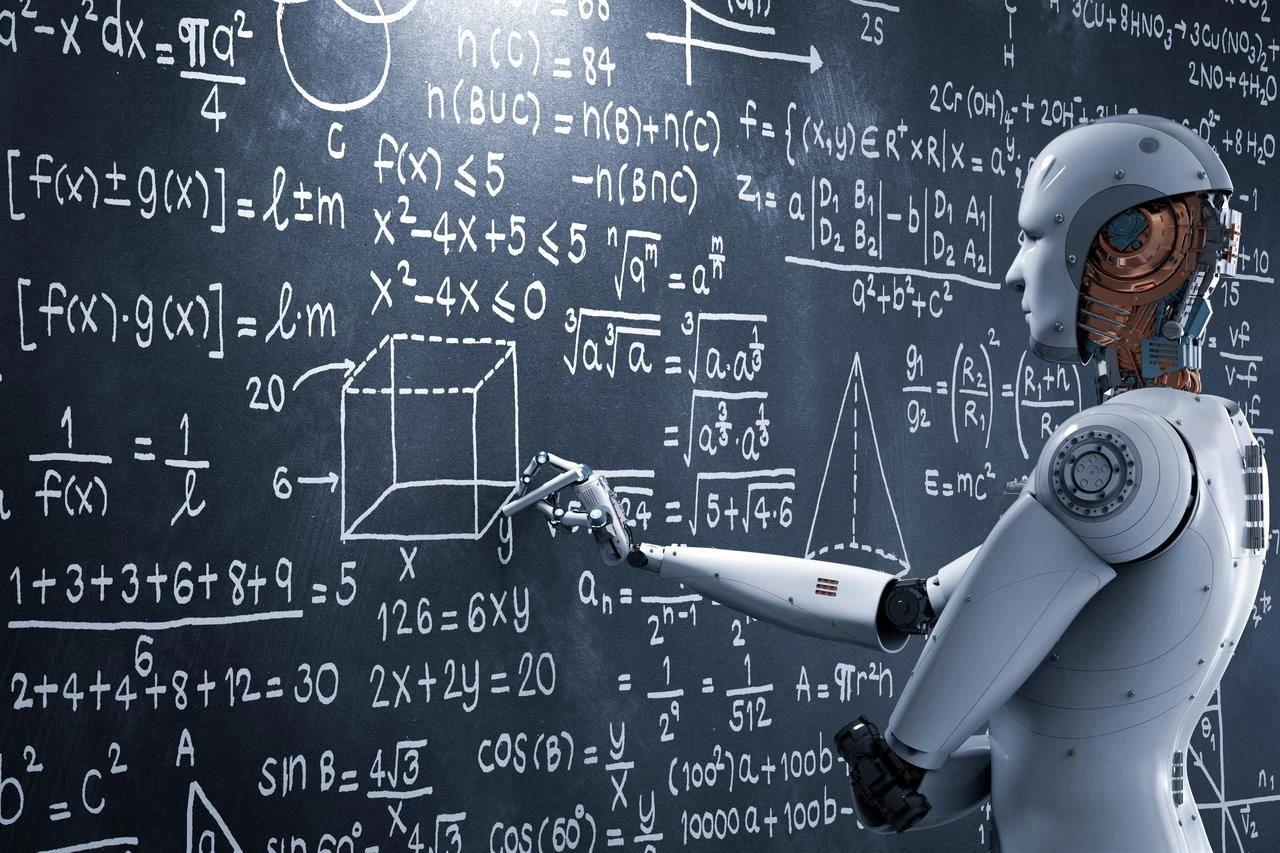

The disproof adds to a growing list of mathematical breakthroughs involving artificial intelligence. In May, a research model developed by OpenAI was reported to have found a counterexample to the Erdos Unit Distance Conjecture, another long-unsolved problem, according to earlier reporting.
Researchers say such cases indicate AI systems can pursue unconventional lines of reasoning that human mathematicians may overlook. In Alpoge's case, the counterexample was verified within a day, as it can be checked by hand.


 Set as preferred source
 Set as preferred source



 2 min read