Newsletters


Twelve researchers have begun Türkiye's sixth National Arctic Scientific Research Expedition (TASE-VI), during which they will study oceanography, biology, chemistry, atmospheric science, meteorology, geodesy, and satellite systems.
The expedition is under presidential patronage and led by the Ministry of Industry and Technology, with coordination from the TUBITAK Polar Research Institute (KARE).
It comes after Türkiye completed its tenth National Antarctic Science Expedition earlier this year.
Industry and Technology Minister Mehmet Fatih Kacir announced the launch on social media, saying the scientific team set out "to examine the effects of global climate change on-site."
He also mentioned that the team includes three foreign researchers and three high school students who won a TUBITAK climate change research competition.
Kacir added that the team will carry out 12 scientific projects in the fields mentioned earlier.
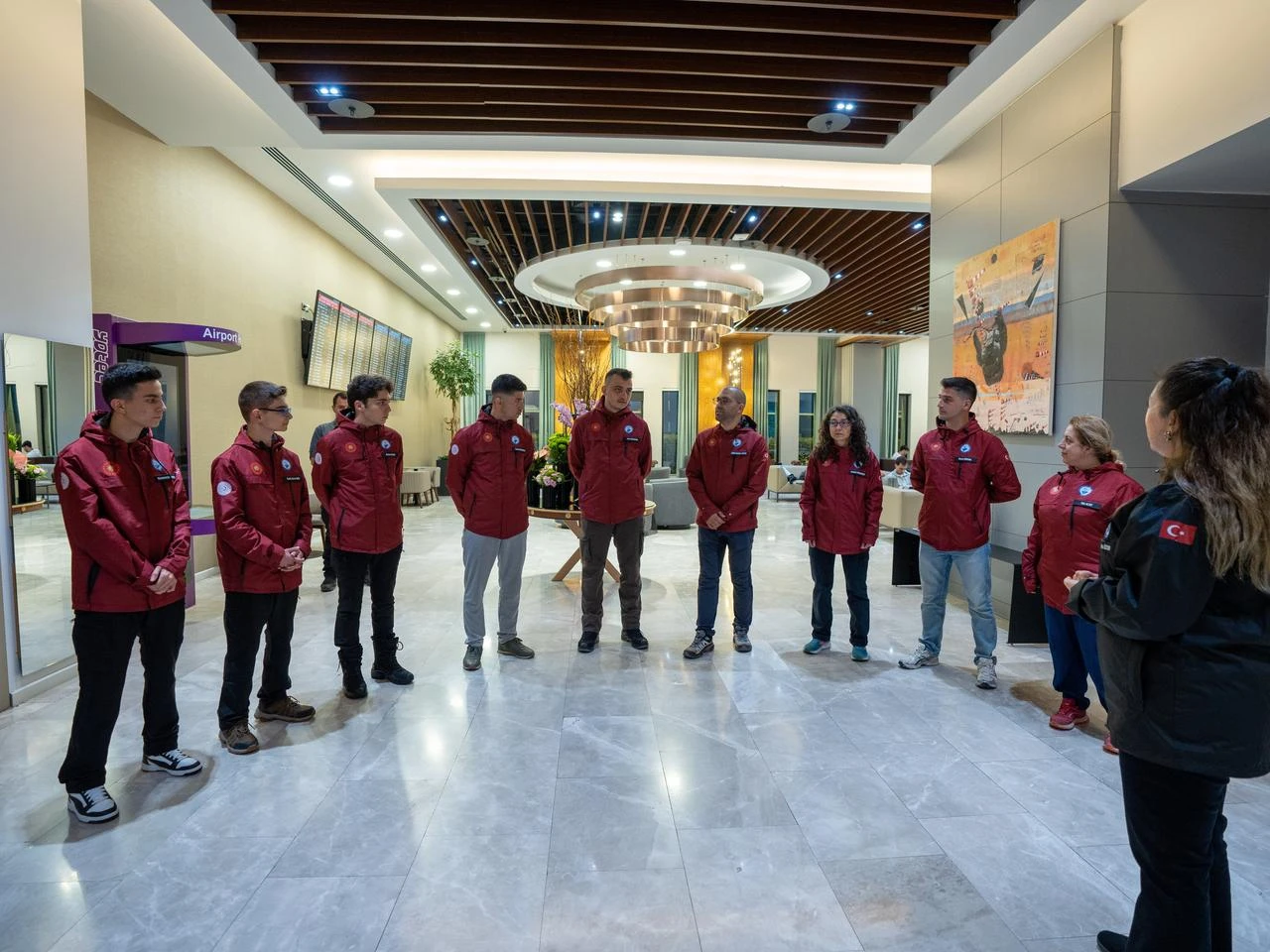

As they travel, the team will collect CTD profiles and water and sediment samples at specific locations and different depths.
This data will help measure temperature, salinity, and microplastics in the Arctic Ocean. They will also monitor atmospheric conditions and make geodetic GNSS observations during the trip.
Ozsoy said that international researchers from Argentina, Bulgaria, and Uruguay's Antarctic institutes are joining the mission this year. All scientific projects will take place on the ship in the Arctic Ocean.
The team hopes to reach 82 degrees north latitude, depending on sea ice conditions. She added that the continuous daylight in the Arctic during this time will help the team work without interruption.
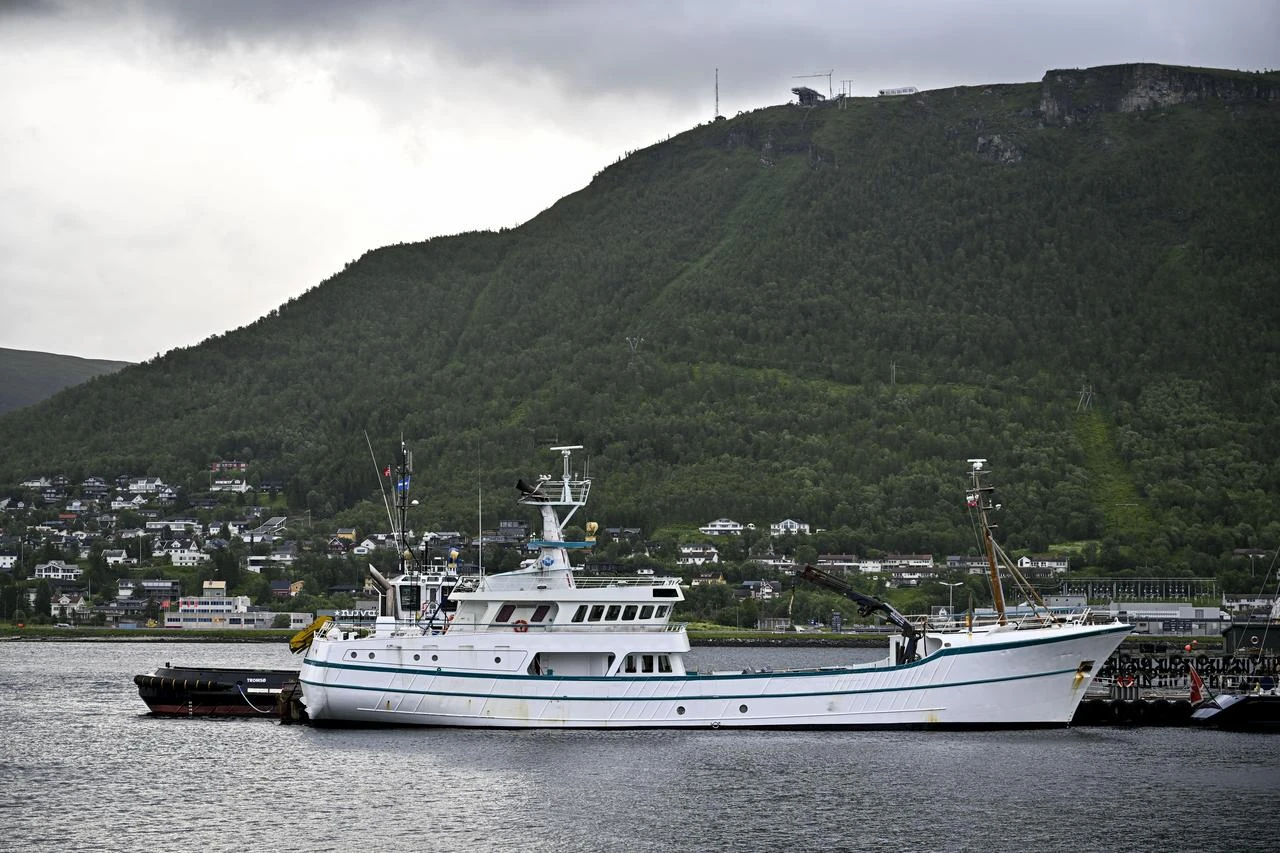
The research team traveled from Istanbul to Oslo, then left Tromso by ship after making final preparations. The expedition includes members from two public institutions, five universities, and two high schools in Türkiye.
Expedition Leader Capt. Dogac Baybars Isiler said the trip will last about 25 days and include 12 researchers, with three women and nine men, working on all 12 projects.
Depending on the weather, the team plans to collect samples from 50 to 70 different stations, and the expedition should finish by July 24.


 Set as preferred source
 Set as preferred source



 6 min read