Newsletters


Foreign ministers from Türkiye, Egypt, Pakistan, and Saudi Arabia welcomed the signing of the Islamabad Memorandum of Understanding (MoU) between the United States and Iran.
The nations used their fourth consultative meeting in Cairo to press for a Palestinian state on the 1967 lines and demand that the deal's next phase account for Gulf and Levant security concerns.
The four ministers convened in Cairo on June 21 at the invitation of Egypt, according to a joint statement issued by Pakistan's Ministry of Foreign Affairs.
The ministers expressed deep appreciation to Egyptian President Abdel Fattah el-Sisi for sharing his vision for the region's future as guidance for the group's efforts to bring stability to the Middle East.
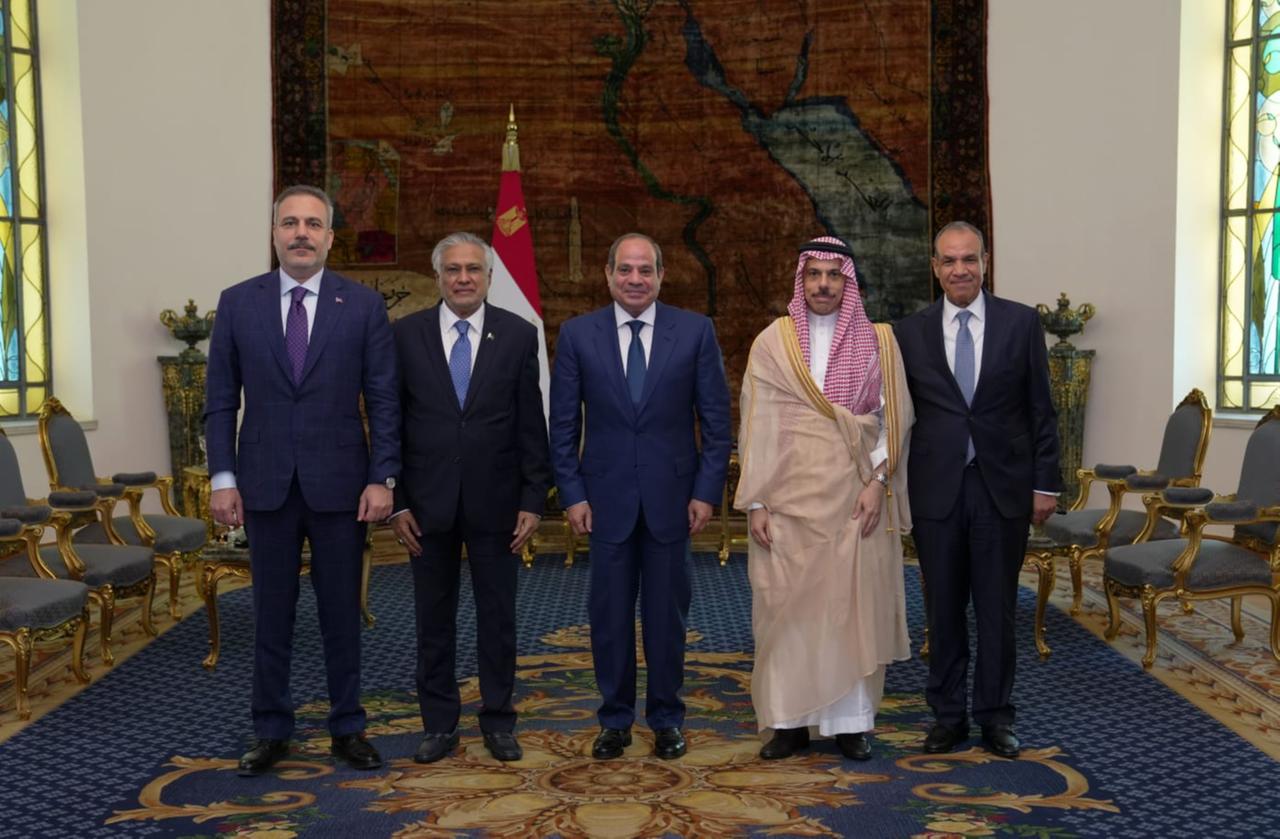

"On recent regional developments, the Ministers welcomed in particular the signing of the Islamabad Memorandum of Understanding (MoU) between the United States of America and the Islamic Republic of Iran on 18 June 2026," the statement said.
"They viewed this important development as a constructive step towards de-escalation and towards ending a conflict that posed significant risks to regional security and stability, as well as to energy markets, international maritime routes, global supply chains, and international trade," the joint statement noted.
The ministers commended the efforts of regional and international actors who contributed to facilitating the agreement and emphasized the importance of faithful implementation of the commitments made by the parties involved.
They specifically praised what the statement called the "instrumental efforts" of Pakistan in reaching the agreement, along with support from Qatar in bringing the negotiations to a successful conclusion.
The statement also commended Pakistan's continued close coordination with the four countries on the issue.
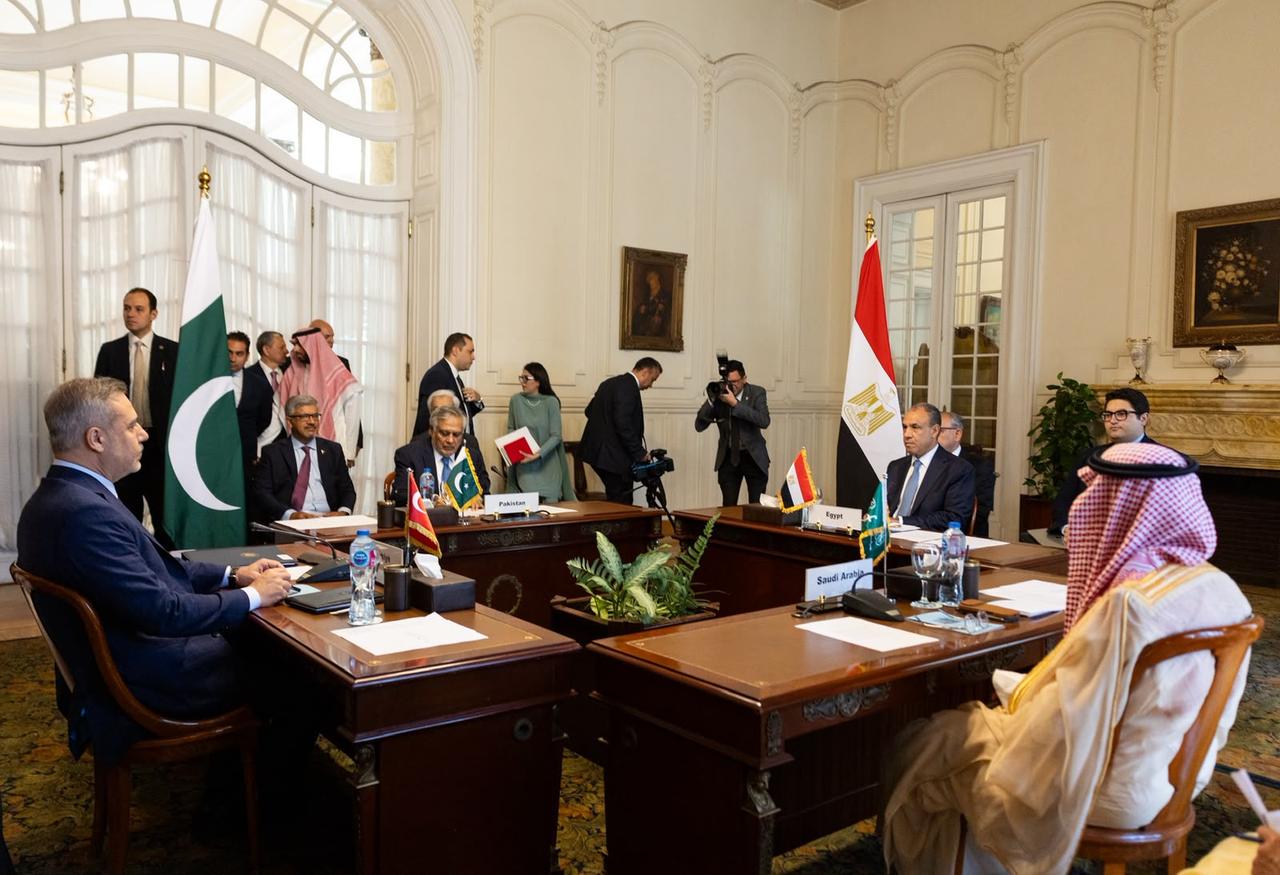
"Building on this positive momentum, particular emphasis was placed on the importance of achieving a swift and successful conclusion to the subsequent phase of negotiations, which aims to reach a lasting, verifiable, and mutually acceptable solution to the remaining issues," the statement said.
The ministers said such efforts should take into account the concerns of regional countries, "particularly about the security and stability of the Gulf Arab States, as well as the Levant region, with a view to strengthening collective security and promoting long-term regional stability."
Reaffirming what the statement described as the centrality of the Palestinian cause to achieving peace, security and stability in the Middle East, the ministers underscored that the Palestinian cause "remains at the heart of efforts to achieve a just, comprehensive, and lasting peace in the region and constitutes a central pillar for the realization of a stable and secure regional order."
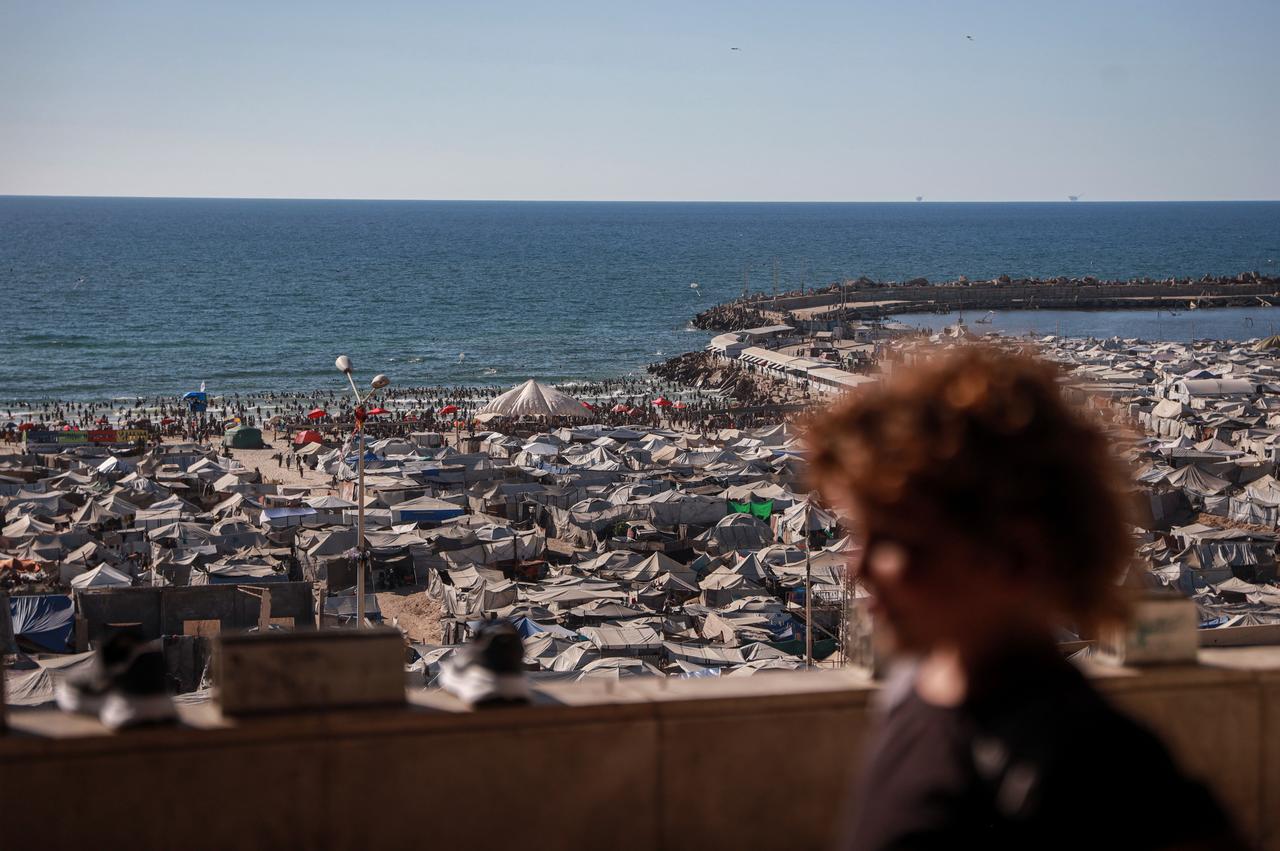
Particular attention was devoted to the humanitarian and political situation in the Gaza Strip, the West Bank and East Jerusalem under occupation.
The ministers reiterated their support for "the legitimate rights of the Palestinian people, including their right to self-determination and the establishment of an independent Palestinian State based on the 4 June 1967 lines, with East Jerusalem as its capital," describing this as "an indispensable foundation for achieving a just, comprehensive, and lasting peace in the region in accordance with the relevant United Nations' Security Council Resolutions."
Turkish Foreign Minister Hakan Fidan was received by Egyptian President Abdel Fattah el-Sisi in Cairo on Sunday on the occasion of the fourth meeting, Türkiye's Foreign Ministry said.
Fidan had also attended a separate regional meeting in Cairo on Saturday focused on Libya and other regional issues, alongside Egyptian Foreign Minister Badr Abdelatty, Saudi Foreign Minister Prince Faisal bin Farhan Al Saud, and Massad Boulos, the U.S. senior advisor for Arab and African affairs.
"Hakan Fidan participated in the meeting on regional issues, including Libya," the Turkish Foreign Ministry said in a statement.


 Set as preferred source
 Set as preferred source


 6 min read