Newsletters




The Cooperative Intelligent Transport Systems Project (K‑AUS), developed entirely with domestic technology, has officially commenced its pilot implementation on the 40-kilometer (24.8 miles) route between Hasdal Junction and Istanbul Airport, announced Minister of Transport and Infrastructure Abdulkadir Uraloglu.
The project, executed in collaboration with the Transport, Maritime and Communications Research Center (UDHAM), the General Directorate of Highways (KGM), and TURKSAT, aims to enhance road safety, optimize traffic flow, and reduce travel times through real-time communication between vehicles and infrastructure.
The K‑AUS system integrates advanced technologies, including 5G and fiber-optic infrastructure, cameras, lidar, radar, license plate recognition, and vehicle sensors, along with variable message signs and meteorological information systems.
These components allow for the instant detection of accidents, stopped vehicles, ice formation, obstacles, and lane closures, providing immediate notifications to drivers.
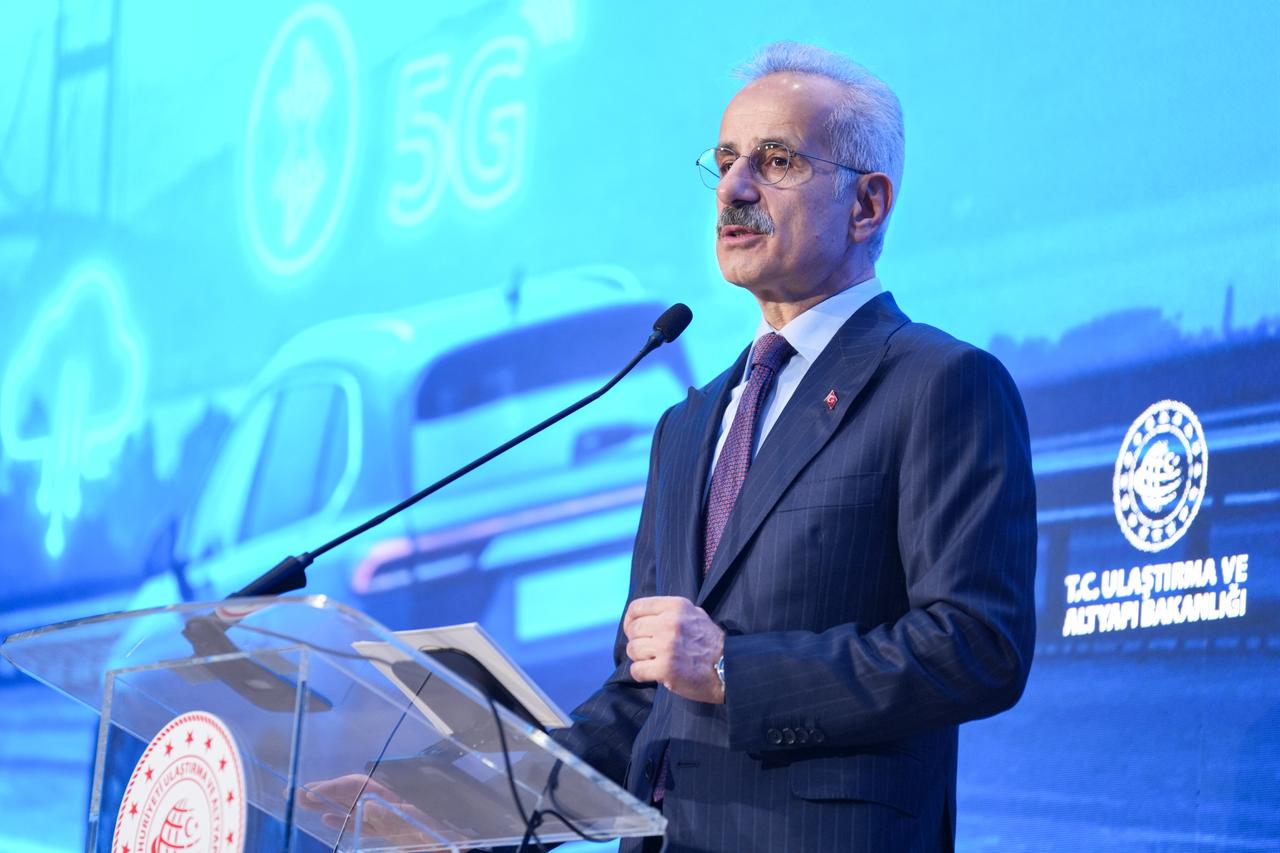

Minister Uraloglu emphasized, “This system enables real-time, location-specific information delivery to drivers, making travel safer, more comfortable, efficient, and environmentally friendly.
The Hasdal–Istanbul Airport corridor represents the first comprehensive field application of K‑AUS under real traffic conditions, marking a milestone in Türkiye’s domestic intelligent transport vision.”
The deployment of 5G base stations along the pilot corridor allows ultra-low latency and high-bandwidth data transmission, supporting rapid communication between vehicles and infrastructure (V2X).
The system’s central software platform consolidates all incoming data, while a mobile application ensures drivers have immediate access to notifications.
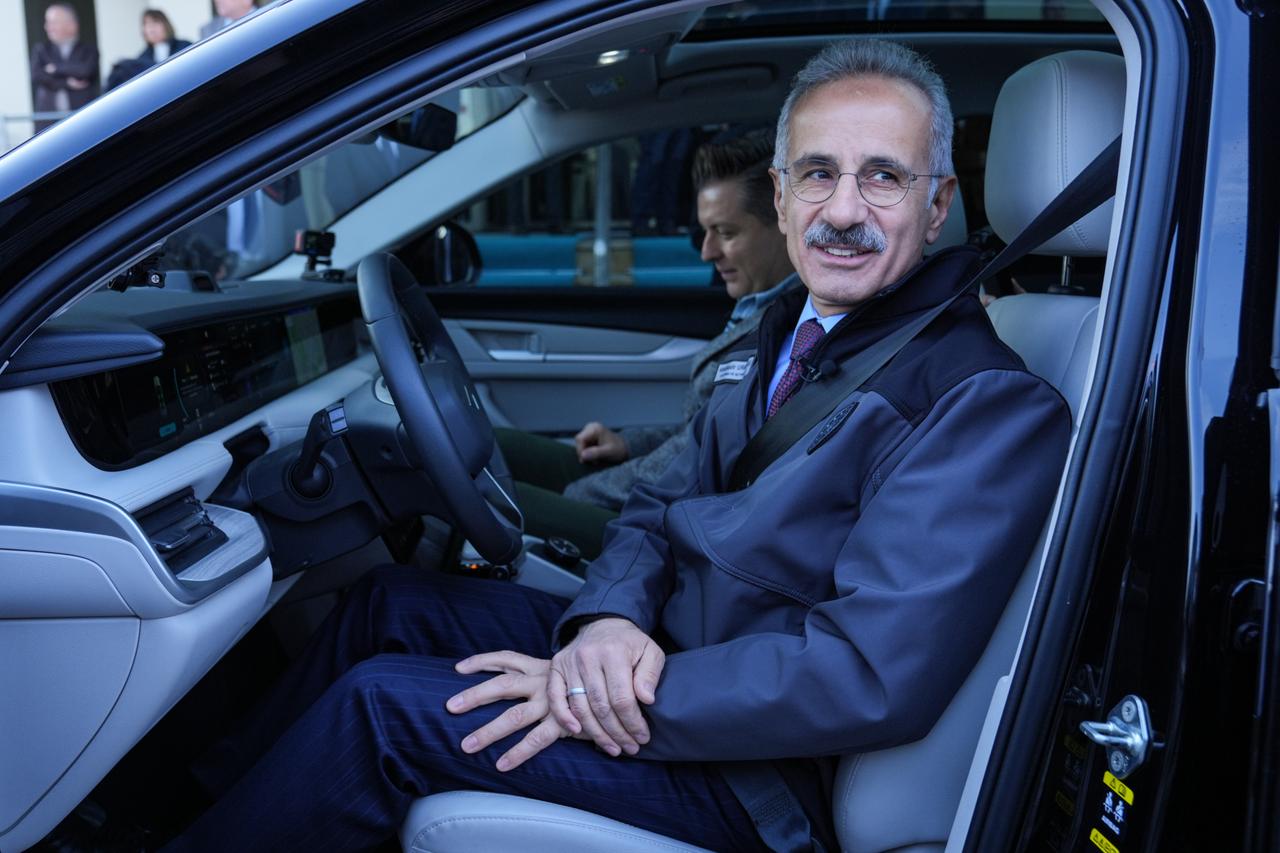
During the launch, Minister Uraloglu conducted a test drive with a Togg vehicle, demonstrating the system’s ability to manage real-time scenarios such as roadwork alerts, emergency vehicle passage, and hazards on the roadway.
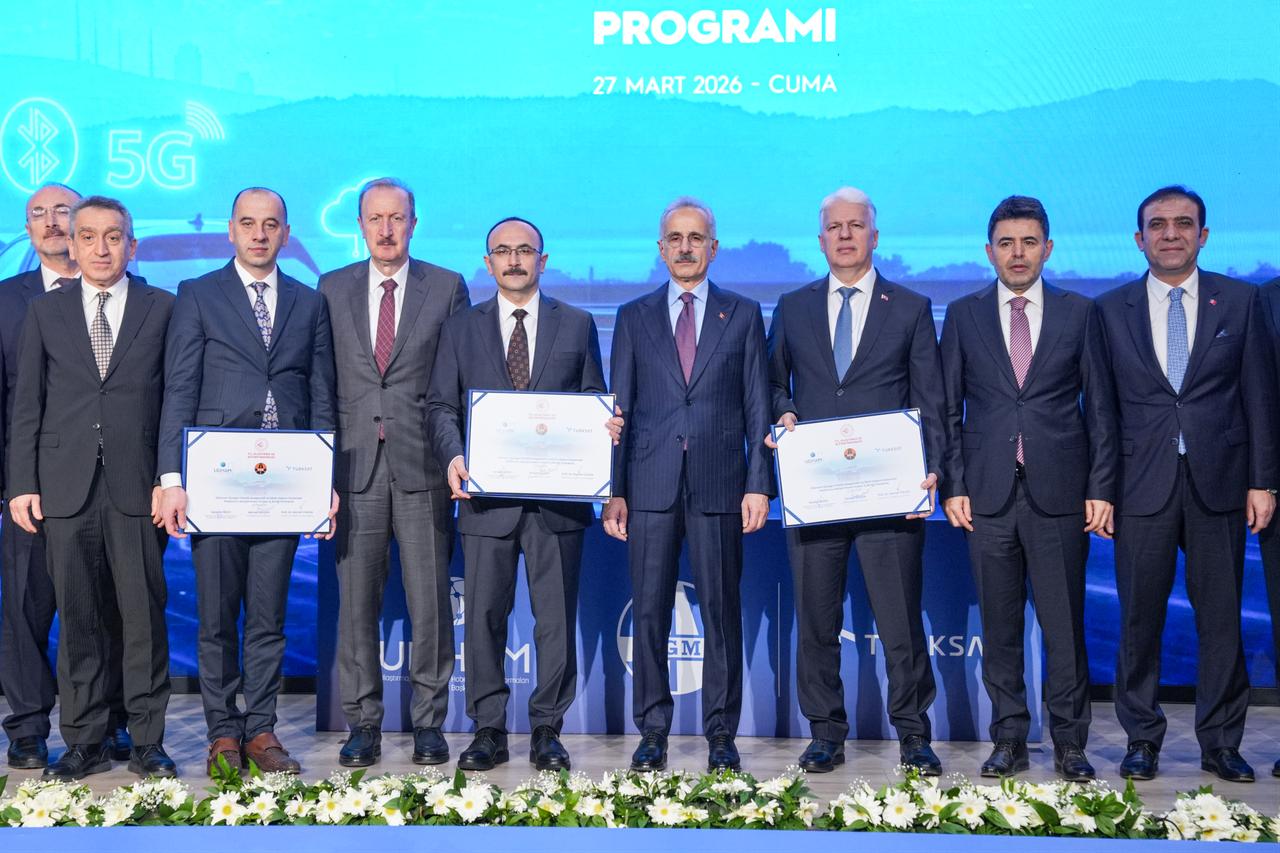
Following successful testing in Istanbul, the second phase of K‑AUS will be deployed on the Ankara Ring Road, covering 110 kilometers of main roads, connecting branches, and junctions. This phase will introduce advanced services, including:
Additional integration will include fuel and charging station payment systems, toll collection, and domestic navigation services, further enhancing operational efficiency under complex traffic conditions.
Minister Uraloglu also highlighted the significance of K‑AUS as a nationally developed, intelligent transport system, stating, “This project is more than a pilot; it is the cornerstone of Türkiye’s intelligent transportation strategy. By minimizing accidents, reducing traffic congestion, and cutting emissions, we are creating safer, stress-free travel for our citizens while contributing to the national economy.”


 Set as preferred source
 Set as preferred source


 2 min read