

 Newsletters


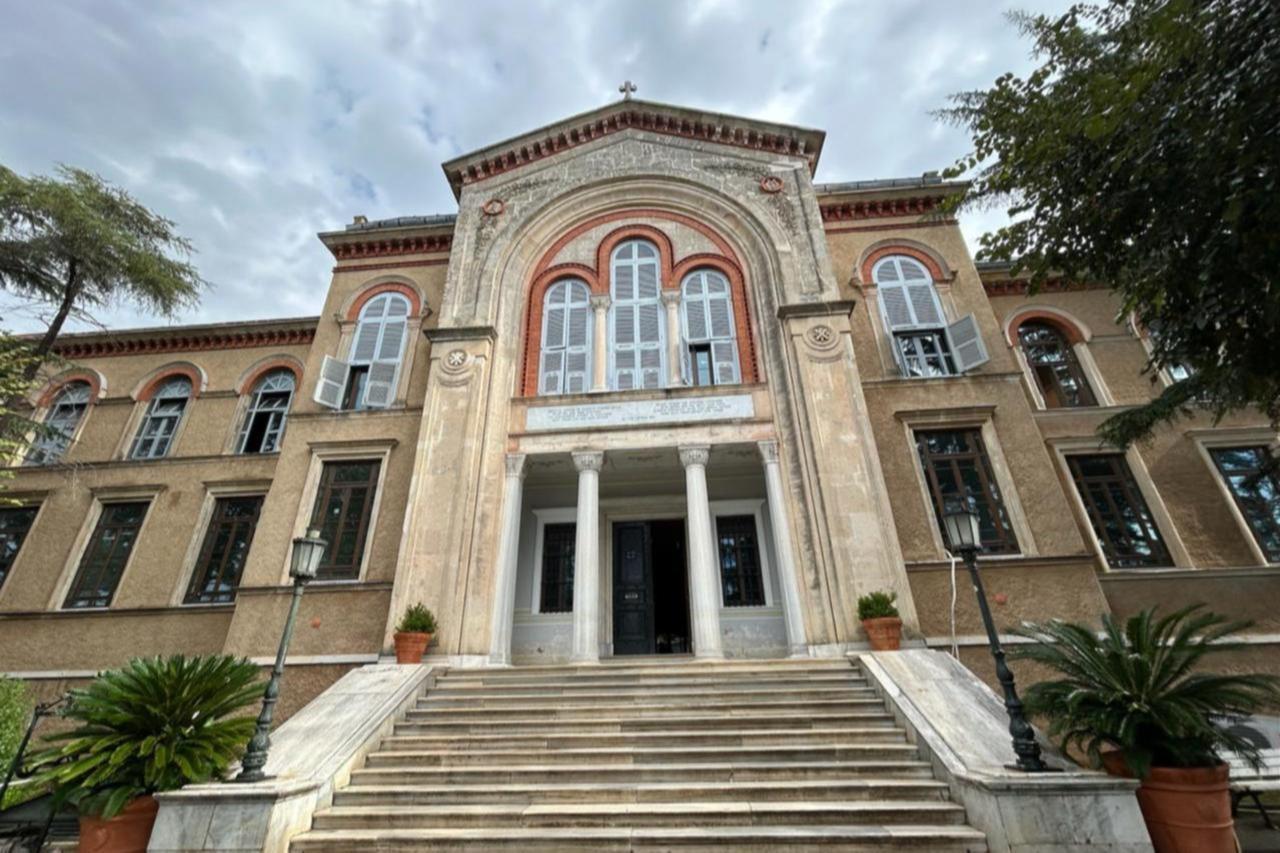


Türkiye is moving to reopen the Halki seminary, a Greek Orthodox theological school shuttered for more than half a century, transforming it into a university with a theology faculty capable of training Orthodox clergy for the first time since 1971.
The plan, driven in part by a desire to satisfy a longstanding demand from United States President Donald Trump ahead of his expected visit to Ankara for a NATO summit in July, comes as a gesture toward the Ecumenical Patriarchate in the modern Turkish republic's history.
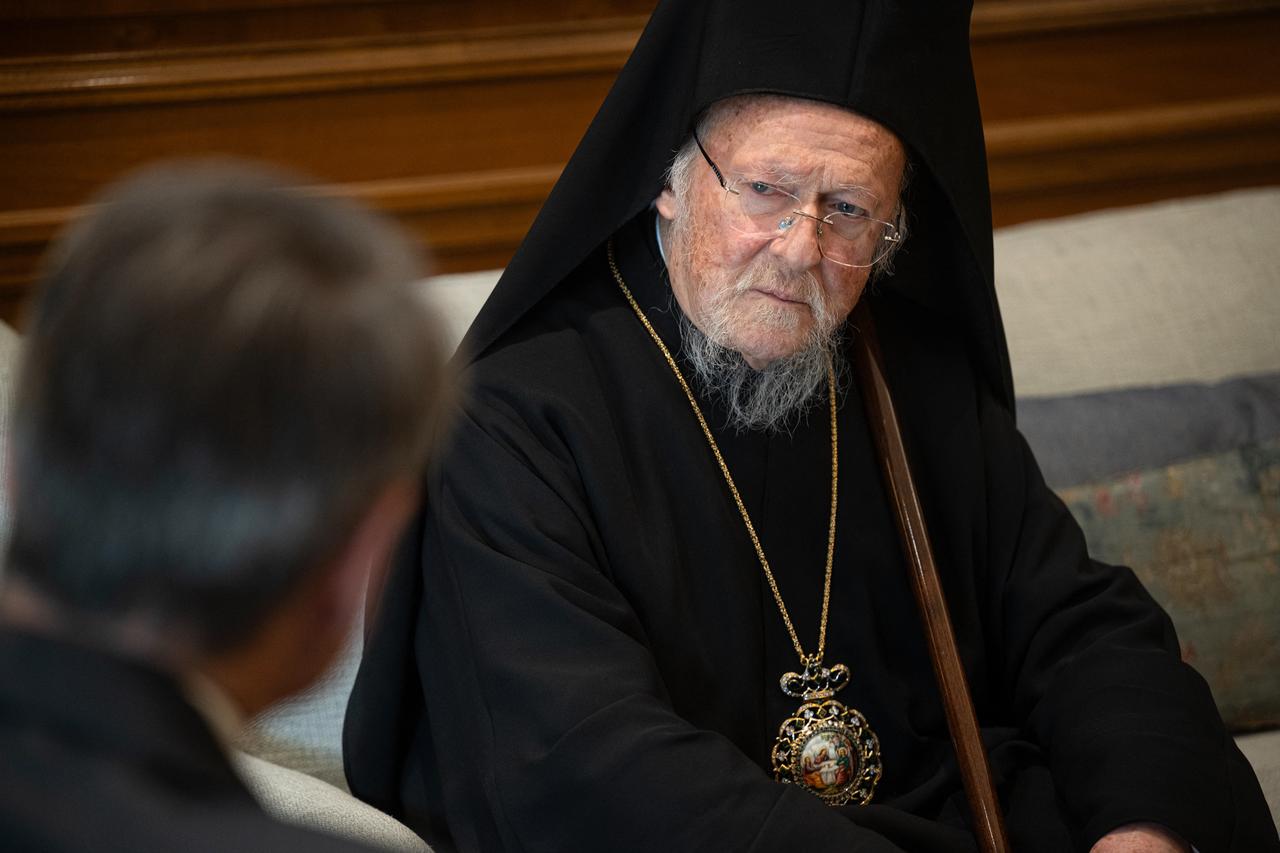
President Recep Tayyip Erdogan discussed the reopening with Ecumenical Patriarch Bartholomew I during a meeting in Ankara earlier this week, and agreed to move forward with the plan, according to Turkish media reports.
People familiar with the deliberations, who requested anonymity to discuss private negotiations, confirmed the broad outline of the plan, including its structure as a university supervised by Türkiye's Education Ministry.
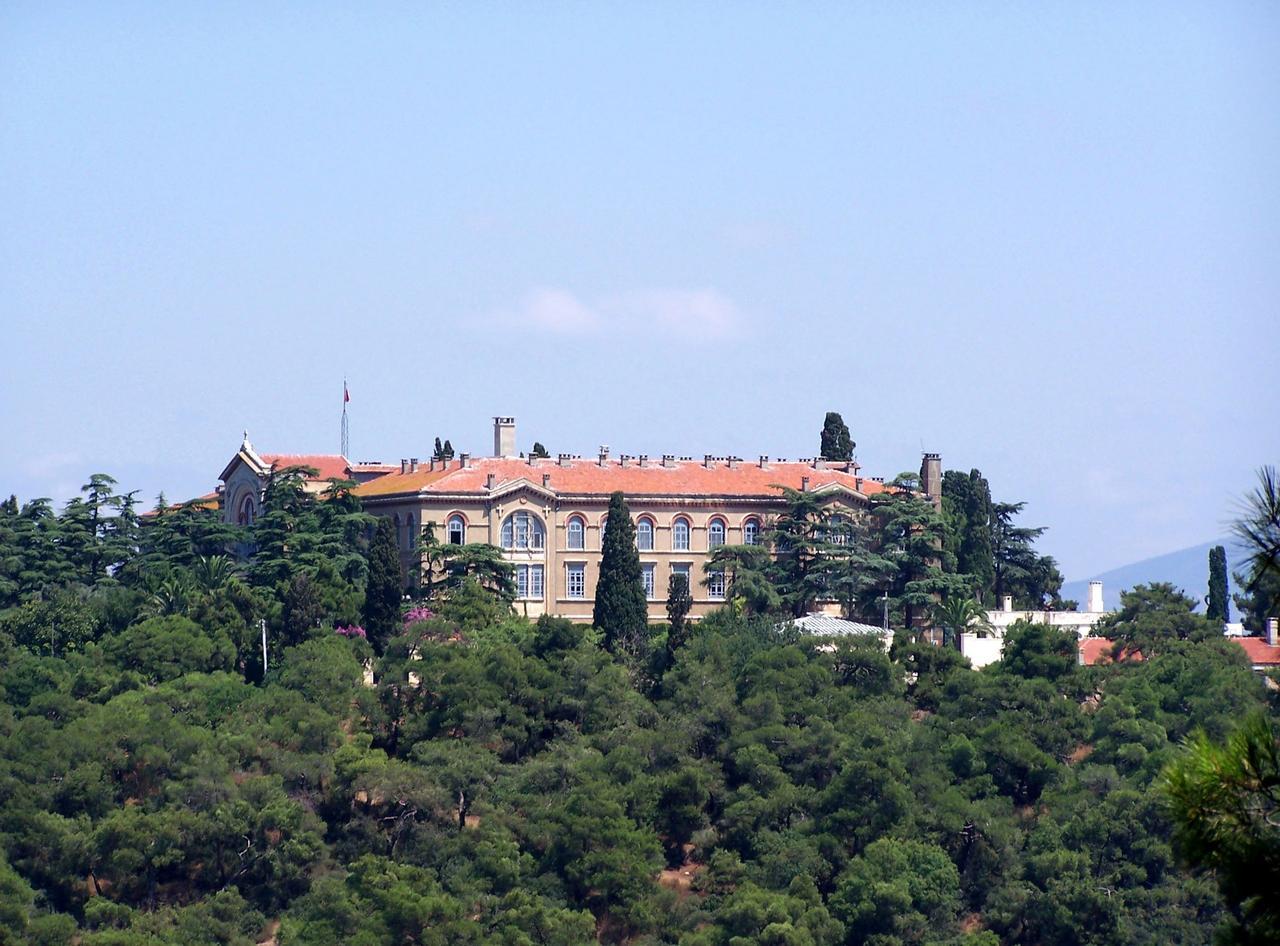

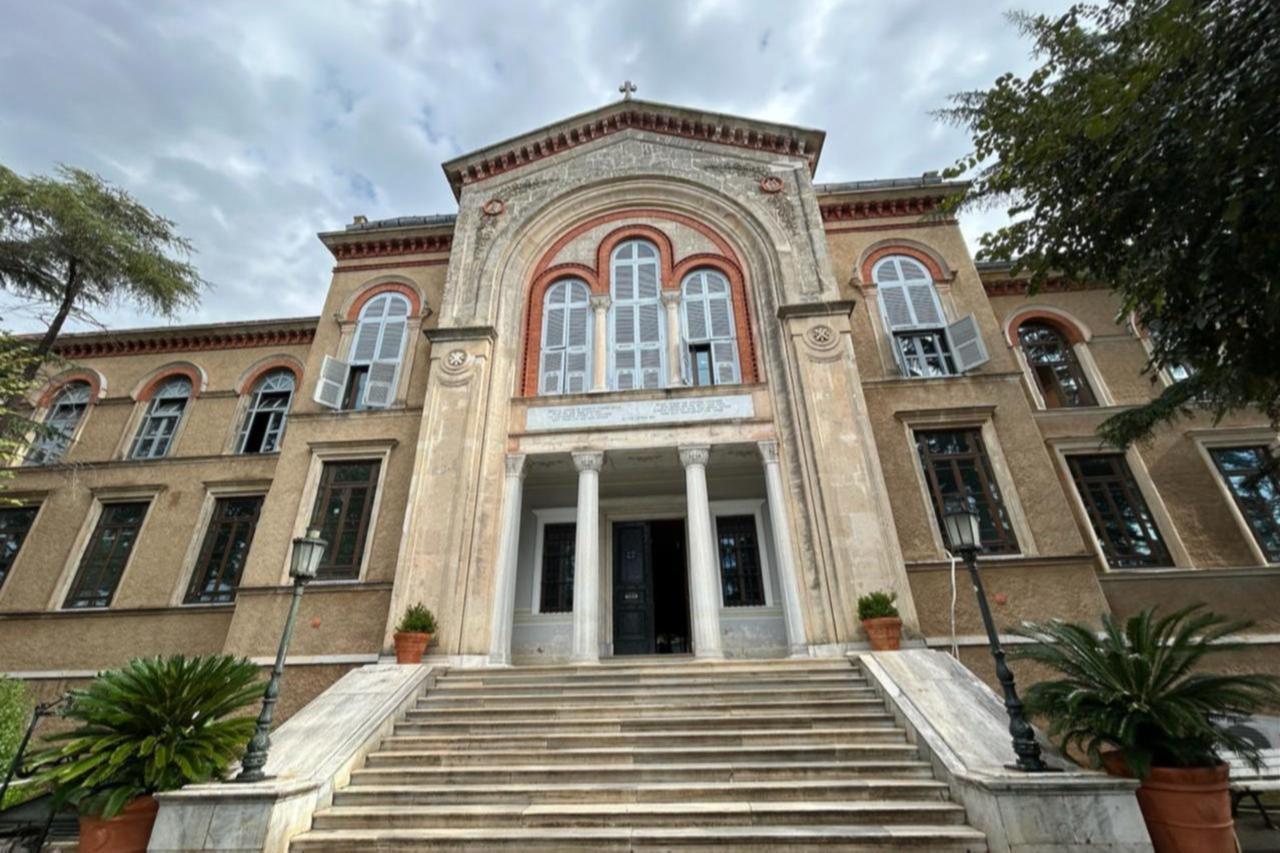
Perched atop a hill on the island of Heybeliada, historically known as Halki, in the Sea of Marmara roughly an hour by boat from Istanbul, the school was founded in 1844 by Ecumenical Patriarch Germanos IV on the grounds of a Byzantine-era monastery and became the primary institution for training Orthodox clergy worldwide.
Over 127 years of operation, it produced approximately 990 graduates, among them 12 Ecumenical Patriarchs, including Bartholomew I himself, as well as the heads of the churches of Alexandria, Antioch, Athens, and Albania.
In the 1950s, the school drew students from the Balkans, the Middle East, and beyond, cementing its identity as an institution of global Orthodoxy rather than a purely Greek national one.
Its closure came in 1971, when the Turkish parliament enacted legislation requiring all private institutions of higher education to operate under state university affiliation.
Though the seminary's higher education program ended then, a handful of remaining students continued until the last five graduated in 1985, a stoppage the Patriarchate has since described as a severe blow to its ability to sustain its hierarchy.
Because Turkish law also requires senior clergy to hold Turkish citizenship, the Patriarchate has been forced to send candidates abroad for training, losing generational continuity in the process.
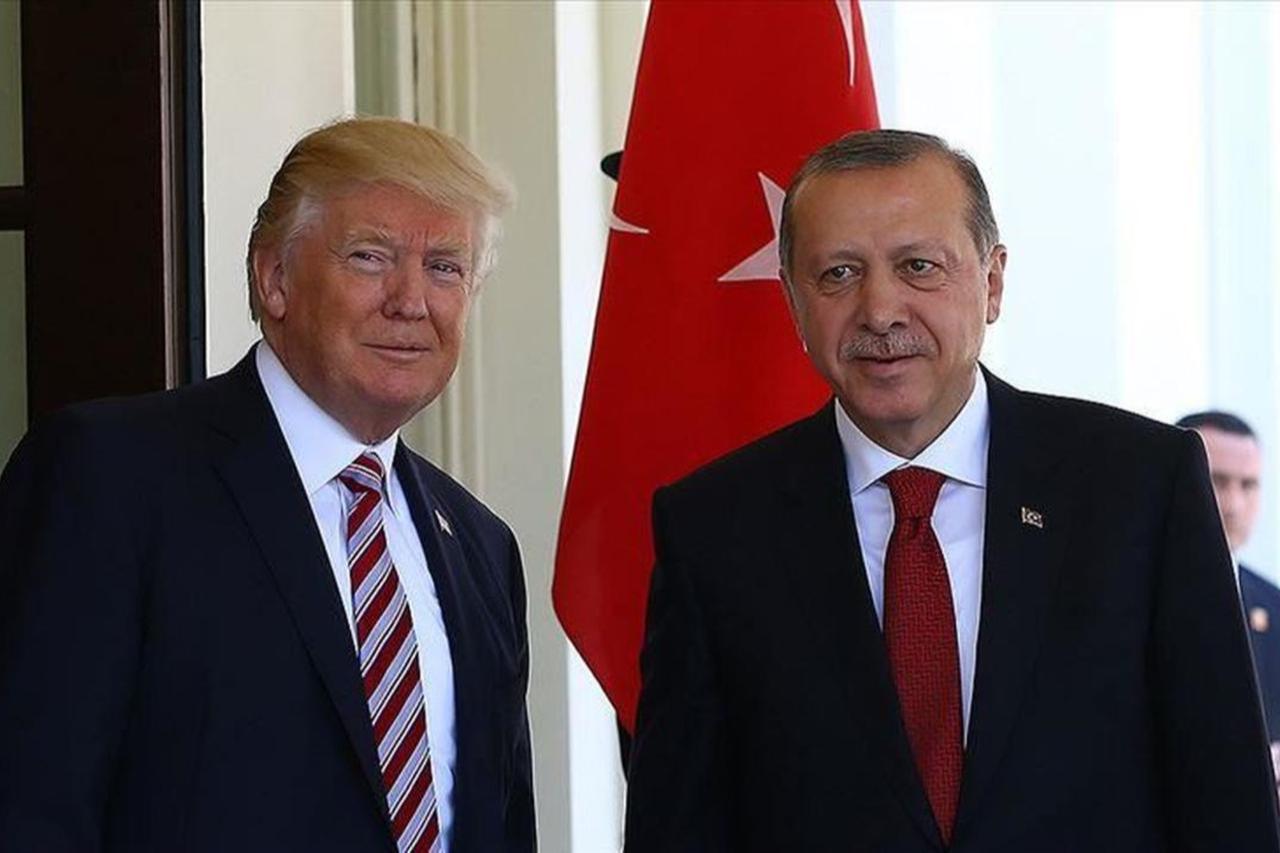
A decade-long US court case against Halkbank concluded this week, eliminating another long-running irritant between the two NATO allies, and Erdogan and Trump have built a notably closer personal rapport in recent months.
Trump raised the question of the seminary directly with Erdogan during a White House meeting last September, according to Tom Barrack, the US ambassador to Türkiye, and both Barrack and Bartholomew I had previously suggested the school could reopen by this coming September.
People familiar with the planning speaking to Bloomberg said, however, that preparations would likely not be finalized that quickly.
The Ecumenical Patriarchate, whose institutional roots trace to the Byzantine Empire and whose headquarters sit on Istanbul's Golden Horn, has long chafed under what it regards as restrictive oversight of its affairs.
Türkiye, for its part, has consistently defended its approach to religious governance, pointing out that Muslim clerics in the country are likewise trained and compensated through state structures.
 2 min read
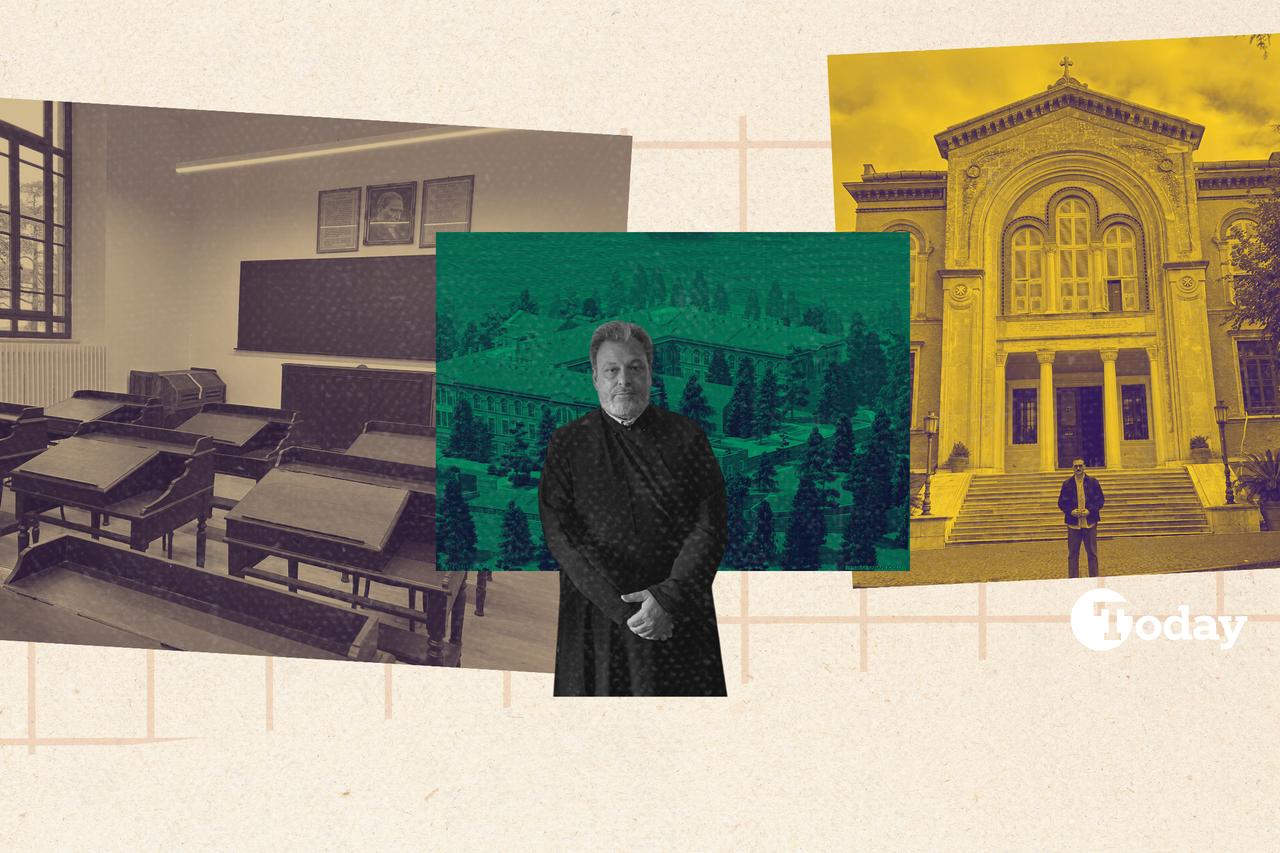
Under the terms of the emerging plan, the revived institution would operate as a university rather than as a freestanding seminary, a structure that allows Ankara to satisfy both international demands and its own constitutional framework governing private higher education.
Students would enter through Türkiye's national university placement system and the curriculum would fall under Education Ministry supervision.
For the Ecumenical Patriarchate, the administrative and spiritual center of Eastern Orthodoxy and the spiritual home for roughly 250 million Orthodox Christians worldwide, the reopening would be a symbolic and practical breakthrough.


 Set as preferred source
 Set as preferred source


 1 min read


