Newsletters


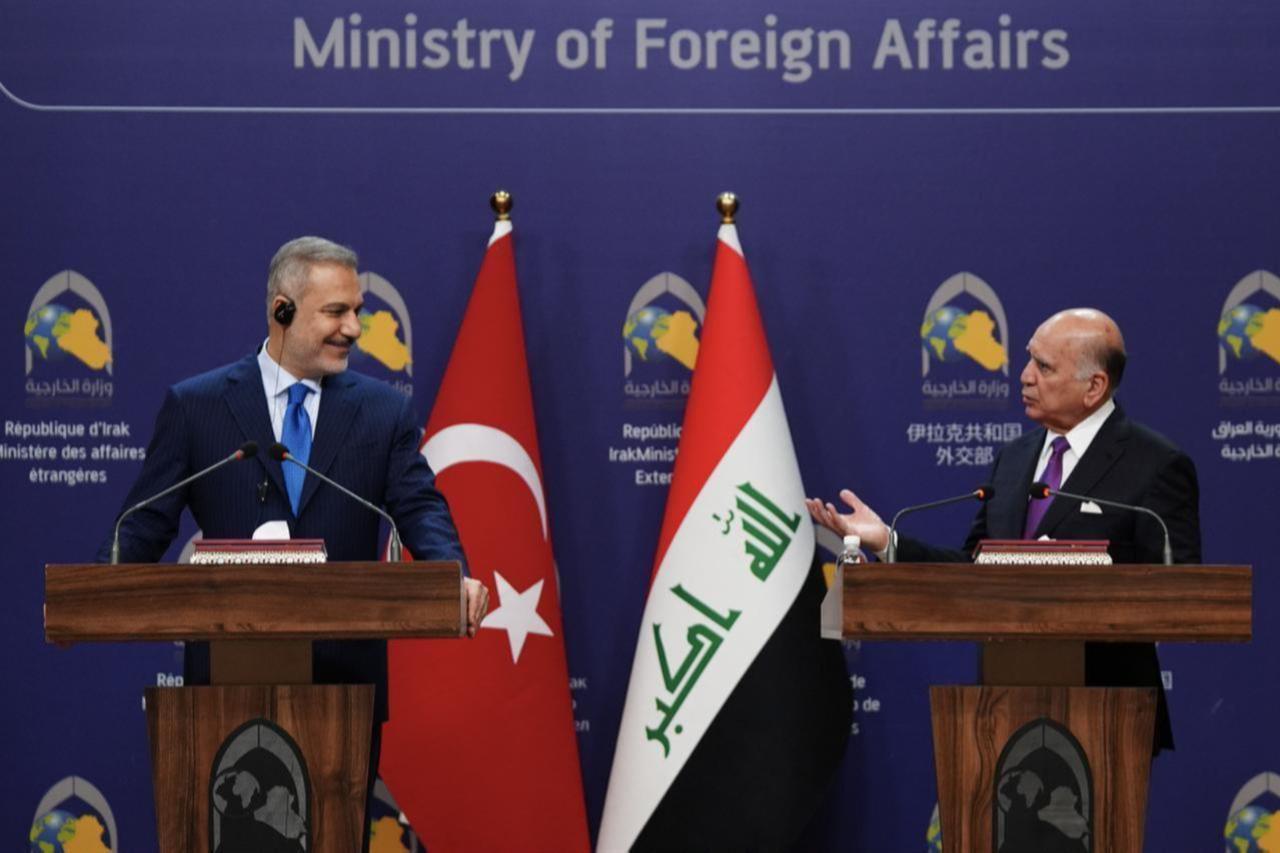


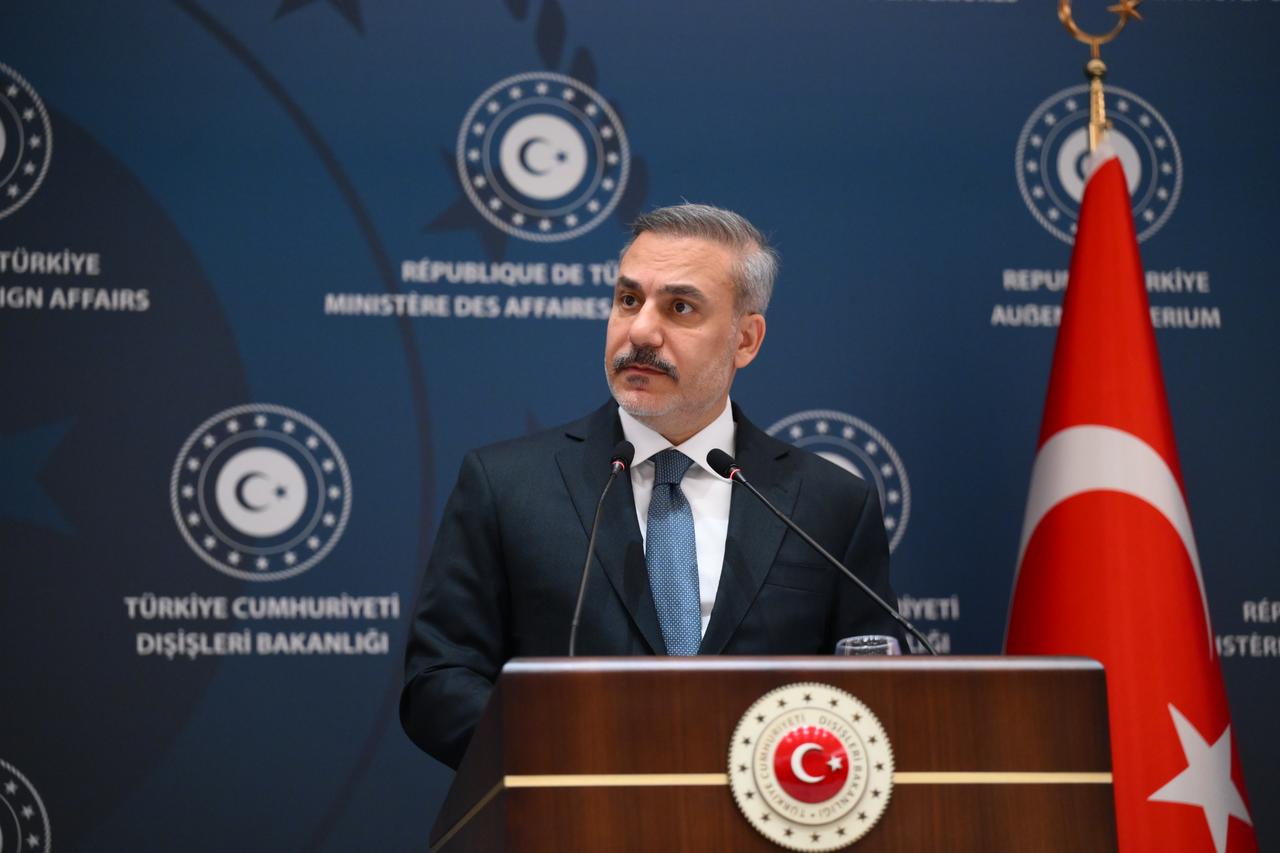
Türkiye's Foreign Ministry on Wednesday pushed back against what it called the distortion of Foreign Minister Hakan Fidan's recent remarks on Iraq by some Iraqi media organizations, rejecting accusations that his comments amounted to interference in Iraq's internal affairs.
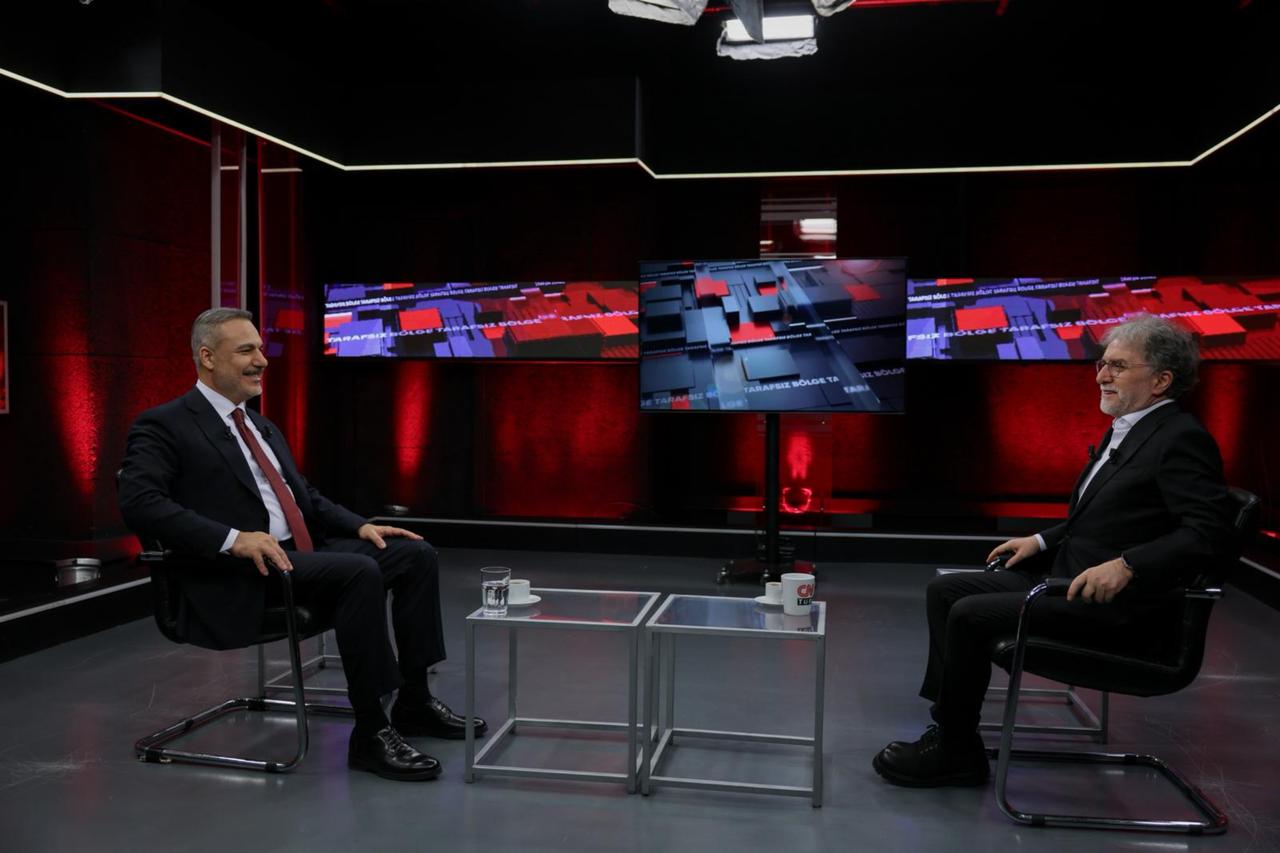
Ministry spokesperson Oncu Keceli said in a statement posted on the social media platform X that certain remarks Fidan made during a television interview on February 9 had been taken out of context by Iraqi media outlets and misrepresented as meddling in Iraqi domestic matters.
"We reject the distortion of our minister's statements by certain circles who stripped them of their context to claim interference in Iraq's internal affairs," Keceli said. "On this occasion, we reiterate Türkiye's support for the territorial integrity and sovereignty of our neighbor Iraq."
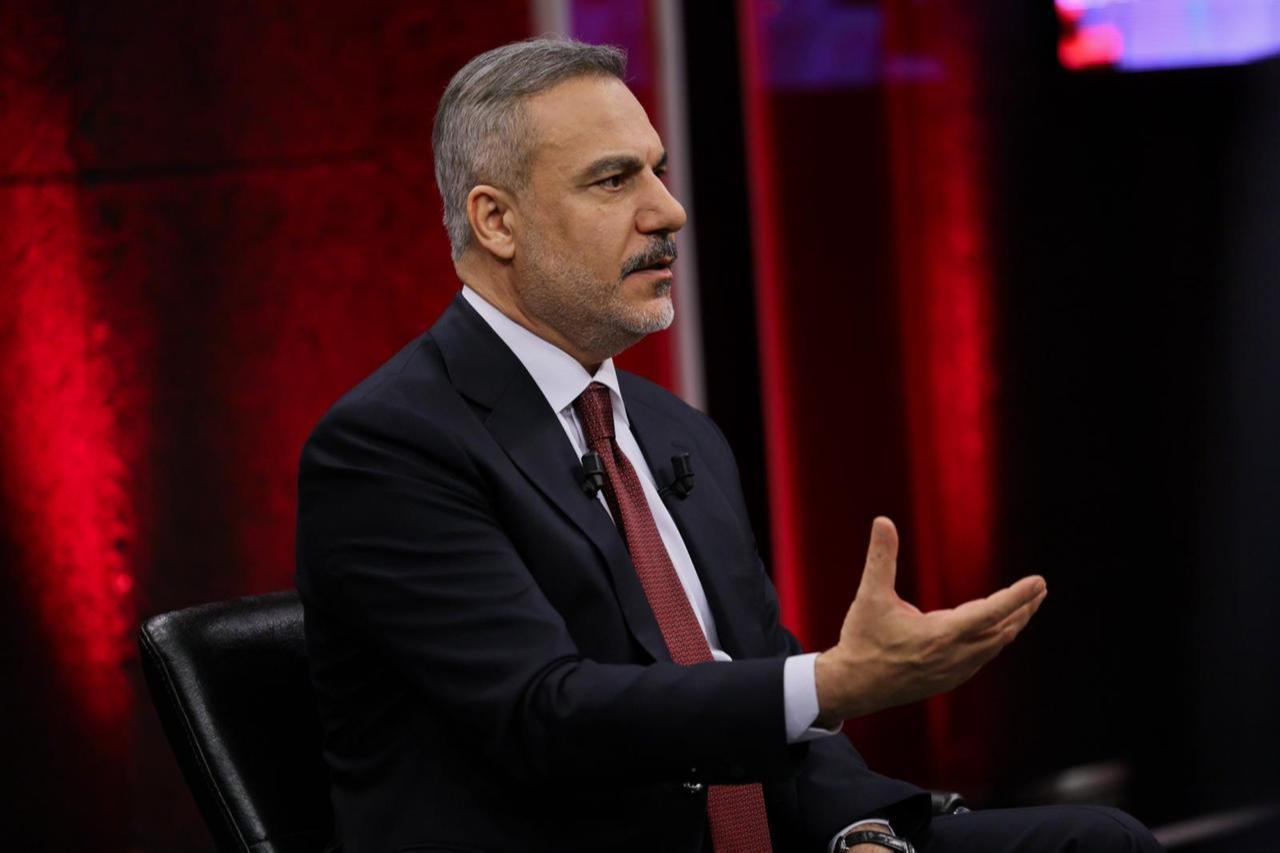

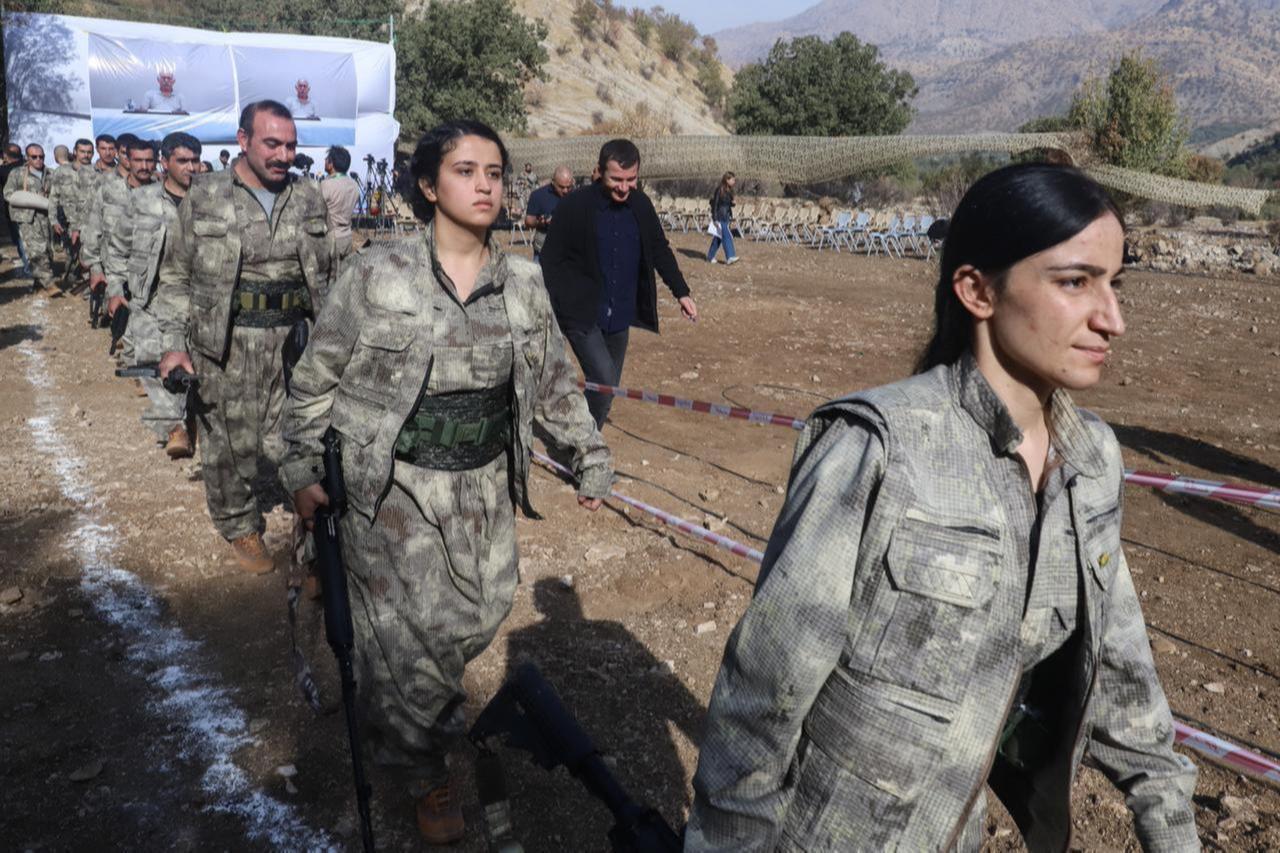
The controversy stems from a wide-ranging CNN Turk interview in which Fidan addressed the continued presence of the PKK, a designated a terrorist organization by Türkiye, the United States, and the European Union, in parts of Iraqi territory, including the Sinjar, Mahmur, and Kandil regions.
Keceli said Fidan's comments were aimed at drawing attention to the threat the PKK poses not only to Türkiye but also to Iraq's own territorial integrity and security. The spokesperson added that Ankara's goal is to further strengthen the "institutional, constructive, and productive cooperation" recently established with Baghdad across nearly every field, including security and counterterrorism.
Fidan had underscored the need for the PKK to be fully eliminated from Iraqi territory, just as Türkiye has pursued in Syria, and called for continued and deepening cooperation with the Iraqi government on the matter, according to Keceli.
In the Feb. 9 interview, Fidan spoke bluntly about what he characterized as Iraq's failure to confront the PKK's footprint on its own territory. "The PKK is an organization established against Türkiye, but it doesn't occupy any territory in Türkiye. In Iraq, by contrast, it occupies very large swaths of land," he said, adding: "The problem has become your problem more than mine. What kind of sovereign state are you that you allow this presence?"
Fidan said the Iraqi government would have to demonstrate a clear will on the PKK issue and that the group's structure in Sinjar "cannot and should not remain there." He described a potential military operation to clear Sinjar as straightforward, noting that the area is surrounded by Hashd al-Shaabi forces. "When Hashd al-Shaabi advances on the ground and we conduct air operations, it's a matter of two or three days. It's that simple a military operation," he said.
The foreign minister also questioned Baghdad's strategic calculus, noting that Iraq appeared to tolerate armed occupation of its own territory without treating it as a national security threat. "Six or seven years ago, it was directed against Türkiye. Now that dimension doesn't practically exist either," Fidan said, suggesting that domestic political balances within Iraq were a factor.
 1 min read
The PKK has maintained a presence in northern Iraq's mountainous terrain for decades, using the Kandil Mountains near the Iranian border as its primary base of operations. Sinjar, a district in Nineveh province home to the Yazidi minority, has been a particularly sensitive flashpoint, with multiple armed factions, including PKK-affiliated groups and Iranian-backed Hashd al-Shaabi paramilitaries, vying for influence since the defeat of the Islamic State group there.
Türkiye has conducted numerous cross-border military operations in northern Iraq over the years, a source of recurring tension with Baghdad, which has at times protested the incursions as violations of its sovereignty.
Keceli's statement appeared calibrated to defuse the diplomatic fallout while maintaining Ankara's core message: that the PKK's presence in Iraq is unsustainable and that cooperation with Baghdad to address it must intensify. By publicly reaffirming support for Iraq's territorial integrity and sovereignty, Türkiye signaled that it views the issue as a shared security concern rather than grounds for confrontation with its neighbor.


 Set as preferred source
 Set as preferred source


 1 min read