Newsletters


Türkiye and Spain signed a historic defense agreement at Airbus facilities in Getafe, Madrid, on Tuesday for the export of the Turkish Aerospace Industries (TAI)-built Hurjet national jet trainer to the Spanish Air and Space Force.
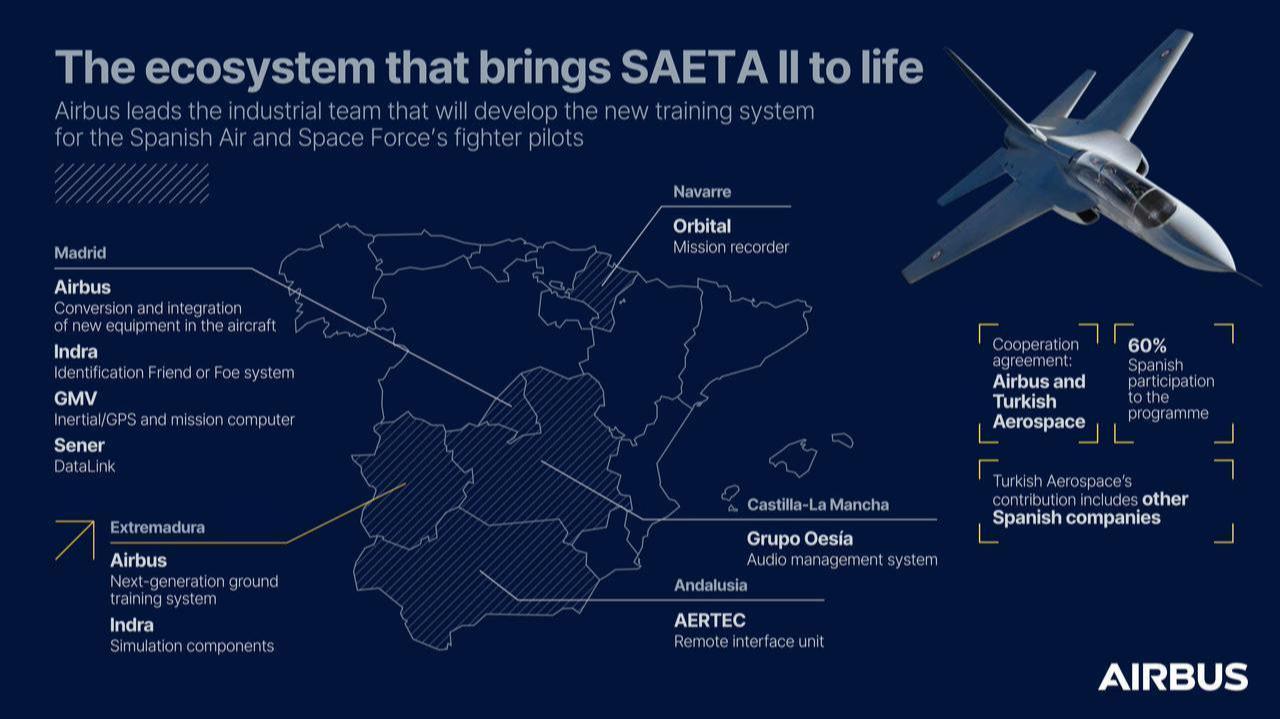
Thirty aircraft designated as SAETA II will replace Spain's aging F-5 fleet. The total program is valued at approximately €2.6 billion ($3.04B), with Airbus serving as prime contractor in a co-development model that includes 60% Spanish industry participation and deliveries scheduled between 2031 and 2035.
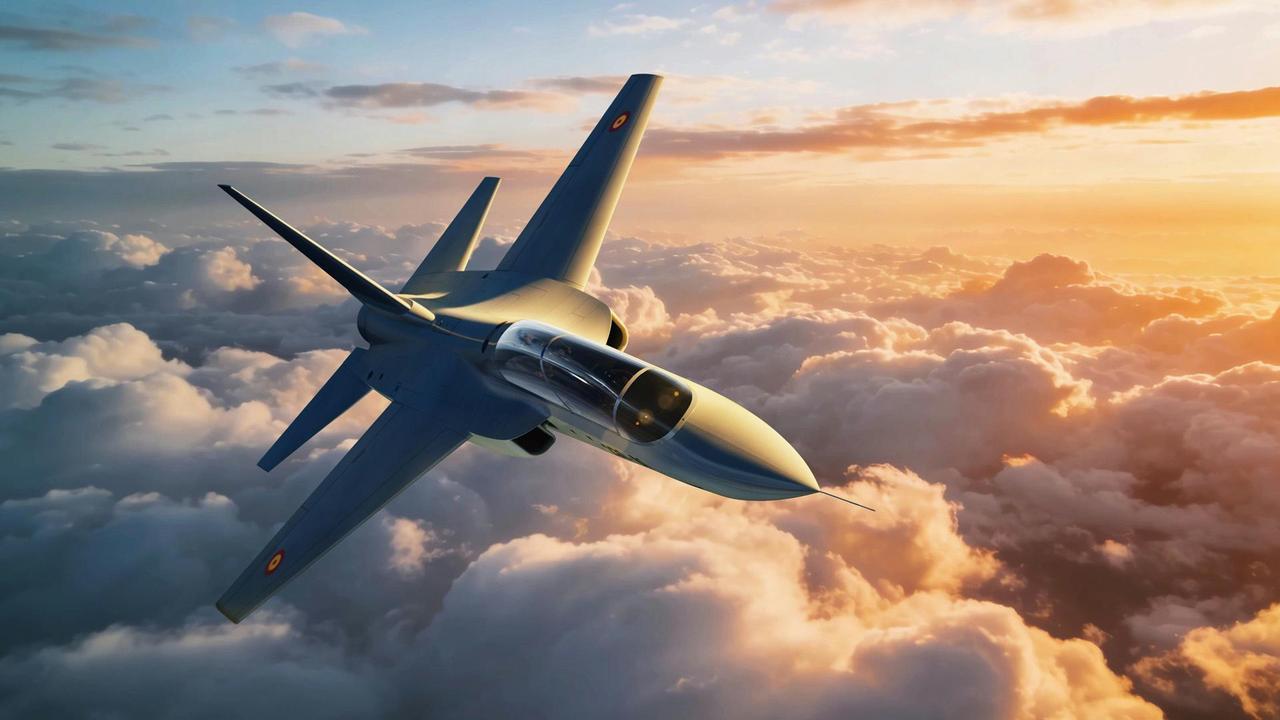

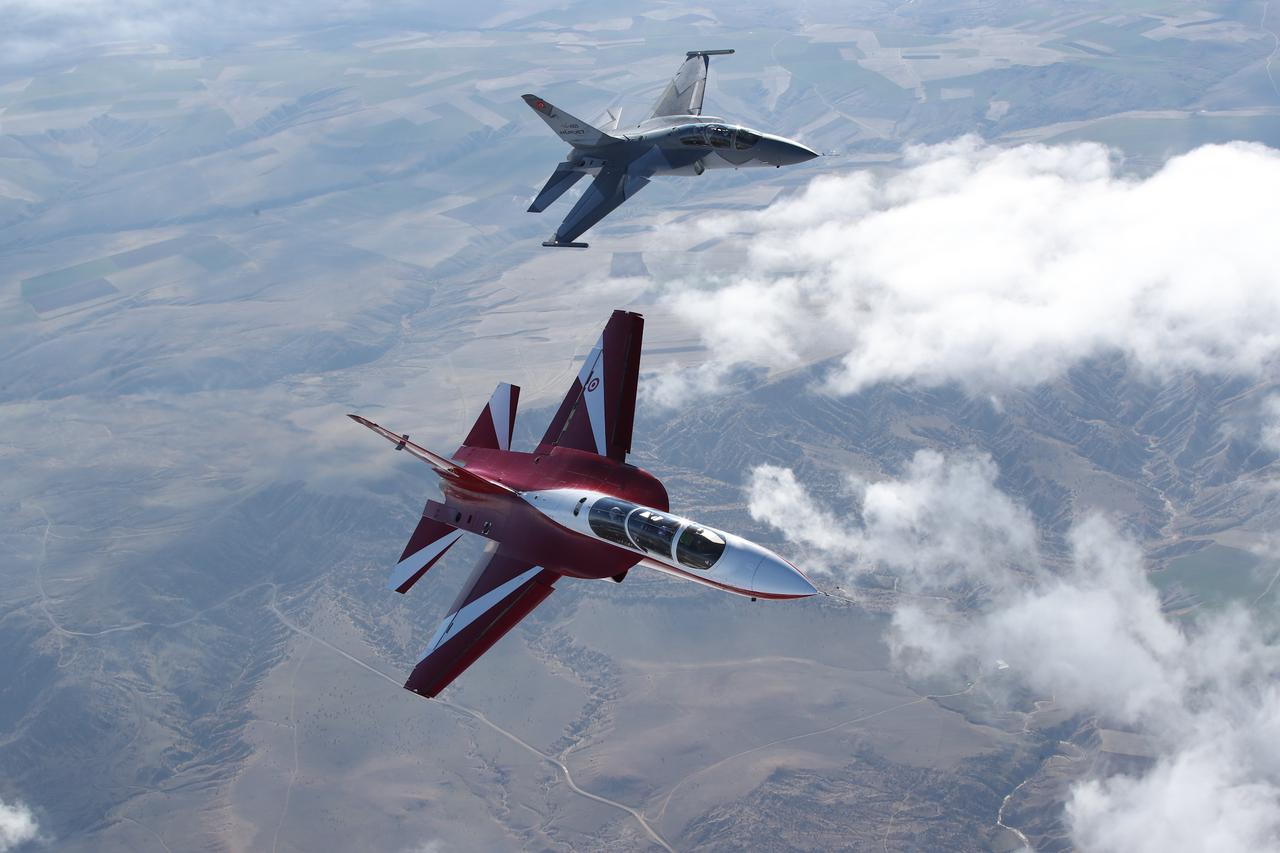
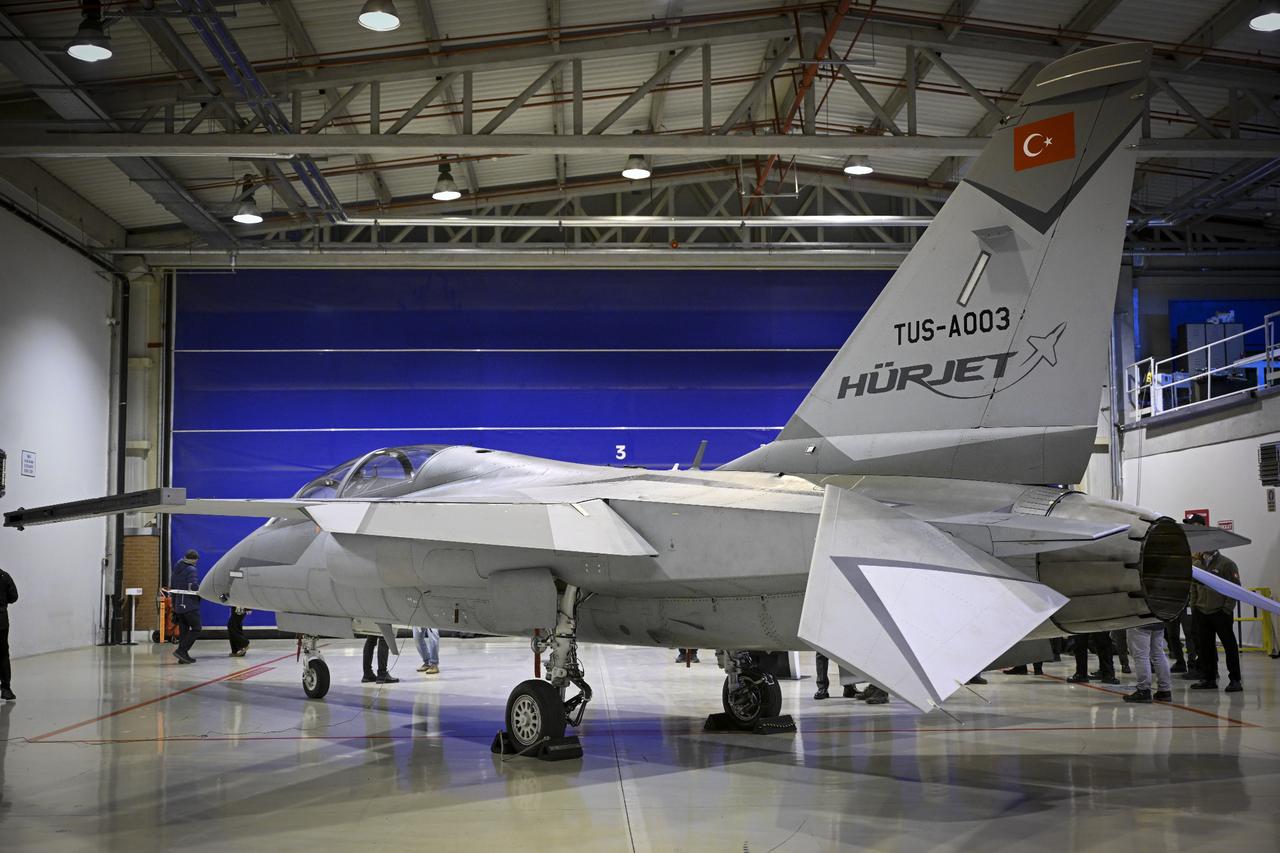
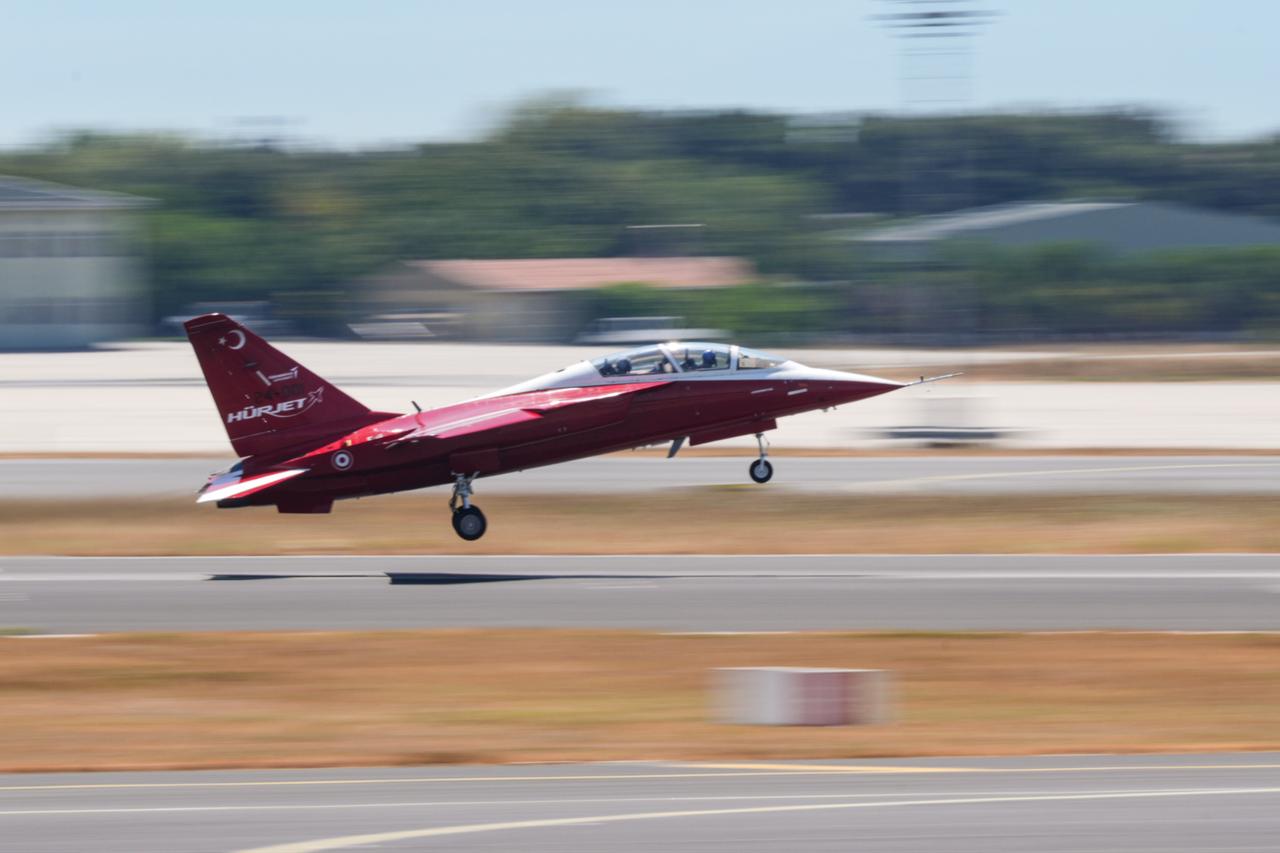
The program covers 30 supersonic jet trainers, designated 'SAETA II' in Spain, which are derived from TAI’s Hürjet platform.
The package includes an integrated combat training system, simulation infrastructure, maintenance, and long-term logistics support.
Airbus leads the consortium of Spanish companies, including Indra, GMV, Sener, Aertec, Grupo Oesía, Orbital, and ITP, as the prime contractor, while TAI is the aircraft manufacturer. The Spanish industry's participation stands at 60%.
Deliveries are structured in two phases. An initial batch of 21 aircraft will begin delivery from 2028, with training entering service in 2029-2030.
All 30 aircraft, converted to the Spanish SAETA II standard, along with the ground training system, will be delivered between 2031 and 2035. Airbus will also redesign the Fighter and Strike School Training Center at Talavera la Real Air Base in Extremadura.
The program will generate approximately 2,500 jobs.
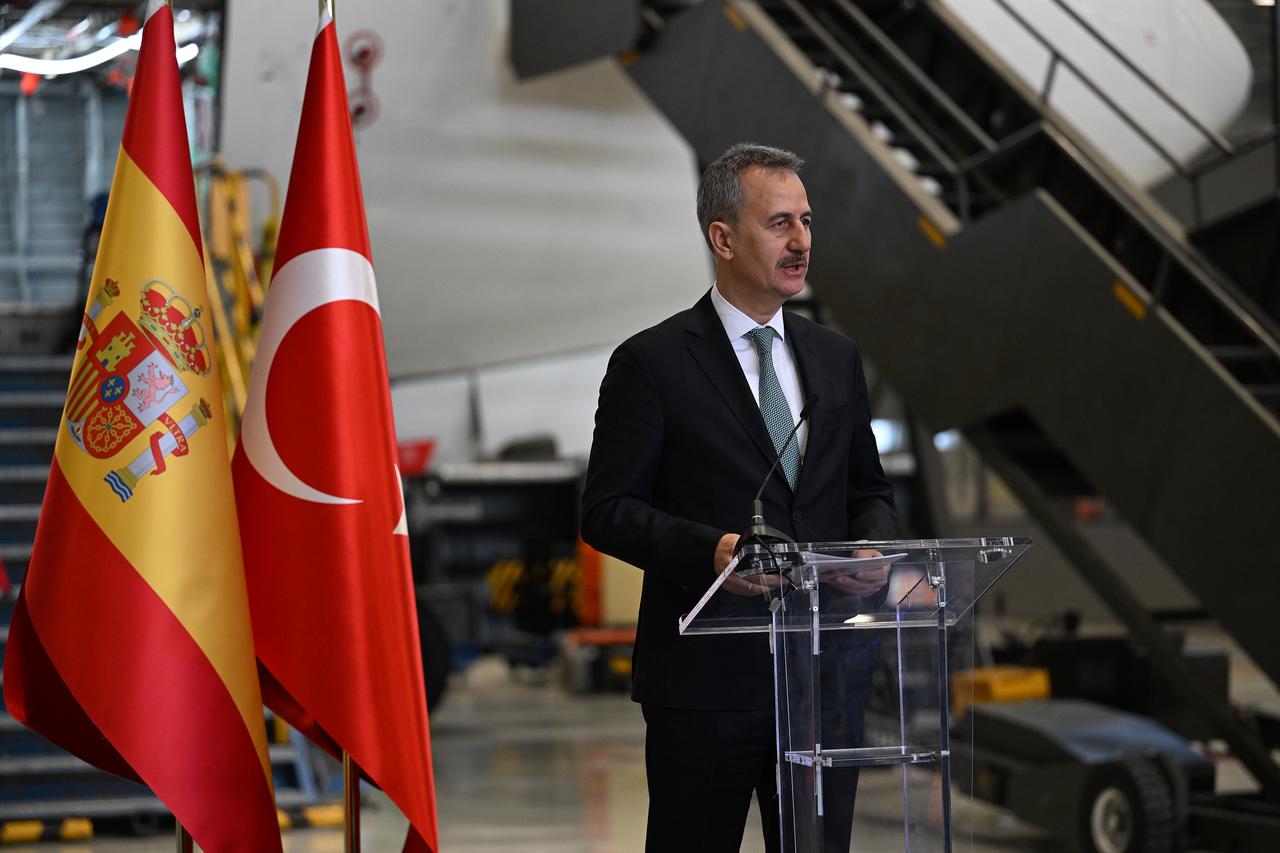
Secretary of Turkish Defence Industries Haluk Gorgun said that this is "not an end but a beginning."
"We find it meaningful that this cooperation sets an example for NATO allies and that it could be marketed to other countries and third nations, paving the way for joint development of next-generation products," he added.
He described the program as going beyond a classic procurement model, representing "real co-production and co-development," with some portions built in Türkiye and others in Spain, and the local Spanish industry contributing to both.
Spanish Defense Ministry State Secretary Maria Amparo Valcarce Garcia said, "Türkiye's participation in this project is indispensable for us and inspires confidence."
"This agreement, based on mutual trust, respect and progress, consolidates our strategic partnership and is the result of our inseparable cooperation and shared visions. It will have returns for both parties and will provide a stronger foundation for our alliance," she noted.
She said the SAETA II would "strengthen our strategic autonomy by allowing us to design, integrate and evolve our own capabilities, reducing critical dependencies" and described the program as key to Spain's defense spending reaching 2% of GDP.
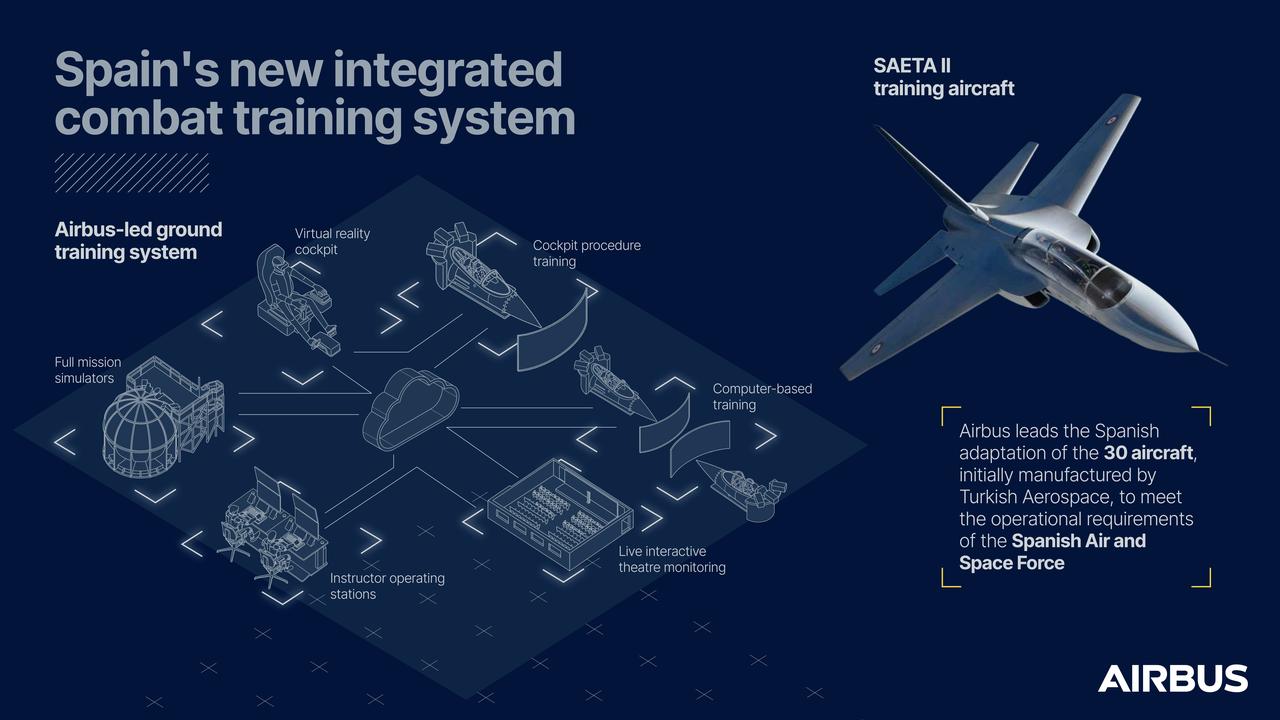
Head of Air Power at Airbus Defense and Space, Jean Brice Dumont, said Hurjet aircraft would begin arriving in 2028, enter training courses in 2029-2030, and that 30 aircraft would be in inventory between 2030 and 2035.
He said the project was "not a turnkey aircraft deal" but one with extensive development potential.
Hurjet's performance specifications include a top speed of Mach 1.2-1.4 (supersonic), a service ceiling of approximately 45,000 feet, and a length of 13.7 meters.
The cooperation originated from an industrial cooperation memorandum between TAI, Airbus, and Spanish defense companies in May 2025, followed by a formal agreement at IDEF 2025 that defined responsibilities and the management model. Government-to-government approvals and final sale contracts followed, culminating in Tuesday's ceremony.


 Set as preferred source
 Set as preferred source


 1 min read
 1 min read