Newsletters


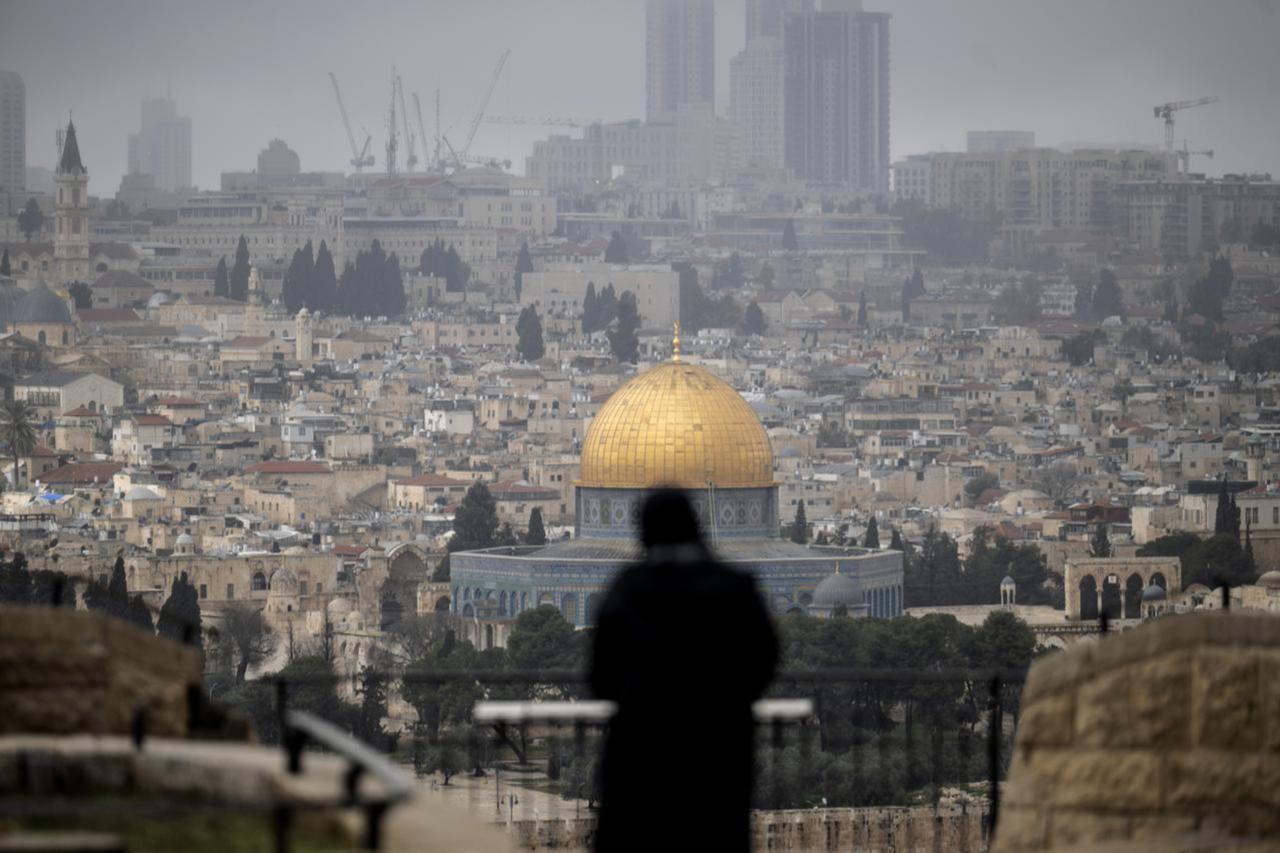


The foreign ministers of the United Arab Emirates, Jordan, Egypt, Türkiye, Indonesia, Pakistan, Saudi Arabia, and Qatar issued a joint statement Thursday condemning what they described as repeated Israeli violations of the historical and legal status quo at Islamic and Christian holy sites in Jerusalem, warning that ongoing provocations at Al-Aqsa Mosque threatened regional stability and the prospects for a Palestinian state.
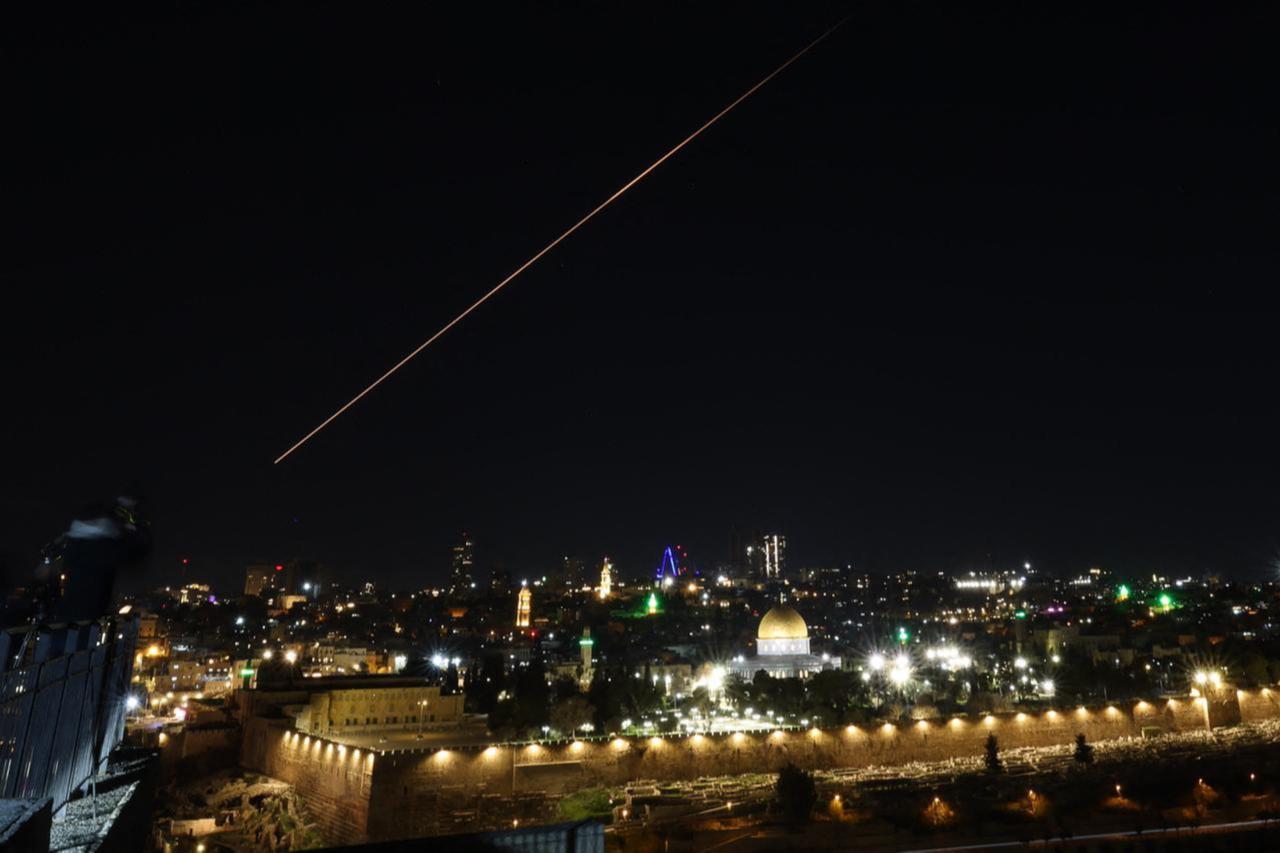
The statement, issued by the UAE Ministry of Foreign Affairs, came in response to what the ministers called persistent settler incursions into Al-Aqsa Mosque and Al-Haram Al-Sharif, carried out under Israeli police escort and accompanied by the presence of Israeli ministers and settlers raising the Israeli flag within the compound.
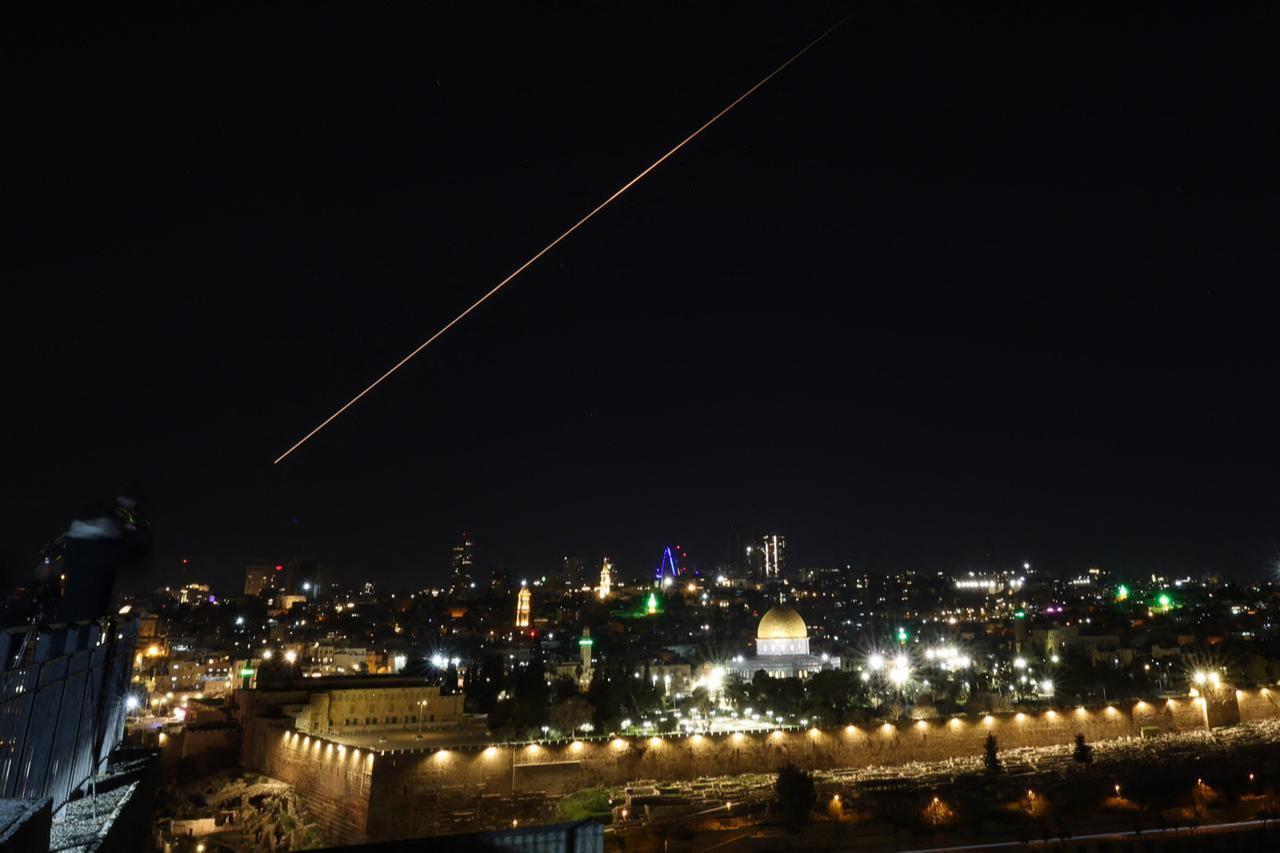

The eight governments said the actions at Al-Aqsa constituted "a blatant violation of international law and international humanitarian law," describing them as unacceptable to Muslims around the world and a threat to the safety of the holy city.
They condemned any attempt to alter the historical, legal, and religious character of Jerusalem's Islamic and Christian sacred sites, and reaffirmed the special role of the Hashemite custodianship, held by Jordan's royal family, over the holy sites.
The ministers were unambiguous on the question of jurisdiction: Al-Aqsa Mosque, they stated, encompasses a total area of 144 dunams, all of which falls under the exclusive legal authority of the Jordanian Ministry of Awqaf and Islamic Affairs and Palestinian Affairs, which holds sole responsibility for managing and regulating access to the compound.
The Hashemite custodianship over Jerusalem's holy sites, established by a 1994 peace treaty between Jordan and Israel, has long been a central point of contention as settler activity around the mosque has intensified in recent years.
Beyond Al-Aqsa, the joint statement took aim at Israel's broader conduct in the occupied West Bank. The ministers condemned Israeli settlement activity as illegal, citing more than 30 newly established settlement outposts, and declared it a clear breach of international law, UN Security Council resolutions, and the International Court of Justice's 2024 advisory opinion on the West Bank.
The ICJ's opinion, issued in 2024, found Israel's continued presence in the occupied Palestinian territories to be unlawful and called for its withdrawal.
The ministers also condemned what they described as recent Israeli attacks on Palestinian schools and children in the West Bank, and rejected any Israeli claims to sovereignty over Palestinian land. They called on Israel to comply with the ICJ's findings and recognize Palestinian rights as established in that ruling.
The joint statement said the ongoing Israeli measures constituted a direct threat to the viability of a future Palestinian state and were eroding efforts to reach a negotiated peace.
The ministers called on Israel to "assume its legal and moral responsibilities," cease dangerous escalation in the occupied West Bank, and put an end to its illegal practices.
They urged the international community to take "clear and decisive steps" to halt the violations and to mobilize all regional and international efforts toward a comprehensive political solution, one that would achieve a just peace, restore Palestinian rights as affirmed by the ICJ, and establish a Palestinian state on the borders of June 4, 1967, with East Jerusalem as its capital.


 Set as preferred source
 Set as preferred source


 1 min read
 1 min read