Newsletters





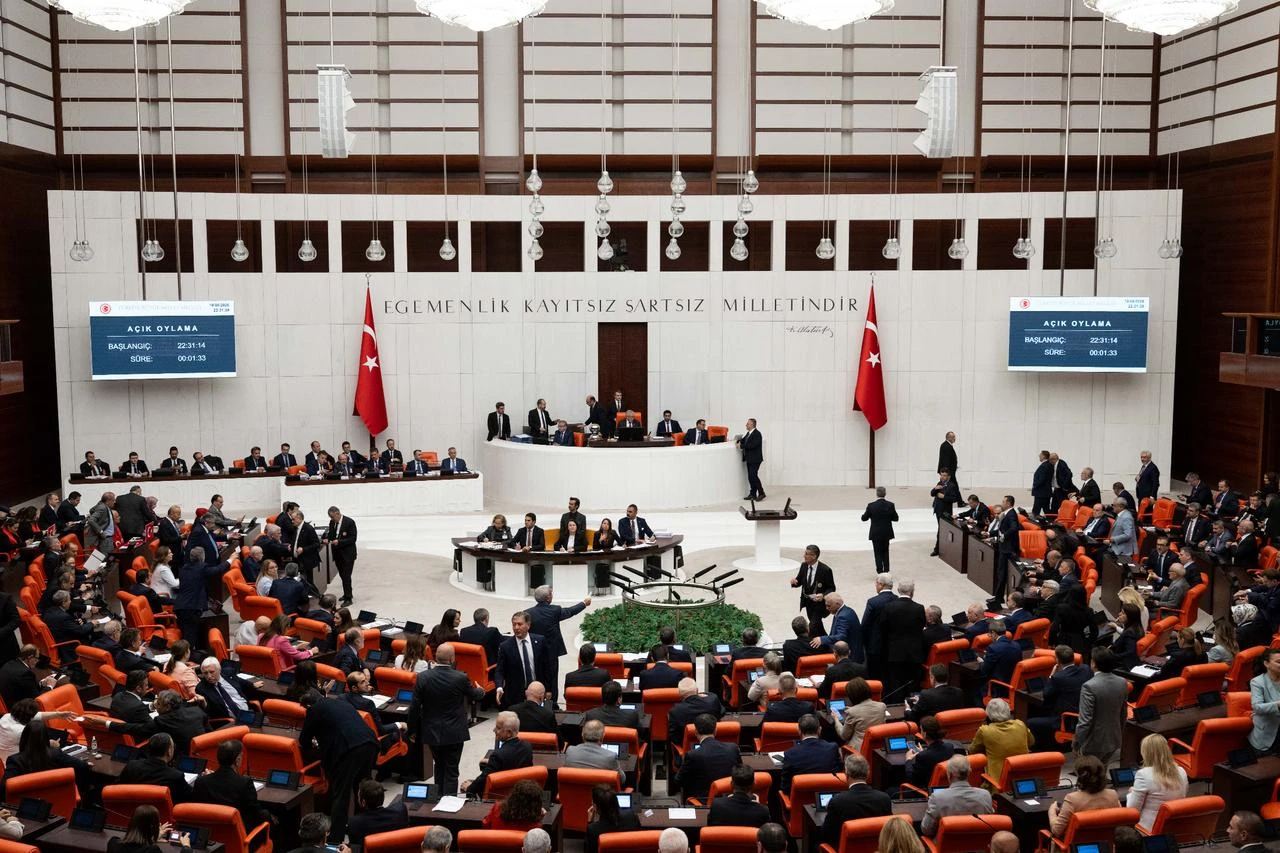
The government of Türkiye is preparing a comprehensive legislative proposal to regulate digital platforms and restrict social media access for minors.
Ruling AK Party (AKP) aims to mandate local representation for gaming companies and implement strict age-verification systems for users under the age of 15.
Proponents of the law claim that these measures will increase platform accountability while granting parents greater oversight of their children's digital footprints.


Under the proposed law, digital game distributors operating in Türkiye must appoint an official local representative.
This measure ensures that the Turkish government has a direct point of contact for legal and regulatory matters.
Companies that fail to comply with this requirement within 30 days of the law's enactment will face significant legal consequences.
Sanctions for non-compliance include:
The regulation also places a heavy burden of security on the platforms.
Companies will be legally obligated to actively detect and block advertisements designed for fraudulent purposes, protecting users from financial scams.

A major pillar of the proposal focuses on limiting social media use for children under 15.
While the proponents claim that the primary goal is to protect younger users, the technical methods for age verification remain a point of debate.
Government officials are currently cautious about relying solely on algorithm-based age estimation. Sources suggest these systems have a margin of error that could mistakenly block older teens or allow younger children access.
To address this, the specific details regarding how age verification will function will be clarified in a secondary set of regulations, as reported by Türkiye Daily. These future guidelines will establish the exact verification methods platforms must adopt.

The legislation seeks to shift more oversight power to parents through mandatory digital tools.
Social media and gaming platforms must provide features that allow parents to monitor and restrict activity.
The planned parental control tools include:
The government also plans to increase inspections of platforms that violate these legal standards.
This includes stricter oversight of illegal content and ensuring that age-based ratings are followed. Authorities aim to ensure that digital environments for children are both safe and transparent.


 Set as preferred source
 Set as preferred source



 2 min read